The Blame Game: Is It Destroying Your Relationships?
The blame and shame game will destroy your relationships. You can break free from toxic interactions and find a new way to interact that builds trust and intimacy.
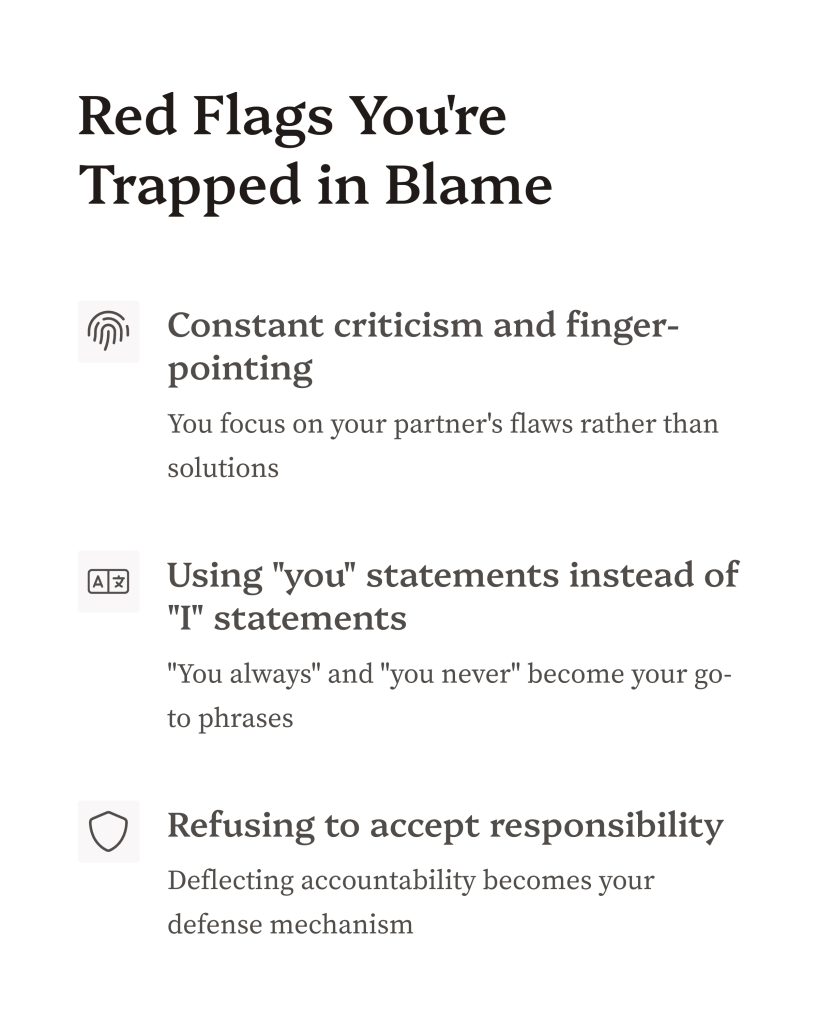


The blame and shame game will destroy your relationships. You can break free from toxic interactions and find a new way to interact that builds trust and intimacy.
Trust is the bedrock of any healthy relationship but can be fragile and easily damaged. Couples may find their trust eroding for various reasons, ranging from major betrayals like infidelity to more subtle issues such as repeated broken promises, lack of emotional support, or poor communication. Financial dishonesty, addiction problems, constant criticism, and neglecting the relationship can also contribute to a breakdown of trust. Sometimes, unresolved past traumas or personal insecurities can manifest as jealousy or possessiveness, further straining the bond between partners.
When trust is broken, rebuilding can seem daunting, but it’s far from impossible. Couples in this challenging situation can take heart in knowing there are effective strategies to repair their relationship and restore trust. By employing a combination of open communication, commitment to change, and willingness to forgive, partners can begin the journey of healing. The following twelve tools offer a comprehensive approach to relationship repair, addressing various aspects of trust-building and emotional reconnection. When applied consistently and with genuine effort from both parties, these strategies can help couples navigate the difficult terrain of rebuilding trust and emerge with a stronger, more resilient relationship.
Here are some key strategies that can help a couple rebuild trust after past trauma:
By implementing these strategies and committing to the process, couples can work towards rebuilding trust and creating a stronger, more resilient relationship after past trauma.
Citations:
[1] https://www.verywellmind.com/rebuild-trust-in-your-marriage-2300999
[2] https://www.gottman.com/blog/reviving-trust-after-an-affair/
[3] https://lanaisaacson.com/how-to-build-rebuild-trust-and-heal-from-betrayal/
[4] https://www.choosingtherapy.com/how-to-rebuild-trust/
[5] https://www.healthline.com/health/how-to-rebuild-trust
Take a free course on rebuilding relationships at FamilyHealer.tv. Contact Ron today if you want to schedule an online session for one-on-one healing skills; go to RonHuxley.com to set up a time and day…
Dr. John Gottman is a renowned relationship expert and his research on building a “Love Map” emphasizes the importance of knowing your partner’s inner world in order to build a strong and lasting relationship. The concept of the Love Map is based on the idea that a strong relationship is built on a foundation of knowledge and understanding of your partner’s thoughts, feelings, hopes, dreams, fears, and preferences.
According to Gottman, a Love Map is a mental map that we create of our partner’s inner world. It includes information such as their likes and dislikes, important life events, and deepest hopes and fears. When we have a detailed Love Map of our partner, we are better able to understand their thoughts and emotions, empathize with them, and respond to their needs in a more meaningful way. This, in turn, can help build trust and emotional intimacy in the relationship.
Gottman’s Love Map concept is just one of the many principles he has developed through his research on couples and relationships. His other main concepts include the Four Horsemen of the Apocalypse (criticism, defensiveness, contempt, and stonewalling) and the Sound Relationship House, which includes components such as trust, intimacy, and shared meaning.
Gottman’s work has been widely studied and cited in the field of couples therapy. One of his most famous books is “The Seven Principles for Making Marriage Work”, which provides practical advice and strategies for couples looking to improve their relationship. Another highly recommended book is “The Relationship Cure”, which focuses on improving communication and emotional connection between partners.
Try these questions with your partner to build your love map:
Overall, Gottman’s Love Map concept is an essential component of building a strong and healthy relationship. By taking the time to get to know your partner on a deep level, you can foster a stronger emotional connection, build trust, and create a foundation for a lasting relationship

Science backs up we have always known about human relationships: Attachment is the key to connection. Connection increases the likelihood of cooperation from family members. It doesn’t guarantee it. Nothing guarantees it. Not even threats or punishments.
People who have a heart to heart connection want to please one another. They think about others first and can literally feel pain if they hurt or disappoint others. This does not happen when there is no connection or it is weakened.
Somehow parents got the idea that compliance was the goal of parenting. We want obedience because we want to protect our children and teach them about life. This has moved from center to focus on children doing what we tell them to do because we said so! Discipline has become punishment and parents idea of self-worth has been tethered to children’s behavior. It is time to re-focus on connection and not compliance.
Caution: Don’t read this next section if you don’t like God!
The simplest way to a child’s heart is to pray with them. That’s right if you pray for your child both you and your child have to open that rusty door of your heart and a connection can be made.
Rene Brown, in her book, “The Gifts of Imperfection” explains this well: “We cultivate love when we allow our most vulnerable and powerful selves to be deeply seen and known, and when we honor the spiritual connection that grows from that offering with trust, respect, kindness, and affection.”
When I interview Christian parents about how often they pray for a family, the answer is rarely or never. Why, when this is a basic tool of the Christian home? I believe it is fear and mistrust that builds up over time and the lie of compliance as the goal of parenting takes over the home.
Try asking your child what he or she wants prayer for before they go off to school. In order for them to tell you, they have to risk opening up their heart to do so. If you honor that gift of insight and pray for them, you can follow up at the end of the day on how things turned out. This can lead to more prayer together and more intimacy in the relationship. Connection struggles solved!
If your child doesn’t trust you to tell you what they want prayer for, tell them you will pray for them anyway and speak into them what you already know about their challenges with friends and math assignments and sibling conflicts. Don’t use this to control. Genuinely express your desire for their success and wellness. You will be rewarded with a stronger attachment and greater cooperation.

 Ron Huxley LMFT