Why Your Best Employees Are Walking Out the Door (And It’s Not About Money)

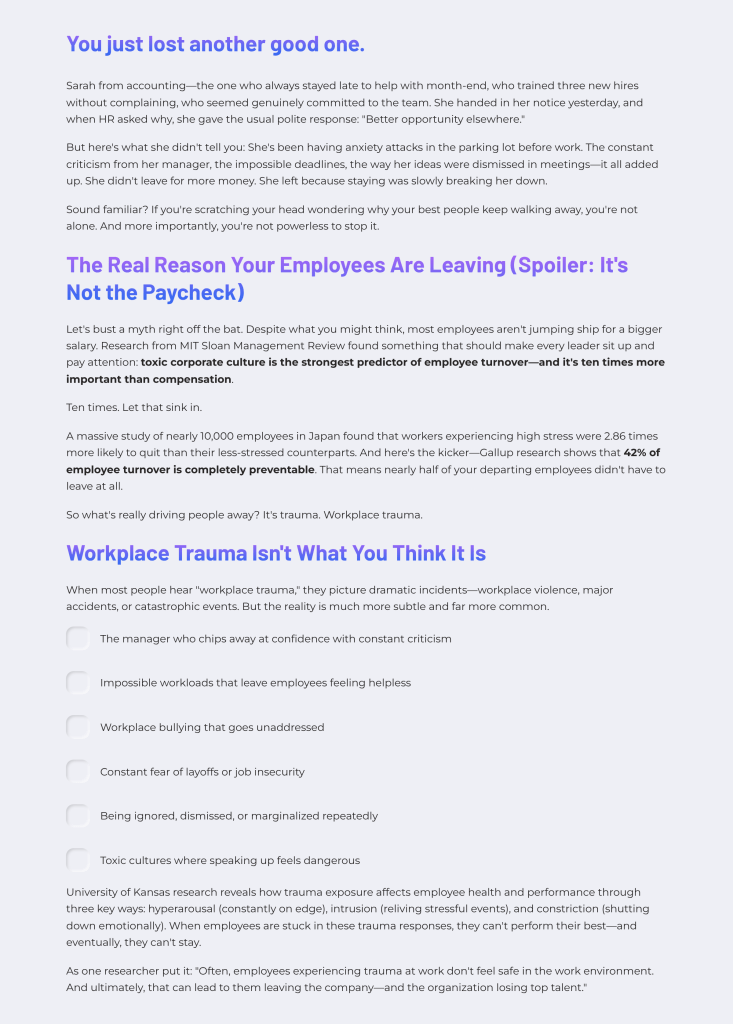
You just lost another good one.

Sarah from accounting—the one who always stayed late to help with month-end, who trained three new hires without complaining, who seemed genuinely committed to the team. She handed in her notice yesterday, and when HR asked why, she gave the usual polite response: “Better opportunity elsewhere.”

But here’s what she didn’t tell you: She’s been having anxiety attacks in the parking lot before work. The constant criticism from her manager, the impossible deadlines, the way her ideas were dismissed in meetings—it all added up. She didn’t leave for more money. She left because staying was slowly breaking her down.

Sound familiar? If you’re scratching your head, wondering why your best people keep walking away, you’re not alone. And more importantly, you’re not powerless to stop it.

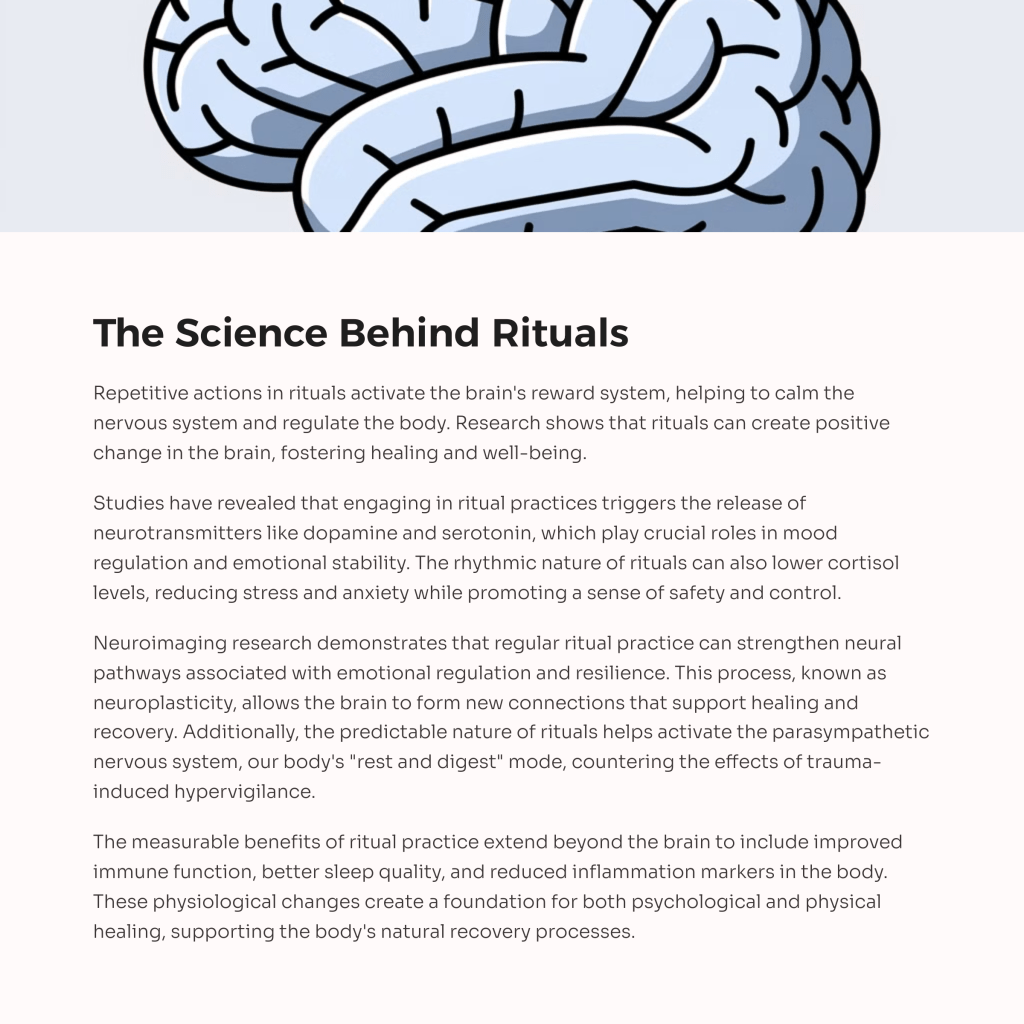
Trauma Recovery: The Healing Power of Rituals

Looking for ways to heal after trauma? Rituals are more than just cultural practices; they’re powerful tools for creating a sense of peace and grounding. Whether it’s a morning meditation, a weekly journaling practice, or a sacred ceremony, rituals can provide structure and meaning during your healing journey.

Safe Space for Healing

Rituals create a protected container for processing emotions and experiences at your own pace.

Connection to Self

Regular practices help rebuild trust in yourself and your body’s wisdom

Restored Sense of Control

Through intentional actions, rituals help reclaim your power and agency

Join us as we explore how ancient wisdom and modern understanding support your healing journey. Whether you’re just starting out or looking to deepen your practice, discover how reclaiming rituals can help you find healing, empowerment, and renewed purpose.

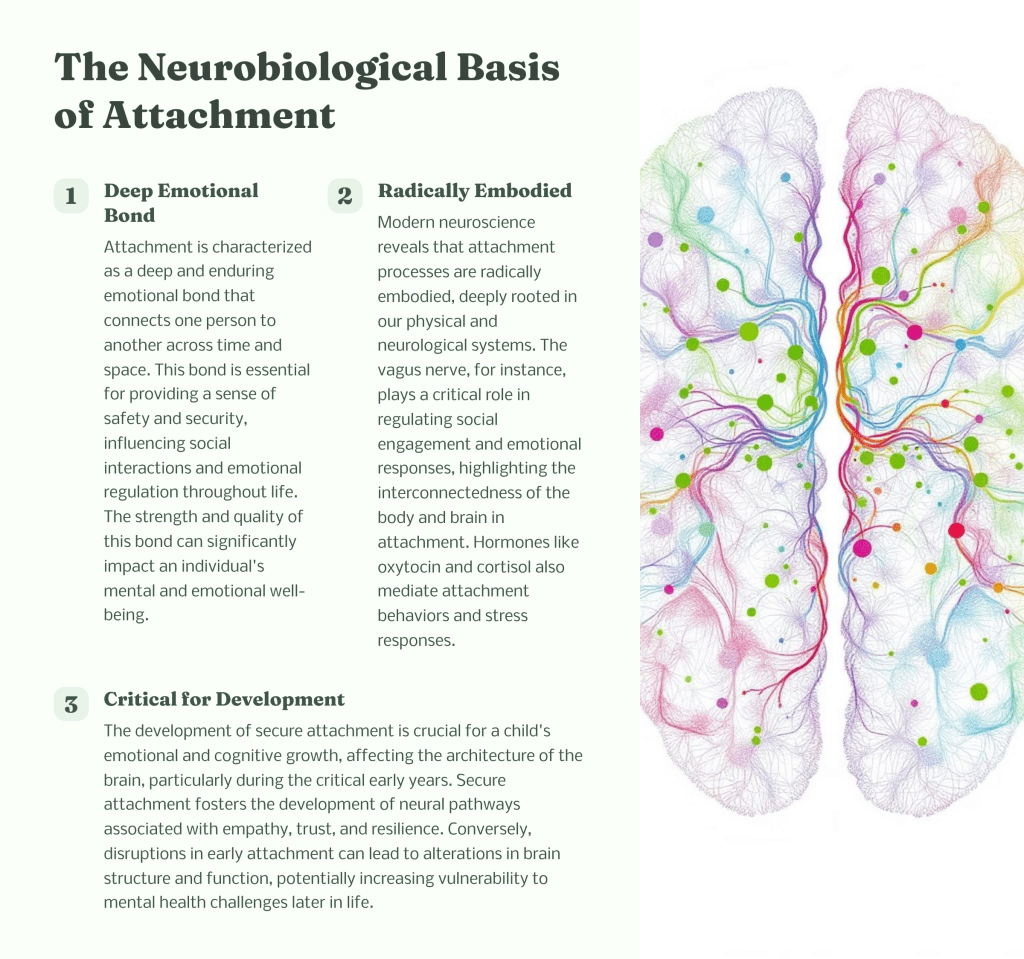
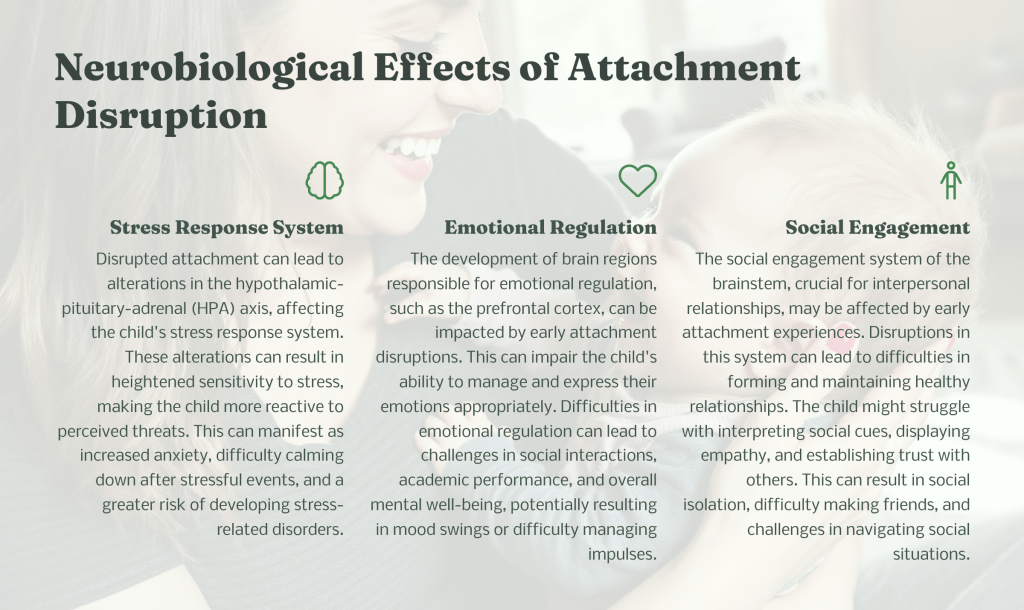
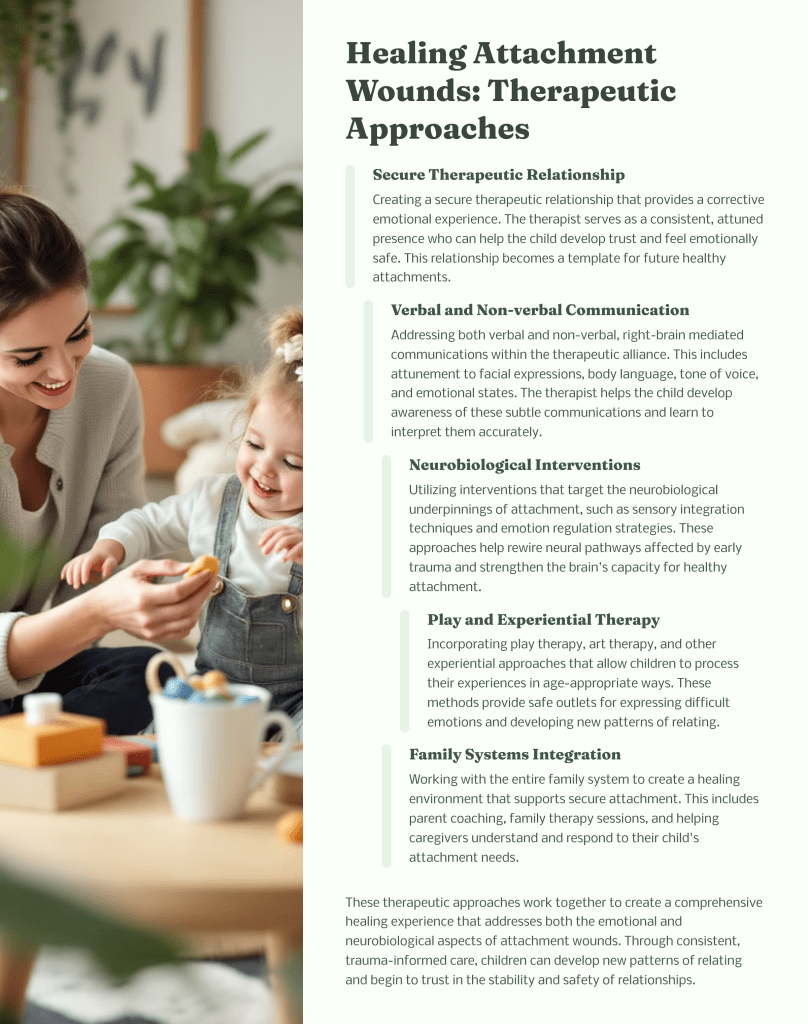
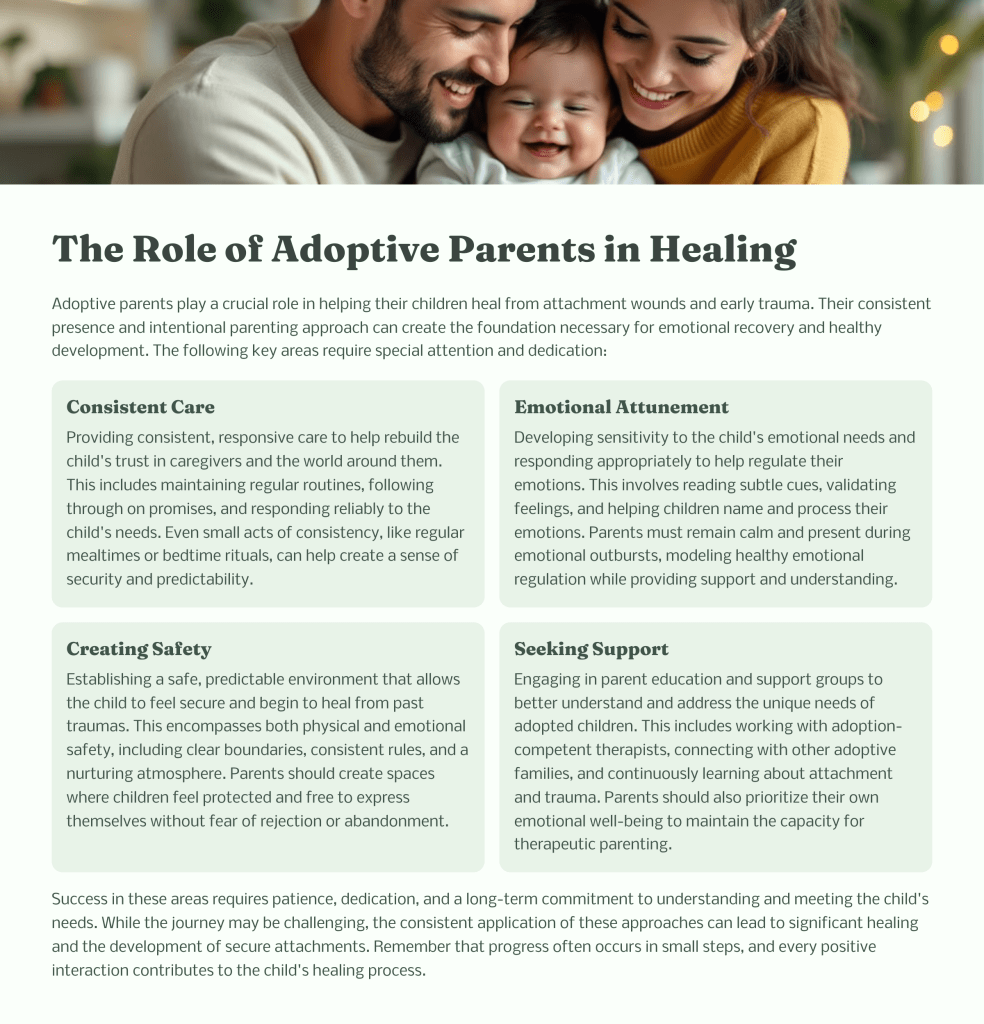
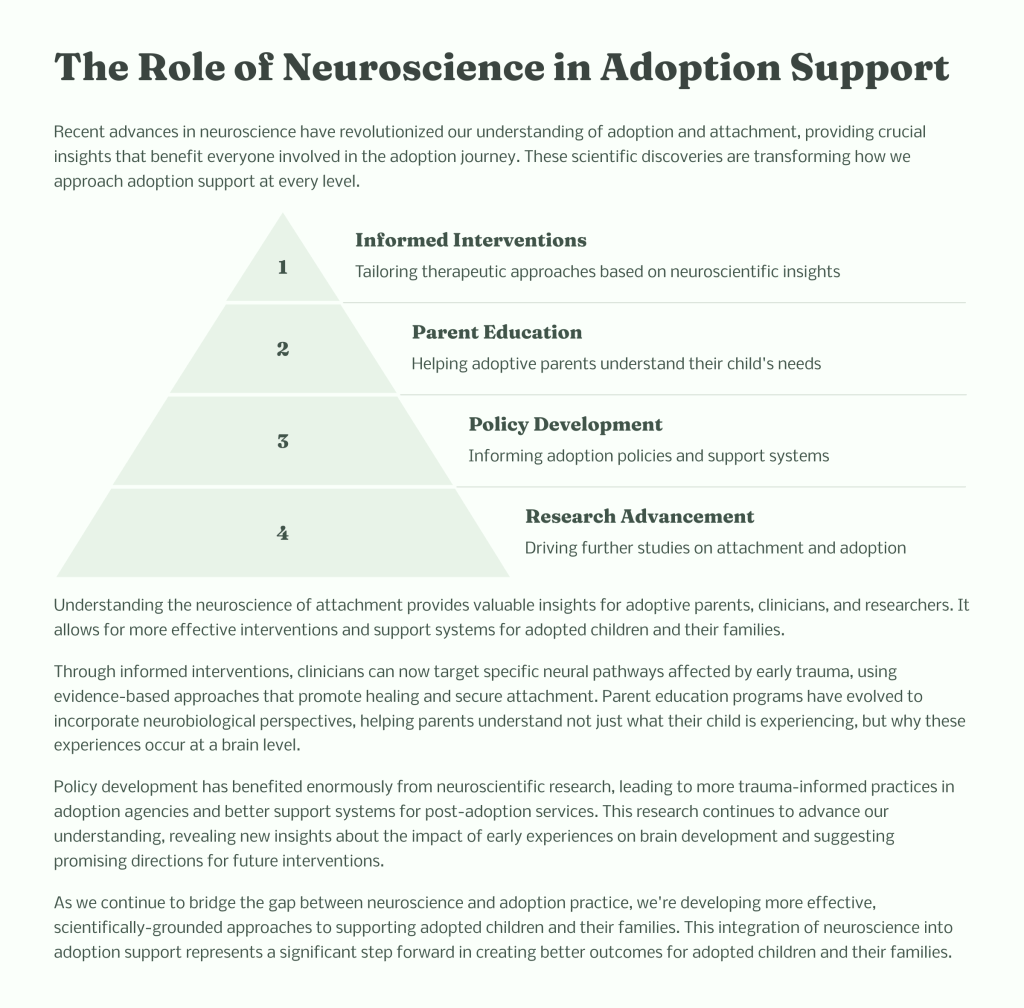
Attachment Wounds in Adoption: A Neuroscientific Perspective

Adoption, while often a positive and life-changing experience, can present unique challenges for children, particularly in the realm of attachment. Recent advancements in neuroscience and attachment research have shed light on the complex interplay between early experiences and brain development, offering new insights into the attachment wounds adopted children may carry.

“Doing The Best I Can”: A Healthy Reframe for Overwhelm and Negativity

When life feels complicated, and challenges seem insurmountable, it’s easy to fall into negative thinking and self-criticism patterns. However, adopting the “Doing The Best I Can” mindset can be a powerful reframe to combat these feelings and foster self-compassion. Here’s how this simple phrase can transform your perspective:

Acknowledging Your Efforts

“Doing The Best I Can” recognizes that you’re putting forth effort, even when outcomes aren’t perfect. This acknowledgment is crucial because:

  1. It shifts focus from results to process
  2. It validates your struggles and challenges
  3. It reminds you that perfection isn’t the goal

Embracing Imperfection

This reframe helps you accept that perfection is unattainable. Instead of berating yourself for falling short of impossible standards, you can:

  • Recognize that everyone has limitations
  • Appreciate progress, no matter how small
  • View mistakes as opportunities for growth

Cultivating Self-Compassion

By telling yourself you’re doing your best, you’re practicing self-compassion. This approach:

  • Reduces self-criticism and negative self-talk
  • Increases resilience in the face of setbacks
  • Improves overall mental well-being

Recognizing Context

“Doing The Best I Can” takes into account your current circumstances. It acknowledges that:

  • Your best may vary from day to day
  • External factors can impact your capabilities
  • You’re working with the resources available to you

Promoting Growth Mindset

This reframe encourages a growth mindset by:

  • Focusing on effort rather than innate ability
  • Viewing challenges as opportunities to learn and improve
  • Encouraging persistence in the face of difficulties

Practical Application

To incorporate this reframe into your daily life:

  1. Notice negative self-talk and consciously replace it with “I’m doing the best I can.”
  2. Reflect on your efforts at the end of each day, acknowledging your hard work.
  3. Practice self-compassion exercises when feeling overwhelmed
  4. Share this perspective with others to create a supportive environment

Remember, “Doing The Best I Can” doesn’t mean settling for less or making excuses. Instead, it’s about recognizing your efforts, accepting your limitations, and maintaining a compassionate attitude toward yourself as you navigate life’s complexities.

By adopting this reframe, you can reduce feelings of overwhelm, combat negative thinking, and approach challenges with a more balanced and kind perspective. It’s a simple yet powerful tool for fostering resilience and maintaining emotional well-being in life’s inevitable ups and downs.

Dealing With Your Traumatic Memories

Finding A Pathway to Healing

Traumatic memories can cast long shadows over our lives, affecting our mental, emotional, and physical well-being. Whether stemming from childhood abuse, accidents, or other life-altering events, these memories can remain buried in our subconscious, influencing our behavior and thoughts in ways we may not fully understand. Though often challenging and painful, confronting these memories is crucial to healing and reclaiming control over our lives.

The Nature of Traumatic Memories

Traumatic memories differ from regular memories in intensity and how they are stored in the brain. They often remain fragmented and disjointed, resurfacing unexpectedly and triggering intense emotional and physical reactions. These memories can lead to symptoms of PTSD, anxiety, depression, and other mental health issues if not addressed.

Why Confront Traumatic Memories?

1. Breaking the Cycle of Avoidance

Avoidance is a common coping mechanism for dealing with trauma. We may avoid places, people, or situations that remind us of the traumatic event. While this can provide temporary relief, it often reinforces the trauma, making it more challenging to manage in the long run. Confronting traumatic memories helps break this cycle, reducing the power they hold over us.

2. Processing and Integration

Facing traumatic memories allows for the processing and integrating these experiences into our broader life narrative. This process can transform fragmented, distressing memories into coherent stories we can understand and accept. This integration diminishes the emotional charge associated with these memories, reducing their impact on our daily lives.

3. Regaining Control

Trauma can leave us feeling powerless and out of control. By confronting our traumatic memories, we reclaim agency over our experiences. This empowerment is a critical step in healing, allowing us to move from being victims of our past to active participants in our recovery.

4. Improving Mental and Physical Health

Unresolved trauma is linked to a range of mental and physical health issues, including chronic stress, anxiety, depression, and even physical ailments like cardiovascular disease and weakened immune function. Addressing traumatic memories can alleviate these symptoms, improving overall health and well-being.

How to Confront Traumatic Memories Safely

1. Seek Professional Support

Working with a mental health professional trained in trauma-informed care is essential. Therapies such as Cognitive Behavioral Therapy (CBT), Eye Movement Desensitization and Reprocessing (EMDR), and Somatic Experiencing can provide structured and supportive environments to process traumatic memories.

2. Create a Safe Environment

Ensure that you are in a safe, supportive environment when addressing traumatic memories. This might involve creating a comfortable physical space, having trusted friends or family members nearby, and practicing self-care routines promoting safety and stability.

3. Take it Slow

Confronting trauma is not a race. It’s essential to go at your own pace and not force yourself to relive painful experiences before you’re ready. Gradual exposure and processing are key to ensuring the process is therapeutic rather than re-traumatizing.

4. Use Grounding Techniques

Grounding techniques can help manage intense emotions and connect you to the present moment. Techniques such as deep breathing, mindfulness, and focusing on physical sensations can provide immediate relief when confronting difficult memories.

Confronting traumatic memories is a challenging but vital step towards healing. By facing these memories, we can break the cycle of avoidance, process and integrate our experiences, regain control, and improve our overall health. With the support of trained professionals and a safe, gradual approach, we can transform our trauma from a source of pain into a pathway to resilience and growth. Remember, the healing journey is personal and unique—take it one step at a time and honor your progress.

Here’s a list of trauma therapy techniques and models that are widely used to help individuals process and heal from traumatic memories:

Trauma Therapy Techniques and Models

  1. Eye Movement Desensitization and Reprocessing (EMDR):
  • Uses guided eye movements or other forms of bilateral stimulation to help the brain process and integrate traumatic memories.
  1. Cognitive Behavioral Therapy (CBT):
  • Focuses on identifying and changing negative thought patterns and behaviors associated with trauma. A specific form, Trauma-Focused CBT (TF-CBT), is often used with children and adolescents.
  1. Prolonged Exposure Therapy (PE):
  • Involves gradual exposure to trauma-related memories, emotions, and situations to reduce the distress they cause over time.
  1. Somatic Experiencing (SE):
  • Emphasizes the body’s role in trauma recovery, helping individuals release stored trauma through body awareness and physical sensations.
  1. Narrative Therapy:
  • Encourages individuals to rewrite their trauma story, reframing their experiences and separating their identity from the traumatic event.
  1. Internal Family Systems (IFS):
  • Helps individuals identify and heal different “parts” of themselves that may hold trauma, such as protective or wounded parts.
  1. Dialectical Behavior Therapy (DBT):
  • Combines CBT techniques with mindfulness, distress tolerance, and emotion regulation, which are especially helpful for trauma survivors with complex emotional responses.
  1. Trauma-Focused Cognitive Behavioral Therapy (TF-CBT):
  • A specialized form of CBT designed specifically for trauma, often involving both the individual and their caregivers.
  1. Psychodynamic Therapy:
  • Explores unconscious patterns and past experiences that influence current behavior, often delving into childhood trauma.
  1. Brainspotting:
    • Utilizes eye positioning to identify, process, and release trauma stored deep in the brain.
  2. Sensorimotor Psychotherapy:
    • Integrates somatic (body-based) therapy with cognitive and emotional processing to address how trauma affects the body.
  3. Mindfulness-Based Stress Reduction (MBSR):
    • Uses mindfulness and meditation techniques to increase awareness and acceptance of thoughts and feelings related to trauma.
  4. Accelerated Resolution Therapy (ART):
    • Combines elements of EMDR with guided visualization to change the way traumatic memories are stored in the brain.
  5. Emotional Freedom Technique (EFT) / Tapping:
    • Involves tapping on specific acupuncture points while focusing on traumatic memories, aiming to reduce emotional distress.
  6. Exposure and Response Prevention (ERP):
    • Gradually exposes individuals to trauma-related triggers while helping them manage their responses, often used for PTSD and OCD.
  7. Hypnotherapy:
    • Uses guided relaxation and focused attention to access and process trauma stored in the subconscious mind.
  8. Art Therapy:
    • Encourages the expression of trauma through creative outlets like drawing, painting, or sculpture, facilitating emotional release and processing.
  9. Play Therapy (for children):
    • Allows children to express and process trauma through play, a natural medium for young minds.
  10. Group Therapy for Trauma Survivors:
    • Provides a supportive environment where individuals can share their experiences, learn from others, and gain a sense of community.
  11. Narrative Exposure Therapy (NET):
    • Combines narrative techniques with trauma processing to create a coherent life story, particularly effective for survivors of complex trauma.

These techniques vary in their approaches but share the goal of helping individuals confront, process, and heal from traumatic memories. Each method can be tailored to the individual’s needs, allowing for a personalized path to recovery. Let me know if you’d like more information on these techniques!

Unlocking Your Parenting Potential: 15 Questions to Guide Your Journey

Parenting is one of the most rewarding yet challenging roles you can take on. As parents, we often find ourselves navigating a maze of emotions, expectations, and responsibilities. It’s essential to take a step back and show on our parenting practices. This helps us become the best version of ourselves for our children. Here are 15 thought-provoking questions. They are designed to help you unlock your parenting potential. They will foster a nurturing environment for your family.

1. What are my core values as a parent?

Understanding your values can guide your decisions and actions. Reflect on what principles are most important to you. Principles may include respect, honesty, or kindness. Consider how you can instill these in your children.

2. How do I respond to my child’s emotions?

Consider how you react when your child expresses feelings like anger, sadness, or frustration. Are you supportive and understanding, or do you dismiss their emotions? Your response shapes their emotional intelligence.

3. What are my child’s unique strengths and weaknesses?

Every child is different. Take time to observe and appreciate what makes your child special. Think about how you can nurture their strengths. Support them through their challenges.

4. How do I handle stress and frustration?

Your emotional state affects your parenting. Reflect on your coping mechanisms and consider healthier strategies to manage stress, ensuring you model resilience for your child.

5. Am I setting realistic expectations for my child?

Evaluate whether your expectations align with your child’s age and developmental stage. Unrealistic expectations can lead to disappointment for both you and your child.

6. How do I communicate with my child?

Consider the effectiveness of your communication style. Are you actively listening? Do you encourage open dialogue? Effective communication fosters trust and strengthens your relationship.

7. What routines or traditions do we have as a family?

Family routines and traditions create a sense of belonging and stability. Reflect on what practices you cherish and how they contribute to your family’s identity.

8. How do I balance discipline with love?

Discipline is essential, but it should be balanced with love and understanding. Reflect on your disciplinary methods and consider how they can promote learning rather than fear.

9. What role does technology play in our family life?

In today’s digital age, it’s crucial to assess how technology impacts your family dynamics. Reflect on screen time limits, online safety, and how technology can be used positively.

10. How do I encourage my child’s independence?

Fostering independence helps children build confidence and decision-making skills. Reflect on how you can provide opportunities for your child to take on responsibilities appropriate for their age.

11. How do I express love and affection?

Consider the ways you show love to your child. Are you verbal in your affirmations, or do you express love through actions? Consistent affection strengthens your bond.

12. What are my child’s interests and passions?

Take time to discover what excites your child. Supporting their interests not only nurtures their talents but also strengthens your connection.

13. How do I involve my child in family decisions?

Involving your child in age-appropriate decisions fosters a sense of ownership and responsibility. Reflect on how you can include them in discussions about family activities or rules.

14. What are my parenting goals for the next year?

Setting specific, achievable goals can help you focus your efforts. Think about what you’d like to do as a parent in the coming year. It can be improving communication. It can also be spending more quality time together.

15. How do I take care of myself as a parent?

Self-care is vital for effective parenting. Reflect on how you prioritize your well-being. Consider ways to carve out time for yourself. This ensures you have the energy and patience to support your child.


Reflecting on these questions can illuminate areas for growth and improvement in your parenting journey. Remember, there’s no perfect parent. By taking the time to show, you can cultivate a nurturing environment. This environment allows both you and your child to thrive. Embrace this journey of self-discovery, and watch as your family flourishes together!

Daily Self-Care Spark: 20 Quick Rituals for Busy Lives

  1. Morning Stretch (Gentle Yoga vibes)
  2. Mindful Breathing (One-minute zen)
  3. Hydration Check (Drink up, folks!)
  4. Gratitude Journaling (Cue happy thoughts)
  5. Nature Break (Breathe in, breathe out)
  6. Tech Detox (Screens off, brains on pause)
  7. Healthy Snack Pause (Nom nom healthy)
  8. Positive Affirmations (You rock!)
  9. Mini Meditation (Find that zen, quick!)
  10. Expressive Writing (Journaling for the Soul)
  11. Music Break (Turn it up, shake it off)
  12. Self-Compassion Pause (Be kind to you)
  13. Stress-Relief Exercise (Jump, shake, stretch!)
  14. Tea Time (Sip and savor)
  15. Reflective Walk (Walk and ponder)
  16. Disconnect to Reconnect (Switch off, tune in)
  17. Power Nap (Snooze, rejuvenate)
  18. Quick Hobby Session (Do what you love, briefly)
  19. Setting Boundaries (Say ‘no’ like a boss)
  20. Nighttime Wind-Down (Bedtime chill vibes)

Remember, self-care isn’t selfish; it’s essential for maintaining a healthy life balance. Incorporating these simple rituals into your day can profoundly impact your overall well-being.

The Four Stages of Competence and Personal Growth

The Four Stages of Competence model, developed by Martin M. Broadwell in 1969, provides a framework for understanding the process of acquiring new skills or knowledge. This model can be applied not only to learning specific tasks but also to personal growth and transformation after traumatic experiences.

Stage 1: Unconscious Incompetence

In this initial stage, an individual is unaware of their lack of knowledge or skill in a particular area. They are oblivious to their incompetence and may even overestimate their abilities.[2] In the context of personal growth, this stage represents a state of unawareness or denial about the need for change or self-improvement.

Stage 2: Conscious Incompetence

At this stage, the individual becomes aware of their deficiencies and recognizes the gap between their current state and the desired level of competence.[2] This realization can be uncomfortable and even painful, as it challenges one’s self-perception and confidence. In the realm of personal growth, this stage often follows a traumatic event or crisis that forces an individual to confront their limitations or unhealthy patterns.

Stage 3: Conscious Competence

In this stage, the individual actively engages in learning and practicing the new skill or knowledge. They are consciously aware of their progress and the effort required to improve.[3] Regarding personal growth, this stage involves actively working on self-improvement, seeking support, and implementing new strategies or behaviors to overcome challenges and develop healthier coping mechanisms.

Stage 4: Unconscious Competence

At this final stage, the individual has mastered the skill or knowledge to the point where it becomes second nature, requiring little conscious effort.[1] In the context of personal growth, this stage represents a state of integration and embodiment of the positive changes, where the new behaviors or mindsets have become ingrained and automatic.

The Four Stages of Competence model can be particularly relevant in the context of post-traumatic growth, which refers to the positive psychological changes that can occur after experiencing a traumatic event or adversity.[4] The process of post-traumatic growth often involves moving through these stages:

  1. Initially, individuals may be in a state of unconscious incompetence, unaware of the need for personal growth or change (Stage 1).
  2. The traumatic event or crisis forces them to confront their limitations, vulnerabilities, or unhealthy coping mechanisms, leading to conscious incompetence (Stage 2).
  3. Through therapy, self-reflection, and active efforts, individuals work on developing new perspectives, skills, and behaviors, entering the conscious competence stage (Stage 3).
  4. Over time, the positive changes become integrated and automatic, leading to unconscious competence and a sense of personal growth and resilience (Stage 4).

By understanding the Four Stages of Competence, individuals can better navigate the process of personal growth and post-traumatic transformation. It provides a framework for recognizing and embracing the discomfort of conscious incompetence as a necessary step towards growth, and it offers a roadmap for the journey towards embodying positive changes and achieving a sense of mastery over one’s life.[1][3]

Citations:
[1] https://www.mentaltoughness.partners/stages-of-competence/
[2] https://blog.hptbydts.com/in-a-nutshell-four-stages-of-competence
[3] https://scottjeffrey.com/four-stages-of-learning/
[4] https://www.businessballs.com/self-awareness/conscious-competence-learning-model/
[5] https://themindcollection.com/four-stages-of-competence/

Faith is a Guiding Light Through Dark Seasons

How Individual and Couples Can Find Strength Through Shared Faith

Life’s journey is often marked by unexpected twists and turns, presenting us with challenges that can test our resilience and inner strength. In the face of adversity, many individuals and couples turn to faith as a source of solace, guidance, and empowerment. Experts across various fields have recognized the profound impact that faith can have on our ability to navigate life’s difficulties with grace and fortitude.

“Faith is the bird that feels the light when the dawn is still dark,” said Rabindranath Tagore, the renowned poet and philosopher. This sentiment resonates deeply, as faith can provide a glimmer of hope and clarity even in the darkest of times, illuminating the path forward.

Dr. Kendra Cherry, a renowned psychologist, emphasizes the role of faith in fostering resilience: “Faith can serve as a powerful coping mechanism, offering individuals a sense of purpose and meaning, even in the midst of adversity. It can provide a framework for understanding and accepting life’s challenges, enabling them to persevere with greater strength and determination.”

For couples facing shared struggles, faith can be a unifying force, strengthening their bond and enabling them to support one another through difficult times. “Faith has the power to bring couples together, fostering a deeper emotional connection and shared understanding,” explains Dr. John Gottman, a renowned relationship expert. “It can provide a common language and set of values to navigate challenges as a team, reinforcing their commitment to one another.”

Faith can also play a crucial role in promoting mental and emotional well-being. “Spiritual practices, such as prayer, meditation, or contemplation, can have a calming effect on the mind and body,” says Dr. Lisa Miller, a professor of psychology and education at Columbia University. “These practices can help individuals and couples find inner peace, reduce stress and anxiety, and cultivate a sense of gratitude and acceptance, even in the face of adversity.”

Moreover, faith-based communities often provide a supportive network, offering practical assistance, emotional support, and a sense of belonging. “Being part of a faith community can be a powerful source of strength,” notes Dr. Harold Koenig, a leading researcher in the field of spirituality and health. “It can provide a safe space for individuals and couples to share their experiences, receive encouragement, and access resources to help them navigate life’s challenges.”

While faith can manifest in various forms and traditions, its essence lies in the belief in something greater than oneself, a guiding force that transcends the physical realm. As Dr. Brené Brown, a renowned researcher and author, eloquently states, “Faith is a place of mystery, where we find the courage to believe in what we cannot see and the strength to let go of our fear of uncertainty.”

In the tapestry of life, faith can serve as a powerful thread, weaving together hope, resilience, and inner strength. Whether facing personal struggles, relationship challenges, or shared adversities, embracing faith can provide individuals and couples with a profound sense of purpose, guidance, and the fortitude to navigate life’s complexities with grace and courage.

Here is an exercise to help couples discuss and share their faith with each other:

Faith Sharing Exercise

The goal of this exercise is to create a safe, open space for you and your partner to share your personal faith journeys, beliefs, and spiritual practices with one another. It is an opportunity to deepen your understanding of each other’s spiritual selves and find ways to honor and support one another’s faith within your relationship.

Materials Needed:

  • A quiet, comfortable space free from distractions
  • A small object or item that holds spiritual significance for each partner (e.g., a religious symbol, a meaningful photograph, a cherished book, etc.)

Instructions:

  1. Begin by setting an intention for the exercise. You may choose to light a candle, say a prayer, or engage in a brief meditation to create a sense of reverence and openness.
  2. Take turns sharing your spiritual item with your partner. Explain what the item represents and why it holds significance for you in your faith journey.
  3. After sharing the item, take turns responding to the following prompts:
  • Describe your earliest memory or experience related to faith or spirituality.
  • What role did faith play in your upbringing and family life?
  • How has your faith evolved or changed over time?
  • What aspects of your faith or spiritual beliefs bring you the most comfort or strength?
  • Are there any specific practices, rituals, or traditions that are particularly meaningful to you?
  • How do you envision faith playing a role in our relationship and family life?
  1. As your partner shares, practice active listening without judgment or interruption. Seek to understand their perspective and experiences with an open heart and mind.
  2. After each partner has had the opportunity to share, engage in an open dialogue. Discuss any similarities or differences in your faith journeys, beliefs, or practices. Explore ways you can support and honor each other’s spiritual needs within your relationship.
  3. Conclude the exercise by expressing gratitude for the opportunity to share and learn more about each other’s spiritual selves. You may choose to hold hands, embrace, or engage in a closing ritual or prayer that feels meaningful to both of you.

Remember, this exercise is not about convincing or converting one another but rather about fostering a deeper understanding, respect, and appreciation for each other’s spiritual paths. Approach the exercise with an open mind, a compassionate heart, and a willingness to listen and learn from one another.

Unlocking Inner Healing: The Role of Procedural Memory in Trauma Recovery

Trauma leaves an indelible mark on our minds and bodies. Whether it’s a single distressing event or prolonged exposure to adverse circumstances, trauma can disrupt our sense of safety, trust, and well-being. As mental health practitioners, we strive to guide individuals toward healing and resilience. One powerful ally in this journey is procedural memory.

What Is Procedural Memory?

Procedural memory is a type of implicit memory—meaning it operates unconsciously. It involves the memory of how to do certain things. Think of it as the mental blueprint for tasks we’ve learned over time. Riding a bike, tying shoelaces, cooking an omelet without a recipe—these are all examples of procedural memories.

Why Is Procedural Memory Relevant in Trauma Recovery?

  1. Implicit Learning and Skills:
  • Trauma survivors often struggle with conscious memories related to their traumatic experiences (declarative memory). However, procedural memory remains relatively intact.
  • Psychologists can leverage this by focusing on activities that engage procedural memory. Engaging in repetitive, rhythmic, or sensory experiences can help regulate emotions and create a sense of safety.
  1. Mind-Body Connection:
  • Trauma affects both the mind and body. Procedural memory links physical sensations and emotional states.
  • Psychologists can guide clients to notice bodily sensations during therapy. By paying attention to these cues, clients can process trauma more effectively.
  1. Mindfulness and Presence:
  • Practices like mindfulness enhance procedural memory.
  • Psychologists can teach trauma survivors mindfulness techniques to regulate emotions, reduce anxiety, and stay grounded.
  • Mindfulness helps clients access their present-moment experiences, aiding in trauma processing.
  1. Completing Traumatic Memory Processing:
  • Trauma memories are often fragmented and incomplete due to dissociation (a protective mechanism).
  • Procedural memory can help fill in gaps. By engaging in activities that evoke procedural memory (e.g., drawing, dancing, playing music), clients access implicit aspects of their trauma.
  • This completeness contributes to healing and resolution.
  1. Integration of Multiple Approaches:
  • Complex trauma requires an integrative approach.
  • Psychologists combine evidence-based techniques, including mindfulness, somatic experiencing, and cognitive-behavioral strategies.
  • Procedural memory allows for a holistic treatment approach, addressing both cognitive and somatic aspects of trauma.

Practical Applications

  1. Art Therapy: Engaging in creative activities (painting, sculpting, writing) taps into procedural memory. It provides an avenue for expression and healing.
  2. Movement-Based Therapies: Yoga, dance, and tai chi activate procedural memory. These practices promote relaxation, embodiment, and emotional regulation.
  3. Breathing Exercises: Focusing on breath patterns engages procedural memory. Deep, rhythmic breathing calms the nervous system.
  4. Grounding Techniques: Sensory grounding (touching objects, feeling textures) connects clients to the present moment.

Conclusion

As mental health professionals, we honor the resilience within each person. Procedural memory, with its implicit wisdom, guides us toward inner healing. By integrating it into trauma therapy, we empower survivors to reclaim their lives—one procedural step at a time. 🌟🧠

Remember, healing is a journey, and every small step matters. Let’s walk alongside our clients, fostering hope and transformation. 💙

Disclaimer: This article provides general information and is not a substitute for professional advice. Consult a qualified therapist for personalized guidance.


References:

  1. Schacter, D. L., & Tulving, E. (Eds.). (1994). Memory systems 1994. MIT Press.
  2. van der Kolk, B. A. (2014). The body keeps the score: Brain, mind, and body in the healing of trauma. Penguin.