Why Trauma-Informed Care Matters—and How to Stay Equipped as a Trauma Champion

Trauma affects more people than we realize. Whether in schools, healthcare, workplaces, or communities, the need for trauma-informed care has never been greater. Professionals on the frontlines—therapists, teachers, social workers, leaders, and advocates—are increasingly recognizing that understanding trauma is not optional; it’s essential.

But here’s the challenge: staying current with trauma-informed best practices can feel overwhelming. New research, new strategies, and new demands necessitate ongoing resources to remain effective and avoid burnout. That’s precisely why I created the Trauma Champions Newsletter.


What Is Trauma-Informed Care?

At its core, trauma-informed care is an approach that:

  • Recognizes the widespread impact of trauma
  • Identifies the signs and symptoms in individuals, families, and organizations
  • Responds with policies, practices, and programs that foster safety and healing
  • Prevents re-traumatization, ensuring care is supportive and empowering

This approach matters because trauma doesn’t just affect individuals—it ripples across families, schools, workplaces, and entire communities. When professionals are equipped with trauma-informed strategies, they don’t just treat symptoms; they create conditions for long-term resilience and growth.


Introducing the Trauma Champions Newsletter

The Trauma Champions Newsletter is my way of making trauma-informed care practical, accessible, and sustainable for busy professionals.

Each issue includes:

  • Practical strategies you can apply immediately in clinical, educational, and community settings
  • Insights on the latest trauma-informed care research and methods
  • Tools for preventing burnout and compassion fatigue
  • Resources to help leaders and organizations build trauma-sensitive cultures

Thousands of professionals worldwide have already participated in my training and certification programs. This newsletter brings that same expertise straight to your inbox.

👉 Subscribe free today at TraumaChampions.com


Why Join?

By subscribing, you’ll not only stay up to date—you’ll join a growing movement of Trauma Champions committed to transforming care. Together, we’re working to:

  • Make trauma-informed care the standard across schools, agencies, and organizations
  • Provide families with hope and healing tools
  • Build stronger, more resilient communities

If you’re passionate about trauma-informed practice, this is your space to grow, connect, and lead.


Take the Next Step

Don’t miss out on tools, training, and encouragement designed to help you thrive in this critical work.

👉 Sign up now at TraumaChampions.com and start receiving trauma-informed insights directly in your inbox.

Together, we can turn trauma into resilience—and create real change.
Beyond “I Do”: Building a Trauma-Informed Marriage When One Partner Has a Trauma History

Understanding how past wounds can become pathways to deeper connection


Marriage vows promise “for better or worse,” but few couples anticipate how past trauma can profoundly shape their relationship. When one partner carries invisible wounds from their history, it affects everything from daily conversations to intimate moments. Yet with understanding and intentional care, these challenges can become opportunities for unprecedented closeness and resilience.

When the Past Lives in the Present

Sarah freezes when her husband Mark raises his voice—even during playful moments. What Mark doesn’t initially understand is that his tone triggers memories of an unpredictable childhood, making Sarah’s nervous system react as if danger is imminent.

Similarly, Emily physically healed from a serious car accident, but her body remembers the trauma. Highway driving now feels impossible, creating tension whenever she and her husband, David, plan trips together.

These scenarios illustrate what trauma expert Dr. Bessel van der Kolk describes in The Body Keeps the Score: trauma literally reshapes how our brains and bodies perceive safety and connection. For partners, understanding this isn’t just helpful—it’s transformative.

The Ripple Effects: How Trauma Touches Every Corner of Marriage

Emotional Landscapes

Living with trauma often means experiencing intense emotional swings—from overwhelming anxiety to profound numbness. Your partner might seem to “shut down” or react strongly to seemingly small triggers, leaving you feeling like you’re walking on eggshells.

Communication Barriers

Trauma can make it incredibly difficult to articulate internal experiences. What feels like defensiveness or withdrawal might actually be your partner’s nervous system protecting them from perceived threats.

Intimacy Challenges

Both emotional and physical closeness can feel threatening when trauma has shattered someone’s sense of safety. Touch, vulnerability, and even eye contact might trigger distressing memories or sensations.

Trust and Connection

Even in loving relationships, trauma can create persistent doubts about safety, consistency, and loyalty. This isn’t about you personally—it’s about how trauma rewires the brain’s threat-detection systems.

Daily Life Disruptions

Chronic anxiety, sleep disturbances, concentration difficulties, and avoidance behaviors can affect everything from household routines to social activities.

The Hidden Impact on Supporting Partners

While focus naturally centers on the trauma survivor, supporting partners face their own challenges that deserve recognition and care.

Secondary trauma can develop from repeatedly witnessing your partner’s pain or hearing traumatic details. You might experience:

  • Emotional exhaustion and anxiety
  • Sleep disruption and irritability
  • Feelings of helplessness or inadequacy
  • Isolation from the unique nature of your situation

Relationship dynamics can shift dramatically:

  • Feeling more like a caregiver than an equal partner
  • Frustration when your support efforts seem ineffective
  • Resentment about lost spontaneity or social activities
  • Guilt about having your own needs and feelings

Remember: Acknowledging these impacts isn’t selfish—it’s essential for sustaining your ability to support your partner and maintain your own well-being.

Building Your Trauma-Informed Partnership: A Roadmap

1. Invest in Individual Therapy

This is your foundation. Both partners benefit from professional support:

  • For trauma survivors: Processing experiences safely and developing coping tools
  • For supporting partners: Managing secondary trauma and maintaining emotional health

2. Become Trauma-Literate Together

Understanding how trauma affects the nervous system transforms confusion into compassion. When you recognize that your partner’s “overreactions” are actually their brain protecting them from perceived danger, everything changes.

Key insight: Those fight, flight, freeze, or fawn responses aren’t choices—they’re automatic survival mechanisms.

3. Practice Compassionate Communication

  • Lead with curiosity instead of judgment
  • Recognize when someone is triggered and focus on safety first
  • Use “I” statements to express your own needs
  • Create agreements about how to handle overwhelming moments

4. Embrace the Marathon Mindset

Trauma healing isn’t linear. There will be breakthroughs followed by setbacks, as well as good weeks and difficult ones. Progress might look like three steps forward, two steps back—and that’s completely normal.

5. Co-Create Safety

Transform your relationship into a haven by:

  • Establishing predictable routines when possible
  • Learning nervous system regulation techniques together (breathing exercises, grounding techniques, mindful movement)
  • Identifying and minimizing environmental triggers
  • Developing safety signals and check-in practices

6. Consider Trauma-Informed Couples Therapy

A therapist specializing in trauma can guide you through rebuilding trust, improving communication, and navigating intimacy challenges. Generally, this approach works best after the trauma survivor has established some degree of individual stability.

7. Prioritize Your Own Oxygen Mask

For supporting partners, self-care isn’t optional—it’s essential for everyone’s wellbeing:

  • Maintain friendships and hobbies outside the relationship
  • Set healthy boundaries around what you can and cannot do
  • Seek your own support through therapy, support groups, or trusted friends
  • Remember that you can’t heal your partner’s trauma for them

The Unexpected Gift

While navigating trauma’s impact on marriage presents real challenges, many couples discover something remarkable: trauma can become a pathway to extraordinary intimacy and resilience. When you learn to hold space for each other’s deepest vulnerabilities, when you develop skills to co-regulate during difficult moments, when you choose understanding over judgment, you create a bond that can weather almost anything.

The marriage that emerges from this crucible often becomes stronger, more authentic, and more compassionate than many couples ever experience. It’s a relationship that truly embodies “for better or worse”—not because it’s easy, but because it’s real.


If you’re navigating trauma in your relationship, remember that seeking help is a sign of strength, not weakness. Consider reaching out to a trauma-informed therapist who can provide personalized guidance for your unique situation.

Resources:

  • “The Body Keeps the Score” by Bessel van der Kolk
  • Psychology Today’s therapist directory (filter for trauma specialists)
  • National Center for PTSD resources for families
  • Local support groups for trauma survivors and their partners

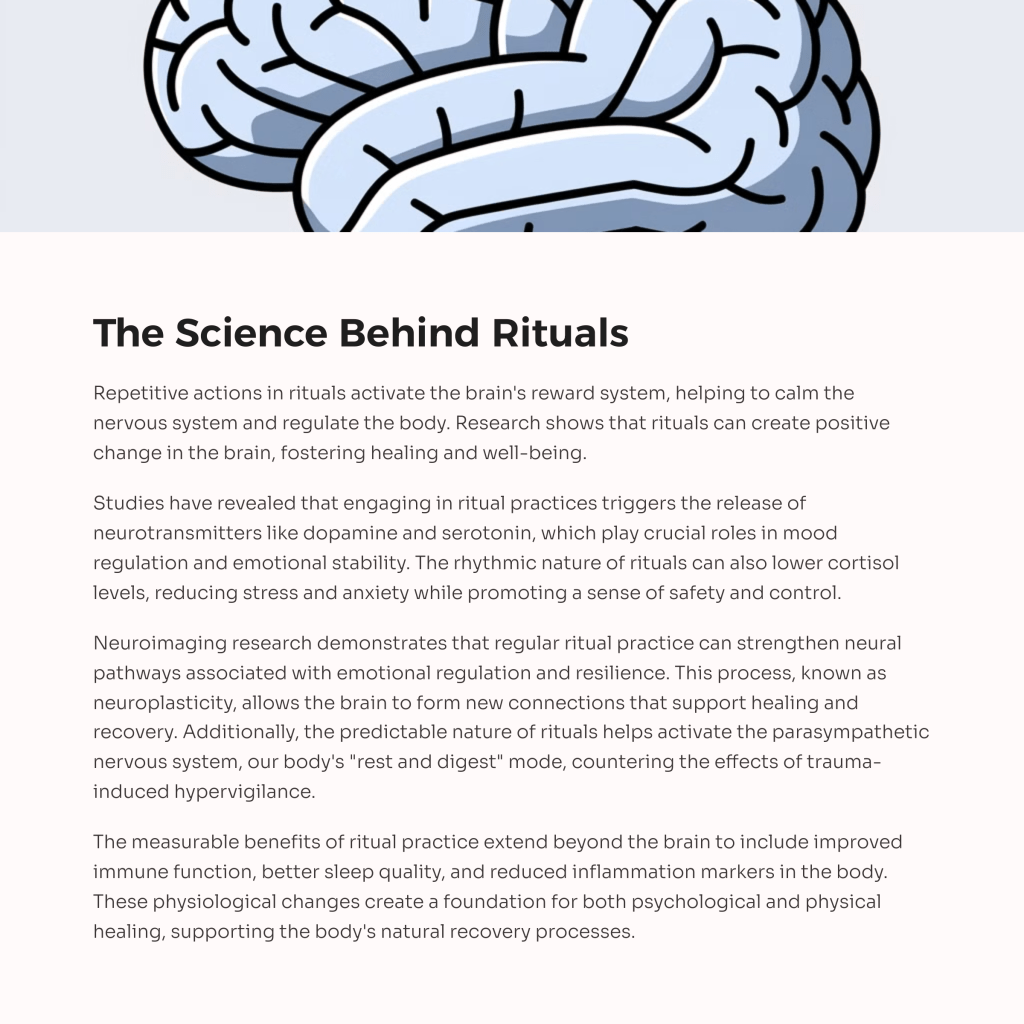
Trauma Recovery: The Healing Power of Rituals

Looking for ways to heal after trauma? Rituals are more than just cultural practices; they’re powerful tools for creating a sense of peace and grounding. Whether it’s a morning meditation, a weekly journaling practice, or a sacred ceremony, rituals can provide structure and meaning during your healing journey.

Safe Space for Healing

Rituals create a protected container for processing emotions and experiences at your own pace.

Connection to Self

Regular practices help rebuild trust in yourself and your body’s wisdom

Restored Sense of Control

Through intentional actions, rituals help reclaim your power and agency

Join us as we explore how ancient wisdom and modern understanding support your healing journey. Whether you’re just starting out or looking to deepen your practice, discover how reclaiming rituals can help you find healing, empowerment, and renewed purpose.

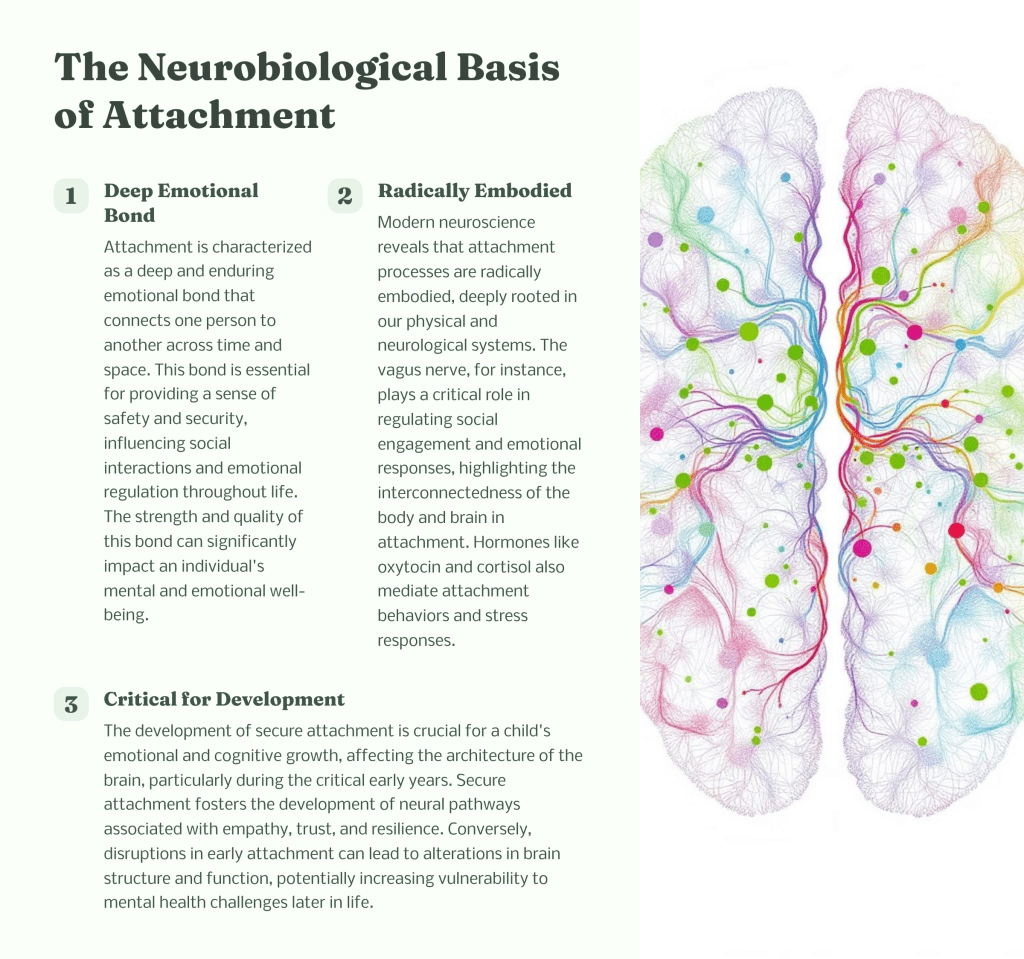
Attachment Wounds in Adoption: A Neuroscientific Perspective

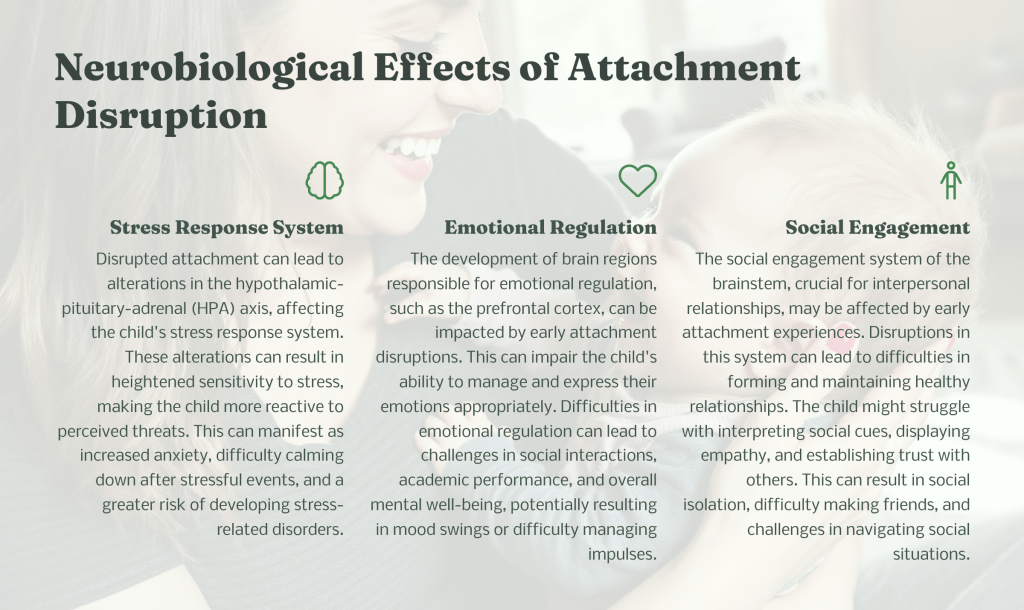
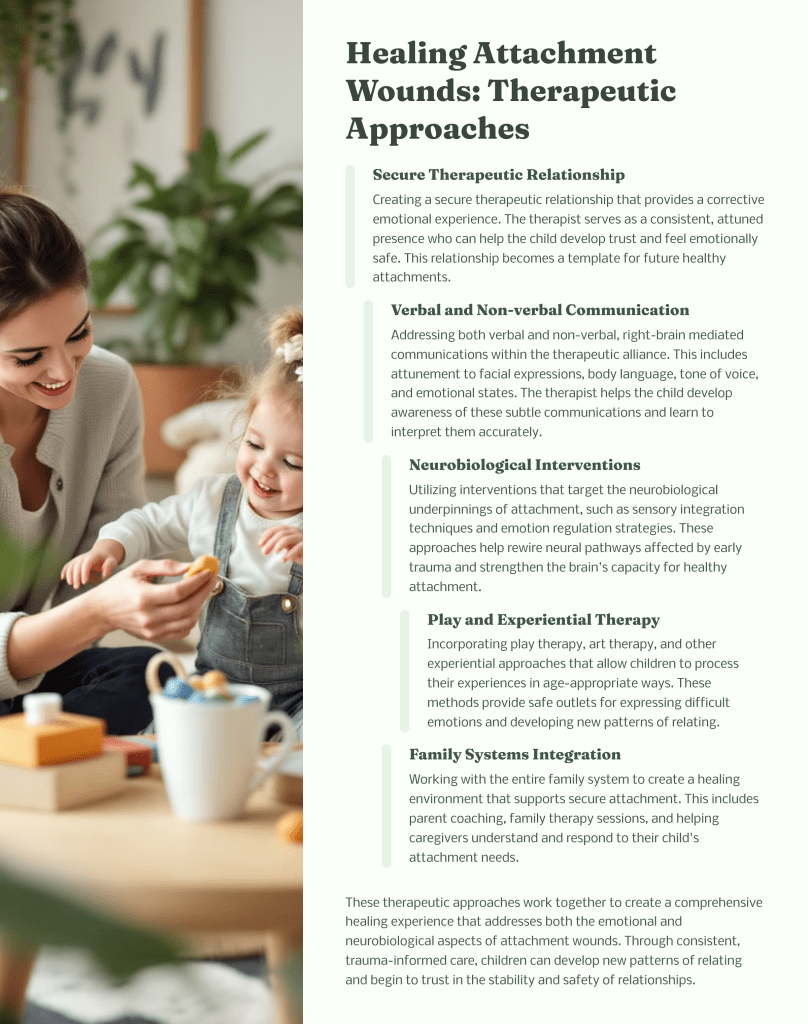
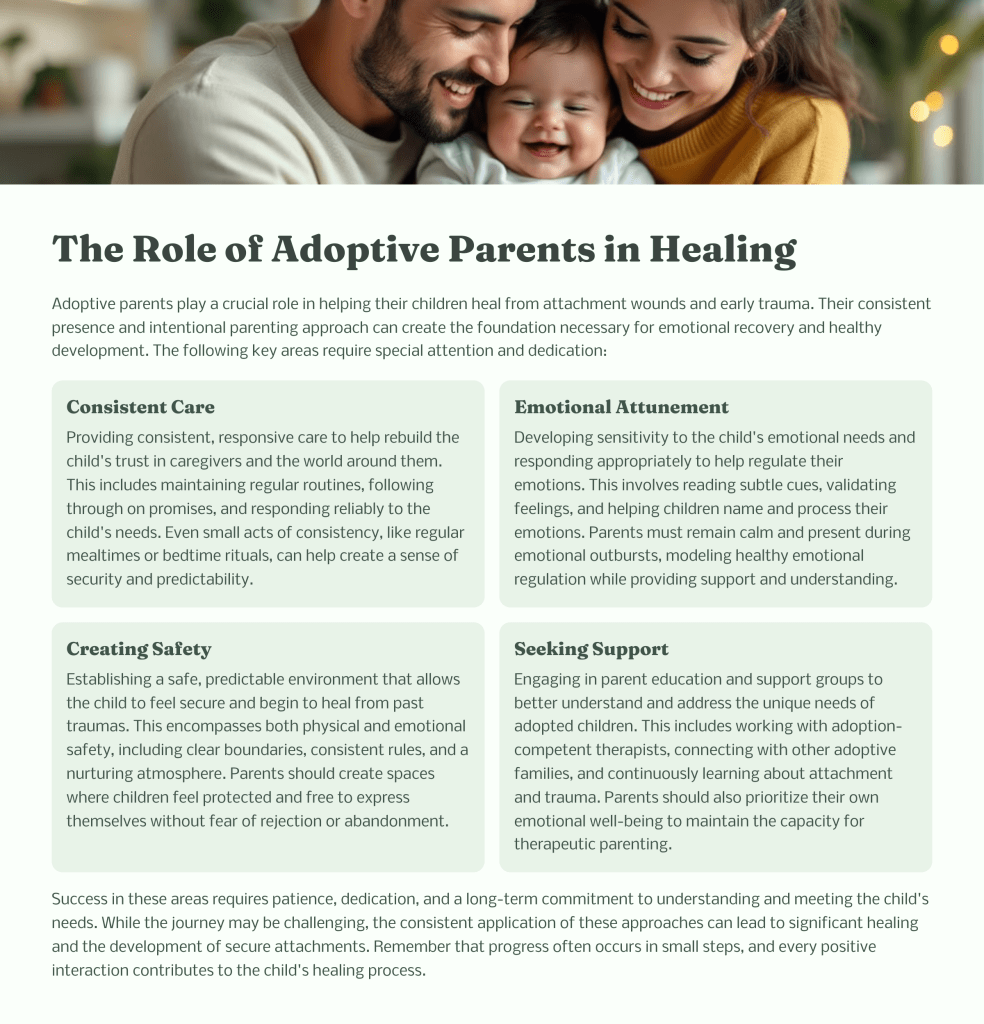
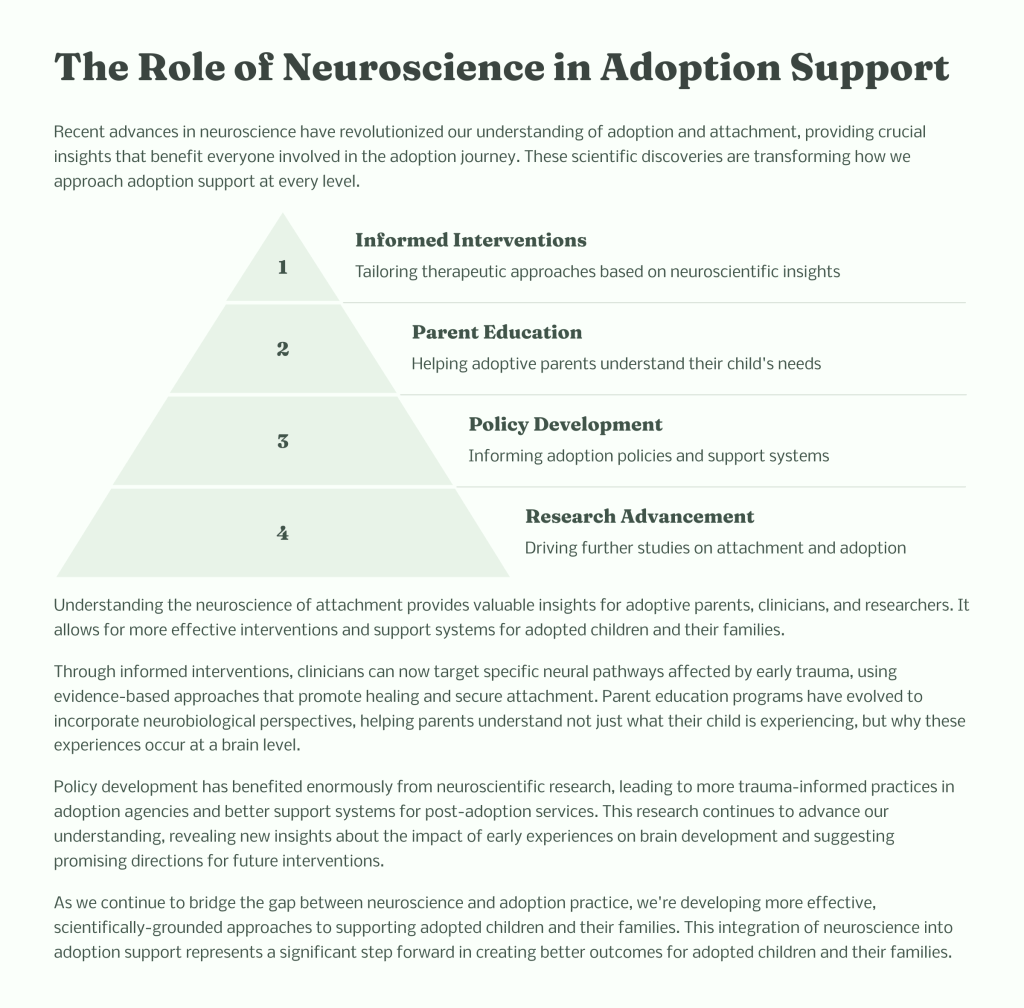
Adoption, while often a positive and life-changing experience, can present unique challenges for children, particularly in the realm of attachment. Recent advancements in neuroscience and attachment research have shed light on the complex interplay between early experiences and brain development, offering new insights into the attachment wounds adopted children may carry.

Becoming Trauma Aware for NonClinical Staff in Organizations

Becoming Trauma Aware: Strategies and Tools for Nonclinical Staff

Nonclinical staff are often clients’ first point of contact and play a vital role in creating a supportive environment. Trauma awareness is when individuals have knowledge and education about trauma. By understanding the signs of trauma, nonclinical staff can improve recognition and response, decrease the risk of triggering and retraumatization, prioritize care, make more informed decisions about immediate care needs, and reduce stress and job satisfaction for staff.

Understanding the Signs of Trauma

Here are some typical behavioral, emotional, and physical signs of trauma:

Behavioral:

  • Avoidance: Reluctance to talk about specific topics, social withdrawal, or isolation.
  • Agitation: Irritability, angry outbursts, being on guard, exaggerated startle responses, and difficulty sitting still.
  • Concentration Issues: Trouble paying attention, focusing on questions, memory problems, forgetfulness, difficulty absorbing information, and zoning out.
  • Risky Behaviors: Engaging in dangerous activities, thrill-seeking behaviors, increased accidents, self-harming behaviors, and substance use to cope with distressing emotions or memories.
  • Sleep Pattern Disturbances: Insomnia or difficulty falling asleep, excessive sleep, fatigue, nightmares, terrors, and sleep deprivation.

Emotional:

  • Emotional Numbing: A protective mechanism when other coping mechanisms have failed.
  • Difficulty Feeling Positive Emotions: Trauma interferes with standard emotional processing.

Physical:

  • Chronic Pain and Aches: Trauma activates the body’s stress response system, disrupting mood regulation and leading to physical symptoms.
  • Fatigue:
  • Lack of Sleep and Appetite:
  • Headaches and Stomach Problems:

Trauma-Informed Care Principles

By implementing trauma-informed care principles, organizations can create supportive environments that improve client outcomes. These principles foster healing, resilience, and well-being for clients and staff. The six key principles are:

  1. Safety (physical and emotional): Creating a space where clients feel safe and secure is paramount.
  2. Trustworthiness and Transparency: Open and honest communication builds trust and makes clients more comfortable.
  3. Peer Support: Connecting with others who have shared similar experiences can be incredibly validating and empowering for clients.
  4. Collaboration and Mutuality: Rather than dictating treatment plans, working with clients empowers them and ensures their voices are heard.
  5. Empowerment, Voice, and Choice: Giving clients choices and control over their care helps them regain a sense of agency and promotes self-determination.
  6. Cultural, Historical, and Gender Responsiveness: Recognizing and respecting clients’ diverse backgrounds and experiences is crucial for providing culturally competent care.

Five Guiding Values and Principles for Trauma-Informed Interactions

Harris and Fallot (2001) proposed five guiding values and principles to ensure a trauma-informed approach in any organization. These values can be applied at a worker-to-client level, a worker-to-worker level, and a leadership-to-worker level:

  1. Safety: Ensuring emotional safety by being attentive to signs of individual discomfort and recognizing these signs in a trauma-informed way.
  2. Trustworthiness: Providing clear information about processes and procedures, maintaining respectful boundaries, and prioritizing privacy and confidentiality.
  3. Choice: Providing individuals with choices and a voice throughout their experience in the organization.
  4. Collaboration: Creating an environment of “doing with” rather than “doing to” by flattening the organizational power hierarchy and giving all individuals a significant role in planning and evaluating.
  5. Empowerment: Recognizing and building on individual strengths and skills, highlighting supportive practices, communicating a realistic sense of hope, and fostering an atmosphere of validation and affirmation.

Trauma-Sensitive Language

Using trauma-sensitive language is essential in creating a supportive atmosphere for clients. It involves using words and phrases that are respectful, validating, and empowering. Here are some examples of trauma-sensitive language:

  • Instead of “What happened to you?” ask, “Can you tell me more about your experiences?”
  • Instead of “You need to…”, offer choices by saying “It might be helpful to…”
  • Instead of “Calm down,” validate the client’s emotions and seek to understand by asking, “What can I do to help you feel more comfortable?”
  • Instead of “Are you sure?” validate their perspective with “I hear that you’re saying…is that right?”
  • Instead of “You should have…” avoid judgment and blame by saying, “It sounds like that was a difficult situation.”

When interacting with clients, it’s crucial to:

  • Stay calm, and speak softly and gently.
  • Stay focused on the present.
  • Get help if you need it.
  • Offer reassurance: “I am here to help.” “It’s okay; take your time; there is no rush.”
  • Be sensitive to triggers: “If anything I say brings up difficult feelings, please let me know. It’s ok to take a break if you need it.”
  • Acknowledge the client’s resilience: “You’ve overcome so much already,” or “Your strength in facing these difficulties is commendable.”

Strengths-Based Language

Using strengths-based language focuses on the client’s abilities and resilience rather than their deficits. Examples of strengths-based language include:

  • “I admire your courage in sharing your story with me.”
  • “You have shown great determination in facing your challenges.”
  • “Your ability to reflect on your experiences is a powerful tool for growth.”
  • “Let’s identify your skills to help you navigate this situation.”
  • “You have a unique perspective that can guide us in finding solutions.”

Trauma Champions

Forming an internal Champion Team is one of the most important ways to ensure the overall sustainability of trauma-informed culture change. Champions prioritize the trauma-informed lens in all areas of organizational functioning and assist in developing workforce learning around a trauma-informed approach.

By understanding and implementing these strategies and tools, nonclinical staff can create a more supportive and empowering environment for clients who have experienced trauma.

Dealing With Your Traumatic Memories

Finding A Pathway to Healing

Traumatic memories can cast long shadows over our lives, affecting our mental, emotional, and physical well-being. Whether stemming from childhood abuse, accidents, or other life-altering events, these memories can remain buried in our subconscious, influencing our behavior and thoughts in ways we may not fully understand. Though often challenging and painful, confronting these memories is crucial to healing and reclaiming control over our lives.

The Nature of Traumatic Memories

Traumatic memories differ from regular memories in intensity and how they are stored in the brain. They often remain fragmented and disjointed, resurfacing unexpectedly and triggering intense emotional and physical reactions. These memories can lead to symptoms of PTSD, anxiety, depression, and other mental health issues if not addressed.

Why Confront Traumatic Memories?

1. Breaking the Cycle of Avoidance

Avoidance is a common coping mechanism for dealing with trauma. We may avoid places, people, or situations that remind us of the traumatic event. While this can provide temporary relief, it often reinforces the trauma, making it more challenging to manage in the long run. Confronting traumatic memories helps break this cycle, reducing the power they hold over us.

2. Processing and Integration

Facing traumatic memories allows for the processing and integrating these experiences into our broader life narrative. This process can transform fragmented, distressing memories into coherent stories we can understand and accept. This integration diminishes the emotional charge associated with these memories, reducing their impact on our daily lives.

3. Regaining Control

Trauma can leave us feeling powerless and out of control. By confronting our traumatic memories, we reclaim agency over our experiences. This empowerment is a critical step in healing, allowing us to move from being victims of our past to active participants in our recovery.

4. Improving Mental and Physical Health

Unresolved trauma is linked to a range of mental and physical health issues, including chronic stress, anxiety, depression, and even physical ailments like cardiovascular disease and weakened immune function. Addressing traumatic memories can alleviate these symptoms, improving overall health and well-being.

How to Confront Traumatic Memories Safely

1. Seek Professional Support

Working with a mental health professional trained in trauma-informed care is essential. Therapies such as Cognitive Behavioral Therapy (CBT), Eye Movement Desensitization and Reprocessing (EMDR), and Somatic Experiencing can provide structured and supportive environments to process traumatic memories.

2. Create a Safe Environment

Ensure that you are in a safe, supportive environment when addressing traumatic memories. This might involve creating a comfortable physical space, having trusted friends or family members nearby, and practicing self-care routines promoting safety and stability.

3. Take it Slow

Confronting trauma is not a race. It’s essential to go at your own pace and not force yourself to relive painful experiences before you’re ready. Gradual exposure and processing are key to ensuring the process is therapeutic rather than re-traumatizing.

4. Use Grounding Techniques

Grounding techniques can help manage intense emotions and connect you to the present moment. Techniques such as deep breathing, mindfulness, and focusing on physical sensations can provide immediate relief when confronting difficult memories.

Confronting traumatic memories is a challenging but vital step towards healing. By facing these memories, we can break the cycle of avoidance, process and integrate our experiences, regain control, and improve our overall health. With the support of trained professionals and a safe, gradual approach, we can transform our trauma from a source of pain into a pathway to resilience and growth. Remember, the healing journey is personal and unique—take it one step at a time and honor your progress.

Here’s a list of trauma therapy techniques and models that are widely used to help individuals process and heal from traumatic memories:

Trauma Therapy Techniques and Models

  1. Eye Movement Desensitization and Reprocessing (EMDR):
  • Uses guided eye movements or other forms of bilateral stimulation to help the brain process and integrate traumatic memories.
  1. Cognitive Behavioral Therapy (CBT):
  • Focuses on identifying and changing negative thought patterns and behaviors associated with trauma. A specific form, Trauma-Focused CBT (TF-CBT), is often used with children and adolescents.
  1. Prolonged Exposure Therapy (PE):
  • Involves gradual exposure to trauma-related memories, emotions, and situations to reduce the distress they cause over time.
  1. Somatic Experiencing (SE):
  • Emphasizes the body’s role in trauma recovery, helping individuals release stored trauma through body awareness and physical sensations.
  1. Narrative Therapy:
  • Encourages individuals to rewrite their trauma story, reframing their experiences and separating their identity from the traumatic event.
  1. Internal Family Systems (IFS):
  • Helps individuals identify and heal different “parts” of themselves that may hold trauma, such as protective or wounded parts.
  1. Dialectical Behavior Therapy (DBT):
  • Combines CBT techniques with mindfulness, distress tolerance, and emotion regulation, which are especially helpful for trauma survivors with complex emotional responses.
  1. Trauma-Focused Cognitive Behavioral Therapy (TF-CBT):
  • A specialized form of CBT designed specifically for trauma, often involving both the individual and their caregivers.
  1. Psychodynamic Therapy:
  • Explores unconscious patterns and past experiences that influence current behavior, often delving into childhood trauma.
  1. Brainspotting:
    • Utilizes eye positioning to identify, process, and release trauma stored deep in the brain.
  2. Sensorimotor Psychotherapy:
    • Integrates somatic (body-based) therapy with cognitive and emotional processing to address how trauma affects the body.
  3. Mindfulness-Based Stress Reduction (MBSR):
    • Uses mindfulness and meditation techniques to increase awareness and acceptance of thoughts and feelings related to trauma.
  4. Accelerated Resolution Therapy (ART):
    • Combines elements of EMDR with guided visualization to change the way traumatic memories are stored in the brain.
  5. Emotional Freedom Technique (EFT) / Tapping:
    • Involves tapping on specific acupuncture points while focusing on traumatic memories, aiming to reduce emotional distress.
  6. Exposure and Response Prevention (ERP):
    • Gradually exposes individuals to trauma-related triggers while helping them manage their responses, often used for PTSD and OCD.
  7. Hypnotherapy:
    • Uses guided relaxation and focused attention to access and process trauma stored in the subconscious mind.
  8. Art Therapy:
    • Encourages the expression of trauma through creative outlets like drawing, painting, or sculpture, facilitating emotional release and processing.
  9. Play Therapy (for children):
    • Allows children to express and process trauma through play, a natural medium for young minds.
  10. Group Therapy for Trauma Survivors:
    • Provides a supportive environment where individuals can share their experiences, learn from others, and gain a sense of community.
  11. Narrative Exposure Therapy (NET):
    • Combines narrative techniques with trauma processing to create a coherent life story, particularly effective for survivors of complex trauma.

These techniques vary in their approaches but share the goal of helping individuals confront, process, and heal from traumatic memories. Each method can be tailored to the individual’s needs, allowing for a personalized path to recovery. Let me know if you’d like more information on these techniques!

Unlocking Your Parenting Potential: 15 Questions to Guide Your Journey

Parenting is one of the most rewarding yet challenging roles you can take on. As parents, we often find ourselves navigating a maze of emotions, expectations, and responsibilities. It’s essential to take a step back and show on our parenting practices. This helps us become the best version of ourselves for our children. Here are 15 thought-provoking questions. They are designed to help you unlock your parenting potential. They will foster a nurturing environment for your family.

1. What are my core values as a parent?

Understanding your values can guide your decisions and actions. Reflect on what principles are most important to you. Principles may include respect, honesty, or kindness. Consider how you can instill these in your children.

2. How do I respond to my child’s emotions?

Consider how you react when your child expresses feelings like anger, sadness, or frustration. Are you supportive and understanding, or do you dismiss their emotions? Your response shapes their emotional intelligence.

3. What are my child’s unique strengths and weaknesses?

Every child is different. Take time to observe and appreciate what makes your child special. Think about how you can nurture their strengths. Support them through their challenges.

4. How do I handle stress and frustration?

Your emotional state affects your parenting. Reflect on your coping mechanisms and consider healthier strategies to manage stress, ensuring you model resilience for your child.

5. Am I setting realistic expectations for my child?

Evaluate whether your expectations align with your child’s age and developmental stage. Unrealistic expectations can lead to disappointment for both you and your child.

6. How do I communicate with my child?

Consider the effectiveness of your communication style. Are you actively listening? Do you encourage open dialogue? Effective communication fosters trust and strengthens your relationship.

7. What routines or traditions do we have as a family?

Family routines and traditions create a sense of belonging and stability. Reflect on what practices you cherish and how they contribute to your family’s identity.

8. How do I balance discipline with love?

Discipline is essential, but it should be balanced with love and understanding. Reflect on your disciplinary methods and consider how they can promote learning rather than fear.

9. What role does technology play in our family life?

In today’s digital age, it’s crucial to assess how technology impacts your family dynamics. Reflect on screen time limits, online safety, and how technology can be used positively.

10. How do I encourage my child’s independence?

Fostering independence helps children build confidence and decision-making skills. Reflect on how you can provide opportunities for your child to take on responsibilities appropriate for their age.

11. How do I express love and affection?

Consider the ways you show love to your child. Are you verbal in your affirmations, or do you express love through actions? Consistent affection strengthens your bond.

12. What are my child’s interests and passions?

Take time to discover what excites your child. Supporting their interests not only nurtures their talents but also strengthens your connection.

13. How do I involve my child in family decisions?

Involving your child in age-appropriate decisions fosters a sense of ownership and responsibility. Reflect on how you can include them in discussions about family activities or rules.

14. What are my parenting goals for the next year?

Setting specific, achievable goals can help you focus your efforts. Think about what you’d like to do as a parent in the coming year. It can be improving communication. It can also be spending more quality time together.

15. How do I take care of myself as a parent?

Self-care is vital for effective parenting. Reflect on how you prioritize your well-being. Consider ways to carve out time for yourself. This ensures you have the energy and patience to support your child.


Reflecting on these questions can illuminate areas for growth and improvement in your parenting journey. Remember, there’s no perfect parent. By taking the time to show, you can cultivate a nurturing environment. This environment allows both you and your child to thrive. Embrace this journey of self-discovery, and watch as your family flourishes together!

Surrender as Strength: Resilience Practices

Today we delve into the transformative power of surrender in building resilience and facing adversity. As professionals working with trauma, we often encounter overwhelming situations that seem beyond our control. Paradoxically, embracing surrender can be a key to developing greater resilience and effectiveness in our work.

Bessel van der Kolk, a renowned trauma expert, reminds us: “Trauma constantly confronts us with our fragility and with man’s inhumanity to man but also with our extraordinary resilience” [4]. This perspective highlights the dual nature of trauma work – acknowledging the pain while recognizing the incredible human capacity for healing.

Surrender doesn’t mean giving up. Instead, it’s about letting go of our need to control every outcome and trusting in our ability to adapt. As van der Kolk explains, “It’s about becoming safe to feel what you feel. When you’re traumatized, you’re afraid of what you’re feeling because your feeling is always terror, or fear, or helplessness” [4]. By surrendering to these feelings, we can process and move through them.

Peter Levine, another prominent figure in trauma studies, emphasizes the importance of bodily awareness in this process: “The body has its language that communicates to us through sensation and imagery.” This aligns with van der Kolk’s observation that “Mindfulness has been shown to have a positive effect on numerous psychiatric, psychosomatic, and stress-related symptoms, including depression and chronic pain” [4].

By surrendering to our bodily sensations and experiences, we open ourselves to new perspectives and solutions. We become more flexible in our approaches and better able to navigate the complex landscape of trauma work. Van der Kolk notes, “For our physiology to calm down, heal, and grow, we need a visceral feeling of safety” [3]. This mindset shift allows us to conserve energy and reduce burnout, ultimately making us more effective advocates for those we serve.

In her groundbreaking work on trauma, Judith Herman states, “The ordinary response to atrocities is to banish them from consciousness. Certain violations of the social compact are too terrible to utter aloud: this is the meaning of the word unspeakable.” By surrendering to the reality of trauma, we create space for healing and growth.

Contemplative Exercises for Surrender and Resilience

Exercise 1: The Surrender Breath

Purpose: To cultivate mindfulness and release stress through focused breathing.

1. Find a Comfortable Position: Sit in a quiet space where you feel comfortable.

2. Close Your Eyes: Take a deep breath through your nose.

3. Inhale: Consider a situation causing stress or anxiety.

4. Exhale: Imagine releasing your need to control that situation.

5. Repeat: Repeat for 5-10 breaths, surrendering more deeply each time.

6. Open Your Eyes: Notice any shifts in your perspective.

Exercise 2: The Surrender Journal

Purpose: To reflect on feelings of surrender and articulate thoughts in a safe space.

1. Gather Your Materials: Find a quiet space with a journal and a pen.

2. Set an Intention: Reflect on what surrender means to you and write a few sentences.

3. Free Write: Set a timer for 10 minutes and write continuously about a situation where you feel resistance.

4. Reflect: Read what you’ve written and highlight phrases that resonate with you.

5. Close with Gratitude: Write down three things you are grateful for.

Van der Kolk reminds us, “The more you stay focused on your breathing, the more you will benefit, particularly if you pay attention until the end of the out-breath and then wait a moment before you inhale again “[3].

By practicing surrender, we cultivate resilience, allowing us to stand firm in the face of adversity and continue our vital work as Trauma Champions. As van der Kolk beautifully puts it, “I can’t begin to imagine how I would have coped with what many of my patients have endured, and I see their symptoms as part of their strength—the ways they learned to survive” [4].

Exercise 3: The Nature Connection

Purpose: Connect with nature to practice surrender and cultivate resilience.

1. Choose Your Setting: Find a natural environment, like a park or garden.

2. Ground Yourself: Stand or sit comfortably and take a few deep breaths.

3. Observe: Spend a few minutes observing your surroundings—colors, textures, sounds.

4. Surrender to Nature: Allow yourself to feel a sense of surrender to the natural world, saying, “I surrender to the rhythm of nature; I trust in the process of life.”

5. Reflect: Consider how nature embodies resilience and adaptability.

6. Close with a Commitment: Commit to a tiny action embodying surrender and resilience this week.

By practicing these exercises, you can deepen your understanding of surrender and enhance your resilience in both your personal and professional life.

Sources:

[1] https://movemequotes.com/quotes-on-trauma-from-the-body-keeps-the-score/

[2] https://www.goodreads.com/author/quotes/21280926.Bessel_van_der_Kolk

[3] https://quotefancy.com/bessel-a-van-der-kolk-quotes

[4] https://quotecatalog.com/communicator/bessel-van-der-kolk/

[5] http://mollystrongheart.blogspot.com/2018/07/wise-quotes-from-bessel-van-der-kolk.html

Daily Self-Care Spark: 20 Quick Rituals for Busy Lives

  1. Morning Stretch (Gentle Yoga vibes)
  2. Mindful Breathing (One-minute zen)
  3. Hydration Check (Drink up, folks!)
  4. Gratitude Journaling (Cue happy thoughts)
  5. Nature Break (Breathe in, breathe out)
  6. Tech Detox (Screens off, brains on pause)
  7. Healthy Snack Pause (Nom nom healthy)
  8. Positive Affirmations (You rock!)
  9. Mini Meditation (Find that zen, quick!)
  10. Expressive Writing (Journaling for the Soul)
  11. Music Break (Turn it up, shake it off)
  12. Self-Compassion Pause (Be kind to you)
  13. Stress-Relief Exercise (Jump, shake, stretch!)
  14. Tea Time (Sip and savor)
  15. Reflective Walk (Walk and ponder)
  16. Disconnect to Reconnect (Switch off, tune in)
  17. Power Nap (Snooze, rejuvenate)
  18. Quick Hobby Session (Do what you love, briefly)
  19. Setting Boundaries (Say ‘no’ like a boss)
  20. Nighttime Wind-Down (Bedtime chill vibes)

Remember, self-care isn’t selfish; it’s essential for maintaining a healthy life balance. Incorporating these simple rituals into your day can profoundly impact your overall well-being.