The Cost of Caring: Burnout and Its Kin

Mental health professionals enter their field with a deep desire to help others heal and grow. Yet paradoxically, the very act of caring that draws them to this work can become a source of profound personal distress. Understanding burnout and its related phenomena is crucial for both individual practitioners and the field of mental health as a whole.

Understanding Burnout: More Than Just Being Tired

Burnout is formally recognized as an occupational phenomenon resulting from chronic workplace stress that has not been successfully managed. It manifests through three distinct dimensions: overwhelming exhaustion that exceeds normal fatigue, depersonalization, where providers develop cynical attitudes toward their work and clients, and a diminished sense of personal accomplishment or efficacy in their professional role.

This isn’t simply about having a bad day or feeling overwhelmed occasionally. Burnout represents a systematic erosion of engagement, energy, and effectiveness that develops over time in response to chronic stressors in the workplace environment.

The Family of Caring-Related Stress

While burnout is perhaps the most widely recognized form of work-related distress among mental health professionals, it exists alongside several related but distinct phenomena that can profoundly impact practitioners.

Compassion Fatigue represents a decreased capacity to empathize or feel compassion for others, resulting from repeated exposure to client suffering and trauma, unlike burnout, which primarily relates to workplace conditions, compassion fatigue explicitly addresses the emotional toll of witnessing pain and distress. Practitioners may find themselves becoming emotionally numb or struggling to connect with clients’ experiences in ways that once came naturally.

Vicarious Trauma involves negative changes in a practitioner’s worldview, spirituality, or internal experience that result from cumulative exposure to client trauma narratives. This isn’t about developing specific symptoms, but rather about how repeatedly hearing traumatic stories can alter one’s fundamental beliefs about safety, trust, and meaning in the world. A therapist working with abuse survivors, for example, might find their own sense of security in relationships becoming compromised.

Secondary Traumatic Stress (STS) manifests as trauma-related symptoms—such as intrusive thoughts, avoidance behaviors, or hypervigilance—that develop as a result of witnessing or hearing about another person’s trauma. Unlike vicarious trauma, which develops gradually, STS can have a relatively quick onset and presents with symptoms similar to those experienced by direct trauma survivors.

The Perfect Storm: Contributing Factors in Mental Health Settings

Mental health work environments often create conditions that are particularly conducive to burnout and related stress responses. High caseloads mean practitioners juggle numerous complex cases simultaneously, each requiring significant emotional and cognitive resources. The severity and complexity of client presentations have increased over time, while resources and support systems have often remained static or decreased.

A lack of autonomy and control over working conditions exacerbates these challenges. Many mental health professionals find themselves constrained by institutional policies, insurance requirements, and administrative demands that conflict with their clinical judgment or values. When practitioners cannot practice in ways that align with their professional standards or personal values, the resulting moral distress contributes significantly to burnout.

The reward structure in mental health work is often misaligned with the demands of the job. While the work is emotionally intensive and requires high levels of skill and training, compensation frequently fails to reflect this reality. Recognition for good work may be minimal, while criticism for poor outcomes can be harsh and public.

Community and collegiality serve as crucial buffers against work-related stress, yet many mental health settings struggle with isolation, competition, and lack of meaningful peer support. When practitioners feel isolated in their struggles or are unable to process complex cases with colleagues, the burden of care becomes exponentially heavier.

Perceived unfairness in workload distribution, advancement opportunities, or organizational decision-making processes creates additional stress. When practitioners feel that their workplace operates according to different standards or that some individuals receive preferential treatment, it undermines their investment in the organization and their commitment to the work.

Perhaps most significantly, the emotionally taxing nature of mental health work itself creates unique challenges. Practitioners regularly encounter human suffering, crisis situations, and complex ethical dilemmas. They must maintain therapeutic boundaries while remaining genuinely engaged, balance hope with realism, and navigate the delicate process of facilitating change while respecting client autonomy.

Staffing shortages and high turnover rates create a vicious cycle. The remaining staff must absorb additional responsibilities, making it even more challenging to provide quality care and maintain a work-life balance. The constant need to orient new staff members and the loss of experienced colleagues further erode the stability and support that might otherwise buffer against stress.

The Ripple Effect: Consequences for Providers and Clients

The impact of burnout extends far beyond individual discomfort, creating cascading effects that touch every aspect of mental health service delivery.

For practitioners themselves, burnout takes a severe toll on both physical and mental health. Chronic stress contributes to cardiovascular problems, compromised immune function, sleep disturbances, and increased susceptibility to anxiety and depression. The irony of mental health professionals struggling with their own psychological well-being while trying to help others cannot be overstated.

Professional disengagement follows naturally from burnout. Practitioners may find themselves going through the motions, providing adequate but uninspired care, or avoiding challenging cases. The creativity, empathy, and genuine connection that characterize excellent mental health treatment become casualties of chronic stress and exhaustion.

Ultimately, many burned-out practitioners leave the field entirely, representing a devastating loss of training, experience, and institutional knowledge. This exodus particularly affects specialized areas of practice and underserved populations, where experienced practitioners are already in short supply.

The consequences for clients are equally serious. Reduced access to services occurs as practitioners leave the field or reduce their availability. Those who remain may provide lower-quality care, lacking the energy and engagement necessary for effective treatment. Continuity of care suffers as clients must repeatedly establish new therapeutic relationships, disrupting progress and potentially retraumatizing vulnerable individuals.

Perhaps most concerning, burned-out practitioners may inadvertently cause harm through impaired judgment, boundary violations, or inadequate attention to safety issues. When the helpers are struggling, everyone suffers.

Moving Forward: Recognition as the First Step

Understanding burnout and its related phenomena is not about creating despair or discouraging people from mental health careers. Instead, it’s about acknowledging the very real challenges inherent in caring work and developing realistic strategies for maintaining both professional effectiveness and personal well-being.

Recognition that these experiences are normal responses to abnormal levels of stress is crucial. Mental health professionals are not immune to the effects of chronic stress, nor should they be expected to be. Creating cultures that normalize the discussion of these challenges and provide concrete support for practitioners is essential.

The cost of caring is real, but it need not be insurmountable. By understanding what we face, we can begin to develop the individual skills and systemic changes necessary to preserve both the healers and those they serve.

Stressing on the Small Things: Real World Tips and Tools

Discover how minor stressors affect our daily lives and contribute to creating significant challenges for our mental and physical well-being. From forgotten tasks to interpersonal tensions, these seemingly minor irritations can gradually erode our resilience and peace of mind.

This presentation explores the science behind everyday stressors and offers empowering strategies for healthier, happier living through practical techniques that anyone can implement. You’ll learn how minor adjustments to your daily routines can create profound positive changes in how you experience and respond to life’s inevitable challenges.

Join us as we discover simple yet powerful ways to transform your relationship with stress and establish sustainable mental wellness practices that work in real-life situations.

The Resiliency Boat: Navigating Life’s Challenges

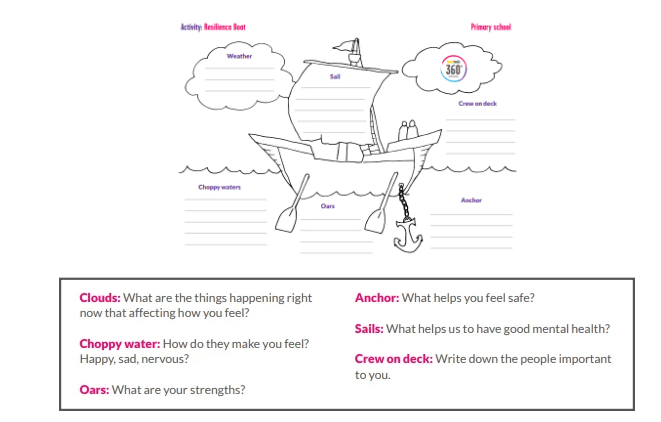
The Resiliency Boat exercise is a powerful tool for individuals to visualize and strengthen their ability to cope with life’s challenges. This creative and engaging activity helps participants identify their support systems, personal strengths, and areas for growth.

How It Works

The exercise begins with participants drawing a boat, representing themselves navigating life’s ups and downs. Each part of the boat and its surroundings symbolizes different aspects of resilience:

Choppy Waters

Participants identify current challenges or stressors they’re facing. These might include work pressures, relationship issues, or health concerns[1].

Oars

These represent personal strengths that help navigate difficult times. Participants list qualities like determination, adaptability, or problem-solving skills[1].

Anchor

This symbolizes the support system that provides stability. Participants note people, resources, or activities that ground them during tough times[1].

Sails

The sails represent self-care strategies that promote mental health and well-being. These might include exercise, meditation, or creative pursuits[1].

Crew on Deck

This section is for listing key individuals who provide support and encouragement[1].

Benefits of the Exercise

The Resiliency Boat exercise offers several advantages:

  1. Visual Representation: It provides a tangible, visual way to understand one’s resilience factors.
  2. Self-Awareness: Participants gain insight into their coping mechanisms and support systems.
  3. Identifying Gaps: The exercise helps highlight areas where additional support or skills might be needed.
  4. Positive Focus: Emphasizing strengths and supports fosters a positive mindset towards challenges.
  5. Group Discussion: In a group setting, it promotes sharing and learning from others’ experiences.

Conducting the Exercise

To conduct the Resiliency Boat exercise:

  1. Provide participants with paper and drawing materials.
  2. Explain the symbolism of each boat part.
  3. Allow time for reflection and drawing.
  4. Encourage participants to share their boats with the group, if comfortable.
  5. Facilitate a discussion about common themes and insights gained.

Enhancing Resilience

The Resiliency Boat exercise underscores that resilience is not a fixed trait but a skill that can be developed. By regularly reflecting on and strengthening the elements represented in their boat, individuals can enhance their ability to navigate life’s challenges[2].

Remember, building resilience is an ongoing process. Just as a real boat needs regular maintenance, our resilience requires continuous attention and care. By using tools like the Resiliency Boat exercise, we can better understand our strengths, support systems, and areas for growth, ultimately becoming more equipped to handle life’s storms.

Citations:
[1] https://whenyoumakeithappen.com/learning-to-float-and-tame-the-storms-about-building-resilience/
[2] https://cartus.com/en/insights/blog/what-floats-your-boat-how-develop-resilience-while-international-assignment/
[3] https://info.sailingvirgins.com/blog/resilience-at-sea-how-sailing-adventures-foster-mental-toughness-in-professionals
[4] https://www.youngminds.org.uk/media/4mhjvqu1/resilience-boat.pdf
[5] https://commonslibrary.org/leaderful-organizing-tool-resilience-trees/
[6] https://positivepsychology.com/resilience-counseling/
[7] https://www.youtube.com/watch?v=ECaxX-jJQUU
[8] https://nathanbweller.com/tree-life-simple-exercise-reclaiming-identity-direction-life-story/

The Four Stages of Competence and Personal Growth

The Four Stages of Competence model, developed by Martin M. Broadwell in 1969, provides a framework for understanding the process of acquiring new skills or knowledge. This model can be applied not only to learning specific tasks but also to personal growth and transformation after traumatic experiences.

Stage 1: Unconscious Incompetence

In this initial stage, an individual is unaware of their lack of knowledge or skill in a particular area. They are oblivious to their incompetence and may even overestimate their abilities.[2] In the context of personal growth, this stage represents a state of unawareness or denial about the need for change or self-improvement.

Stage 2: Conscious Incompetence

At this stage, the individual becomes aware of their deficiencies and recognizes the gap between their current state and the desired level of competence.[2] This realization can be uncomfortable and even painful, as it challenges one’s self-perception and confidence. In the realm of personal growth, this stage often follows a traumatic event or crisis that forces an individual to confront their limitations or unhealthy patterns.

Stage 3: Conscious Competence

In this stage, the individual actively engages in learning and practicing the new skill or knowledge. They are consciously aware of their progress and the effort required to improve.[3] Regarding personal growth, this stage involves actively working on self-improvement, seeking support, and implementing new strategies or behaviors to overcome challenges and develop healthier coping mechanisms.

Stage 4: Unconscious Competence

At this final stage, the individual has mastered the skill or knowledge to the point where it becomes second nature, requiring little conscious effort.[1] In the context of personal growth, this stage represents a state of integration and embodiment of the positive changes, where the new behaviors or mindsets have become ingrained and automatic.

The Four Stages of Competence model can be particularly relevant in the context of post-traumatic growth, which refers to the positive psychological changes that can occur after experiencing a traumatic event or adversity.[4] The process of post-traumatic growth often involves moving through these stages:

  1. Initially, individuals may be in a state of unconscious incompetence, unaware of the need for personal growth or change (Stage 1).
  2. The traumatic event or crisis forces them to confront their limitations, vulnerabilities, or unhealthy coping mechanisms, leading to conscious incompetence (Stage 2).
  3. Through therapy, self-reflection, and active efforts, individuals work on developing new perspectives, skills, and behaviors, entering the conscious competence stage (Stage 3).
  4. Over time, the positive changes become integrated and automatic, leading to unconscious competence and a sense of personal growth and resilience (Stage 4).

By understanding the Four Stages of Competence, individuals can better navigate the process of personal growth and post-traumatic transformation. It provides a framework for recognizing and embracing the discomfort of conscious incompetence as a necessary step towards growth, and it offers a roadmap for the journey towards embodying positive changes and achieving a sense of mastery over one’s life.[1][3]

Citations:
[1] https://www.mentaltoughness.partners/stages-of-competence/
[2] https://blog.hptbydts.com/in-a-nutshell-four-stages-of-competence
[3] https://scottjeffrey.com/four-stages-of-learning/
[4] https://www.businessballs.com/self-awareness/conscious-competence-learning-model/
[5] https://themindcollection.com/four-stages-of-competence/

The Power of Momentum: Achieving Change Through Consistent Effort

When it comes to creating lasting change, motivation alone is often not enough. While motivation provides the initial spark and desire to take action, it’s momentum that truly propels us towards our goals through small, consistent efforts over time.[2]

Motivation is a fleeting state, fueled by willpower and mental strength. It can be challenging to sustain, especially for those dealing with trauma, stress, or other significant life challenges. Relying solely on motivation can lead to a cycle of starting strong but losing steam, leaving us feeling discouraged and unable to make meaningful progress.[3]

On the other hand, momentum is the force that keeps us moving forward, even when motivation wanes. It’s the habit of taking active steps, day after day, towards our desired outcome. Momentum doesn’t require the same level of mental fortitude as motivation; instead, it relies on the power of consistency and the compounding effect of small, incremental actions.[1]

Building Momentum: A Sustainable Path to Change

Creating momentum is about establishing routines and habits that align with your goals. By breaking down larger objectives into manageable tasks and incorporating them into your daily routine, you eliminate the need for constant motivation. These small, consistent efforts gradually build upon each other, creating a sense of forward motion and progress.[2]

Small, consistent efforts over time will result in the momentum needed to see real change!”

One effective strategy for building momentum is to start with a single, achievable task and focus on making it a habit. Once that task becomes second nature, you can then introduce another small step, and so on. This approach allows you to build momentum gradually, without overwhelming yourself or relying too heavily on willpower.[3]

For example, if your goal is to improve your physical health, you could start by committing to a daily 10-minute walk. Once that becomes a habit, you could add a simple strength training routine or make a dietary change. Each small step reinforces the previous one, creating a snowball effect of positive change.

The Role of Momentum in Trauma and Stress Recovery

For individuals who have experienced trauma or are under significant stress, relying on motivation alone can be particularly challenging. Trauma and stress can deplete mental and emotional resources, making it difficult to summon the willpower required for sustained motivation.[4]

In these situations, building momentum through small, consistent actions can be a more accessible and sustainable approach to recovery and growth. By focusing on manageable tasks and establishing routines, individuals can gradually regain a sense of control and progress, without the added pressure of relying solely on motivation.

For example, someone recovering from trauma might start by committing to a daily journaling practice or a brief mindfulness exercise. As these small habits become ingrained, they can serve as a foundation for introducing additional coping strategies or therapeutic interventions.

Embracing the Power of Momentum

While motivation can provide an initial burst of energy and inspiration, true and lasting change often requires the sustained effort that comes from building momentum. By breaking down goals into manageable steps and consistently taking action, we can create a powerful force that propels us forward, even when motivation falters.

Embracing the power of momentum allows us to approach change in a more sustainable and accessible way, particularly for those facing significant life challenges. It’s a reminder that progress doesn’t require grand gestures or superhuman willpower; instead, it’s the culmination of small, consistent efforts that ultimately lead to transformative change.

———

Motivation’s wildfire blazes bright
Spurring heroic acts of might

But flames demand endless stoking
When willpower wanes, fire’s choking

Momentum whispers: “I’ll carry you through”
Asking little, just one step will do

One small action, then another
Mighty rivers, they will follow

Motivation craves grand feats
Momentum nurtures humble seeds

When trauma weighs heavy
Let momentum’s gentle flow
One breath, one step
The way ahead will show

Embrace motivation’s wildfire zeal
But tend momentum’s coals that glow

The small things, steadily unfurled
Change your world

——-

Citations:
[1] https://www.team3xt.com/blog/motivation-vs-momentum/
[2] https://barbstone.me/motivation-vs-momentum/
[3] https://camillemartinrd.com/why-momentum-matters-more-than-motivation-and-how-to-get-it/
[4] https://www.princetonhcs.org/care-services/princeton-house-behavioral-health/news-events/newsletters/winter-2019/motivational-interviewing-creating-momentum-for-change
[5] https://www.linkedin.com/pulse/truth-change-motivation-momentum-haley-gallant

Unlocking Inner Healing: The Role of Procedural Memory in Trauma Recovery

Trauma leaves an indelible mark on our minds and bodies. Whether it’s a single distressing event or prolonged exposure to adverse circumstances, trauma can disrupt our sense of safety, trust, and well-being. As mental health practitioners, we strive to guide individuals toward healing and resilience. One powerful ally in this journey is procedural memory.

What Is Procedural Memory?

Procedural memory is a type of implicit memory—meaning it operates unconsciously. It involves the memory of how to do certain things. Think of it as the mental blueprint for tasks we’ve learned over time. Riding a bike, tying shoelaces, cooking an omelet without a recipe—these are all examples of procedural memories.

Why Is Procedural Memory Relevant in Trauma Recovery?

  1. Implicit Learning and Skills:
  • Trauma survivors often struggle with conscious memories related to their traumatic experiences (declarative memory). However, procedural memory remains relatively intact.
  • Psychologists can leverage this by focusing on activities that engage procedural memory. Engaging in repetitive, rhythmic, or sensory experiences can help regulate emotions and create a sense of safety.
  1. Mind-Body Connection:
  • Trauma affects both the mind and body. Procedural memory links physical sensations and emotional states.
  • Psychologists can guide clients to notice bodily sensations during therapy. By paying attention to these cues, clients can process trauma more effectively.
  1. Mindfulness and Presence:
  • Practices like mindfulness enhance procedural memory.
  • Psychologists can teach trauma survivors mindfulness techniques to regulate emotions, reduce anxiety, and stay grounded.
  • Mindfulness helps clients access their present-moment experiences, aiding in trauma processing.
  1. Completing Traumatic Memory Processing:
  • Trauma memories are often fragmented and incomplete due to dissociation (a protective mechanism).
  • Procedural memory can help fill in gaps. By engaging in activities that evoke procedural memory (e.g., drawing, dancing, playing music), clients access implicit aspects of their trauma.
  • This completeness contributes to healing and resolution.
  1. Integration of Multiple Approaches:
  • Complex trauma requires an integrative approach.
  • Psychologists combine evidence-based techniques, including mindfulness, somatic experiencing, and cognitive-behavioral strategies.
  • Procedural memory allows for a holistic treatment approach, addressing both cognitive and somatic aspects of trauma.

Practical Applications

  1. Art Therapy: Engaging in creative activities (painting, sculpting, writing) taps into procedural memory. It provides an avenue for expression and healing.
  2. Movement-Based Therapies: Yoga, dance, and tai chi activate procedural memory. These practices promote relaxation, embodiment, and emotional regulation.
  3. Breathing Exercises: Focusing on breath patterns engages procedural memory. Deep, rhythmic breathing calms the nervous system.
  4. Grounding Techniques: Sensory grounding (touching objects, feeling textures) connects clients to the present moment.

Conclusion

As mental health professionals, we honor the resilience within each person. Procedural memory, with its implicit wisdom, guides us toward inner healing. By integrating it into trauma therapy, we empower survivors to reclaim their lives—one procedural step at a time. 🌟🧠

Remember, healing is a journey, and every small step matters. Let’s walk alongside our clients, fostering hope and transformation. 💙

Disclaimer: This article provides general information and is not a substitute for professional advice. Consult a qualified therapist for personalized guidance.


References:

  1. Schacter, D. L., & Tulving, E. (Eds.). (1994). Memory systems 1994. MIT Press.
  2. van der Kolk, B. A. (2014). The body keeps the score: Brain, mind, and body in the healing of trauma. Penguin.

Navigating Relation-Based Self-Esteem (RBSE): A Journey to Inner Healing

Understanding the Impact of Contingent Self-Esteem

Relation-Based Self-Esteem (RBSE), a lesser-known aspect of self-worth, can significantly influence our emotional well-being and relationships. Unlike Competence-Based Self-Esteem (CBSE), which stems from personal achievements and abilities, RBSE hinges on external validation and emotional connections. Let’s delve into this topic, explore a relatable example, and discover resources for healing.

What Is RBSE?

RBSE develops from early experiences of emotional deprivation or rejection. Imagine growing up feeling unloved or unworthy due to strained relationships with parents or caregivers. As a result, individuals with RBSE seek affirmation and validation primarily through close relationships. Their self-worth becomes contingent upon external factors—whether they feel loved, accepted, or valued by others.

The Struggle: An Example

Meet Maya, a 30-year-old marketing professional. Maya’s RBSE journey began during her childhood. Her parents were emotionally distant, rarely expressing affection. Maya internalized this lack of warmth, believing she was unlovable. As an adult, she craved validation from her romantic partners, friends, and colleagues. Her happiness fluctuated based on their approval or disapproval.

Maya’s RBSE manifested in several ways:

  1. Fear of Rejection: Maya avoided taking risks or asserting herself. She feared rejection and often stayed in unfulfilling relationships to maintain a sense of worth.
  2. People-Pleasing: She bent over backward to please others, sacrificing her own needs. Maya’s self-worth depended on making everyone else happy.
  3. Emotional Rollercoaster: Maya’s mood swung dramatically based on external feedback. A compliment elevated her, while criticism shattered her confidence.

Healing Strategies

If you resonate with Maya’s struggle, consider these healing strategies:

  1. Self-Reflection and Awareness:
  • Acknowledge your RBSE patterns. When do you seek external validation? How does it impact your emotions and choices?
  1. Challenge Negative Beliefs:
  • Identify thoughts like “I’m only valuable if others approve” or “I’m unlovable.” Question their validity.
  1. Intrinsic Self-Worth:
  • Shift focus from external validation to internal acceptance. Explore your strengths, values, and achievements beyond relationships.
  1. Healthy Boundaries:
  • Learn to say no. Prioritize your well-being without fearing rejection.
  • Treat yourself kindly—just as you would a friend.
  1. Diversify Validation Sources:
  • Seek validation from hobbies, personal growth, and achievements.
  • Build a support network that appreciates you beyond relational roles.

Resources for Healing

  1. Books:
  • The Gifts of Imperfection by Brené Brown: A powerful exploration of self-worth, vulnerability, and authenticity.
  • Attached by Amir Levine and Rachel Heller: Understand attachment styles and their impact on relationships.
  1. Therapy:
  • Consider individual or group therapy. Cognitive Behavioral Therapy (CBT) can help restructure RBSE-related thoughts.
  1. Mindfulness Practices:
  • Meditation, yoga, and grounding techniques foster self-awareness and inner peace.
  1. Support Groups:
  • Connect with others who share similar struggles. You’re not alone.

RBSE isn’t insurmountable. By nurturing intrinsic self-worth, setting boundaries, and seeking professional guidance, you can embark on a transformative journey toward healing. Remember, you are worthy—simply because you exist.

Maya’s story is fictional, but the struggle is real. Get help today by contacting Ron Huxley.


.

Embracing Post-Traumatic Growth: A Guide for Adoptive Families

Adopting a child is a journey filled with love, hope, and challenges. For adoptive families, the road to building a strong and resilient family unit may involve navigating various emotional terrains. One concept that has gained recognition in recent years is “post-traumatic growth” (PTG). This transformative process, arising from adversity, can be a powerful tool for adoptive families seeking to foster connection, resilience, and personal growth.

Understanding Post-Traumatic Growth:
Post-traumatic growth refers to the positive psychological changes that individuals or families can experience in the aftermath of a challenging or traumatic event. Rather than being overwhelmed by difficulties, individuals may find new strengths, perspectives, and a deeper appreciation for life.

Adoptive families often encounter unique challenges, including the complexities of attachment, identity, and the potential for past traumas in a child’s life. By understanding the principles of post-traumatic growth, adoptive families can harness these challenges as opportunities for personal and collective development.

The Five Domains of Post-Traumatic Growth:

  1. Personal Strength:
    Adoptive families can cultivate personal strength by acknowledging and embracing their vulnerabilities. This involves recognizing the resilience they’ve developed in navigating the adoption process and overcoming obstacles. Fostering a sense of self-efficacy can empower family members to face future challenges with confidence.
  2. Appreciation of Life:
    Embracing gratitude for the joys and positive aspects of life can be a transformative practice for adoptive families. Celebrating milestones, small victories, and the everyday moments of connection can create a foundation of positivity within the family.
  3. Relationships:
    Nurturing healthy connections within the family and beyond is crucial for post-traumatic growth. Adoptive families may find strength in open communication, empathy, and a shared commitment to overcoming challenges. Strong support systems, whether through friends, family, or support groups, can enhance the family’s ability to grow together.
  4. New Possibilities:
    The adoption journey opens doors to new possibilities, both for the child and the family. Recognizing and exploring these opportunities, whether through education, hobbies, or cultural exploration, can contribute to the family’s collective growth.
  5. Spiritual or Existential Growth:
    Reflecting on the deeper meaning and purpose of the adoption journey can lead to spiritual or existential growth. This may involve exploring one’s beliefs, values, and the profound impact of building a family through adoption.

Practical Strategies for Adoptive Families:

  1. Promote Open Communication:
    Encourage family members to express their thoughts and feelings openly. Establishing a safe space for communication fosters understanding and strengthens familial bonds.
  2. Seek Professional Support:
    Utilize the expertise of adoption professionals, therapists, and support groups to navigate challenges. Professional guidance can offer insights, coping strategies, and reassurance during difficult times.
  3. Embrace the Journey:
    Recognize that the adoption journey is ongoing, and growth is a continuous process. Embrace the ups and downs, understanding that challenges can be opportunities for learning and development.
  4. Celebrate Milestones:
    Acknowledge and celebrate the achievements and milestones within the family. Recognizing progress, no matter how small reinforces a positive outlook and strengthens the family’s sense of accomplishment.


Post-traumatic growth is a powerful framework for adoptive families seeking to transform challenges into opportunities for personal and collective development. By fostering personal strength, appreciating life, nurturing relationships, exploring new possibilities, and embracing spiritual growth, adoptive families can build resilience and create a supportive environment for their children. The adoption journey is a unique and transformative experience, and with a mindset of post-traumatic growth, families can navigate it with strength, grace, and a deep sense of connection.

When Your Children Are Hurt By Other Children

As parents, it can be difficult to see our children experience hurt feelings, especially when it comes from their friendships. Whether it’s a disagreement with a friend, feeling left out, or experiencing betrayal, children can be deeply affected by these emotional challenges. However, there are several ways parents can support their children through these difficult times and help them healthily navigate their emotions.

1. Encourage open communication:

  • Create a safe and welcoming environment for your child to express their feelings. Let them know that it’s okay to feel hurt and that you are there to listen without judgment.

2. Validate their feelings:

  • Acknowledge and validate your child’s emotions. Let them know that it’s normal to feel hurt and that their feelings are important.

3. Offer empathy and understanding:

  • Show empathy by putting yourself in your child’s shoes and understanding the situation from their perspective. This can help your child feel heard and supported.

4. Help them identify their emotions:

  • Guide your child in identifying and understanding their emotions. Encourage them to express how they feel and help them label their emotions, such as sadness, anger, or disappointment.

5. Teach problem-solving skills:

  • Help your child brainstorm possible solutions to the situation that caused their hurt feelings. Encourage them to think of ways to resolve the issue or improve the friendship.

6. Foster resiliency:

  • Teach your child that experiencing setbacks in friendships is a normal part of life and that they have the strength to bounce back from these challenges. Encourage them to see the situation as an opportunity for growth.

7. Encourage healthy coping mechanisms:

  • Guide your child in using healthy coping strategies, such as engaging in enjoyable activities, spending time with supportive friends, or practicing mindfulness and relaxation techniques.

8. Role model healthy communication and conflict resolution:

  • Demonstrate positive communication and conflict resolution skills in your own interactions. Children often learn by example, and seeing healthy conflict management at home can have a positive impact on their own behavior.

9. Support their social skills development:

  • Help your child develop their social skills by teaching them about empathy, active listening, and the importance of respecting others’ feelings and boundaries.

10. Seek professional help if needed:

  • If your child’s hurt feelings persist or significantly impact their well-being, consider seeking the help of a mental health professional who specializes in working with children.

By providing a supportive and nurturing environment, parents can play a crucial role in helping their children navigate the complex terrain of friendships and hurt feelings. Through open communication, empathy, and guidance, parents can empower their children to develop resilience and healthy coping skills, ultimately helping them build strong and fulfilling relationships in the future. Remember that every child is unique, and it’s important to tailor your approach to your child’s individual needs and temperament.

Let’s make 2024 The Year for Self-Care

Welcome to The Year For Self-Care

Embrace a transformative journey of self-discovery and well-being. This year, prioritize yourself with our comprehensive self-care resources and guidance. From mindfulness practices to nurturing self-compassion, we’re here to support you every step of the way. You can get free and low-cost tools for building resiliency and self-care at FamilyHealer.tv

What We Offer:

  • Guided Self-Care Practices: Access a wealth of resources, from meditation techniques to stress-relief strategies, designed to nurture your mind, body, and spirit.
  • Community Support: Connect with like-minded individuals and share your journey towards holistic well-being. Join a community of individuals committed to self-care and personal growth.
  • Expert Insights: Benefit from expert advice and insights on self-care, mental health, and creating a balanced lifestyle. Gain valuable knowledge to enhance your self-care journey.

Become a More Resilient Individual:

In a world where resilience is tested and challenges abound, 2024 beckons as the Year for Self-Care, especially for those who have weathered the storms of adversity. This year, let us champion the art of self-care as a beacon of hope and healing, a sanctuary for the soul. It’s a call to nurture our well-being and fortify our spirits, embracing moments of tranquility amidst life’s turbulence.

For individuals who have faced adversity, 2024 offers a profound opportunity to prioritize self-care, mend the spirit, and cultivate inner strength. Let this year be a testament to the power of self-compassion, a time to tend to our emotional landscapes with gentleness and grace. As we embark on this journey of self-care, may we discover the resilience that thrives within us, emerging from adversity with renewed vitality and a profound sense of well-being.

Amidst the ebb and flow of life, 2024 invites us to champion our own self-care, to cultivate a garden of inner peace and fortitude. Let this be the year where self-care becomes a cornerstone, a guiding light through the labyrinth of adversity, illuminating the path toward healing and empowerment.

Prioritizing Parental Self-Care:

Amid the beautiful chaos of parenting, parents must prioritize their well-being. This year, we invite you to embark on a journey of self-care tailored to the unique needs of parents. From nurturing your mental resilience to finding moments of tranquility, we’re here to support you every step of the way.

Why Parental Self-Care Matters:

  • Nurturing Resilience: By prioritizing self-care, parents can build the mental and emotional resilience needed to navigate the joys and challenges of parenthood.
  • Setting an Example: When parents practice self-care, they demonstrate to their children the importance of taking care of oneself, fostering a culture of well-being within the family.
  • Recharging for Better Parenting: Taking time for self-care allows parents to recharge, leading to increased patience, empathy, and overall well-being, which positively impacts their parenting.

Join Us in Prioritizing Self-Care:

Make this the year you invest in yourself. Experience the profound impact of self-care on your life and well-being. It’s time to nurture yourself and embark on a fulfilling path towards personal wellness.