The Blame Game: Is It Destroying Your Relationships?
The blame and shame game will destroy your relationships. You can break free from toxic interactions and find a new way to interact that builds trust and intimacy.

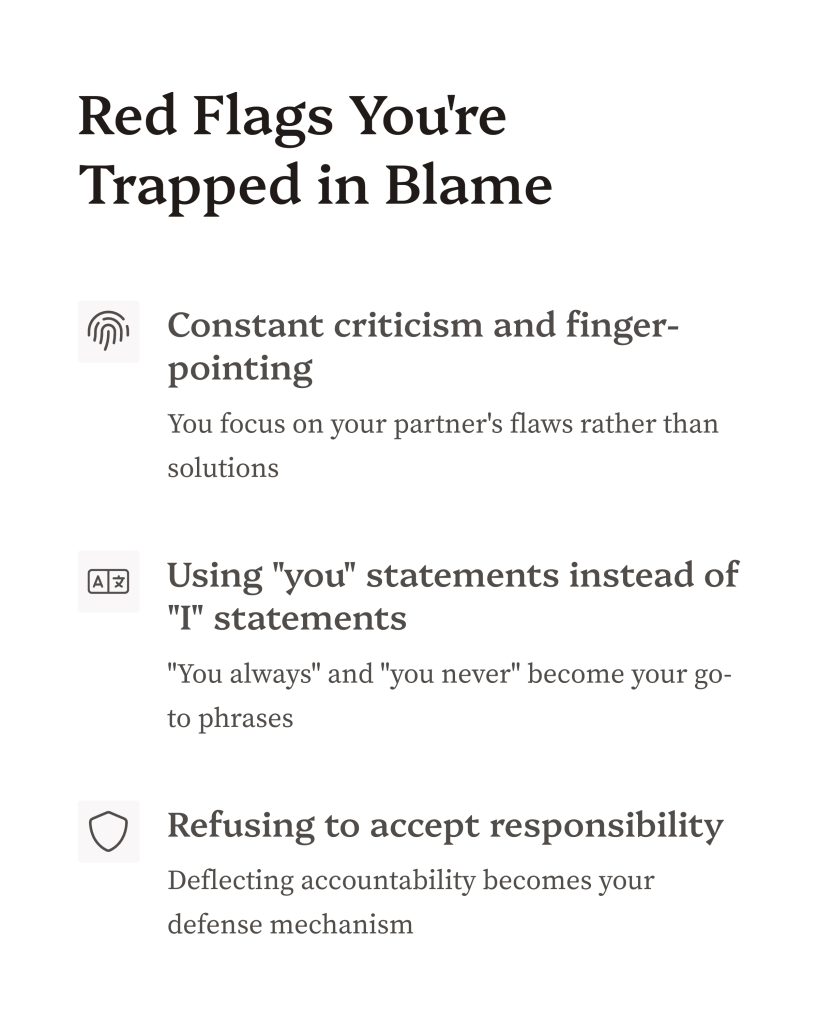


The blame and shame game will destroy your relationships. You can break free from toxic interactions and find a new way to interact that builds trust and intimacy.
Parenting is a challenging yet rewarding journey filled with moments of joy and times of stress and anxiety. While not every moment will be easy, there are ways to cope with the challenges and focus on the joys inherent in raising a child.
By acknowledging the challenges, finding support, and celebrating the joys, you can navigate the ups and downs of parenting and create a more fulfilling experience for yourself and your child. Remember, while this advice may be helpful, seeking professional guidance when dealing with specific traumas or stressors in your family is essential. This information is not from the provided source; you may want to verify it independently.
Marriage is a partnership that requires ongoing effort from both parties. However, one spouse may sometimes be reluctant to put in the work needed to improve or maintain the relationship. Whether you’re a husband or wife facing this challenge, there are strategies you can employ to encourage your partner to invest in your marriage.
Before diving into solutions, it’s essential to understand why a spouse might resist working on the marriage. Dr. John Gottman, a renowned relationship expert, notes that resistance often stems from:
Recognizing these underlying factors can help you approach the situation with empathy and patience.
Dr. Sue Johnson, developer of Emotionally Focused Therapy, emphasizes the power of modeling desired behavior. Start by working on yourself and demonstrating the positive changes you want to see in your relationship.
Example: Sarah noticed her husband Tom was distant and uninterested in date nights. Instead of pushing him, she focused on her personal growth and started planning enjoyable activities. Tom became curious about her positive attitude and began showing interest in joining her.
Clear, non-confrontational communication is critical. Dr. Gary Chapman, author of “The 5 Love Languages,” suggests:
Example: Instead of saying, “You never want to talk about our problems,” try, “I feel disconnected when we don’t discuss our relationship. Can we set aside some time to talk?”
Dr. Harriet Lerner, author of “The Dance of Connection,” stresses the importance of creating a safe space for vulnerability. This means:
Example: When Mike finally opened up about his insecurities in the marriage, his wife Lisa thanked him for his honesty and reassured him of her commitment to working things out together.
Sometimes, an outside perspective can make a significant difference. Dr. John Gottman recommends couples therapy as a way to:
Example: After months of tension, Maria suggested couples counseling to her reluctant husband, Carlos. She framed it as a way to improve their communication skills rather than “fixing” their marriage, which helped Carlos feel more open to the idea.
Dr. Shelly Gable’s research on active-constructive responding shows the power of positive reinforcement. Celebrate small wins and improvements in your relationship.
Example: When David started helping more around the house, his wife Emma expressed her appreciation and enthusiastically encouraged him to continue his efforts.
If your spouse remains resistant despite your efforts, it’s essential to:
Remember, you can’t force someone to change, but you can create an environment that encourages growth and connection.
Encouraging a reluctant spouse to work on your marriage requires patience, understanding, and consistent effort. By focusing on your growth, improving communication, and creating a safe environment for vulnerability, you increase the chances of your partner joining you to strengthen your relationship. Remember that every marriage is unique; what works for one couple may not work for another. Be willing to adapt your approach and seek professional help when needed.
Trust is the bedrock of any healthy relationship but can be fragile and easily damaged. Couples may find their trust eroding for various reasons, ranging from major betrayals like infidelity to more subtle issues such as repeated broken promises, lack of emotional support, or poor communication. Financial dishonesty, addiction problems, constant criticism, and neglecting the relationship can also contribute to a breakdown of trust. Sometimes, unresolved past traumas or personal insecurities can manifest as jealousy or possessiveness, further straining the bond between partners.
When trust is broken, rebuilding can seem daunting, but it’s far from impossible. Couples in this challenging situation can take heart in knowing there are effective strategies to repair their relationship and restore trust. By employing a combination of open communication, commitment to change, and willingness to forgive, partners can begin the journey of healing. The following twelve tools offer a comprehensive approach to relationship repair, addressing various aspects of trust-building and emotional reconnection. When applied consistently and with genuine effort from both parties, these strategies can help couples navigate the difficult terrain of rebuilding trust and emerge with a stronger, more resilient relationship.
Here are some key strategies that can help a couple rebuild trust after past trauma:
By implementing these strategies and committing to the process, couples can work towards rebuilding trust and creating a stronger, more resilient relationship after past trauma.
Citations:
[1] https://www.verywellmind.com/rebuild-trust-in-your-marriage-2300999
[2] https://www.gottman.com/blog/reviving-trust-after-an-affair/
[3] https://lanaisaacson.com/how-to-build-rebuild-trust-and-heal-from-betrayal/
[4] https://www.choosingtherapy.com/how-to-rebuild-trust/
[5] https://www.healthline.com/health/how-to-rebuild-trust
Take a free course on rebuilding relationships at FamilyHealer.tv. Contact Ron today if you want to schedule an online session for one-on-one healing skills; go to RonHuxley.com to set up a time and day…
Ever felt like someone was just getting in the way of your day? Maybe a coworker stopped by your desk when you were deep in thought, or a stranger asked for directions when you were in a rush. What if, instead of seeing these moments as interruptions, we saw them as opportunities? What if every unexpected encounter was a chance to connect and grow?
Father Gregory Boyle, the inspiring founder of Homeboy Industries, has a refreshing take on this. He believes in radical inclusivity and compassion, and his perspective can totally change how we view those “interruptions.”
Boyle says, “We’ve mistaken moral outrage for moral compass. Moral compass helps you see with clarity how complex and damaged people are. It is the whole language. Moral outrage just increases the volume and the distance that separates us.” In other words, instead of getting annoyed or judgmental, we should try to understand and connect with the people we meet, no matter how unexpected the encounter.
So, what is radical inclusivity? It’s about welcoming everyone, no matter who they are or where they come from. Boyle puts it simply: “There is no us and them, just us.” This means breaking down our biases and seeing the value in every person we meet.
And what about radical compassion? It’s more than just being nice. It’s about deeply empathizing with others and being willing to engage with them, especially those who are struggling. Boyle says, “You’re not going out to the margins to reach people; you’re going out to the margins to be reached.” This flips the script, turning interruptions into meaningful moments of connection.
At Homeboy Industries, Boyle’s philosophy comes to life. The organization offers a safe haven for former gang members, helping them find security and opportunities for growth. Boyle explains, “Here we say that they find this sanctuary here, then they become the sanctuary they sought in the first place, and then they go home and provide that sanctuary to their kids.” This cycle of compassion and inclusivity can break down barriers and create lasting change.
So, how can we bring this into our own lives? Here are a few ideas:
In the end, radical inclusivity and compassion can transform our daily interactions and help us build a more empathetic society. So next time someone “interrupts” you, take a moment to connect. You might just find that these unexpected encounters are the most rewarding parts of your day. After all, as Boyle says, we all “belong to each other.” Let’s make sure no one is left out.
Life’s journey is often marked by unexpected twists and turns, presenting us with challenges that can test our resilience and inner strength. In the face of adversity, many individuals and couples turn to faith as a source of solace, guidance, and empowerment. Experts across various fields have recognized the profound impact that faith can have on our ability to navigate life’s difficulties with grace and fortitude.
“Faith is the bird that feels the light when the dawn is still dark,” said Rabindranath Tagore, the renowned poet and philosopher. This sentiment resonates deeply, as faith can provide a glimmer of hope and clarity even in the darkest of times, illuminating the path forward.
Dr. Kendra Cherry, a renowned psychologist, emphasizes the role of faith in fostering resilience: “Faith can serve as a powerful coping mechanism, offering individuals a sense of purpose and meaning, even in the midst of adversity. It can provide a framework for understanding and accepting life’s challenges, enabling them to persevere with greater strength and determination.”
For couples facing shared struggles, faith can be a unifying force, strengthening their bond and enabling them to support one another through difficult times. “Faith has the power to bring couples together, fostering a deeper emotional connection and shared understanding,” explains Dr. John Gottman, a renowned relationship expert. “It can provide a common language and set of values to navigate challenges as a team, reinforcing their commitment to one another.”
Faith can also play a crucial role in promoting mental and emotional well-being. “Spiritual practices, such as prayer, meditation, or contemplation, can have a calming effect on the mind and body,” says Dr. Lisa Miller, a professor of psychology and education at Columbia University. “These practices can help individuals and couples find inner peace, reduce stress and anxiety, and cultivate a sense of gratitude and acceptance, even in the face of adversity.”
Moreover, faith-based communities often provide a supportive network, offering practical assistance, emotional support, and a sense of belonging. “Being part of a faith community can be a powerful source of strength,” notes Dr. Harold Koenig, a leading researcher in the field of spirituality and health. “It can provide a safe space for individuals and couples to share their experiences, receive encouragement, and access resources to help them navigate life’s challenges.”
While faith can manifest in various forms and traditions, its essence lies in the belief in something greater than oneself, a guiding force that transcends the physical realm. As Dr. Brené Brown, a renowned researcher and author, eloquently states, “Faith is a place of mystery, where we find the courage to believe in what we cannot see and the strength to let go of our fear of uncertainty.”
In the tapestry of life, faith can serve as a powerful thread, weaving together hope, resilience, and inner strength. Whether facing personal struggles, relationship challenges, or shared adversities, embracing faith can provide individuals and couples with a profound sense of purpose, guidance, and the fortitude to navigate life’s complexities with grace and courage.
Here is an exercise to help couples discuss and share their faith with each other:
Faith Sharing Exercise
The goal of this exercise is to create a safe, open space for you and your partner to share your personal faith journeys, beliefs, and spiritual practices with one another. It is an opportunity to deepen your understanding of each other’s spiritual selves and find ways to honor and support one another’s faith within your relationship.
Materials Needed:
Instructions:
Remember, this exercise is not about convincing or converting one another but rather about fostering a deeper understanding, respect, and appreciation for each other’s spiritual paths. Approach the exercise with an open mind, a compassionate heart, and a willingness to listen and learn from one another.
Strong personalities can present challenges in our interactions, particularly when they exhibit controlling behaviors that can impact our mental well-being. Recognizing signs of control and implementing coping strategies are essential for maintaining healthy relationships and boundaries.
By recognizing signs of control, setting boundaries, practicing effective communication, and seeking support when needed, you can manage interactions with controlling personalities to protect your well-being and foster healthier relationships. Remember, your mental health is essential, and prioritizing self-care in challenging situations is key to maintaining balance and resilience.
Relation-Based Self-Esteem (RBSE), a lesser-known aspect of self-worth, can significantly influence our emotional well-being and relationships. Unlike Competence-Based Self-Esteem (CBSE), which stems from personal achievements and abilities, RBSE hinges on external validation and emotional connections. Let’s delve into this topic, explore a relatable example, and discover resources for healing.
RBSE develops from early experiences of emotional deprivation or rejection. Imagine growing up feeling unloved or unworthy due to strained relationships with parents or caregivers. As a result, individuals with RBSE seek affirmation and validation primarily through close relationships. Their self-worth becomes contingent upon external factors—whether they feel loved, accepted, or valued by others.
Meet Maya, a 30-year-old marketing professional. Maya’s RBSE journey began during her childhood. Her parents were emotionally distant, rarely expressing affection. Maya internalized this lack of warmth, believing she was unlovable. As an adult, she craved validation from her romantic partners, friends, and colleagues. Her happiness fluctuated based on their approval or disapproval.
Maya’s RBSE manifested in several ways:
If you resonate with Maya’s struggle, consider these healing strategies:
RBSE isn’t insurmountable. By nurturing intrinsic self-worth, setting boundaries, and seeking professional guidance, you can embark on a transformative journey toward healing. Remember, you are worthy—simply because you exist.
Maya’s story is fictional, but the struggle is real. Get help today by contacting Ron Huxley.
.
Relationship Obsessive-Compulsive Disorder (ROCD) is a specific subtype of Obsessive-Compulsive Disorder (OCD) that revolves around intrusive, unwanted thoughts, doubts, and obsessions about romantic relationships. Individuals with ROCD experience intense anxiety and distress related to their relationships, leading to compulsive behaviors and rituals to alleviate their fears and doubts.
Key Features and Symptoms of ROCD:
Intrusive Thoughts: People with ROCD often have repetitive and distressing thoughts about their relationships. These thoughts may include doubts about their partner’s love, compatibility, or faithfulness.
Constant Reassurance-Seeking: Individuals with ROCD may constantly seek reassurance from their partner, friends, or family members to alleviate their doubts and anxieties. They may repeatedly ask for validation or seek confirmation of their partner’s feelings.
Comparisons: ROCD can lead to constant comparisons between their current and previous relationships or other couples. This habit of comparing can further fuel doubts and dissatisfaction.
Compulsive Behaviors: People with ROCD engage in repetitive behaviors or mental rituals to reduce anxiety. These behaviors may include checking their partner’s social media accounts, seeking constant validation, or avoiding situations that trigger their obsessions.
Emotional Distress: ROCD often causes significant emotional distress, anxiety, and depression. It can interfere with daily functioning and impact overall well-being.
Causes of ROCD:
The exact cause of ROCD is not fully understood, but several factors may contribute to its development:
Genetics: There may be a genetic predisposition for developing OCD and anxiety disorders, including ROCD. Specific genes are believed to play a role in developing these conditions.
Brain Chemistry: Imbalances in neurotransmitters, such as serotonin, dopamine, and glutamate, have been associated with OCD and anxiety disorders. These imbalances may contribute to the development of ROCD.
Environmental Factors: Stressful life events, traumatic experiences, or relationship difficulties can trigger or exacerbate ROCD symptoms. These factors may increase the likelihood of developing ROCD in individuals predisposed to anxiety disorders.
Cognitive Factors: ROCD is often driven by intrusive thoughts and cognitive distortions. Negative beliefs about relationships, low self-esteem, and a tendency to overanalyze or seek perfection in relationships may contribute to ROCD.
Learned Behavior: Some individuals may have learned specific relationship patterns or coping mechanisms from their family or early experiences, which can influence their perception of relationships and contribute to developing ROCD symptoms.
Treatment for ROCD:
Treatment for ROCD typically involves a combination of therapy and, in some cases, medication. Here are some common approaches:
Cognitive Behavioral Therapy (CBT): CBT is the most effective treatment for ROCD. It helps individuals identify and challenge their negative thought patterns, develop healthier beliefs about relationships, and learn new coping strategies to manage anxiety and obsessions.
Exposure and Response Prevention (ERP): ERP is a specific type of CBT that focuses on gradually exposing individuals to their fears and anxieties related to their relationships. Individuals can learn to tolerate the discomfort and reduce their anxiety over time by resisting the urge to engage in compulsive behaviors.
Mindfulness-Based Therapies: Techniques such as mindfulness meditation can help individuals with ROCD become more aware of their thoughts and emotions without judgment. This can aid in reducing reactivity to intrusive thoughts and managing anxiety.
Medication: In some cases, medication like selective serotonin reuptake inhibitors (SSRIs) may be prescribed to help manage the symptoms of ROCD. Medication is typically used in conjunction with therapy.
It’s essential for individuals with ROCD to seek professional help from a mental health provider experienced in treating OCD or anxiety disorders. They can provide a personalized treatment plan based on the individual’s needs and severity of symptoms.
In conclusion, Relationship Obsessive-Compulsive Disorder (ROCD) is a challenging condition that can significantly impact individuals’ romantic relationships and overall well-being. Understanding the symptoms, causes, and available treatment options is crucial in managing ROCD and improving the quality of life for those affected by this disorder.
Life is an unpredictable journey filled with twists and turns, presenting us with a wide array of challenges and difficult situations. In such moments, the power of resilience becomes paramount. Resilience, the ability to bounce back from adversity, is not an innate trait but a skill that can be cultivated and nurtured. In this article, we will explore how we can draw inspiration from popular books, renowned authors, poets, and philosophers to develop a resilient mindset that empowers us to face life’s difficulties head-on.
Embracing the Power of Mindset:
One of the fundamental aspects of building resilience is adopting a growth mindset. In her book “Mindset: The New Psychology of Success,” Carol S. Dweck emphasizes the transformative potential of embracing a growth mindset. By understanding that challenges are opportunities for growth, we can shift our perspective and view difficult situations as stepping stones towards personal development.
Drawing Inspiration from Literature:
Throughout history, literature has been a source of solace and inspiration for individuals facing hardships. Authors like Viktor Frankl, in his work “Man’s Search for Meaning,” remind us that even in the darkest moments, we can find purpose and meaning. By seeking out stories of triumph over adversity, such as “The Alchemist” by Paulo Coelho or “The Odyssey” by Homer, we can glean wisdom and resilience from the journeys of fictional characters.
Wisdom from Philosophers and Poets:
The wisdom of philosophers and poets transcends time and provides us with timeless insights into resilience. Marcus Aurelius, in his “Meditations,” highlights the importance of accepting and adapting to circumstances beyond our control. The poet Maya Angelou, through her words, encourages us to rise above difficulties and discover our inner strength. “Still I Rise” serves as a testament to the power of resilience in the face of adversity.
Cultivating Self-Compassion:
In challenging times, self-compassion becomes a vital component of resilience. Kristen Neff, in her book “Self-Compassion: The Proven Power of Being Kind to Yourself,” emphasizes the importance of treating ourselves with kindness, especially when facing difficult situations. By practicing self-compassion, we create a nurturing inner environment that fosters resilience and self-growth.
Building Supportive Relationships:
Resilience is not a solitary endeavor. Building and maintaining healthy relationships can be a source of immense strength during tough times. Author Brené Brown, known for her work on vulnerability and courage, explores the power of connection in her book “Daring Greatly.” Surrounding ourselves with a network of supportive individuals who uplift and encourage us can significantly enhance our resilience.
Setting the right mindset for a specific situation or relationship can greatly contribute to positive outcomes. Here are some questions you can ask yourself to help establish a resilient mindset:
In the face of life’s challenges, resilience becomes the anchor that keeps us grounded. By cultivating a growth mindset, drawing inspiration from literature, embracing wisdom from philosophers and poets, practicing self-compassion, and nurturing supportive relationships, we fortify our resilience. As we navigate the ups and downs of life’s journey, let us remember that difficult situations are not insurmountable roadblocks but opportunities for growth and self-discovery. With the wisdom of renowned authors, poets, and philosophers as our guiding lights, we can cultivate an unwavering mindset that empowers us to face adversity with grace and resilience.
 Ron Huxley LMFT