
Page 10 of 11

A New Organization and a New Focus: Enabling Children and Families to Succeed

by Adam Pertman

Source: http://www.huffingtonpost.com/adam-pertman/a-new-organization-and-a-new-focus_b_6543152.html

Finding safe, permanent homes for children in foster care – usually through adoption when they cannot return to their families of origin – has become a federal mandate and a national priority during the past few decades. That’s obviously a very good thing, but there’s a too-little-discussed downside to this positive trend: Far too little attention is being paid to serving children after placement to ensure that they can grow up successfully in their new families and so that their parents can successfully raise them to adulthood.

Notice the use of the word “successfully” twice in the last paragraph. It’s the key. It’s also the founding principle of a new organization I’m proud to lead, the National Center on Adoption and Permanency (NCAP). Our mission is to move policy and practice in the U.S. beyond their current concentration on child placement to a model in which enabling families of all kinds to succeed – through education, training and support services – becomes the bottom-line objective.

Along with fellow NCAP team members, I’ll be writing more about our organization and its goals in subsequent commentaries. For now, please check out our website and know we are already at work around the country. Furthermore, I’m delighted to announce that we’re entering into an exciting new partnership designed to significantly enhance our efforts; it is with the American Institutes for Research, one of the world’s largest behavioral and social science research and evaluation organizations. In addition, we are partnering with the Chronicle for Social Change, which like NCAP is dedicated to improving the lives of children, youth and families. 

Because of the traumatic experiences most children in foster care have endured, a substantial proportion of them have ongoing adjustment issues, some of which can intensify as they age. And many if not most girls and boys being adopted from institutions in other countries today have had comparable experiences that pose risks for their healthy development. 

Preparing and supporting adoptive and guardianship families before and after placement not only helps to preserve and stabilize at-risk situations, but also offers children and families the best opportunity for success. Furthermore, such adoptions not only benefit children, but also result in reduced financial and social costs to child welfare systems, governments and communities. 

A continuum of Adoption Support and Preservation (ASAP) services is needed to address the informational, therapeutic and other needs of these children and their families. The overall body of adoption-related research is clear on this count: Those who receive such services show more positive results, and those with unmet service needs are linked with poorer outcomes.

(Next June, the first national conference in over a decade to focus on ASAP – which many in the child welfare community believe is the most important issue facing their field – will take place in Nashville, TN. NCAP is among the many sponsors; learn more about the event here.) 

Our nation has made a concerted effort to move children into adoption and other forms of permanency because, from research and experience, we understand their value for girls and boys who cannot remain in their original homes, a value rooted in the belief that all of them – of every age – need and deserve nurturing families to promote optimal development and emotional security throughout their lives. Indeed, while child welfare systems in many states are still experiencing a variety of problems, it’s also the case that a combination of federal funding and other resources has made a significant difference – that is, they have contributed to a huge increase in the number of children moving from insecurity into permanency over the last few decades, from about 211,000 in FY 1988-1997 (an average of 21,000 annually) to 524,496 in the 10-year period ending in FY2012 (over 52,000 annually).

Furthermore, an analysis conducted by the Donaldson Adoption Institute indicates that, as a nation, we have made some progress in developing ASAP services, particularly in 17 states rated as having “substantial” programs. At least 13 states, however, have almost no specialized ASAP programs, and even the most developed of them often serve only a segment of children with significant needs. For example, many of the specialized therapeutic services have limits in duration or frequency or serve only children with special needs adopted from foster care in their own states, and some serve only those at imminent risk of placement outside their homes. 

To enable families to succeed, ASAP services must become an integral, essential part of adoption. Just as the complex process of treating an ongoing health issue requires continuing care, as well as specialists who understand the complications that can arise and how to best address them, the adoption of a child with complex special needs requires specific services and trained professionals to address the challenges that arise over time. 

When families struggle to address the consequences of children’s early adversity, they should be able to receive – as a matter of course integral to the adoption process, and not as an “add-on” that can be subtracted – services that meet their needs and sustain them. Adoptive families, professionals, state and federal governments, and we as a society share an obligation to provide the necessary supports to truly achieve permanency, safety and well-being for the girls and boys whom we remove from their original homes. 

Given the profound changes that have taken place in the field today, especially the reality that most adoptions in the U.S. are of children from foster care with some level of special needs, permanency for them should focus on more than just sustaining their original families when possible or finding new ones when necessary. We must also provide the resources and supports that will allow them to – here’s that word again – succeed.

Get more information at http://www.nationalcenteronadoptionandpermanency.net
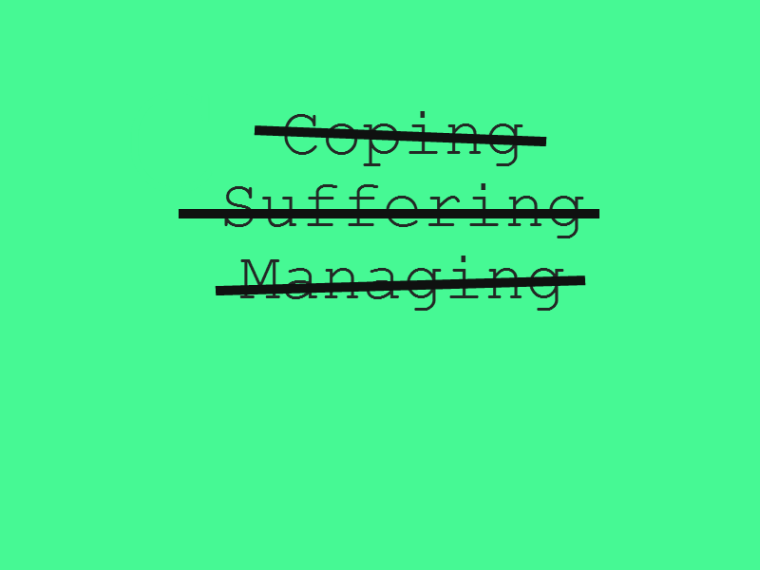
From the office of Ron Huxley, founder of the Parenting Toolbox…

“I don’t believe anymore in coping, suffering, or managing our pain. I believe in overcoming, restoring, and wholeness. It is time for traditional mental health to raise the bar on our expectations for ourselves and our families. No one wants to be a limping, functional person when they can be completely healthy and happy. I am currently on my own journey now, exploring how  to make this a reality. Contact me for more information and/or set up a consultation time to start the road to a real life." 

May is National Mental Health Month

image

image

Presidential Proclamation – National Mental Health Awareness Month, 2013

NATIONAL MENTAL HEALTH AWARENESS MONTH, 2013

– – – – – – –

BY THE PRESIDENT OF THE UNITED STATES OF AMERICA

A PROCLAMATION

Today, tens of millions of Americans are living with the burden of a mental health problem. They shoulder conditions like depression and anxiety, post-traumatic stress and bipolar disorder – debilitating illnesses that can strain every part of a person’s life. And even though help is out there, less than half of children and adults with diagnosable mental health problems receive treatment. During National Mental Health Awareness Month, we shine a light on these issues, stand with men and women in need, and redouble our efforts to address mental health problems in America.

For many, getting help starts with a conversation. People who believe they may be suffering from a mental health condition should talk about it with someone they trust and consult a health care provider. As a Nation, it is up to all of us to know the signs of mental health issues and lend a hand to those who are struggling. Shame and stigma too often leave people feeling like there is no place to turn. We need to make sure they know that asking for help is not a sign of weakness – it is a sign of strength. To find treatment services nearby, call 1-800-662-HELP. The National Suicide Prevention Lifeline offers immediate assistance for all Americans, including service members and veterans, at 1-800-273-TALK.

Our commitment cannot end there. We must ensure people have access to the care they need – which is why the Affordable Care Act will expand mental health and substance use disorder benefits and Federal parity protections for 62 million Americans. For the first time, the health care law will prevent insurers from denying coverage because of a pre-existing condition. The Act already requires new health plans to cover recommended preventive services like depression screening and behavioral assessments for children at no extra cost to patients.

My Administration will keep building on those achievements. Earlier this year, I was proud to launch the BRAIN Initiative – a new partnership between government, scientists, and leaders in the private sector to invest in research that could unlock new treatments for mental illness and drive growth throughout our economy. We have made unprecedented commitments to improving mental health care for veterans suffering from traumatic brain injury and post-traumatic stress disorder. And we have proposed new funding for mental health programs that will help teachers and other adults recognize the signs of mental illness in children, improve mental health outcomes for young people, and train 5,000 more mental health professionals to serve our youth.

Mental health problems remain a serious public health concern, but together, our Nation is making progress. This month, I encourage all Americans to advance this important work by raising awareness about mental health and lending strength to all who need it.

NOW, THEREFORE, I, BARACK OBAMA, President of the United States of America, by virtue of the authority vested in me by the Constitution and the laws of the United States, do hereby proclaim May 2013 as National Mental Health Awareness Month. I call upon citizens, government agencies, organizations, health care providers, and research institutions to raise mental health awareness and continue helping Americans live longer, healthier lives.

IN WITNESS WHEREOF, I have hereunto set my hand this thirtieth day of April, in the year of our Lord two thousand thirteen, and of the Independence of the United States of America the two hundred and thirty-seventh.

BARACK OBAMA

Source: http://www.whitehouse.gov/the-press-office/2013/04/30/presidential-proclamation-national-mental-health-awareness-month-2013?utm_source=Obama%27s+Proclamation+Announcement&utm_campaign=Pres+Proclamation&utm_medium=email

National Children’s Mental Health Awareness Day

by Rocco Landesman

HHS Secretary Kathleen Sebelius offers remarks at the interagency task force convening

HHS Secretary Kathleen Sebelius offered remarks at the first ever-convening between our two agencies in March 2011. Photo by NEA staff

Today is Children’s Mental Health Awareness Day, an annual observance that encourages communities across the country to discuss, celebrate, and raise the visibility of issues and resources around the mental health of our nation’s young people. The national effort is spearheaded by the Substance Abuse and Mental Health Services Administration (SAMHSA) of the U.S. Department of Health and Human Services (HHS). I spoke with HHS Secretary Kathleen Sebelius to learn more about Children’s Mental Health Awareness Day and how the arts can play a part in this important issue.

ROCCO LANDEMSAN: What is National Children’s Mental Health Awareness Day and how did it come about?

KATHLEEN SEBELIUS: National Children’s Mental Health Awareness Day started as a grassroots effort in Oklahoma in 2004 when a SAMHSA Children’s Mental Health Initiative grantee celebrated community partnerships in an effort to raise awareness about children’s mental health. The idea caught on and in 2005 SAMHSA supported a national awareness day to help bring visibility to the local activities. The number of national Awareness Day collaborating organizations has grown from four in 2005 to 134 in 2012.

We use this observance each year to raise awareness about the resilience of children with mental health problems and the effectiveness of mental health services. This year Awareness Day is being celebrated with a national event in Washington, DC, and more than 1,100 communities and 130 national organizations will be involved in Awareness Day activities.

LANDESMAN: I know this is the seventh year of this program. Is there a particular focus to this year’s events?

SEBELIUS: The theme of the national event is “Heroes of Hope.” We define a “Hero of Hope” as a caring adult who provides ongoing support to a child or young person in need. This year there is a special focus on children and youth served in child welfare, juvenile justice, and education systems who have experienced a traumatic event and have thrived in spite of the challenges they face. Through dance, poetry, and spoken word, youth will pay tribute to Heroes of Hope at the National Awareness event. During the event, I will have the opportunity to present an award to Cyndi Lauper for her work on behalf of homeless LGBT youth.

LANDESMAN: How can the arts play a part in supporting the mental health of children—whether or not they are trauma survivors? And can you please speak briefly about some of the medical and scientific research that supports the positive linkages between the arts and health?

SEBELIUS: Art therapists work with youth to express their emotions when words alone are not sufficient. Creative expression of their feelings can help young people process challenges associated with trauma and conflict. Engaging young people with mental health problems in the arts can increase self-esteem and coping skills and can help them reach their full potential.

Some of the more promising work in this area was featured in a 2011 white paper The Arts and Human Development: Framing a National Research Agenda for the Arts, Lifelong Learning, and Individual Well-Being. When we released the paper with the NEA, we also jointly launched an Interagency Task Force on the Arts and Human Development comprised of 15 federal entities, including SAMHSA.

LANDESMAN:  What are some practical ways in which we can support the mental well-being of our children at home or in school?

SEBELIUS: There are many ways that adults can support the well-being of the children and youth in their lives, including: spending time with them, creating positive expectations, cultivating their interests, reinforcing  them with praise and encouragement, providing appropriate limits and boundaries, and building their self-confidence.

Children with strong vocabulary show boost in self-control

According to a study published in the Early Childhood Research Quarterly journal, three little words may help young children increase their self-control abilities. Those three little words aren’t what you think. Encouraging children to “use your words” builds their vocabulary, which helps children to regulate emotions and behavior. Researchers discovered that vocabulary development proved to be even more important in helping boys increase their self-control abilities.

Claire Vallotton, PhD, and Catherine Ayoub, PhD, followed children participating in the National Early Head Start Research and Evaluation study from the time they were 1 year old up to 3 years old. They discovered that boys with a strong vocabulary showed a dramatic increase in their ability to self-regulate as compared to boys with vocabularies not as strong.

Research in Action: ABC Music & Me

ABC Music & Me supports the development of key school-readiness skills, such as listening, self-control, and turn-taking. Our weekly lessons also significantly boost language and literacy skills, including vocabulary development. Picture vocabulary cards support unit-by-unit vocabulary, comprehension, memory, and pre-literacy skills. We give teachers the tools they need to increase a child’s vocabulary knowledge and then actively begin “using their words” in the class.

Ron Huxley Regulates: I was drawn to this article at the work “regulation.” This has become a big word in children’s mental health and hopefully parenting education will follow suite. Attachment researcher Daniel Siegal defines regulations as “the way the mind organizes its own functioning…fundamentally related to the modulation of emotion…Emotion regulation is initially developed from within interpersonal experiences in a process that establishes self-organizational abilities.”

Stated in plain English, regulation is how children achieve self-control and manage impulses. Language, as the original blog post describes assists us in forming structure to our emotional energy and manage them. It is crucial in our brain development and connects to other important social constructs like moral behavior, abstract thinking/reasoning, planning, and judgement.

A question we could ponder is which comes first, the chicken or the egg? Do we develop language and then achieve regulation or do we achieve regulation and then master language. I think they go together myself.

Share your thoughts…

Depression and Parental Insightfulness

Research articles often have a “duh” factor when it comes to outcomes in various studies. After you read them you think “I could have told you that!” The up side of academic studies is that they point a laser light of attention on areas of life that need attention. Society seems more willing to spend money and time on correcting problems when we draw a big circle around a social problem in the lab.

This was true, for me, of a study on the level of parental insightfulness and maternal depression (see clip below). The findings of the study was that mom’s (why do we always study moms!) who were depressed are less likely to be able to see life from the vantage point of their children. This results in less emotional attachment and parenting effectiveness. The obviousness of this research is that mom’s or dad’s that are depressed are less likely to see much of anything outside of their own internal pain. This isn’t a slam on depressed parents. I have experienced it and it isn’t purposeful. Depression is usually due to a chemical imbalance and requires professional interventions that may or may not involve medications.

I mention this study on the blog because I want draw a big circle around this issue and say that the long-term effects of a poor attachment between parent and child can have some serious effects on self-esteem and future relationships. I guess this is a call to action for anyone who feels they are depressed, even occasionally. Help yourself and your child by getting some help. There is plenty of help available, from changing diets to clinical therapy. I have found that playing with my child lifts my mood even when I was tired and emotionally down.

“Insightfulness is seen as the mental capacity that provides the context for a secure child–parent attachment. It involves the ability to see things from the child’s perspective and is based on insight into the child’s motives, a complex view of the child and openness to new information about the child. To test our hypothesis that maternal insightfulness is related to maternal depression, we utilized the Insightfulness Assessment (IA) developed by Oppenheim and Koren-Karie to conduct and analyse interviews in which mothers discussed their perceptions of video segments of their interactions with their children. We compared the results of a control group of 30 mothers without a diagnosis of depression with a sample of 23 mothers diagnosed with depression (International Classification of Diseases, 10th Revision). As expected, depression was negatively related to maternal insightfulness.”

Source: onlinelibrary.wiley.com Share what you have done to increase your mood and deal with depression by leaving a comment below or posting on our Facebook ParentingToolbox Page.

17 Hugs A Day

My wife and I have a joke that we tell each other and family members: It takes a minimum of 17 hugs a day to feel normal. I will confess that there is no scientific research that supports 17 hugs per day therapy…at least not yet. Nevertheless, we have come to recognize that need for touch and have adopted the idea that hugs, at least 17 is what gets us through the daily life hassles.

At a recent conference on Attachment Theory, where there was some real scientific data, a presenter on Post Traumatic Stress Disorder stated that data suggests that the little stressors of everyday living can add up to the same effects of someone who has undergone a single, major life trauma, like a robbery or death of a loved one or car accident. We let these little incidents of life go by without any real concern. Perhaps we feel embarrassed to admit how much a poor marriage or teenager defiance or even workplace stress really does affect us.

Can parents acts as prevention specialists for our children. As adults, we need 17 hugs just to maintain normal living. Our children need them to counter the cumulative effects of stress on their lives to avoid PTCS – Post Traumatic Childhood Stress. If you don’t believe there is a such a thing, just observe children interacting on a play ground. There are some mean things thrown back and forth on the jungle gym, let me tell you! Add to that some homework pressures and the constant media bombardment of negative words and images and what child wouldn’t feel slightly traumatized? As parents, the least we can do is give some touch therapy with a few hugs a day.

John Bowlby, the great attachment theorist, stated that attachment is essential to normal development (see my blog post on this here). Guardians are supposed to be our safe haven from life. Home should be a place of refuge from the constant stress of school and work. Granted, there are chores and homework to be done but how can you carve our 30 minutes a day for some connection. Parents are quick to use Time-Out, how about some Time-In? It might be good for mom and dad too.

Starting today, give a few more hugs than usual. It is OK to start slow and work your way up. And yes, teenagers love them too. You just have to be a little more crafty in your approach.


Putting your worst parenting foot forward

I have spent a lifetime being defensive. The world, frankly, is a harsh place to live and over time one can become quite hyper vigilant and self-protective. It takes some risk to put yourself out there after suffering rejection and betrayal. Unfortunately, that is the only way to live in an intimate relationship with other people, like your family.

I get that there are abusers out there and it may not be wise counsel to open yourself to that. I am not asking for anyone to be a victim. I am addressing the more basic, day-to-day willingness to be open and non-defensive. I have spoken about the benefits of this in other posts on TransPARENTcy, etc. It may be worthwhile to read those posts.

Try an experiment with me: Put your worst foot forward. Instead of covering up your mistakes or telling little white lies about your parenting performance, try sharing a parenting issue you really want to change about yourself. You will have to pick the right moment and to be safe, the right person at first. After you do that, ask for some honest feedback. I mean really honest. Look the person in the eye and don’t talk until they are done. If they hedge their comments, ask for further clarification until you get to the bone of truth. Finally, state your appreciation and willingness to consider incorporating that information. Take the next 24 hours to do just that.

I wonder what response this will initiate in others? I am curious what it will do to you if you can live in a non-defensive position? Protecting ourselves takes energy. Lots of it. What would happen with all that creative juice if you applied it to making your parenting better versus avoiding change?

Change is uncomfortable but nothing real and satisfying is achieved by avoiding it. The biggest therapeutic truth I know (I didn’t say I always practice it) is that you have to go through the pain to get to the other side. I wonder what that other side will look like for you in your closest relationships.

Share your experiences with this by leaving us a comment or tweet us @ronhuxley or go to our Facebook page!

Depressed Teenagers: The Problem, Risks, Signs, and Solutions

Is your child sad or appear to have no affect at all? Is your
child preoccupied with the topic of death or other morbid
topics? Has your son or daughter expressed suicidal
thoughts or ideas? Are they extremely moody or irritable
beyond the normal hormonal twists and turns of childhood?
Has there been a drastic change in your child’s eating or
sleeping patterns? If you answered yes to any of these
questions, your child may be suffering from a common but
devastating mental health disorder, called depression.

The Problem:

Depression occurs in 8 percent of all adolescent lives.
Research indicates that children, in general, are becoming
depressed earlier in live. The implications of this is that the
earlier the onset of the illness the longer and more chronic
the problem. Studies suggest that depression often
persists, recurs, and continues into adulthood, and
indicates that depression in youth may also predict more
severe illness in adult life. Depression in young people
often co-occurs with other mental disorders, most
commonly anxiety, disruptive behavior, or substance abuse
disorders, and with physical illnesses, such as diabetes.

The Risks:

Teenagers often turn to substances to “self-medicate” the
feelings of depression. They reject prescribed medications
because of the way it makes them feel and because of the
negative social implications of being labeled as depressed.
Drinking alcohol and using other substances may make
teenagers feel better for a short period of time but the need
to continually use these substances to feel “high” creates
dependence and poses a serious health risk. Depression
in adolescence is also associated with an increased risk
of suicidal behavior. Suicide is the third leading cause of
death for 10 to 24-year-olds and as much as 7 percent of
all depressed teens will make a suicide attempt.

The Signs:

Signs that frequently accompany depression in
adolescence include: • Frequent vague, non-specific
physical complaints such as headaches, muscle aches,
stomachaches or tiredness • Frequent absences from
school or poor school performance • Talk of or efforts to
run away from home • Outbursts of shouting, complaining,
unexplained irritability, or crying • Being bored • Lack of
interest in playing with friends • Alcohol or substance abuse
• Social isolation, poor communication • Fear of death •
Extreme sensitivity to rejection or failure • Increased
irritability, anger, or hostility • Reckless behavior • Difficulty
with relationships

Parents often witness these warning signs but fail to act on
them. Why? Because some teens hide the symptoms from
their parents or parents chalk it up to a stage or
moodiness. Many teenagers go through a time of dark
looking/acting behavior with all black clothing and bizarre
hair arrangements. This can throw a parent off of the trail of
depression by the bewilderment of teen actions and
behaviors. In addition, many teens react aggressively when
confronted about possible depression by their parents
causing mom and dad to back off.

The Solutions:

When dealing with teen depression, it is always better to
“be safe than sorry.” Coping with an adolescent’s anger is
much easier to deal with then handling his or her successful
suicide or overdose. When parents first notice the signs of
depression, it is important to sit down with their teen and
ask them, gently but firmly, if they are feeling depressed or
suicidal. Contrary to popular belief, asking a child if he or
she has had any thoughts of hurting or killing themselves
does not cause them to act on that subject. If the teen
rejects the idea that they are depressed and continues to
show warning signs, it will be necessary to seek
professional help.

If the child acknowledges that he or she is depressed,
immediately contact your physician and seek the assistance
of a mental health professional that works with children and
adolescents. In addition, parents can help their teen by
confronting self-defeating behaviors and thoughts by
pointing out their positive attributes and value. Parents may
need to prompt their teen to eat, sleep, exercise, and
perform basic hygiene tasks on a daily basis. Doing these
daily routines can dramatically help improve mood. Try to
direct the teen to hang out with positive peers. Steer them
away from other depressed adolescents. Explore
underlying feelings of anger, hurt, and loss. Even the
smallest loss of a friend or pet can intensify feelings of
sadness. Allow the teen to talk, draw, or journal about their
feelings without judgment. And for suicidal teens, make a
“no-harm” contract for 24 to 48 hours at a time when they
will not hurt themselves.

With proper care and treatment, depression can be
alleviated and suicidal behaviors prevented. Parents and
teen may even find a new, deeper relationship developing
between them as they work through the dark feelings of
depression.

Reference:

National Institute of Mental Health Web Site. “Children and
Depression: A Fact Sheet for Physicians.”
http://www.nimh.nih.gov/publicat/depchildresfact.cfm