Outside the Circle: How One Couple Learned to Step Back from the Magnetic Pull of Conflict

Imagine a circle drawn on the ground. Inside this circle, two people are locked in an ancient dance—circling each other, taking turns being pursuer and pursued, accuser and defender. The circle is magnetic, hypnotic. Once you step inside, the gravitational pull becomes almost irresistible.

This was Mark and Sarah’s marriage for three years.

The Circle of Conflict

“You promised you’d load the dishwasher,” Sarah said, her voice carrying that familiar edge that made Mark’s shoulders tense. “But here I am, coming home to the same mess again.”

Mark felt it immediately—that invisible force pulling him into the circle. His body moved toward the familiar position: feet planted, arms crossed, jaw set. “I was going to do it. You never give me a chance to—”

And there they were, both inside the circle again, spinning in the same exhausting pattern. Sarah feeling unheard and unsupported. Mark feeling criticized and trapped. Round and round they went, each movement predictable, each response drawing them deeper into the magnetic field of their conflict.

From inside the circle, each could only see the other as adversary. From inside the circle, each felt completely justified in their position. From inside the circle, there was no escape—only the endless dance of attack and defense.

The View from Outside

Three months earlier, Mark’s therapist had drawn an actual circle on a piece of paper during their session.

“This is where you and Sarah spend most of your time,” she said, pointing to the inside. “When you’re in here, you can only see each other. You can’t see the pattern you’re trapped in. You can’t see that you’re dancing the same dance that millions of couples dance.”

She drew a larger circle around the first one, then another around that.

“But what if you could step outside? What if you could observe the dance instead of being trapped in it? What if you could see that this isn’t actually personal—it’s just two people caught in a very old, very common pattern?”

Mark stared at the concentric circles. “But how do you step outside when everything in you is being pulled back in?”

The Magnetic Pull

The next time Sarah criticized him, Mark tried to observe what was happening in his body. The pull was immediate and powerful—like standing at the edge of a whirlpool. His chest tightened. His breathing changed. Every cell in his body wanted to step into the circle and defend himself.

“You always do this,” Sarah continued, her voice rising. “You make promises and then—”

Mark could feel himself being drawn in. The circle was calling to him. Defend yourself. Explain. Make her understand. Fight back.

But instead of stepping in, he tried something unprecedented. He imagined himself taking a step back. Not physically—he stayed right where he was—but energetically. As if he were observing the scene from outside the circle.

From this vantage point, he could see something remarkable: Sarah wasn’t his enemy. She was someone in pain, circling inside the same trap he’d been circling in. She was caught in the magnetic field just as much as he was.

“I can see you’re really frustrated,” he said quietly.

Sarah stopped mid-sentence, clearly expecting him to step into the circle with her. When he didn’t take the bait—when he didn’t defend or counter-attack—the dance had nowhere to go.

The Power of the Pattern

For Sarah, staying outside the circle proved even more challenging. She had years of practice stepping into conflict, and the pull was magnetic in a different way. When Mark didn’t fight back, when he didn’t give her the resistance she expected, she felt disoriented.

“Why aren’t you defending yourself?” she asked, genuinely confused.

“Because I can see what’s happening,” Mark said. “We’re both about to step into that circle again. And I’ve started to notice that nothing good ever happens in there.”

But Sarah could feel the gravitational pull intensifying. He’s trying to avoid responsibility. He’s using some therapy trick to make me look like the crazy one. The circle was calling to her, and everything in her wanted to pull him back in with her.

“Don’t you dare therapize me,” she snapped.

Mark felt the familiar tug—the irresistible urge to step into the circle and defend his new approach. The magnetic pull was strongest when Sarah was trying to drag him back in. But he held his position outside the circle.

“You’re right to be suspicious,” he said. “I would be too. But I’m not trying to avoid responsibility. I’m trying to see what’s really happening between us.”

Learning to Observe

Gradually, Sarah began to experiment with stepping back herself. It was harder for her because she had learned early in life that stepping into conflict was how you got your needs met. Staying outside the circle felt dangerous, like giving up.

But one evening, when Mark forgot to pick up their daughter Emma from soccer practice, something different happened. Sarah felt the familiar rage—the magnetic pull toward the circle of blame and defense. But this time, instead of immediately stepping in, she paused.

From outside the circle, she could see the larger pattern: Mark, probably feeling terrible about his mistake, preparing to defend himself. Herself, feeling overwhelmed and unsupported, preparing to attack. The same dance they’d been dancing for years.

She could see something else too: how this exact scene was playing out in thousands of homes across the country. How universal this pattern was. How impersonal, really, despite feeling so intensely personal.

When Mark came home full of apologies and excuses, Sarah didn’t step into the circle.

“I can see you feel awful about forgetting,” she said instead. “And I can see that I’m about to make you feel worse. What if we don’t do our usual dance this time?”

The Larger Circles

As Mark and Sarah practiced stepping outside their personal circle of conflict, they began to see ever-widening circles around them. The circle of couples having the same fights. The circle of humans struggling with the same needs for appreciation and understanding. The circle of all beings trying to love and be loved imperfectly.

“When I can see that our fight isn’t just our fight—that it’s the fight that every couple has—it feels less intense,” Sarah explains. “Less like life or death. More like… just what humans do.”

Mark learned to recognize the early warning signs of the circle’s magnetic pull: the tightening in his chest, the urge to explain and defend. “Now when I feel that pull, I imagine taking a step back. Not away from Sarah, but away from the pattern. I can stay present with her while refusing to dance the old dance.”

The Resistance

Stepping outside the circle wasn’t always welcomed by their dynamic. The pattern itself seemed to fight back, as if it had a life of its own.

“There were times when one of us would stay outside the circle, and the other would get more intense, trying to pull them back in,” Sarah remembers. “It’s like the pattern needed both of us to keep it alive.”

The children noticed too. Emma, their thirteen-year-old, actually complained when her parents stopped fighting in their familiar way. “You guys are being weird,” she said. “Why aren’t you yelling at each other?”

Even friends and family members seemed unconsciously invested in the old pattern. “Sarah’s finally training you, huh?” a friend joked when Mark started responding differently to criticism. The comment felt like an invitation to step back into the circle.

The View from Above

Six months into practicing this new approach, Mark and Sarah describe their relationship differently.

“We still trigger each other,” Mark says. “But now when it happens, instead of getting sucked into the vortex, we can usually observe what’s happening. We can see the circle forming and choose whether or not to step into it.”

Sarah nods. “And most of the time now, we choose not to. Because we’ve seen what’s in there—just the same old dance that never resolves anything. Why would we keep going back?”

They describe a strange phenomenon: the more they stayed outside their personal circle of conflict, the more they could see the larger circles of human suffering and struggle. Their individual pain became part of something much bigger, much more universal.

“When you realize that every couple who has ever lived has struggled with feeling heard and valued, your specific fight about the dishes becomes… well, it becomes workable,” Sarah explains. “It’s still important, but it’s not the center of the universe anymore.”

The Practice

For couples willing to experiment with stepping outside the circle, the practice requires constant vigilance:

Recognize the Pull: Learn to identify the physical sensations that signal you’re being drawn into the circle—tension, heat, the urge to defend or attack.

Step Back: Imagine taking a literal step backward, moving from participant to observer. Ask yourself: “What pattern are we about to dance?”

Expand the View: See your conflict as part of larger circles—all couples, all humans, all beings struggling with the same basic needs.

Stay Present: Remaining outside the circle doesn’t mean checking out. You can be fully present with your partner while refusing to dance the old dance.

Expect Resistance: The pattern will try to pull you back in. Your partner might intensify their attempts to engage you in the familiar dance. Hold your position.

The Paradox of Distance

The paradox Mark and Sarah discovered is that by stepping outside their circle of conflict, they actually became closer. When they stopped seeing each other as adversaries in a battle, they could see each other as fellow travelers caught in the same human predicament.

“We thought stepping back meant caring less,” Mark reflects. “But it actually means caring more effectively. When I’m not trapped in the circle, I can actually help Sarah with what she’s struggling with instead of just defending myself.”

The magnetic pull of their old pattern still exists. The circle is still there, still calling to them. But they’ve learned that they have a choice. They can observe the dance instead of being trapped in it. They can see the larger patterns instead of being hypnotized by the personal drama.

And in that space outside the circle—in that place of expanded awareness—they’ve found something they never expected: the freedom to love each other without needing to fix each other, to be present without needing to be right, to connect without needing to control.

The circle of conflict is still there. But they’re learning to live in the larger circles of compassion, understanding, and shared humanity. And from that vantage point, everything looks different.
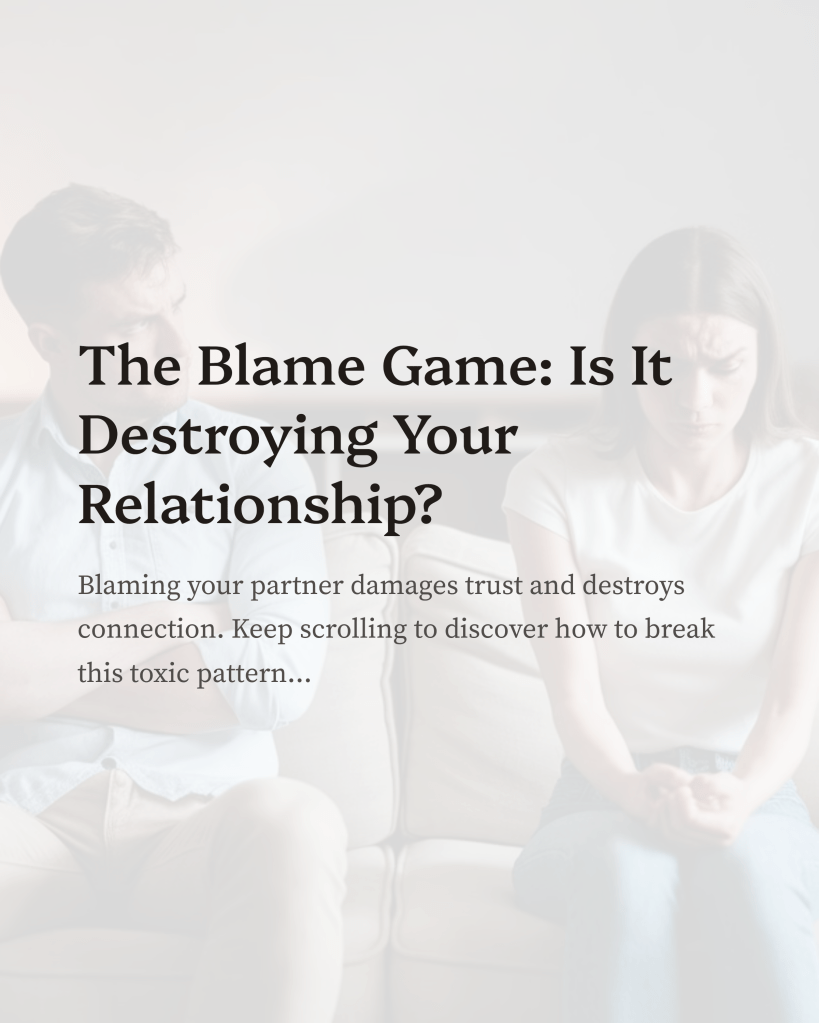
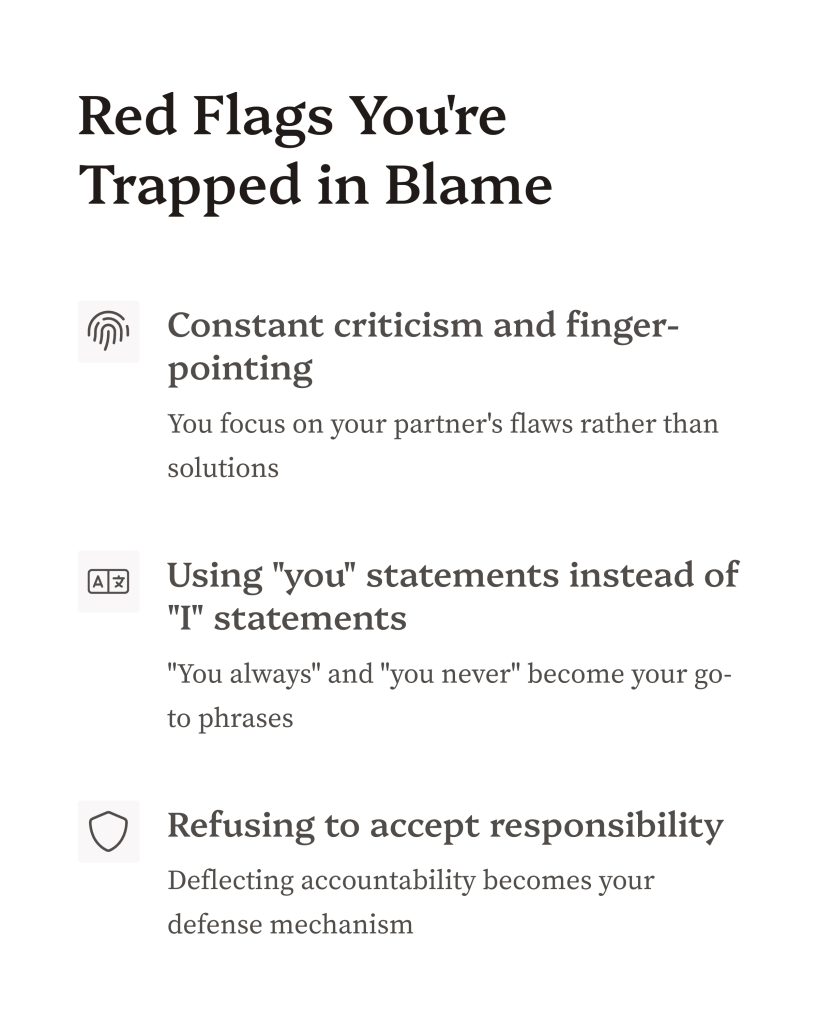
How to Encourage Your Spouse to Work on Your Marriage

Marriage is a partnership that requires ongoing effort from both parties. However, one spouse may sometimes be reluctant to put in the work needed to improve or maintain the relationship. Whether you’re a husband or wife facing this challenge, there are strategies you can employ to encourage your partner to invest in your marriage.

Understanding Resistance

Before diving into solutions, it’s essential to understand why a spouse might resist working on the marriage. Dr. John Gottman, a renowned relationship expert, notes that resistance often stems from:

  1. Fear of change
  2. Feeling overwhelmed
  3. Past failures in addressing issues
  4. Lack of hope for improvement

Recognizing these underlying factors can help you approach the situation with empathy and patience.

Strategies for Encouraging Participation

1. Lead by Example

Dr. Sue Johnson, developer of Emotionally Focused Therapy, emphasizes the power of modeling desired behavior. Start by working on yourself and demonstrating the positive changes you want to see in your relationship.

Example: Sarah noticed her husband Tom was distant and uninterested in date nights. Instead of pushing him, she focused on her personal growth and started planning enjoyable activities. Tom became curious about her positive attitude and began showing interest in joining her.

2. Improve Communication

Clear, non-confrontational communication is critical. Dr. Gary Chapman, author of “The 5 Love Languages,” suggests:

  • Using “I” statements to express your feelings
  • Avoiding blame and criticism
  • Actively listening to your partner’s concerns

Example: Instead of saying, “You never want to talk about our problems,” try, “I feel disconnected when we don’t discuss our relationship. Can we set aside some time to talk?”

3. Create a Safe Environment

Dr. Harriet Lerner, author of “The Dance of Connection,” stresses the importance of creating a safe space for vulnerability. This means:

  • Avoiding judgment
  • Showing appreciation for small efforts
  • Being patient with the process

Example: When Mike finally opened up about his insecurities in the marriage, his wife Lisa thanked him for his honesty and reassured him of her commitment to working things out together.

4. Seek Professional Help

Sometimes, an outside perspective can make a significant difference. Dr. John Gottman recommends couples therapy as a way to:

  • Gain new insights into your relationship
  • Learn effective communication tools
  • Address deep-seated issues

Example: After months of tension, Maria suggested couples counseling to her reluctant husband, Carlos. She framed it as a way to improve their communication skills rather than “fixing” their marriage, which helped Carlos feel more open to the idea.

5. Focus on Positive Reinforcement

Dr. Shelly Gable’s research on active-constructive responding shows the power of positive reinforcement. Celebrate small wins and improvements in your relationship.

Example: When David started helping more around the house, his wife Emma expressed her appreciation and enthusiastically encouraged him to continue his efforts.

Dealing with Continued Resistance

If your spouse remains resistant despite your efforts, it’s essential to:

  1. Set boundaries for yourself
  2. Continue self-improvement
  3. Seek support from friends, family, or a therapist
  4. Consider your long-term options and personal well-being

Remember, you can’t force someone to change, but you can create an environment that encourages growth and connection.

Encouraging a reluctant spouse to work on your marriage requires patience, understanding, and consistent effort. By focusing on your growth, improving communication, and creating a safe environment for vulnerability, you increase the chances of your partner joining you to strengthen your relationship. Remember that every marriage is unique; what works for one couple may not work for another. Be willing to adapt your approach and seek professional help when needed.

Relationship Superpowers: Mastering Relational Skills for Couples”

Relational skills are essential tools that help couples navigate their relationship more effectively, fostering deeper understanding, improved communication, and stronger emotional bonds. Here’s an in-depth look at how couples can develop and utilize these skills to enhance their partnership:

Understanding Relational Skills

Relational skills encompass a range of abilities that allow partners to interact more positively and constructively. These skills include:

  • Active listening
  • Empathy and validation
  • Effective communication
  • Conflict resolution
  • Emotional regulation
  • Vulnerability and trust-building

Key Relational Skills for Couples

1. Active Listening

Active listening involves fully concentrating on what your partner is saying, understanding their message, and responding thoughtfully. It’s about being present and engaged during communication[1].

How to practice:

  • Maintain eye contact
  • Avoid interrupting
  • Provide verbal and non-verbal cues of attention
  • Summarize or paraphrase to ensure understanding

2. Empathy and Validation

Empathy involves understanding and sharing your partner’s feelings, while validation acknowledges the legitimacy of those feelings.

How to practice:

  • Put yourself in your partner’s shoes
  • Acknowledge their emotions without judgment
  • Use phrases like “I can understand why you feel that way”

3. Effective Communication

Clear, honest, and respectful communication is crucial for a healthy relationship.

How to practice:

  • Use “I” statements to express feelings
  • Be specific about needs and concerns
  • Choose the right time and place for important discussions
  • Practice non-violent communication techniques

4. Conflict Resolution

Healthy conflict resolution involves addressing issues constructively without damaging the relationship.

How to practice:

  • Focus on the issue, not the person
  • Look for win-win solutions
  • Take breaks if emotions run high
  • Use “time-outs” when necessary

5. Emotional Regulation

Managing one’s own emotions is crucial for maintaining a balanced relationship.

How to practice:

  • Recognize and name your emotions
  • Use calming techniques like deep breathing
  • Take responsibility for your feelings
  • Avoid blame and criticism

6. Vulnerability and Trust-Building

Opening up to your partner and building trust are fundamental for deepening intimacy.

How to practice:

  • Share fears and insecurities
  • Be reliable and consistent
  • Respect boundaries
  • Express gratitude and appreciation regularly

Implementing Relational Skills

  1. Practice regularly: Like any skill, relational abilities improve with consistent practice.
  2. Seek feedback: Ask your partner how you’re doing and where you can improve.
  3. Be patient: Change takes time, and both partners may progress at different rates.
  4. Attend workshops or therapy: Professional guidance can accelerate skill development[1].
  5. Create a safe space: Establish an environment where both partners feel comfortable being vulnerable.

Benefits of Strong Relational Skills

Couples who develop strong relational skills often experience:

  • Improved communication and understanding
  • Reduced conflict and faster resolution of issues
  • Increased emotional intimacy and connection
  • Greater relationship satisfaction
  • Enhanced problem-solving abilities
  • Stronger resilience in facing challenges together

Developing relational skills is an ongoing process that requires commitment and effort from both partners. By consistently practicing these skills, couples can create a more fulfilling, resilient, and harmonious relationship. Remember, the goal is progress, not perfection, and every small improvement can lead to significant positive changes in your partnership.

12 Effective Strategies for Rebuilding Trust in Relationships

Trust is the bedrock of any healthy relationship but can be fragile and easily damaged. Couples may find their trust eroding for various reasons, ranging from major betrayals like infidelity to more subtle issues such as repeated broken promises, lack of emotional support, or poor communication. Financial dishonesty, addiction problems, constant criticism, and neglecting the relationship can also contribute to a breakdown of trust. Sometimes, unresolved past traumas or personal insecurities can manifest as jealousy or possessiveness, further straining the bond between partners.

When trust is broken, rebuilding can seem daunting, but it’s far from impossible. Couples in this challenging situation can take heart in knowing there are effective strategies to repair their relationship and restore trust. By employing a combination of open communication, commitment to change, and willingness to forgive, partners can begin the journey of healing. The following twelve tools offer a comprehensive approach to relationship repair, addressing various aspects of trust-building and emotional reconnection. When applied consistently and with genuine effort from both parties, these strategies can help couples navigate the difficult terrain of rebuilding trust and emerge with a stronger, more resilient relationship.

Here are some key strategies that can help a couple rebuild trust after past trauma:

  1. Open and honest communication: Encourage the couple to express their feelings and concerns openly, practice active listening, and use “I” statements to avoid blame[1][5].
  2. Make a commitment: Both partners must fully commit to doing the work involved in healing and rebuilding trust[4].
  3. Take responsibility: The partner who broke trust must accept full responsibility for their actions without making excuses or blaming the other person[2][4].
  4. Provide transparency: The partner who broke trust should offer reassurance by being transparent about their whereabouts, activities, and communications[2].
  5. Set aside time to discuss the issue: Establish a specific time (15-20 minutes daily) to discuss the betrayal, allowing both partners to prepare for productive discussions[4].
  6. Practice forgiveness: The hurt partner should work on forgiving, understanding that forgiveness doesn’t mean condoning the behavior[5].
  7. Focus on rebuilding safety: Make rebuilding a sense of safety in the relationship the primary goal[4].
  8. Avoid dwelling on the past: Once the issue has been fully discussed, avoid bringing it up in future arguments[5].
  9. Seek professional help: Consider couples therapy or individual counseling to work through personal issues and learn effective communication skills[4].
  10. Develop attunement skills: Practice turning towards each other, sharing vulnerabilities, and fostering emotional closeness[3].
  11. Accept repair attempts: Be open to sincere apologies and efforts to make amends[4].
  12. Be patient: Understand that rebuilding trust takes time and requires consistent effort from both partners[1].

By implementing these strategies and committing to the process, couples can work towards rebuilding trust and creating a stronger, more resilient relationship after past trauma.

Citations:
[1] https://www.verywellmind.com/rebuild-trust-in-your-marriage-2300999
[2] https://www.gottman.com/blog/reviving-trust-after-an-affair/
[3] https://lanaisaacson.com/how-to-build-rebuild-trust-and-heal-from-betrayal/
[4] https://www.choosingtherapy.com/how-to-rebuild-trust/
[5] https://www.healthline.com/health/how-to-rebuild-trust

Take a free course on rebuilding relationships at FamilyHealer.tv. Contact Ron today if you want to schedule an online session for one-on-one healing skills; go to RonHuxley.com to set up a time and day…

When “THEY” Won’t Change! What do I do?

When dealing with people who refuse to change, it’s important to accept that you cannot force them to change, but you can control your own reactions and boundaries. Here are some suggestions based on the search results:

Focus on what you can control. You cannot change others, only yourself. Recognize that their resistance to change is not about you, but their own fears, habits or mindset. Ask yourself if this is truly your problem to solve or theirs.[3]

Communicate clearly and compassionately. Express how their behavior impacts you using “I” statements, without criticism or judgment.[1][4] Listen to understand their perspective. Brainstorm solutions together if they are open to it.[4]

Set boundaries. If their behavior is unacceptable, calmly explain your boundaries and the consequences if they continue, such as limiting contact.[1][4] Follow through consistently.

Give them space. Avoid nagging, passive aggression or controlling language.[1] Pressuring someone often backfires. Allow them time and space to consider change at their own pace.[4]

Focus on your relationship. Compliment positive traits, spend quality time together, and look for areas you both can grow.[1] A strong bond can sometimes motivate change more than criticism.

Know when to disengage. If they remain unwilling to change hurtful patterns after you’ve communicated needs and boundaries, you may need to accept them as they are or re-evaluate the relationship.[3][5]

Prioritize your wellbeing. Don’t sacrifice your own mental health trying to change someone unwilling. Seek support, set firm boundaries, and detach with love if needed.[5][1]

The key is balancing compassion for their journey with prioritizing your own peace of mind. Change is an inside job – you can inspire but not force it upon others.[3][5]

Citations:
[1] https://www.wikihow.com/Deal-With-Loved-Ones-Who-Refuse-to-Change
[2] https://hbr.org/2001/11/the-real-reason-people-wont-change
[3] https://psychcentral.com/blog/imperfect/2018/04/stop-trying-to-change-people-who-dont-want-to-change
[4] https://www.verywellmind.com/when-your-spouse-doesnt-want-change-2302197
[5] https://tinybuddha.com/blog/what-to-do-when-people-dont-want-to-change/

Faith is a Guiding Light Through Dark Seasons

How Individual and Couples Can Find Strength Through Shared Faith

Life’s journey is often marked by unexpected twists and turns, presenting us with challenges that can test our resilience and inner strength. In the face of adversity, many individuals and couples turn to faith as a source of solace, guidance, and empowerment. Experts across various fields have recognized the profound impact that faith can have on our ability to navigate life’s difficulties with grace and fortitude.

“Faith is the bird that feels the light when the dawn is still dark,” said Rabindranath Tagore, the renowned poet and philosopher. This sentiment resonates deeply, as faith can provide a glimmer of hope and clarity even in the darkest of times, illuminating the path forward.

Dr. Kendra Cherry, a renowned psychologist, emphasizes the role of faith in fostering resilience: “Faith can serve as a powerful coping mechanism, offering individuals a sense of purpose and meaning, even in the midst of adversity. It can provide a framework for understanding and accepting life’s challenges, enabling them to persevere with greater strength and determination.”

For couples facing shared struggles, faith can be a unifying force, strengthening their bond and enabling them to support one another through difficult times. “Faith has the power to bring couples together, fostering a deeper emotional connection and shared understanding,” explains Dr. John Gottman, a renowned relationship expert. “It can provide a common language and set of values to navigate challenges as a team, reinforcing their commitment to one another.”

Faith can also play a crucial role in promoting mental and emotional well-being. “Spiritual practices, such as prayer, meditation, or contemplation, can have a calming effect on the mind and body,” says Dr. Lisa Miller, a professor of psychology and education at Columbia University. “These practices can help individuals and couples find inner peace, reduce stress and anxiety, and cultivate a sense of gratitude and acceptance, even in the face of adversity.”

Moreover, faith-based communities often provide a supportive network, offering practical assistance, emotional support, and a sense of belonging. “Being part of a faith community can be a powerful source of strength,” notes Dr. Harold Koenig, a leading researcher in the field of spirituality and health. “It can provide a safe space for individuals and couples to share their experiences, receive encouragement, and access resources to help them navigate life’s challenges.”

While faith can manifest in various forms and traditions, its essence lies in the belief in something greater than oneself, a guiding force that transcends the physical realm. As Dr. Brené Brown, a renowned researcher and author, eloquently states, “Faith is a place of mystery, where we find the courage to believe in what we cannot see and the strength to let go of our fear of uncertainty.”

In the tapestry of life, faith can serve as a powerful thread, weaving together hope, resilience, and inner strength. Whether facing personal struggles, relationship challenges, or shared adversities, embracing faith can provide individuals and couples with a profound sense of purpose, guidance, and the fortitude to navigate life’s complexities with grace and courage.

Here is an exercise to help couples discuss and share their faith with each other:

Faith Sharing Exercise

The goal of this exercise is to create a safe, open space for you and your partner to share your personal faith journeys, beliefs, and spiritual practices with one another. It is an opportunity to deepen your understanding of each other’s spiritual selves and find ways to honor and support one another’s faith within your relationship.

Materials Needed:

  • A quiet, comfortable space free from distractions
  • A small object or item that holds spiritual significance for each partner (e.g., a religious symbol, a meaningful photograph, a cherished book, etc.)

Instructions:

  1. Begin by setting an intention for the exercise. You may choose to light a candle, say a prayer, or engage in a brief meditation to create a sense of reverence and openness.
  2. Take turns sharing your spiritual item with your partner. Explain what the item represents and why it holds significance for you in your faith journey.
  3. After sharing the item, take turns responding to the following prompts:
  • Describe your earliest memory or experience related to faith or spirituality.
  • What role did faith play in your upbringing and family life?
  • How has your faith evolved or changed over time?
  • What aspects of your faith or spiritual beliefs bring you the most comfort or strength?
  • Are there any specific practices, rituals, or traditions that are particularly meaningful to you?
  • How do you envision faith playing a role in our relationship and family life?
  1. As your partner shares, practice active listening without judgment or interruption. Seek to understand their perspective and experiences with an open heart and mind.
  2. After each partner has had the opportunity to share, engage in an open dialogue. Discuss any similarities or differences in your faith journeys, beliefs, or practices. Explore ways you can support and honor each other’s spiritual needs within your relationship.
  3. Conclude the exercise by expressing gratitude for the opportunity to share and learn more about each other’s spiritual selves. You may choose to hold hands, embrace, or engage in a closing ritual or prayer that feels meaningful to both of you.

Remember, this exercise is not about convincing or converting one another but rather about fostering a deeper understanding, respect, and appreciation for each other’s spiritual paths. Approach the exercise with an open mind, a compassionate heart, and a willingness to listen and learn from one another.

Building a Strong Marriage: The Importance of Gottman Love Maps

Dr. John Gottman is a renowned relationship expert and his research on building a “Love Map” emphasizes the importance of knowing your partner’s inner world in order to build a strong and lasting relationship. The concept of the Love Map is based on the idea that a strong relationship is built on a foundation of knowledge and understanding of your partner’s thoughts, feelings, hopes, dreams, fears, and preferences.

According to Gottman, a Love Map is a mental map that we create of our partner’s inner world. It includes information such as their likes and dislikes, important life events, and deepest hopes and fears. When we have a detailed Love Map of our partner, we are better able to understand their thoughts and emotions, empathize with them, and respond to their needs in a more meaningful way. This, in turn, can help build trust and emotional intimacy in the relationship.

Gottman’s Love Map concept is just one of the many principles he has developed through his research on couples and relationships. His other main concepts include the Four Horsemen of the Apocalypse (criticism, defensiveness, contempt, and stonewalling) and the Sound Relationship House, which includes components such as trust, intimacy, and shared meaning.

Gottman’s work has been widely studied and cited in the field of couples therapy. One of his most famous books is “The Seven Principles for Making Marriage Work”, which provides practical advice and strategies for couples looking to improve their relationship. Another highly recommended book is “The Relationship Cure”, which focuses on improving communication and emotional connection between partners.

Try these questions with your partner to build your love map:

  1. What are some of your partner’s goals and dreams for the future?
  2. What are some of your partner’s favorite hobbies or interests?
  3. What are some of your partner’s fears or worries?
  4. What are some of your partner’s most cherished childhood memories?
  5. What are some of your partner’s favorite movies or books?
  6. What are some of your partner’s spiritual or religious beliefs?
  7. What are some of your partner’s greatest strengths or talents?
  8. What are some of your partner’s pet peeves or dislikes?
  9. What are some of your partner’s fondest memories of your relationship?
  10. What are some of your partner’s deepest desires or aspirations?

Overall, Gottman’s Love Map concept is an essential component of building a strong and healthy relationship. By taking the time to get to know your partner on a deep level, you can foster a stronger emotional connection, build trust, and create a foundation for a lasting relationship

The Top Five Traits of a Good Listener

If you want to become a good listener there are certain traits and skills you will need to learn. Listening is a great skill to develop and it can improve all areas of your life. People love to talk and are always looking for someone to listen to them. 

  1. When listening to someone your goal should be to understand their point of view. Listen to everything they say before forming your own opinion, and remember that you do not necessarily have to agree with them. Everyone deserves, and should form, their own opinions on various topics. 
  2. Paying attention is the next trait. If you don’t pay attention you will miss out on important information. Always be aware of what is going on with the person who is speaking, and don’t forget to pay attention to your surroundings. 
  3. The action of making eye contact with the person who is speaking, shows them that you are paying attention. If you start looking around you, you are giving them the impression that you are not interested, or have become bored. 
  4. Try to look at their point of view and ask yourself if they might be the person who is right. 
  5. Allow the person to finish talking. This often takes a little patience, but it can be helpful for both sides. First the person talking can vent their opinions or frustrations. Secondly it helps the listener to fully understand the issue at hand. 

A good listener will also think before responding back. Again they often ask what if this person is correct in their way of thinking. People have the bad trait of speaking before thinking and this can lead to all kinds of awkward or difficult situations. 

It is perfectly normal for your brain to want to respond quickly, stop yourself and think before you speak! 

Sometimes it can be hard to stay focused on a person, it is normal to want to look away. If you find yourself doing this try nodding to the person or making direct eye contact with them. This signals to them that you are paying attention. If you really need to look away for a second, then muffle a cough behind your hand! 

Other tips that you might want to use to show that you are paying attention include: 

  • Saying the person’s name now and again
  • Using facial expressions
  • Using body language

If you make an effort to put these five traits into play consistently, you will become a much better listener for it. 

Imagination Improves Relationships

How Can a Healthy Imagination Help Our Relationships?

There’s no doubt about it; relationships are hard. It can seem nearly impossible when you are trying to make two lives work together. If you are struggling in your relationship, it may be worthwhile to examine your imagination. Believe it or not, a healthy imagination can truly help your relationship. 

It has been said that “the world of reality has it limits; the world of imagination is boundless.” (Jean-Jacques Rousseau)

It has also been said that “imagination is more important that knowledge.” (Albert Einstein)

Imagination (Re) Ignites Passion

When you are with the same person for so long, it can often seem like the passion will fade, or maybe things will seem to get a bit boring. Well, imagination is one of the main ignitions of passion. If you improve your imagination, the passion in your relationship will improve as well. 

For example, you could cook your significant other a fancy dinner and serve it to them on a picnic blanket on the floor. Then use your imagination to imagine you are in Paris! You might just be surprised by how much fun the two of you have with imaginative ideas like this.  

Imagination bring hope back into hopeless situations. You don’t have to give up on your relationship situation. You can reignite the passion by igniting the imagination of how things could be…in the future.

Imagination Helps You Make Plans

One of the main indicators of caring about someone is making plans that involve them. Without a healthy imagination, it can be difficult to see past the dreariness of day-to-day life. If your relationship seems to be in a rut, then it’s time to tap into that imagination to create something fun for the two of you to do! Try to think of something you haven’t done before, and don’t be afraid to try something incredibly unique. 

Start small and take small risks in your relationship. Step out of the comfort zone. The effort itself will prove your willingness to try to change even if things don’t do perfectly for you.

Imagination Can Help You Through the Rough Patches

All relationships have rough patches, where you may not be happy with your partner or feel that you aren’t going to make it as a couple. Sometimes, if the relationship is truly worth it, you need to persevere to get there, and imagination can help you through that. Imagination can help you envision a future together where things are better. 

It can help you solve problems that are causing challenges in your relationship. It can even remind you of past times you have had together and how fun they were, even if things are currently difficult.

Whether or not you realize it, imagination is essential to helping your relationship last. Imagination is an integral part of passion, making plans, and surviving the rough patches that will inevitably come along. So if you are in a relationship that is currently struggling, it’s time to work to improve your imagination today. Even if you aren’t currently in a relationship, a healthy imagination is a great method of preparing yourself for future relationships that may come your way. 

Use Love Languages to be creative in your imagination

The 5 love languages was created by Gary Chapman and written about in a book by the same name. The languages include words of affirmation, quality of time, receiving gifts, acts of service, and physical touch. Speaking your partner or family members love languages makes them feel loved. We tend to speak our own love languages which may not match up with others missing the mark. Knowing others love language allows us to use imagination that has a more powerful influence for the future.