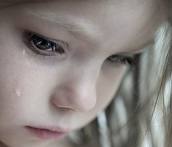
Blue Christmas: Holding Space for Grief and Joy During the Holidays

The holiday season can feel like a whirlwind of lights, music, and celebration. For many, it’s a time filled with warmth, connection, and cheer. But for others, the holidays can magnify feelings of grief, loneliness, and unresolved trauma. The contrast between the festive environment and internal pain can feel isolating—as if the rest of the world is celebrating while you’re quietly holding the weight of loss or hardship.

If this resonates with you, you’re not alone. Blue Christmas, often held around the winter solstice, acknowledges that the holidays can be difficult. It’s a chance to honor grief and create space for healing in a season that often feels overwhelmingly bright.

Why the Holidays Can Trigger Grief and Trauma

The holidays are steeped in traditions and memories. For those who have experienced loss, whether through the death of a loved one, the end of a relationship, or the lingering effects of past trauma, these reminders can surface unexpectedly. A familiar song, the absence of someone at the dinner table, or even the pressure to feel “jolly” can stir up painful emotions.

For individuals who have endured difficult childhoods or family dynamics, the holidays may bring up memories of neglect, conflict, or unmet needs. Even for those actively working on healing, this time of year can feel fragile and tender.

Acknowledging Your Feelings

It’s important to permit yourself to feel whatever arises during the holidays. Grief and joy can coexist—you don’t have to choose one. Acknowledging your pain doesn’t diminish the moments of happiness you might experience. Both can live side by side, like the flicker of a candle in the dark.

Consider taking a few moments to reflect on the emotions you’re carrying. Journaling, meditation, or sitting quietly can help bring awareness of what needs attention. Allow yourself to name the losses, disappointments, or anxieties that may be present.

Creating Space for Yourself

Here are a few ways to gently care for yourself during this season:

  • Set Boundaries: It’s okay to decline invitations or limit your time at gatherings if they feel overwhelming. Honor your need for rest and quiet moments.
  • Create New Traditions: If old traditions feel too painful, consider creating new rituals that reflect your current needs. This could be something simple, like lighting a candle for someone you miss, volunteering, or spending the day in nature.
  • Connect with Supportive People: Surround yourself with those who understand and respect your experience. Sometimes, a quiet night with a close friend or a phone call to someone who “gets it” can provide comfort.
  • Practice Grounding Techniques: If you feel overwhelmed, grounding exercises like deep breathing, focusing on sensory experiences (sight, sound, touch), or gentle movement can help bring you back to the present.

Embracing Light in the Darkness

Even amid grief or trauma, moments of light can break through. These moments don’t erase the pain but remind us that healing is possible. The smallest joys—a quiet snowfall, the warmth of a blanket, or a kind word from a stranger—can be powerful.

Blue Christmas invites us to embrace the duality of the season. It’s a gentle reminder that while the darkness of grief is absolute, so is the possibility of hope and renewal.

If the holidays feel heavy this year, remember you are not alone. Your experience is valid, and there is no “right” way to navigate this season. Be gentle with yourself, honor your journey, and allow space for both sorrow and joy to coexist.

Understanding Grief: How Men and Women Can Support One Another

Grief is a universal human experience that touches us all at some point. While men and women may navigate grief differently, much can be learned from each other’s approaches. By understanding and appreciating the unique ways in which men and women process grief, individuals can support one another more effectively through challenging times.

Men and Women: Different Paths to Healing

Men and women often exhibit distinct patterns in how they approach and cope with grief. Men may internalize their emotions, seeking solace in solitude and practical problem-solving. On the other hand, women may be more inclined to seek emotional support from their social networks, expressing their feelings openly and engaging in dialogue about their grief.

Learning from Each Other: A Path to Healing Together

  1. Emotional Expression vs. Practical Solutions: Men can learn from women’s ability to openly express their emotions and seek support. By allowing themselves to acknowledge and share their feelings, men can access a valuable source of healing and connection.
  2. Seeking Support: Women can learn from men’s focus on practical solutions and problem-solving. Incorporating action-oriented approaches alongside emotional expression can provide a more balanced and comprehensive path to healing.
  3. Communication Styles: Men and women communicate differently, with men often preferring direct and concise dialogue while women may engage in more elaborate and emotive conversations. By recognizing and respecting these differences, individuals can cultivate understanding and empathy.
  4. Coping Mechanisms: Men and women may benefit from exploring diverse coping strategies. Men can incorporate emotional expression and seek social support, while women can engage in problem-solving activities and embrace moments of solitude for reflection.

Supporting Each Other Through Grief

Ultimately, the key to navigating grief lies in mutual understanding and support. By learning from each other’s strengths and vulnerabilities, men and women can create a supportive environment that honors individual grieving processes while fostering connection and healing.

Men can offer:

  • Strength and stability in times of crisis.
  • Practical solutions and problem-solving skills.
  • A listening ear and emotional support when needed.

Women can offer:

  • Emotional empathy and understanding.
  • Open communication and a safe space for expression.
  • Connection to social networks and community resources.

Embracing Diversity in Grief

In the tapestry of grief, men and women bring unique colors and textures that enrich the shared experience of healing and resilience. By embracing diversity in how we approach and process grief, individuals can learn from each other’s strengths and vulnerabilities, forging deeper connections and supporting one another on the journey toward healing and renewal. Let us honor the wisdom and compassion that each gender brings to the table, creating a tapestry of support and understanding that transcends differences and unites us in our shared humanity.

Adoption Ambiguity in Adoptive Children

Adoption ambiguity, a term introduced by Pauline Boss in the 1970s, encapsulates the intricate emotional landscape adoptive children navigate as they grapple with their identities, relationships, and sense of belonging. Nancy Verrier, in her seminal work “The Primal Wound: Understanding the Adopted Child” (1991), further sheds light on the profound impact of adoption on children. In this article, we will explore adoption ambiguity, draw insights from experts in the field, and highlight the relevance of Verrier’s work in understanding the complexities of adoptive experiences.

Understanding Adoption Ambiguity: Adoption ambiguity is a multifaceted phenomenon that encompasses the unresolved emotions and challenges adopted children face. Parents need to acknowledge and address these complexities to provide a nurturing environment for these children. Let’s delve into expert perspectives and the insights shared in “The Primal Wound“:

  1. Ambiguous Loss and Adopted Children:
    • Verrier’s work emphasizes the concept of the primal wound, which refers to the profound loss experienced by adoptees due to the separation from their biological mothers.
    • This primal wound can manifest as a deep-seated sense of loss, grief, and disconnection that adoptive children carry throughout their lives.
  2. Self-Sabotage and Adoption Ambiguity:
    • Adoptive children may exhibit self-sabotaging behaviors as a coping mechanism for the unresolved emotions stemming from adoption ambiguity.
    • Issues such as fear of rejection, trust and control struggles, identity conflicts, and attachment trauma can contribute to self-sabotage in adoptive children.

Insights on Supporting Adoptive Children: Drawing from expert advice and Verrier’s insights, here are key strategies for parents to support their adoptive children through the challenges of adoption ambiguity:

  1. Establishing Open Communication:
    • Foster open and honest communication with your child to create a safe space for discussing their feelings and experiences.
    • Encourage dialogue about adoption-related topics while respecting your child’s emotions and perspectives.
  2. Building Trust and Security:
    • Prioritize building a foundation of trust and security in your relationship with your adoptive child.
    • Demonstrate consistent support, empathy, and understanding to help your child feel secure in their identity and relationships.
  3. Seeking Professional Guidance:
    • Consider seeking guidance from adoption professionals, therapists, or support groups familiar with adoption-related issues.
    • Professional assistance can offer valuable insights and strategies tailored to address the specific needs of your adoptive child.
  4. Embracing Education and Resources:
    • Educate yourself about adoption ambiguity and its impact on adoptive children by exploring resources such as “The Primal Wound” and other relevant literature.
    • Engage with adoption communities, workshops, and online resources to gain knowledge and connect with others who share similar experiences.

The journey of adoptive children is characterized by unique challenges and emotional complexities that require sensitivity, understanding, and support. By integrating insights from experts and works like “The Primal Wound” by Nancy Verrier, parents can cultivate a nurturing environment that empowers their adoptive children to navigate their identities and relationships with resilience. As illuminated by Verrier and other experts, adoption ambiguity underscores the significance of acknowledging and addressing the deep-seated emotions and challenges inherent in adoptive experiences. Empathy, communication, and a commitment to learning can create a supportive space where adoptive children can flourish and embrace their individual journeys.

Here are some recommended books and resources for parents looking to deepen their understanding of adoption-related issues and support their adoptive children:

Books:

Online Resources:

  • Adoption.com: A comprehensive online resource offering articles, forums, and community support for adoptive families.
  • Child Welfare Information Gateway: Provides resources on adoption-related topics, including parenting tips, support services, and legal information.
  • North American Council on Adoptable Children (NACAC): Offers educational resources, training, and advocacy for adoptive families.
  • Adoptive Families Magazine: Features articles, expert advice, and personal stories related to adoption and parenting.
  • Adoption Network: Provides support, education, and resources for adoptive families, birth families, and adoptees.

These books and online resources can offer valuable insights, guidance, and support for parents navigating the complexities of adoption and seeking to create a nurturing environment for their adoptive children.

Need a Mood Boost?

As we enter the holiday season, in the midst of an ongoing pandemic, we could all use a little boost in our mood. For some, this is not a time of good cheer. It is a time for increased depression and anxiety.

How do we improve our mood?

How To Actively Improve Your Mood

There are many ways to actively improve your mood. The most obvious is to feel good about yourself.

Other reasons are probably not as obvious to you. Although, they’re pretty obvious to your mental and physical health.

Let’s talk about some of these reasons and how they can influence everything that goes on in our lives.

Improve Your Mental Health

Your mental wellness affects your thoughts, feelings, and behavior. It helps reduce stress, as well as help you cope with challenges and setbacks.

Having strong mental health doesn’t mean the absence of anxiety, fears, and worries. Going through difficult times is a natural part of living.

Yet, when you’re in good shape mentally and emotionally, you bounce back faster. You have the tools needed to face all these things head-on with confidence and resilience.

Being resilient means you stay flexible and focused when life throws you a curveball. You have confidence in your abilities to deal with whatever the future has in store.

Here are some extra perks that come when you boost your mental wellbeing and improve your mood.

  • You have a sense of contentment with life in general
  • You maintain a hearty dose of confidence and self-esteem
  • You see opportunities where others see none
  • You enjoy living and can laugh at yourself
  • You balance work and play
  • You build healthy relationships

Polish Up on Your Social Skills

We’re social creatures. We thrive when we feel connected to others.

This doesn’t mean we have to be surrounded by people all the time every day. It just means that our brains crave companionship in varying degrees.

Yes, you can always call or text. They certainly have their place and time in our busy, hectic lives.

Still, nothing beats the mood-boosting power of sitting down with family or friends. That quality face-to-face time is priceless.

You sit, you talk, and you listen — pretty basic right? But for your brain, it’s revolutionary!

Here’s why: studies show that our brains are wired for connectivity. Certain areas of our brains light up when we do volunteer work or spend some time with a friend.

Not only that, but the brain rewards us for being socially outgoing. It does so by signaling the release of two happy hormones, oxytocin, and serotonin. So, by being out with your partner, friends, or even colleagues, you’re actively seeking ways to improve your mood.

You should also make the most of those fleeting encounters you have with strangers each day. Make a point of looking your neighbor in the eye as you wish them a good day.

Look up from what you’re doing and take a couple of seconds to thank the barista or the cashier. You can even add a smile to go with it.

Despite taking mere seconds out of your day, those little acts of kindness are terrific mood boosters. They’ll do wonders for your day and theirs!

Stay Active

The link between the mind and body is complementary. When you take care of your physical health, you’re nourishing your mental well-being.

Anytime you exercise for at least 20 minutes, your brain releases endorphins. These are one of the four happy chemicals that help stabilize your mood and boost energy levels.

Regular physical activity also has a big impact on your memory and concentration. Plus, it relieves stress and promotes better sleep.

The trick is to find an activity you like and do it several times a week. Take a walk, cycle, throw a Frisbee with your dog—the point is to enjoy what you’re doing.

Better still, find a group of friends and be active in a group. This will hold you accountable, boost your motivation, and improve your mood.

Regulate Stress Levels

Almost everyone on the planet knows by now that stress is a major problem. It affects our mental, emotional, and physical well-being.

We also know that stress can’t be avoided, especially in this busy day and age. However, certain stress management strategies can help regulate stress in your life.

These tactics allow you to cope with life’s ups and downs. They allow you to improve your mood and feel good about yourself.

Here are some things you can do to reduce your stress:

  • Enhance the quality of your sleep
  • Eat mood-enhancing foods, such as fresh fruits, fatty fish, nuts, avocados, and beans
  • Practice relaxation techniques, like mindful meditation, yoga, and deep breathing
  • Make time for yourself and do something you enjoy
  • Find somewhere to sit at a local park and soak in some sunshine
  • Laugh more

If you need more help with your mood, contact Ron Huxley today to schedule a session!

H.U.R.T. = Healing “Un’s” and Releasing Trauma

A key element of the healing strategies for individuals who have experienced trauma is to “ReWriting Our Narratives.”  These are the stories that we believe about ourselves as a result of the negative, hurt-full things in our life. But these stories are not all true even if they feel so, so, true. They are also not the end of the story. We can be the authors of our own lives and choose the plot lines of your future story. 

Children and Trauma

Children are “ego-centric”. These means that they believe the world revolves around them. Therefore, when bad things happen, they believe it is their fault. This is due to an immature nervous system and executive functioning skills that are supposed to help them see things rationally. They are not rational creatures. Consequently, if something bad happens traumatized children believe that they are bad! This is a false narrative based on painful/shameful memories.

This is a hallmark of trauma-informed care that is revolutionizing the programs and services across the nation. We are learning to shift our paradigms from asking “what is wrong with a person?” to “what happened to a person?” This allows us to concentrate on the story. But this must go deeper. We have to ask the healing questions: “where does it hurt?”

We can use the acronym for HURT to help us explore our stories:

H.U.R.T. = Healing Un’s and Releasing Trauma

HURT children carry around a lot of Un’s (a prefix meaning “not”): Unworthy, unwanted, unloved, unsafe, unstable, unkind, untrustworthy, etc”.

What UN’s do you or your child believe?

1.

2.

We could also ask ourselves this question. What UN’s do I believe about myself. Everyone goes through some level of trauma. The challenges and hassles of everyday life can be quite severe. Many caregivers suffer compassion fatigue or vicarious trauma as a result of working/living with a traumatized child.

Fortunately, healing is possible for children and adults. We can look at where the HURT is and find strategies that change our life stories with positive, resilient endings!

Get more help from Ron Huxley by scheduling a session today or taking one of an online Trauma-Informed training at http://FamilyHealerSchool.com

Children who no longer live with their birth parents must go through their own version of grief…

by Ron Huxley, LMFT

In 2014, Child Welfare Services checked up on 3.2 million children reported as abused or neglected, in the United States of America*. Many of these children are removed from their birth parents and enter foster care. Some return to their parents while others are adopted by loving families. The goal is always permanency for children but the issues of grief must be addressed regardless of the child’s placement.

What is Grief?

Grief is the state that individuals experience when a significant loss occurs in their life. The loss might occur as a result of death, divorce, and/or abandonment by a family member. It might be said that nontraditional families, like foster and adoptive families, are born out of grief as they are formed as a result of a loss. This is confusing due to this is a time for both celebration and sadness.

Grief is a profound loss for children that is not always recognized by parents and professionals. One reason is that children do not grief in the same way that adults do. Young children often act like nothing happened at all and adults wrongly assume they are not grieving. Later, when they erupt in anger and aggression towards others, adults are surprised by their behavior. Misunderstanding the behavior will lead to incorrectly managing it and parents miss an opportunity to address the loss and create a healing bond.

Stages of Grief

Despite the confusion, grief has predictable stages of development. This is beneficial to the nontraditional parent as they attempt to make sense of their child’s grief experiences. Most importantly they know that the most negative feelings of grief and loss will not last forever, at least not in the same intensity as when it first started.

Perhaps the best known framework for grief and loss are the stages listed in the work of Elisabeth Kubler-Ross who wrote the book On Death and Dying (1969). Her stages of grief include:

Denial
Anger
Bargaining
Depression
Acceptance

These stages can manifest differently depending on the child’s developmental stage. As a child matures, their ability to understand themselves and their world changes, allowing for deeper levels of grieving. This is why young children can act like they don’t grief or care about their past. They may not want to talk about their past or have any questions for adults. When they are older, however, they may “suddenly” have questions and this can be perplexing to adults.

Another way grief can affect children is creating a division between “age and stage.” A child may be 16 years of age chronologically but act emotionally and socially like a 6 year old. Would a parent allow a 6 year old to take care of his or her younger siblings? Of course not! A 16 should be responsible to watch their younger siblings for a short time. A 6 year old would not have the cognitive ability. A 10 year discrepancy between age and stage can cause grieving children to look like they are on an emotional roller coaster ride. One minute they are responsible and calm. Then next they are reactive and impulsive. Parents can easily make the mistake of dealing with the child’s age and not their stage.

Close the gap between the child’s emotional and chronological stage by creating a space for them to grief past losses.

Waves of the Ocean

A useful metaphor for understanding grief are the waves of an ocean. When you are way out in the ocean, the waves are large and frightening. They pull you under and twist you about, creating a sense of hopelessness or fear of your future. This is similar to the stage of Denial or shock at the reality of the loss. When the waves pass and the ocean feels momentarily calm, this is called the stage of anger or bargaining. The shore represents the stage of acceptance. As nontraditional parents and children swim for the stage of acceptance, waves continue to crash over them, sometimes threatening to pull them under in denial and shock and at other times settling down and letting anger and bargaining propel them forward to the shore. The closer you come to the shore the less intense the waves. But even small waves, when standing on the edge of the ocean can unsettle and cause you to lose your balance.

Parents can use this metaphor to help themselves and their children find emotional balance. Because they are in the ocean and not on the shore they cannot compare their children’s action to others. In addition, rather than live up to society’s expectation of what an ideal family should look like, parents need to concentrate their energy on helping their child swim for the shore, in their own timeframe, even if it must be developmental stages.

Art and the Heart

Expressive arts can open the heart of the child who is grieving by allowing them to freely process thoughts and feelings that have been trapped in her heart and possibly . Parents have to set an atmosphere of acceptance to help the child “swim to shore”. Parents who avoid talking about sad or angry feelings communicate that it is unsafe or unwise to share. You don’t have to be an art therapist. Just get out the crayons and paper. Pull out paints and use your fingers. Play with legos and dolls. Make believe and role play. As adults we can interject healing ideas and allow grief and loss to work naturally. 

Talking about Birth Parents

It can feel rejecting for foster or adoptive parents to talk to their children about birth parents. Ironically, opening up conversation and allowing children to grieve will create a closer, more intimate attachment. Not talking about them will reinforce shame in the child and idealizing birth parents creating a vicious cycle or hurt between parent and child. The loss has already occurred. Avoid it doesn’t make it go away. It stays buried until it comes out in more painful ways. 

If parents need help in this area, consult with a child therapy and spend some time working through the age and stage of grief. 

NEVER MISS A BLOG POST…Click here to join our newsletter and get posts in your inbox!

Sources: 

http://www.theatlantic.com/national/archive/2014/07/in-a-year-child-protective-services-conducted-32-million-investigations/374809/

Elisabeth Kubler-Ross, On Death and Dying (1969).

Ron Huxley, Love and Limits: Achieving a Balance in Parenting (1998).

Grieving and the Nontraditional Family

While grief is fresh, every attempt to divert only irritates. You must wait till it be digested, and then amusement will dissipate it.

– Samuel Johnson

It has been said that the nontraditional family of yesterday is the traditional family of today! These means that the nontraditional family is fast becoming the norm in today’s society. But that also means that society is not prepared to help nontraditional parents and children cope with that reality. In particular, society has few, if any, means to help nontraditonal families cope with grief and loss, out of which they are born.

Nontraditional families include single, divorced, step or blended, adoptive, foster parents, and grandparents raising grandchildren. They are quickly becoming the majority in today’s society. Whether society/people consider them defective or less than “ideal” they are a reality and need special information and support. Most of the parenting programs available to nontraditional parents forget this reality. Consequently, the parenting programs apply only to traditional, two-parent, biologically based parents. Part of the problem is that nontraditional families have unique needs not usually experienced by traditional parents. One example of this is grief.

Grief is the state that individuals experience when a significant loss occurs in their life. The loss might occur as a result of death, divorce, and/or abandonement by a familiy member. It might be said that nontraditional families are born out of grief as they are formed as a result of a loss. This is not to say the traditional families do not experience grief but that nontraditional families have this experience, to one degree or another, in common.

Grief has predictable stages of development. This is beneficial to the nontraditional parent as they attempt to make sense of their grief experience. Most importantly they know that it will not last forever, at least not in the same intensity as when it started. Perhaps the best know framework for grief and loss are the stages listed in the work of Elisabeth Kubler-Ross who wrote the book On Death and Dying (1969). Her stages of grief include:

Denial
Anger
Bargaining
Depression
Acceptance

A useful metaphor for understanding grief are the waves of an ocean. When you are way out in the ocean, the waves are large and frightening. They pull you under and twist you about, creating a sense of hopelessness or fear of your future. This is similar to the stage of Denial or shock at the reality of the loss. When the waves pass and the ocean feels momentarily calm, this is called the stage of anger or bargaining. The shore represents the stage of acceptance. As nontraditional parents and children swim for the stage of acceptance, waves continue to crash over them, sometimes threatening to pull them under in denial and shock and at other times settling down and letting anger and bargaining propel them forward to the shore. The closer you come to the shore the less intense the waves. But even small waves, when standing on the edge of the ocean can unsettle and cause you to lose your balance.

Nontraditional parents can use this metaphor to help them balance love and limits with their children. Because they are in the ocean and not on the shore they cannot compare themselves to traditional parents. Rather than live up to society’s expectation of what an ideal family should look like, nontraditional parents need to concentrate their energy on swimming for the shore.

Adopted and Angry

Q and A with Ron Huxley, LMFT

Dear Ron,

How do we discipline our 8-year old (adopted) son? He is extremely angry, at times violent and aggressive and has been since about 4 years old. We have seen therapists, psychiatrists, medical doctors, etc. We have tried it all, from medicine to discipline (time out, spanking, withdraw privileges, positive reinforcement, redirection, isolation (in his room), writing sentences, physical activities) and none of it makes any difference to him.

Up until recently, all his anger has been directed only at us, his parents. However, this week he hit a boy with his hat, on the school bus. The consequence is a warning from the principal. Next time he’ll be removed from the bus and no longer allowed to ride it. He is extremely smart, socially immature, and very much likes to be in control – of everything, even us. We need help.

Signed,

Adopted and angry

Ron replies:

Dear Adopted and Angry,

I find that it is helpful to break things down into manageable chunks when overwhelmed by parenting problems. You have very complex case here that involves multiple issues, some of which are workable and others that may not be. Here are the various issues I read in your question: Adoption, child development, aggressive behavior, professional help, behavioral modification, parenting hurts, peer relationships, control issues, and desperation.

I threw that last one in there as semi-jest, semi-truth. You are obviously very frustrated and at the end of your proverbial rope. This permeates everything else you have said and everything you will try to do with your son. This frustration may sabotage your efforts and shorten your ability to fully modify his behavior. You are using some great behavior modification techniques (time out, withdraw privileges, reinforcement, etc.) and I would urge you to continue to use them. But, behavior modification has limitations, especially if you are already experiencing your limitations with your son. In fact, it is possible you are reinforcing him negatively to continue.

The biggest issue you have listed, in my opinion, is adoption. Adopted children come into our families wounded on a spiritual or deeply psychological level. Some people call this the “Mother Wound.” The feeling of being “given up” for adoption, even in the best of circumstances, to the best of families, is a difficult issue for children to cope with. This can be even more difficult if there are other biological children in the home and if there is a dramatic physical difference between children. It is also affected by how adoptive parents handle the whole adoption issue with their adoptive children.

Another related issue with adoptive children is genetics. Parents often don’t know a lot about an adoptive child’s family history and genetic make-up. Mental illness in your child’s family tree may be a big, unknown factor here, and this may not be about behavior, per se, but a genetic problem. If you haven’t already investigated this, I would encourage you to do so. It will help you and the professionals you are working with you to deal with this problem.

Given that you already have a host of professional helpers on your side and you have a good knowledge of behavioral techniques, I would suggest that you focus more on helping your child heal from the spiritual or psychological wounds of adoption. Anger is rarely the real issue in children. What’s under all that rage? What fuels his aggression? How can you answer the main issue of hurt and loss that makes him resistant to change?

What we are really talking about is love. True, unconditional love. The fact that he targets you, his parents, with his rage demonstrates his sense of safety. I know this is confusing but angry/aggressive children usually vent at those they know will not abandon them. And adoptive children are highly sensitive to abandonment. You must reassure, love, and embrace him every time he attacks. This is the only way you can answer his violent test (“Will you give me up, too, or will you keep me no matter how ‘unlovable’ I am?”). Let your behavior modification set the limits on his behavior and let the embrace of your arms be the limits on his spirit).

Blessings,

Ron Huxley, LMFT

Parenting through grief

Staying strong through tough times

Losing a loved one is probably the worst thing that can happen to someone.

When you are grieving a loss, continuing to be present as a parent can be difficult — especially if your children are grieving too. How can you give your children what they need during this time, when you aren’t even sure what you need?

Grief is a journey like no other. When you are a parent, you can’t just put your children on hold while you sort out your feelings of sadness and loss. Life goes on, children need stability and they may be dealing with grief as well.

Help yourself first

Jennifer Shurnas was in her early 40s when she experienced the sudden and horrific death of her husband. She was faced not only with grieving the loss of her husband of almost 20 years, but with helping her three daughters through the experience as well. “One metaphor that describes parenting during grief is the airplane oxygen mask instruction which flight attendants give you — in order to help your children you must first help yourself,” Shurnas shares. “Fundamentally, you can’t help your child unless you are helping yourself.” Find the support you need in close friends, family members or a therapist. Don’t be afraid to ask for what you need, and accept offers of help when offered.

Got grief?

“Don’t hide your feelings,” advises Christina Steinorth, licensed psychotherapist and author of Cue Cards for Life: Thoughtful Tips for Better Relationships. “Many parents make the mistake of ‘being strong for the children’ and hiding their feelings of grief.” Especially when the children are also grieving the loss, it is helpful for them to see how adults process those same feelings. “Parents need to know that it’s OK for their children to see them sad,” says Steinorth. “When parents hide their feelings while the kids are grieving too, it doesn’t help children learn to process grief. It almost teaches them that it’s not OK to be sad and have feelings of loss and hurt.”

“Each year we release three dozen red, white and blue balloons
into the sky in his memory.”

“A child observing your own grief, mourning and processing makes you authentically human and credible to them — someone they can relate to,” shares Shurnas. “It sends a message that it’s OK for them to do the same.” Depending on the age of the child, they will understand and process feelings of grief and loss differently — but look to parents and other adults for guidance.

“While each individual’s grief journey is unique, they will hopefully settle into their own process with your guidance and the guidance of others,” says Shurnas. Each of her three daughters found a different way to work through mourning their father. “My youngest child made and edited amazing videos of her father and dubbed them to music. My middle child would draw for hours at a time, and my eldest would talk and write about her feelings,” she remembers. Her own way of working through mourning involved touching objects that belonged to her husband, reading things that he wrote, looking at photographs and writing.

What helps

Sometimes, just having someone who counts on you each day is enough to make you keep moving forward. “It isn’t an easy balancing act,” Shurnas adds, “but my desire to take care of my children while making endless necessary decisions actually saved me from falling into a deep ditch of depression. Quite simply, my daughters indirectly saved me.” After the initial period of mourning passes, many find that trying to return to a regular routine of work and family commitments helps them stay on track as parents — and helps their children see that life goes on.

For some families, observing special days of remembrance or having rituals they can perform together helps. Shurnas and her daughters decided to have special rituals from time to time to acknowledge her husband’s spirit and keep the good memories of him close to their hearts. “For example,” she shares, “his favorite holiday was the Fourth of July — Independence Day. So, each year we release three dozen red, white and blue balloons into the sky in his memory. Red represents the love we have for him, the white is for peace in our hearts and the blue represents our releasing our ‘blues.’”

Parenting can be difficult as you face the emotional challenges of grief and loss. By including your children in your process of grief and recovery, you are teaching them a life lesson and helping yourself at the same time.

Click on our freebies link to get new parenting tools to manage children’s behavior and build character into your family.

Children and Grief

Grieving the loss of a loved one is difficult, especially for a child.  When a child loses a loved one to death or incarceration, the loss can have a profound effect on the rest of his or her life.

Emotional, psychological and physical trauma that often come with loss challenge children’s well-being and school performance.  Grieving children are likely to feel different, and very alone.

While concealing deep emotional   pain, fear and loss of concentration,   children are in the pressure cooker   of  expectations to grow emotionally   and academically. They say that   seeing friends with parents and   parent/child school activities are daily reminders of their own loss.

Children express grief in a different way than adults.  They tend to move in and out of intense feelings, rather than sustaining high levels of one emotion for long periods of time.  When adults see a grieving child playing or laughing, they may mistakenly believe that the child is “over it”.  This perception may influence how much grief support a child receives.

In the United States, approximately 4.8 million children under 18 are grieving the death loss of a parent.

1.5 million children in the US are grieving the loss of a parent to incarceration, sometimes for the duration of their childhood.


Community awareness and support help children heal from loss and excel in life.

Start a Support Group

The loss of a loved one is a universal human experience. How thoughts and feelings about the loss are expressed vary by culture. We encourage you to adapt information in this site to what fits for your beliefs and customs.

Ron Huxley Resources: I am preparing for some presentations to professionals who work with adoptive families and reminded about one of the most basic of all clinical tools: grief work. One of the most common assumptions is that children grieve in the same was as adults and therefore, the same tools work for them that work for big people. Each intervention should have individualized criteria built into them. Do you know of a child that has suffered a loss? What worked for them to help them cope and heal? Share with us on our Facebook page at http://www.facebook.com/parentingtoolbox or leave a comment below.