Page 6 of 9

How to Parent When YOU Are in Pain?

Parenting & Pain
By Ron Huxley, LMFT

It is hard to be on top of our parenting game when you are in a lot of emotional pain. This is especially challenging if the origin of this pain comes from the children that we are trying to parent. It might be simplistic to say but pain is “painful.” It hurts! It shuts us down and drives a wall between us and others so we can’t be hurt anymore. We want to retreat to nurse our wounds before risking more in relationships. Unfortunately, the everyday tasks of life have to be completed and our children continue to need us. As a compromise to this situation we become robotic in our actions. We are hyper-functional but we are hypo-relational. We get stuff done but we are just going through the motions and have no e-motions to share. We are too raw!

If you are in this place, make a resolution to find some help through good friends, therapists, doctors, etc. There are lot of support groups and parenting educations classes in your community. Be determined not to repeat past problems. Find new ideas and new support to achieve new, less painful interactions with your family. Second, be OK with being in a place of pain but don’t let it define you. You feel bad but YOU are not bad. Hurtful feelings are normal responses to hurtful actions they are not meant to be permanent. You will have better days again but don’t allow shame to pull you deeper into that dark place of despair. Set some boundaries, find some help and get mad a shame. It is not your friend!

Take back control of your home: 101 Parenting Tools: Building the Family of Your Dreams

Sustain Your Families Successes

By Ron Huxley, LMFT

Parents want to know how to sustain the successes they have in the home. They want the temperature in the mood and attitudes in their children to stay constant. It is frustrating to have a good day and then have it follow with a week of anger and defiance. In order to sustain the good times, it is important that parents consistently put in what they want to get out of the family. For example, if you want kind children, keep putting in kindness to the children in your word and deeds. If you want joy, put in joy and fun activities. If you want respect, don’t just demand it, give it! This is why research demonstrates the power of modeling in social relationships. 

What do you want “out” of your family members? How can you put more of that “into” your home? 

Take back control of your home: 101 Parenting Tools: Building the Family of Your Dreams

Using Your Families Momentum
By Ron Huxley, LMFT

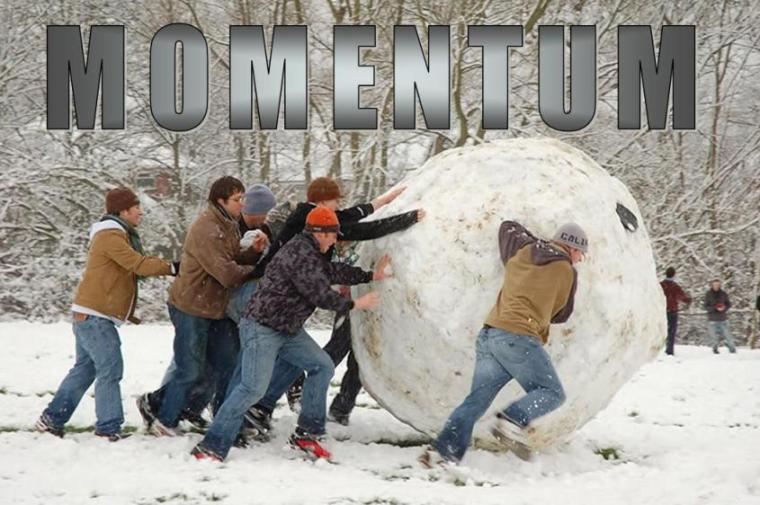
There will come a day when you and your family are not in crisis or feeling stuck. Perhaps it is already here. Whenever it comes how will use the momentum you have gained? Most families want to rest and do nothing. They have been in so much turmoil that all they can think about is taking a break. This might not be the time to pause for long.

When you are stuck all you think about is how to get unstuck. You are in survival mode. Now that you are unstuck it is time to take new ground, focus on left behind dreams, build new family skills. Take your well deserved break and then huddle together and move forward. Use that momentum strategically and with excitement.

Parenting is like walking on Stepping Stones

By Ron Huxley, LMFT

Parenting can be a difficult and confusing job. We don’t have all the answers to questions about the right thing to do or the right way to handle a problem with our children. Fortunately, you don’t need to know every step of the decision. You just need to be will to take the risk to take the next step. 

If you make all your decisions based on knowing exactly what the outcome will be, you will be immobilized into in-action and your children will run circles around you. You will find that if you talk the “next step” you will gain greater vision for what lays ahead and then be able to take that “next step” in a long chain of small steps that will lead you places you never knew were possible but always hoped. 

What is your next step going to be?

Abused Children Similar to War Vets

Children who have been abused or witnessed violence suffer similar trauma to war veterans…

LONDON (Reuters) ­ Children exposed to family violence show the same pattern of activity in their brains as soldiers exposed to combat, scientists said on Monday. In a study in the journal Current Biology, researchers used brain scans to explore the impact of physical abuse or domestic violence on children’s emotional development and found that exposure to it was linked to increased activity in two brain areas when children were shown pictures of angry faces.

Previous studies that scanned the brains of soldiers exposed to violent combat situations showed the same pattern of heightened activity in these two brain areas ­­ the anterior insula and the amygdala ­­ which experts say are associated with detecting potential threats. This suggests that both maltreated children and soldiers may have adapted to become “hyper­aware” of danger in their environment, the researchers said. “Enhanced reactivity to a…threat cue such as anger may represent an adaptive response for these children in the short term, helping keep them out of danger,” said Eamon McCrory of Britain’s University College London, who led the study.

Parenting And The Serenity Prayer

Parenting and the Serenity Prayer: Asking for Help

By Ron Huxley, LMFT

If parenting could be summed up in a single prayer, that prayer might be “The Serenity Prayer”:

Lord, grant me the serenity to accept the things I cannot change, the courage to change the things I can, and the wisdom to know the difference.

In this 5 part series, we will explore the essential points of this prayer and how it can help parents find grace and peace in the family relationships. 

Asking for Help: 

If parents want to find more balance in their relationships with their children they must be willing to ask for help! Whether that help is from God, a higher power, or other people, parents will need support to help the through the many challenges of parenting.

A common denominator of stressed-out parents is trying to parent in isolation; they do not realize that they need help or can’t find healthy support and in moments of crisis, do things they wish they didn’t do and say things they wish they didn’t do. Parenting from a place of regret is not a “happy place to be.” Additionally, it may result in child abuse and neglect that will cause the legal system to become involved in the families life. This is not the type of help you want to happen if you can help it. 

In other to accept help parents have to accept that parenting is difficult. I know that seems obvious to most of us but many parents believe they can do it all or feel shame if they don’t do everything perfectly which keeps them from seeking support. 

Support can come from natural and artificial sources. Natural sources would including the help and advice of family and friends. Aunt Melba might come and watch the kids so mom and dad can get our for a break once in a while. Grandpa John might offer some helpful advice about managing teenagers. Unfortunately, not all family advice is helpful like when they suggest you get a stick and start beating some butts. The idea of taking more authority in the home could be a great idea but physical abuse will get you in trouble. 

When natural help is not helpful, parents need to find artificial help in the form of professionals. Family therapy or parenting classes may be what parents need to shift the home from crisis to calm. Some cost may be involved in this but you get what you pay for, right? There are lots of non profit organizations in every community that will offer inexpensive, if not free, help to parents. 

Take action: What kind of help do you need the most? Who in your natural network of family and friends could help you? If there are not natural helpers available to you, who in your community could provide you will support? Let go of feelings of embarrassment and do what is necessary to get the help you need. 

Come back to RonHuxley.com to read the other 4 parenting tools based on the Serenity Prayer…

diyparent:

TheraPlay Helps Children Overcome Trauma and Increase Attachment

Ron Huxley, Licensed Marriage and Family Therapist is trained in TheraPlay for Families and Child Therapy Groups. To arrange a private session with Ron, go here: https://ron-huxley-lmft.clientsecure.me/client_portal .

“Theraplay is a structured play therapy for children and their parents. Its goal is to enhance attachment, self-esteem, trust in others, and joyful engagement. The sessions are designed to be fun, physical, personal, and interactive and replicate the natural, healthy interaction between parents and young children. Children have been referred for a wide variety of problems including withdrawn or depressed behavior, overactive-aggressive behavior, temper tantrums, phobias, and difficulty socializing and making friends. Children also are referred for various behavior and interpersonal problems resulting from learning disabilities, developmental delays, and pervasive developmental disorders. Because of its focus on attachment and relationship development, Theraplay has been used for many years with foster and adoptive families.

Program Goals:

The goals of Theraplay are:

Increase child’s sense of felt safety/security
Increase child’s capacity to regulate affect
Increase child’s sense of positive body image
Ensure that caregiver is able to set clear expectations and limits
Ensure that caregiver’s leadership is balanced with warmth and support
Increase caregiver’s capacity to view the child empathically
Increase caregiver’s capacity for reflective function
Increase parent and child’s experience of shared joy
Increase parent’s ability to help child with stressful events”

TheraPlay is considered to be an Evidenced-Based Approach for Family Therapy: http://www.cebc4cw.org/program/theraplay/detailed

Attitude Awards for Your Children

by Ron Huxley, LMFT

Have you ever received an award for “outstanding achievement” or completion of some difficult task or milestone? How did it feel to get that award? Did you place it proudly in your home or office where you and everyone else could see it? 

Your children like to get awards too. Trophy’s, certificates, ribbons, and cards can create personal satisfaction. They reinforce our sense of uniqueness and give attention to our gifts and talents and hard work. Try giving your child an award for good attitude. This isn’t for cleaning their room or getting an A on a test. That is a good time for an award as well but attitude awards focus more on the inner qualities that you want to see more of in your children. Giving an unexpected award for goodwill, kindness, generosity, teamwork and other character traits will bring those qualities to the forefront more often. Your child might not be the kindest person in the family. All the more reason to give them a award for any effort in this direction. Anything attitude and behavior you reinforce in a child will reproduce in their life and anything you ignore will decrease. Be sure to use sincerity and surprise to make the award more impactful.