“Unlocking the Secrets of Epigenetics: How Our Experiences Shape Us!”
Have you ever wondered why some people react differently to stress or scary situations? The answer might be in something called epigenetics. Let’s explore what this big word means and how it helps us understand trauma.
What is Epigenetics?
Epigenetics is like a special switch for our genes. Our genes tell our body how to work, but epigenetics can turn these instructions on or off. It’s like a light switch that can make a room bright or dark, but the light bulb doesn’t change.
How Does Trauma Affect Our Genes?
When someone goes through something really scary or upsetting (we call this trauma), it can flip some of these epigenetic switches. This means that even after the scary thing is over, the person’s body might still act like it’s in danger.
Can Trauma be Passed Down?
Scientists have found that these switched genes can sometimes be passed from parents to their children. It’s a bit like inheriting your mom’s hair color, but instead, you might inherit how your body reacts to stress.
What is Trauma-Informed Care?
Trauma-informed care is when doctors, teachers, and other helpers understand that bad experiences can change how a person’s body and mind work. They use this knowledge to help people feel safe and get better.
How Does Epigenetics Help with Trauma-Informed Care?
By understanding epigenetics, helpers can:
- Know that a person’s reactions might be because of past experiences
- Find better ways to help people who have been through trauma
- Create plans that help not just one person but whole families
The Good News
The best part about epigenetics is that these switches can be changed again! With the right help and care, people can learn new ways to cope with stress and feel better.
What Can We Do?
- Be kind to others – you never know what they’ve been through
- Talk to a grown-up if you’re feeling scared or upset
- Remember that it’s okay to ask for help
Epigenetics shows us that our experiences can change us, but we can help ourselves and others heal and grow stronger with understanding and care.
Citations:
[1] https://arkansasadvocate.com/2023/07/05/understanding-epigenetics-how-trauma-is-passed-on-through-our-family-members/
[2] https://pmc.ncbi.nlm.nih.gov/articles/PMC9705591/
[3] https://www.ca18211.eu/courses/trauma-informed-care-and-epigenetics/
[4] https://pmc.ncbi.nlm.nih.gov/articles/PMC6127768/
[5] https://www.scientificamerican.com/article/how-parents-rsquo-trauma-leaves-biological-traces-in-children/
[6] https://therapist.com/trauma/generational-trauma-epigenetics/
[7] https://jamanetwork.com/journals/jama/fullarticle/2797220
[8] https://newsinhealth.nih.gov/2016/03/understanding-anxiety-disorders
 , by Daniel P. Keating” reveals how and what happens when we are impacted by toxic stress.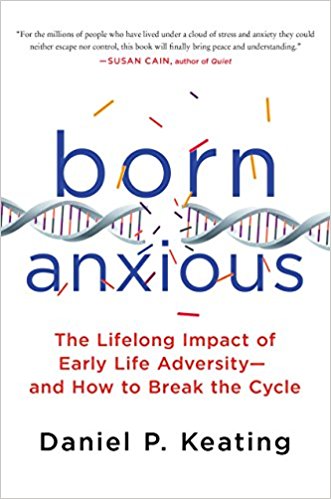
 Ron Huxley LMFT