10 Things Transracial / Transcultural Adoptees Want Their Parents To Know

Download a PDF infographic of this article here!

1. Racial Mirroring is Crucial for Identity Development

Transracial and transcultural adoptees often express the need to see and interact with people who share their racial or ethnic background. This mirroring is vital for their identity development, helping them to form a positive self-image and understand their place in the world.

2. The Challenges of a “Color-Blind” Approach

While a “color-blind” approach may stem from good intentions, it can hinder an adoptee’s ability to explore their racial identity and navigate experiences of discrimination. Recognizing and discussing race openly is essential for fostering a healthy understanding of identity.

3. Experiencing Racism and Microaggressions

Adoptees may encounter racism and microaggressions that their adoptive parents might not fully recognize or understand. Parents must educate themselves about these experiences and provide support when their children face such challenges.

4. Importance of Birth Culture Connections

Maintaining connections to their birth culture is essential for adoptees’ sense of self and belonging. Parents should actively encourage and facilitate these connections to help their children feel grounded in their heritage.

5. Identity Confusion from Cultural Disconnection

Many adoptees report feeling disconnected from both their adoptive family’s culture and their birth culture, leading to confusion about their identity. Open discussions about these feelings can help alleviate some of this confusion.

6. Open Communication About Adoption

Having open conversations about their adoption story and birth family is important for adoptees’ emotional well-being. Parents should create a safe space for these discussions, allowing their children to express their feelings and questions.

7. Active Involvement in Heritage Exploration

Adoptees benefit from their parents’ active involvement in helping them explore and celebrate their heritage. This can include participating in cultural events, language learning, and engaging in activities that reflect their background.

8. The Need for Mentors and Role Models

Having mentors or role models from their racial or ethnic background can significantly impact an adoptee’s self-esteem and identity. Parents should seek opportunities for their children to connect with individuals who can provide guidance and support.

9. Exposure to Diverse Environments

Living in a diverse community or having regular exposure to diverse environments can help adoptees feel less isolated. Parents should consider the importance of diversity in their children’s social circles and experiences.

10. Addressing Emotional Challenges

Adoptees may struggle with issues related to attachment, anger, anxiety, or perfectionism due to their adoption experiences. Parents must know these potential challenges and seek appropriate support and resources to help their children navigate them.

By understanding these key points, adoptive parents can better support their transracial and transcultural children, fostering a nurturing environment that honors their unique identities and experiences.

Understanding “The Primal Wound”: A Must-Read for Adoptive Parents

As parents who have opened your hearts and homes through adoption, you’re likely always on the lookout for resources to help you better understand and support your child. One book that has been making waves in the adoption community for years is “The Primal Wound: Understanding the Adopted Child” by Nancy Newton Verrier. Today, we’re diving into this influential work and exploring its relevance for adoptive families.

What is “The Primal Wound”?

At its core, “The Primal Wound” introduces a concept that many find eye-opening: the idea that separating a baby from their birth mother creates a deep, often unconscious wound that can affect the adoptee throughout their life. Verrier, an adoptive mother herself, argues that this separation can lead to a range of emotional and psychological challenges.

Key Insights for Adoptive Parents

The Impact of Early Separation
Verrier suggests that the bond between a baby and their birth mother begins in the womb and that disrupting this bond through adoption can have lasting effects. As an adoptive parent, understanding this perspective can help you approach your child’s emotional needs with greater empathy and insight.

Attachment Challenges
The book delves into how early separation might affect a child’s ability to form secure attachments. If you’ve noticed your child struggling with trust or intimacy, this concept might offer some explanations and guide you toward appropriate support strategies.

Common Behaviors and Coping Mechanisms
“The Primal Wound” identifies behaviors that might stem from adoption-related trauma, such as:

    • Difficulty with emotional regulation
    • Fear of abandonment
    • Struggles with identity formation
    • The tendency towards self-sabotage Recognizing these as potential coping mechanisms rather than personal flaws can dramatically shift how you respond to challenging behaviors.

    Validating Your Child’s Experience
    One of the book’s strengths is its emphasis on acknowledging and validating the adoptee’s feelings. This validation can be incredibly healing for adopted individuals who might have felt misunderstood or alone in their struggles.

      How Can This Book Help You?

      Reading “The Primal Wound” can:

      • Deepen your understanding of your child’s emotional landscape
      • Provide a framework for addressing adoption-related challenges
      • Guide you in creating a more trauma-informed home environment
      • Help you advocate for your child’s needs in therapy and educational settings

      A Word of Caution

      While many find this book illuminating, it’s important to remember that every adoption experience is unique. Some adoptees and professionals critique the book for overgeneralizing or being too deterministic. As with any resource, it’s best to take what resonates and feels helpful for your family’s situation.

      Moving Forward

      If you decide to read “The Primal Wound,” consider these steps:

      1. Reflect on how the concepts apply to your family’s experience
      2. Discuss the book with your partner or a trusted friend to process your thoughts
      3. Consider seeking guidance from an adoption-competent therapist to explore these ideas further
      4. Look for ways to incorporate the book’s insights into your parenting approach

      Remember, acknowledging the potential for early trauma doesn’t negate the love and connection in your family. Instead, it can be a powerful tool for fostering deeper understanding and healing.

      “The Primal Wound” offers a unique perspective on the adopted child’s experience that many parents find invaluable. By exploring these concepts, you’re taking an important step in your journey to support your child’s emotional well-being. Remember that this book is just one resource among many, and the most important thing is to remain open, compassionate, and attuned to your child’s needs.


      Adoption Ambiguity in Adoptive Children

      Adoption ambiguity, a term introduced by Pauline Boss in the 1970s, encapsulates the intricate emotional landscape adoptive children navigate as they grapple with their identities, relationships, and sense of belonging. Nancy Verrier, in her seminal work “The Primal Wound: Understanding the Adopted Child” (1991), further sheds light on the profound impact of adoption on children. In this article, we will explore adoption ambiguity, draw insights from experts in the field, and highlight the relevance of Verrier’s work in understanding the complexities of adoptive experiences.

      Understanding Adoption Ambiguity: Adoption ambiguity is a multifaceted phenomenon that encompasses the unresolved emotions and challenges adopted children face. Parents need to acknowledge and address these complexities to provide a nurturing environment for these children. Let’s delve into expert perspectives and the insights shared in “The Primal Wound“:

      1. Ambiguous Loss and Adopted Children:
        • Verrier’s work emphasizes the concept of the primal wound, which refers to the profound loss experienced by adoptees due to the separation from their biological mothers.
        • This primal wound can manifest as a deep-seated sense of loss, grief, and disconnection that adoptive children carry throughout their lives.
      2. Self-Sabotage and Adoption Ambiguity:
        • Adoptive children may exhibit self-sabotaging behaviors as a coping mechanism for the unresolved emotions stemming from adoption ambiguity.
        • Issues such as fear of rejection, trust and control struggles, identity conflicts, and attachment trauma can contribute to self-sabotage in adoptive children.

      Insights on Supporting Adoptive Children: Drawing from expert advice and Verrier’s insights, here are key strategies for parents to support their adoptive children through the challenges of adoption ambiguity:

      1. Establishing Open Communication:
        • Foster open and honest communication with your child to create a safe space for discussing their feelings and experiences.
        • Encourage dialogue about adoption-related topics while respecting your child’s emotions and perspectives.
      2. Building Trust and Security:
        • Prioritize building a foundation of trust and security in your relationship with your adoptive child.
        • Demonstrate consistent support, empathy, and understanding to help your child feel secure in their identity and relationships.
      3. Seeking Professional Guidance:
        • Consider seeking guidance from adoption professionals, therapists, or support groups familiar with adoption-related issues.
        • Professional assistance can offer valuable insights and strategies tailored to address the specific needs of your adoptive child.
      4. Embracing Education and Resources:
        • Educate yourself about adoption ambiguity and its impact on adoptive children by exploring resources such as “The Primal Wound” and other relevant literature.
        • Engage with adoption communities, workshops, and online resources to gain knowledge and connect with others who share similar experiences.

      The journey of adoptive children is characterized by unique challenges and emotional complexities that require sensitivity, understanding, and support. By integrating insights from experts and works like “The Primal Wound” by Nancy Verrier, parents can cultivate a nurturing environment that empowers their adoptive children to navigate their identities and relationships with resilience. As illuminated by Verrier and other experts, adoption ambiguity underscores the significance of acknowledging and addressing the deep-seated emotions and challenges inherent in adoptive experiences. Empathy, communication, and a commitment to learning can create a supportive space where adoptive children can flourish and embrace their individual journeys.

      Here are some recommended books and resources for parents looking to deepen their understanding of adoption-related issues and support their adoptive children:

      Books:

      Online Resources:

      • Adoption.com: A comprehensive online resource offering articles, forums, and community support for adoptive families.
      • Child Welfare Information Gateway: Provides resources on adoption-related topics, including parenting tips, support services, and legal information.
      • North American Council on Adoptable Children (NACAC): Offers educational resources, training, and advocacy for adoptive families.
      • Adoptive Families Magazine: Features articles, expert advice, and personal stories related to adoption and parenting.
      • Adoption Network: Provides support, education, and resources for adoptive families, birth families, and adoptees.

      These books and online resources can offer valuable insights, guidance, and support for parents navigating the complexities of adoption and seeking to create a nurturing environment for their adoptive children.

      Transracial Adoption

      One of the many challenges for transracial adoptees is that “they are, but they aren’t.” They are Asian or African or Russian but they aren’t. They are American but they aren’t. They are a son or daughter but they aren’t… There are people who look like be but I have nothing in common with them. There are people here who don’t look like me that I do have things in common. Often the adoptee must adapt to the new culture. Rarely does the family adapt to the cultural needs of the child. A level of ignorance occurs in order to function happily. Who champions the child’s cultural issues and needs? What messages are communicated to the transracial adoptee? You must change to our way of thinking and living or we change toward each other? 

      November is National Adoption Month

      Adoption Awareness Month: Can We Heal?

      Did you know that every November a Presidential Proclamation launches activities and celebrations nationwide to increase awareness around adoption?

      It’s true.

      Adoption is a huge deal in the U.S. with 125,000 children adopted annually according to the Evan B. Donaldson Institute.

      As a two time adoptee, I join this national conversation to offer a unique forum of conversation–the live teleseminar–to discuss HEALING & THE ADOPTEE. Adoptees are too often shoved into a corner, most often a place we put ourselves. We are the silent sufferers and we are the adaptors.

      Can we speak up?
      Can we share our stories?
      Can we transcend our adoptions?

      Each conversation this month will take on these questions and more!

      Schedule

      Wed, Nov. 2 & 9 @ 1:15 p.m. PST to 2:45 p.m. PST
      Featuring: Jeanette Yoffe, Trish Lay & Brian Stanton

      203224 626162735 408215 n Adoption Awareness 2011:  Can We Heal?

      Jeanette Yoffe, M.A., M.F.T., earned her Masters in Clinical Psychology, specializing in children, from Antioch University in June of 2002. She treats children with serious psychological problems secondary to histories of abuse, neglect, and /or multiple placements. She has specialized for the past 10 years in the treatment of children who manifest serious deficits in their emotional, cognitive, and behavioral development.


      Trish Adoption Awareness 2011:  Can We Heal?

      Trish Lay coaches & motivates people to make positive life change. As an adoptee, she has asked herself: “Who am I?” As she got older it turned to “What is life’s purpose for me?” Trish asks these questions of herself and poses them to others. She has been a force of motivation and inspiration for twenty years.


      Bus.Scruff.CU 258%2528AA%2529 Adoption Awareness 2011:  Can We Heal?

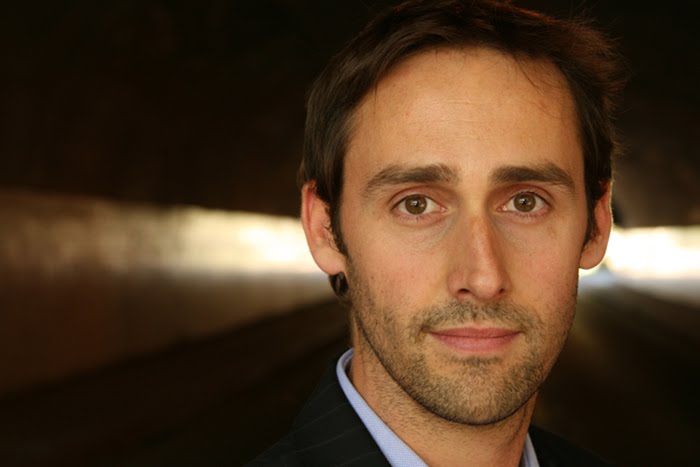
      Brian Stanton wrote about his reunion and issues around identity in his original solo play BLANK, performed in L.A., NY, Kansas City, Dallas, and Orlando. BLANK has also been seen at national adoption conferences for the Concerned United Birth-parents & The American Adoption Congress. In March of 2012, Brian will bring BLANK to the Alliance for the Study of Adoption and Culture 4th International Conference in Claremont, CA.


      is000000504809Small Adoption Awareness 2011:  Can We Heal?

      Listen to the 1st & 2nd: Jeanette Yoffe, Brian Stanton and Trish Lay.


      Watch an except from BLANK:


      Sunday, Nov. 13 @ 11:00 AM & 12:30 PM PST
      Featuring: Nancy Verrier, Speaker, Author & Therapist

      examiner nancy verrier Adoption Awareness 2011:  Can We Heal?

      As a licensed MFT (marriage and family therapist) Nancy Verrier has been practicing psychotherapy and counseling in Lafayette, California, for over 20 years. Her specialty is working with people affected by relinquishment and adoption. Her books include the groundbreaking The Primal Wound: Understanding the Adopted Child Adoption Awareness 2011:  Can We Heal?  & Coming Home to Self: The Adopted Child Grows Up Adoption Awareness 2011:  Can We Heal?  . Nancy and Jennifer will talk about issues that impact adoptees that last a lifetime. Nancy will take your questions during this call.

      Sunday, Nov. 20 @ 11:00 a.m. to 12:30 p.m. PST
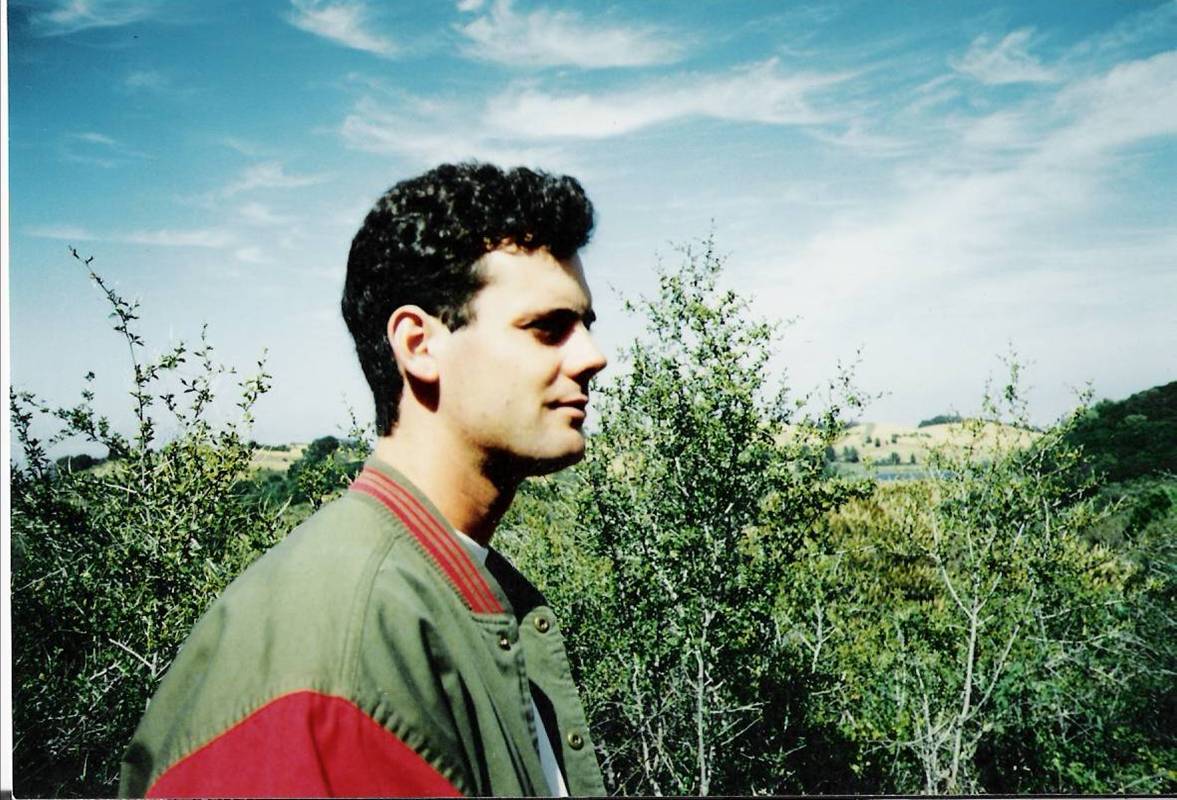
      Featuring: John Sobraske, MA, Adoption Attachment Counseling
      Linda Hoye, Writer, Editor & Adoptee

      Picture1 Adoption Awareness 2011:  Can We Heal?

      John Sobraske is an adopted person, a stepparent of adopted children and an adoption psychotherapist in private practice. His research interests include adoption-related history, anthropology, media and mythology; depth work with adult adoptees; and the use of natural medicine and psychoenergetics for healing.


      256med Adoption Awareness 2011:  Can We Heal?

      Linda Hoye is a writer, an editor, and an adoptee. She has reunited with some members of her birth family but both of her birth parents had passed away prior to reunion. She is a member of the Forget Me Not Family Society, the Adoption Council of Canada, and the American Adoption Congress. She recently finished writing a memoir charting a course through a complex series of relationships stemming from her adoptive family and two birth families. Linda maintains a blog called A Slice of Life Writing


      Wed., Nov. 30 @ 1:00 p.m. PST
      Featuring: Marnie Tetz, President of the Forget Me Not Family Society (FMNFS) & Bernadette Rymer, Director & Newsletter Editor FMNFS

      bio marnie Adoption Awareness 2011:  Can We Heal?

      Marnie Tetz of the Forget Me Not Family Society, Vancouver BC In 2000, “The Post Adoption Registry in Alberta matched me with a brother who had also registered, the following year I paid for a search and my mother was found, the next year I was united with another brother and sister. I had started my search almost 20 years before. The Forget Me Not Family Society has been a life saver for me. I became a director, and then 2 years later Vice President. At the AGM in 2010, I took over the role of President.”


      bio Bernadette Adoption Awareness 2011:  Can We Heal?

      Bernadette Rymer: “My daughter and I have been in reunion for 18 years. Our first years were tough as we struggled with feelings and questions of how to develop a meaningful relationship. Things improved dramatically as we became involved in the Forget Me Not Family Society which was my first opportunity—after 38 years—to talk about the loss of my daughter and the trauma that had stunted my growth. Since becoming involved in the FMNFS a passion has stirred within me to reach out to others who have similar experiences, heartaches, struggles and successes in the reunion process.”

      International Number provided for this very special call with our Canadian friends.

      Do not miss these incredible conversations which will also be recorded and provided to those who sign up! Fill in the form below and I will send a confirmation of your registration for these events and details on how to join in the calls.


      Ron Huxley Recommends: November is National Adoption Month and healing is at the core of my work with families. I encourage you to check our Jennifer’s website and her teleconferences on “healing and the adoptee.”

      Creating an Adoption Lifebook: Instructions and Suggestions to Get You Started

      Creating a lifebook is a wonderful way to positively affect the life of a foster or adopted child. Getting started may be the hardest part, here’s how.

      Getting started on your child’s lifebook is the hardest part. Once you begin, you may find it hard to stop because it’s so much fun!

      Supplies Needed

      There are many websites online where you can purchase ready-made lifebooks with fill-in-the-blank pages, similar to a baby book. The problem with using these type of books for a lifebook is that they are one-size-fits-all. Since every adoption and foster care situation is unique, many parents find that they can make very nice lifebooks with a few inexpensive supplies.

      First you will need a 3-ring binder, approximately two or three inches thick to allow room to grow over the years. A binder with a clear pocket on the front will allow you to make a cover for the lifebook that is personalized. If you have an older child that you are creating a lifebook with, let him design the cover, making it even more special to him.

      Second, you will need a few more supplies:
      • Blank paper—typing paper will work; however, many find that cardstock works better and gives you a nice sturdy page.
      • Clear pages protectors- to keep the pages spot free and for easy loading into the binder.

      Next, here is where the fun begins! A lifebook is as individual as the person creating it. You can scrapbook, design and print pages from the computer, or use various mediums to create pages such as: markers, stickers, paint, colored pencils and so forth. Use your imagination and do what you enjoy doing.


      The other point to keep in mind is that there are no set rules for lifebooks. They can be as simple or as extravagant as you want to make them. The important thing is to put lots of love into it.

      Pages to Include

      Lifebooks begin at the beginning of the child’s life- birth. Start by creating pages to tell about his birth parents, such as: names, birth dates, and places of residence. Also, children love to read about the day they were born. Along with the traditional information, include fun details such as the weather on the day they were born, the name of the president and other political figures, titles of popular songs, names of celebrities, and so forth.

      More Page Ideas

      Once you get started you will find that page ideas come more easily. A few additional page ideas are:

      • Adoption Day
      • Pets
      • The story about why you decided to adopt
      • Where his name comes from and what it means
      • A list of other names you considered
      • Travel information and photos (if you traveled to get him)
      • A local newspaper from the day he was born/ adopted
      • Baby showers, adoption party, or ceremony photos and details
      • Political and Current Affairs
      • Pages for each year of his life

      How to Word Delicate Subjects

      Handling difficult subjects, such as why the child was placed for adoption or how he came into foster care can be tricky, but should not cause you to shy away from adding this type of information to his lifebook.

      The key to answering these types of questions on the pages of the lifebook is to keep it simple and keep it on the child’s level. For instance, if the child was the product of a rape, don’t state it as such. This sort of detail is best left for a one-on-one conversation when he is much older and can understand it, and adequately cope with it. Simply say that his birth mother and birth father were unable to take care of him and wanted him to have a family who could take care of him and love him.

      Similarly, a child who has suffered abuse and maltreatment does not need all the gory details. A matter-of-fact explanation that his birth parents were unable to take care of him will suffice until he is old enough to handle the information.

      Keep It Going

      Some choose to end the lifebook with the child’s arrival into the adoptive family; however, life doesn’t stop with the adoption. Consider adding to your child’s lifebook year after year and create a treasure that will be cherished forever.

      Ron Huxley’s Review: I am getting ready to teach a class on Adoption Clinical Skills and doing a little online research. Came across this excellent article on creating life books. If you and your adoptive children have NOT done this yet, I would encourage you to do so. It is healing for all members of the adoption constellation.