If you are seeking a Spiritual Director, Ron Huxley can help you seek God through your personal journey. Contact him today at rehuxley@gmail.com for availability and more information.

Spiritual direction is a sacred practice that involves meeting with a trained spiritual guide to explore and deepen one’s relationship with God. Here are some key aspects of spiritual direction and reasons why someone might engage in this practice:
What is Spiritual Direction?
Spiritual direction is:
– A form of soul care that Christians have practiced for centuries
– A prayer ministry focused on holy listening and discerning God’s presence and movement in one’s life
– A companionship between the directee, the spiritual director, and the Holy Spirit
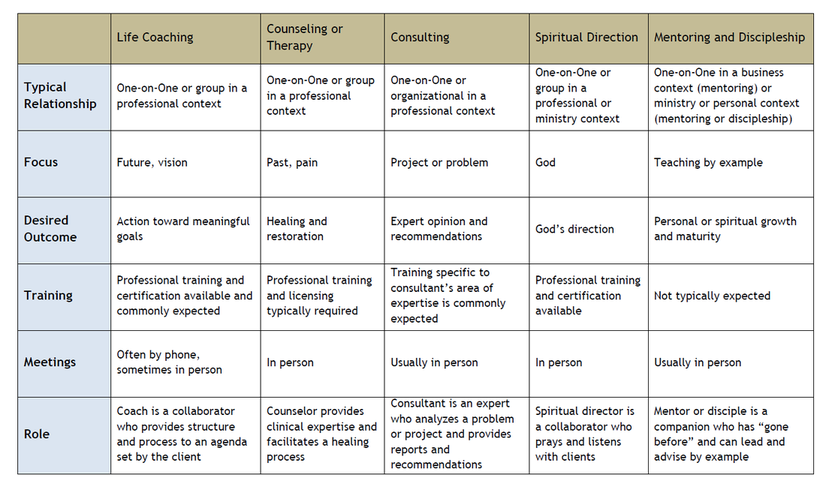
– Not therapy, counseling, or coaching, but rather a space to examine one’s relationship with God
The spiritual director acts as a guide who helps the directee:
– Become more aware of God’s presence and activity in their life
– Listen for God’s voice and discern His will
– Explore their prayer life and spiritual journey
Why Engage in Spiritual Direction?
People may seek out spiritual direction for various reasons:
1. To deepen their relationship with God: Spiritual direction provides dedicated time and space to focus on one’s connection with the Divine. It can help nurture intimacy with God through prayer, silence, and reflection
2. To navigate spiritual challenges: When experiencing a dry prayer life or feeling distant from God, struggling with faith or doubts, times of grief, loss, or major life transitions.
3. To grow self-awareness: Spiritual direction encourages deeper self-knowledge concerning God. It can help align one’s heart, soul, mind, and strength.
4. To explore new spiritual practices: Directors can introduce different forms of prayer and spiritual disciplines. This can enrich and revitalize one’s spiritual life
5. To receive support and guidance: Spiritual direction offers a safe, confidential space to process one’s spiritual journey. Directors provide encouragement, insights, and prayerful companionship
In essence, spiritual direction is a practice for those seeking to cultivate a deeper, more intentional spiritual life and to discern God’s presence and guidance in their daily experiences. It offers a unique space for spiritual exploration, growth, and transformation under the guidance of a trained companion.
“The most holy and necessary practice in our spiritual life is the presence of God. That means finding constant pleasure in His divine company, speaking humbly and lovingly with him in all seasons, at every moment, without limiting the conversation in any way.” Brother Lawrence
The Process of Spiritual Direction
Spiritual direction is a sacred and relational process where a trained spiritual guide accompanies individuals on their inner journey toward a deeper relationship with God. Let’s explore the process that spiritual directors typically follow:
1. Listening and Companionship:
– Holy Listening: Spiritual directors engage in holy listening, creating a safe space for seekers to share their experiences, doubts, and longings. They listen attentively without judgment or interruption, allowing the seeker’s story to unfold.
– Companionship: Directors walk alongside the seeker, offering presence and empathy. They don’t provide solutions but create a space for the seeker to encounter God.
2. Discernment and Reflection:
– Discerning Movements: Directors help seekers discern the Holy Spirit’s movements. They explore moments of consolation (where God feels close) and desolation (where God seems distant).
– Reflective Questions: Directors gently ask questions that invite more profound reflection. These questions encourage seekers to explore their feelings, thoughts and encounters with the divine.
3. Prayer and Contemplation:
– Prayerful Atmosphere: Spiritual direction sessions often begin with prayer or quiet contemplation. Seekers connect with God’s presence and set aside the busyness of daily life.
– Inviting God: Directors guide seekers to invite God into their experiences, emotions, and struggles. They encourage seekers to notice where God is at work.
4. Spiritual Growth and Transformation:
– Personal Journey: Spiritual direction is not directive; it’s collaborative. Directors honor each seeker’s unique path. The focus is on the seeker’s personal experiences of God and growth toward Christlikeness.
– Becoming Like Jesus: Seekers are encouraged to become more like Jesus Christ. Directors gently challenge and support seekers in their spiritual formation.
5. Confidentiality and Trust:
– Safe Space: Seekers can share openly because the spiritual direction is confidential. Directors maintain trust and respect the seeker’s vulnerability.
– Ambassadors to the Spirit: Directors recognize that they are not the true guides; the Holy Spirit is. They serve as ambassadors, pointing seekers toward God’s friendship and presence.
Here are some common questions spiritual directors may ask during a session:
1. Where have you noticed God in your life lately?
2. Where is God inviting you to see or experience Him differently?
3. Where have you sensed God’s presence?
4. What seems significant to talk about?
5. What things have been life-giving to you lately?
6. What do you want or need from God?
7. What has been troubling you lately?
8. How did you see the Holy Spirit at work today?
9. What was draining for you recently?
10. What feelings, relationships, concerns, or circumstances are essential to explore?
11. Where do you sense God inviting you to go in this conversation?
12. What longings, fears, or frustrations are you experiencing?
The spiritual director aims to create a space for open exploration of the directee’s relationship with God. These questions help the directee reflect on their spiritual experiences, notice God’s presence in their life, and discern areas for growth or attention in their spiritual journey. The director listens attentively and may ask follow-up questions to deepen the exploration as guided by the Holy Spirit.
What is the difference between Spiritual Direction, Life Coaching, and Counseling?
Additional Resources:
A Beginner’s Guide to Spiritual Direction
https://www.companioningcenter.org/blog-posts
Spiritual Direction FAQs
https://faithlead.org/blog/spiritual-direction-vs-therapy-what-is-the-difference/
What Is Spiritual Direction, and How Can It Help You in Your Faith?
Could Spiritual Direction Be Right for Me?
Spiritual Direction (Part 1): A Vital Practice for Discerning Leaders
https://www.linkedin.com/pulse/what-benefits-spiritual-direction-aaron-manes
https://www.ministrymatters.com/all/entry/6843/what-is-spiritual-direction
 Ron Huxley LMFT