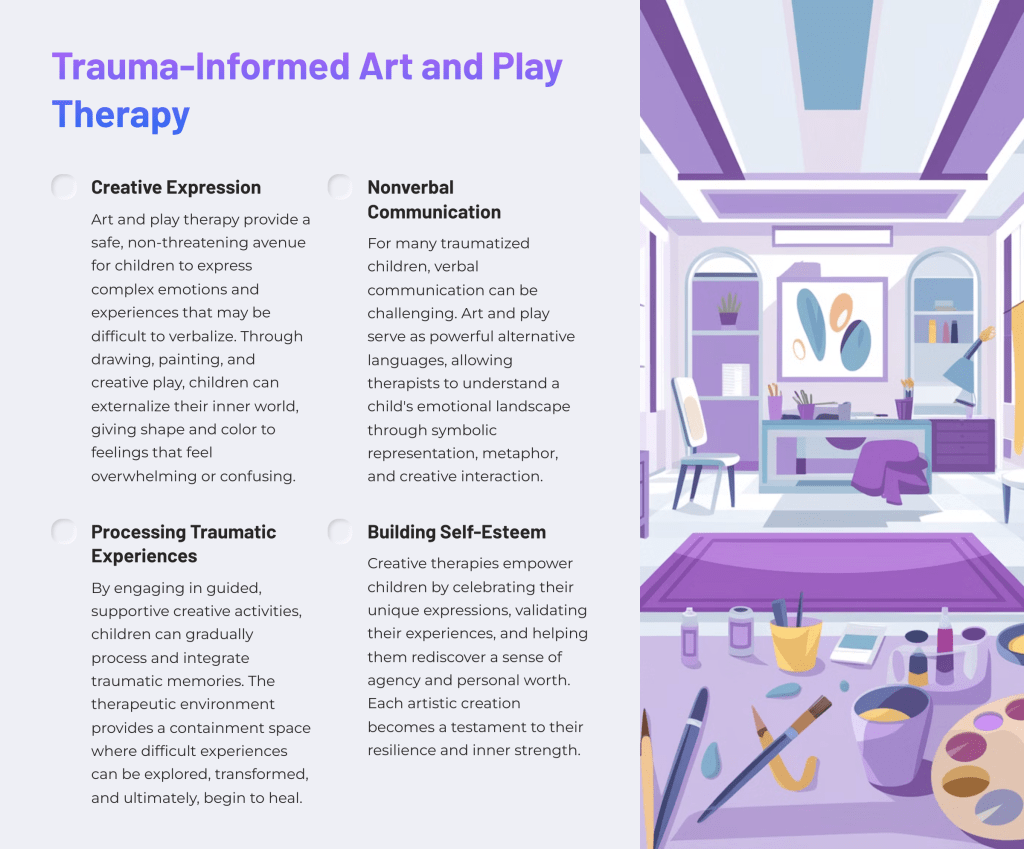
Why Your Best Employees Are Walking Out the Door (And It’s Not About Money)

You just lost another good one.

Sarah from accounting—the one who always stayed late to help with month-end, who trained three new hires without complaining, who seemed genuinely committed to the team. She handed in her notice yesterday, and when HR asked why, she gave the usual polite response: “Better opportunity elsewhere.”

But here’s what she didn’t tell you: She’s been having anxiety attacks in the parking lot before work. The constant criticism from her manager, the impossible deadlines, the way her ideas were dismissed in meetings—it all added up. She didn’t leave for more money. She left because staying was slowly breaking her down.

Sound familiar? If you’re scratching your head, wondering why your best people keep walking away, you’re not alone. And more importantly, you’re not powerless to stop it.

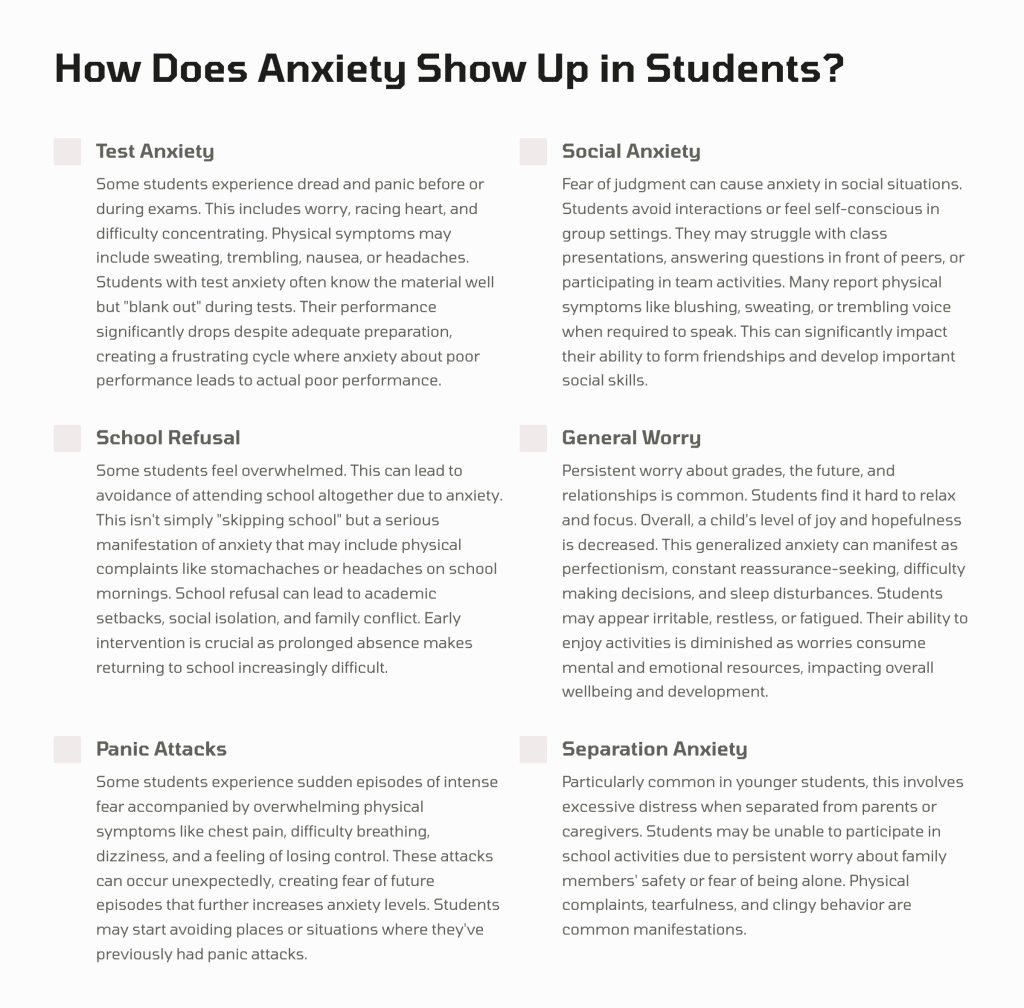
Calm Minds, Bright Futures: Supporting Students Through Anxiety

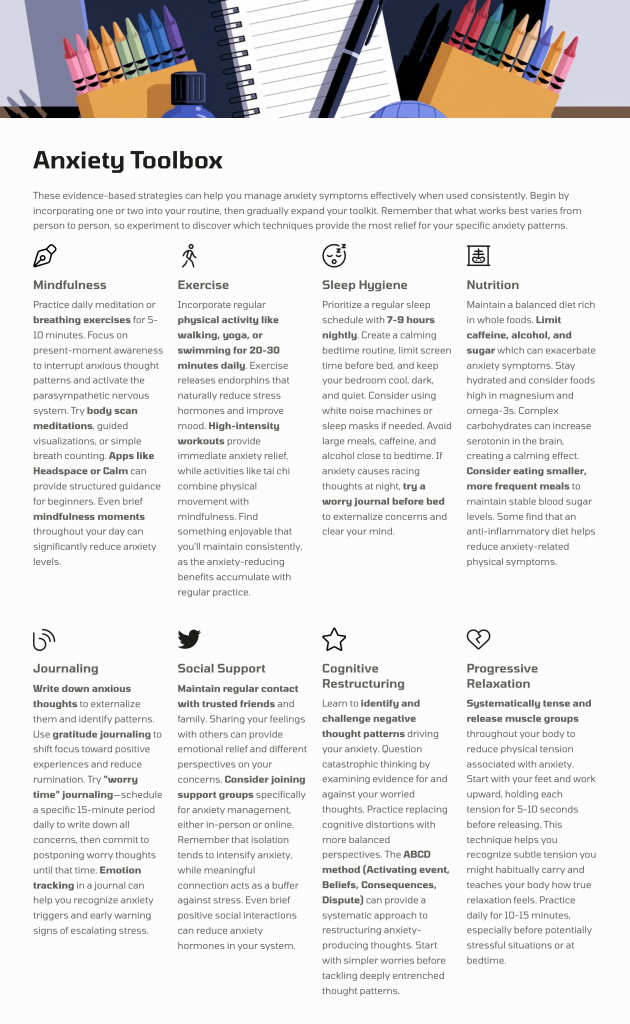
Welcome to this comprehensive guide to understanding and managing students’ anxiety. It is a practical anxiety toolbox strategy for thriving academically and personally.

This guide offers evidence-based approaches to help students recognize anxiety symptoms, understand their triggers, and develop effective coping mechanisms. We’ll explore both immediate relief techniques and long-term strategies.

Whether dealing with test anxiety, social stress, or general worries about the future, this guide provides actionable steps to build resilience and maintain mental well-being throughout your academic journey.

Becoming Trauma Aware for NonClinical Staff in Organizations

Becoming Trauma Aware: Strategies and Tools for Nonclinical Staff

Nonclinical staff are often clients’ first point of contact and play a vital role in creating a supportive environment. Trauma awareness is when individuals have knowledge and education about trauma. By understanding the signs of trauma, nonclinical staff can improve recognition and response, decrease the risk of triggering and retraumatization, prioritize care, make more informed decisions about immediate care needs, and reduce stress and job satisfaction for staff.

Understanding the Signs of Trauma

Here are some typical behavioral, emotional, and physical signs of trauma:

Behavioral:

  • Avoidance: Reluctance to talk about specific topics, social withdrawal, or isolation.
  • Agitation: Irritability, angry outbursts, being on guard, exaggerated startle responses, and difficulty sitting still.
  • Concentration Issues: Trouble paying attention, focusing on questions, memory problems, forgetfulness, difficulty absorbing information, and zoning out.
  • Risky Behaviors: Engaging in dangerous activities, thrill-seeking behaviors, increased accidents, self-harming behaviors, and substance use to cope with distressing emotions or memories.
  • Sleep Pattern Disturbances: Insomnia or difficulty falling asleep, excessive sleep, fatigue, nightmares, terrors, and sleep deprivation.

Emotional:

  • Emotional Numbing: A protective mechanism when other coping mechanisms have failed.
  • Difficulty Feeling Positive Emotions: Trauma interferes with standard emotional processing.

Physical:

  • Chronic Pain and Aches: Trauma activates the body’s stress response system, disrupting mood regulation and leading to physical symptoms.
  • Fatigue:
  • Lack of Sleep and Appetite:
  • Headaches and Stomach Problems:

Trauma-Informed Care Principles

By implementing trauma-informed care principles, organizations can create supportive environments that improve client outcomes. These principles foster healing, resilience, and well-being for clients and staff. The six key principles are:

  1. Safety (physical and emotional): Creating a space where clients feel safe and secure is paramount.
  2. Trustworthiness and Transparency: Open and honest communication builds trust and makes clients more comfortable.
  3. Peer Support: Connecting with others who have shared similar experiences can be incredibly validating and empowering for clients.
  4. Collaboration and Mutuality: Rather than dictating treatment plans, working with clients empowers them and ensures their voices are heard.
  5. Empowerment, Voice, and Choice: Giving clients choices and control over their care helps them regain a sense of agency and promotes self-determination.
  6. Cultural, Historical, and Gender Responsiveness: Recognizing and respecting clients’ diverse backgrounds and experiences is crucial for providing culturally competent care.

Five Guiding Values and Principles for Trauma-Informed Interactions

Harris and Fallot (2001) proposed five guiding values and principles to ensure a trauma-informed approach in any organization. These values can be applied at a worker-to-client level, a worker-to-worker level, and a leadership-to-worker level:

  1. Safety: Ensuring emotional safety by being attentive to signs of individual discomfort and recognizing these signs in a trauma-informed way.
  2. Trustworthiness: Providing clear information about processes and procedures, maintaining respectful boundaries, and prioritizing privacy and confidentiality.
  3. Choice: Providing individuals with choices and a voice throughout their experience in the organization.
  4. Collaboration: Creating an environment of “doing with” rather than “doing to” by flattening the organizational power hierarchy and giving all individuals a significant role in planning and evaluating.
  5. Empowerment: Recognizing and building on individual strengths and skills, highlighting supportive practices, communicating a realistic sense of hope, and fostering an atmosphere of validation and affirmation.

Trauma-Sensitive Language

Using trauma-sensitive language is essential in creating a supportive atmosphere for clients. It involves using words and phrases that are respectful, validating, and empowering. Here are some examples of trauma-sensitive language:

  • Instead of “What happened to you?” ask, “Can you tell me more about your experiences?”
  • Instead of “You need to…”, offer choices by saying “It might be helpful to…”
  • Instead of “Calm down,” validate the client’s emotions and seek to understand by asking, “What can I do to help you feel more comfortable?”
  • Instead of “Are you sure?” validate their perspective with “I hear that you’re saying…is that right?”
  • Instead of “You should have…” avoid judgment and blame by saying, “It sounds like that was a difficult situation.”

When interacting with clients, it’s crucial to:

  • Stay calm, and speak softly and gently.
  • Stay focused on the present.
  • Get help if you need it.
  • Offer reassurance: “I am here to help.” “It’s okay; take your time; there is no rush.”
  • Be sensitive to triggers: “If anything I say brings up difficult feelings, please let me know. It’s ok to take a break if you need it.”
  • Acknowledge the client’s resilience: “You’ve overcome so much already,” or “Your strength in facing these difficulties is commendable.”

Strengths-Based Language

Using strengths-based language focuses on the client’s abilities and resilience rather than their deficits. Examples of strengths-based language include:

  • “I admire your courage in sharing your story with me.”
  • “You have shown great determination in facing your challenges.”
  • “Your ability to reflect on your experiences is a powerful tool for growth.”
  • “Let’s identify your skills to help you navigate this situation.”
  • “You have a unique perspective that can guide us in finding solutions.”

Trauma Champions

Forming an internal Champion Team is one of the most important ways to ensure the overall sustainability of trauma-informed culture change. Champions prioritize the trauma-informed lens in all areas of organizational functioning and assist in developing workforce learning around a trauma-informed approach.

By understanding and implementing these strategies and tools, nonclinical staff can create a more supportive and empowering environment for clients who have experienced trauma.

“Unlocking the Secrets of Epigenetics: How Our Experiences Shape Us!”

Have you ever wondered why some people react differently to stress or scary situations? The answer might be in something called epigenetics. Let’s explore what this big word means and how it helps us understand trauma.

What is Epigenetics?

Epigenetics is like a special switch for our genes. Our genes tell our body how to work, but epigenetics can turn these instructions on or off. It’s like a light switch that can make a room bright or dark, but the light bulb doesn’t change.

How Does Trauma Affect Our Genes?

When someone goes through something really scary or upsetting (we call this trauma), it can flip some of these epigenetic switches. This means that even after the scary thing is over, the person’s body might still act like it’s in danger.

Can Trauma be Passed Down?

Scientists have found that these switched genes can sometimes be passed from parents to their children. It’s a bit like inheriting your mom’s hair color, but instead, you might inherit how your body reacts to stress.

What is Trauma-Informed Care?

Trauma-informed care is when doctors, teachers, and other helpers understand that bad experiences can change how a person’s body and mind work. They use this knowledge to help people feel safe and get better.

How Does Epigenetics Help with Trauma-Informed Care?

By understanding epigenetics, helpers can:

  1. Know that a person’s reactions might be because of past experiences
  2. Find better ways to help people who have been through trauma
  3. Create plans that help not just one person but whole families

The Good News

The best part about epigenetics is that these switches can be changed again! With the right help and care, people can learn new ways to cope with stress and feel better.

What Can We Do?

  • Be kind to others – you never know what they’ve been through
  • Talk to a grown-up if you’re feeling scared or upset
  • Remember that it’s okay to ask for help

Epigenetics shows us that our experiences can change us, but we can help ourselves and others heal and grow stronger with understanding and care.

Citations:
[1] https://arkansasadvocate.com/2023/07/05/understanding-epigenetics-how-trauma-is-passed-on-through-our-family-members/
[2] https://pmc.ncbi.nlm.nih.gov/articles/PMC9705591/
[3] https://www.ca18211.eu/courses/trauma-informed-care-and-epigenetics/
[4] https://pmc.ncbi.nlm.nih.gov/articles/PMC6127768/
[5] https://www.scientificamerican.com/article/how-parents-rsquo-trauma-leaves-biological-traces-in-children/
[6] https://therapist.com/trauma/generational-trauma-epigenetics/
[7] https://jamanetwork.com/journals/jama/fullarticle/2797220
[8] https://newsinhealth.nih.gov/2016/03/understanding-anxiety-disorders

Dealing With Your Traumatic Memories

Finding A Pathway to Healing

Traumatic memories can cast long shadows over our lives, affecting our mental, emotional, and physical well-being. Whether stemming from childhood abuse, accidents, or other life-altering events, these memories can remain buried in our subconscious, influencing our behavior and thoughts in ways we may not fully understand. Though often challenging and painful, confronting these memories is crucial to healing and reclaiming control over our lives.

The Nature of Traumatic Memories

Traumatic memories differ from regular memories in intensity and how they are stored in the brain. They often remain fragmented and disjointed, resurfacing unexpectedly and triggering intense emotional and physical reactions. These memories can lead to symptoms of PTSD, anxiety, depression, and other mental health issues if not addressed.

Why Confront Traumatic Memories?

1. Breaking the Cycle of Avoidance

Avoidance is a common coping mechanism for dealing with trauma. We may avoid places, people, or situations that remind us of the traumatic event. While this can provide temporary relief, it often reinforces the trauma, making it more challenging to manage in the long run. Confronting traumatic memories helps break this cycle, reducing the power they hold over us.

2. Processing and Integration

Facing traumatic memories allows for the processing and integrating these experiences into our broader life narrative. This process can transform fragmented, distressing memories into coherent stories we can understand and accept. This integration diminishes the emotional charge associated with these memories, reducing their impact on our daily lives.

3. Regaining Control

Trauma can leave us feeling powerless and out of control. By confronting our traumatic memories, we reclaim agency over our experiences. This empowerment is a critical step in healing, allowing us to move from being victims of our past to active participants in our recovery.

4. Improving Mental and Physical Health

Unresolved trauma is linked to a range of mental and physical health issues, including chronic stress, anxiety, depression, and even physical ailments like cardiovascular disease and weakened immune function. Addressing traumatic memories can alleviate these symptoms, improving overall health and well-being.

How to Confront Traumatic Memories Safely

1. Seek Professional Support

Working with a mental health professional trained in trauma-informed care is essential. Therapies such as Cognitive Behavioral Therapy (CBT), Eye Movement Desensitization and Reprocessing (EMDR), and Somatic Experiencing can provide structured and supportive environments to process traumatic memories.

2. Create a Safe Environment

Ensure that you are in a safe, supportive environment when addressing traumatic memories. This might involve creating a comfortable physical space, having trusted friends or family members nearby, and practicing self-care routines promoting safety and stability.

3. Take it Slow

Confronting trauma is not a race. It’s essential to go at your own pace and not force yourself to relive painful experiences before you’re ready. Gradual exposure and processing are key to ensuring the process is therapeutic rather than re-traumatizing.

4. Use Grounding Techniques

Grounding techniques can help manage intense emotions and connect you to the present moment. Techniques such as deep breathing, mindfulness, and focusing on physical sensations can provide immediate relief when confronting difficult memories.

Confronting traumatic memories is a challenging but vital step towards healing. By facing these memories, we can break the cycle of avoidance, process and integrate our experiences, regain control, and improve our overall health. With the support of trained professionals and a safe, gradual approach, we can transform our trauma from a source of pain into a pathway to resilience and growth. Remember, the healing journey is personal and unique—take it one step at a time and honor your progress.

Here’s a list of trauma therapy techniques and models that are widely used to help individuals process and heal from traumatic memories:

Trauma Therapy Techniques and Models

  1. Eye Movement Desensitization and Reprocessing (EMDR):
  • Uses guided eye movements or other forms of bilateral stimulation to help the brain process and integrate traumatic memories.
  1. Cognitive Behavioral Therapy (CBT):
  • Focuses on identifying and changing negative thought patterns and behaviors associated with trauma. A specific form, Trauma-Focused CBT (TF-CBT), is often used with children and adolescents.
  1. Prolonged Exposure Therapy (PE):
  • Involves gradual exposure to trauma-related memories, emotions, and situations to reduce the distress they cause over time.
  1. Somatic Experiencing (SE):
  • Emphasizes the body’s role in trauma recovery, helping individuals release stored trauma through body awareness and physical sensations.
  1. Narrative Therapy:
  • Encourages individuals to rewrite their trauma story, reframing their experiences and separating their identity from the traumatic event.
  1. Internal Family Systems (IFS):
  • Helps individuals identify and heal different “parts” of themselves that may hold trauma, such as protective or wounded parts.
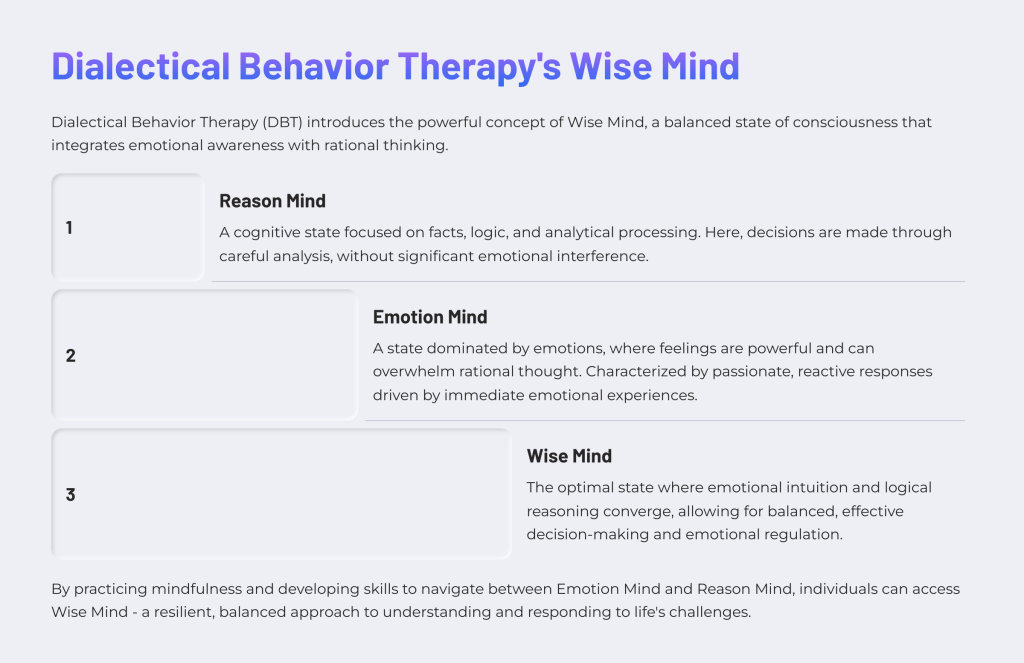
  1. Dialectical Behavior Therapy (DBT):
  • Combines CBT techniques with mindfulness, distress tolerance, and emotion regulation, which are especially helpful for trauma survivors with complex emotional responses.
  1. Trauma-Focused Cognitive Behavioral Therapy (TF-CBT):
  • A specialized form of CBT designed specifically for trauma, often involving both the individual and their caregivers.
  1. Psychodynamic Therapy:
  • Explores unconscious patterns and past experiences that influence current behavior, often delving into childhood trauma.
  1. Brainspotting:
    • Utilizes eye positioning to identify, process, and release trauma stored deep in the brain.
  2. Sensorimotor Psychotherapy:
    • Integrates somatic (body-based) therapy with cognitive and emotional processing to address how trauma affects the body.
  3. Mindfulness-Based Stress Reduction (MBSR):
    • Uses mindfulness and meditation techniques to increase awareness and acceptance of thoughts and feelings related to trauma.
  4. Accelerated Resolution Therapy (ART):
    • Combines elements of EMDR with guided visualization to change the way traumatic memories are stored in the brain.
  5. Emotional Freedom Technique (EFT) / Tapping:
    • Involves tapping on specific acupuncture points while focusing on traumatic memories, aiming to reduce emotional distress.
  6. Exposure and Response Prevention (ERP):
    • Gradually exposes individuals to trauma-related triggers while helping them manage their responses, often used for PTSD and OCD.
  7. Hypnotherapy:
    • Uses guided relaxation and focused attention to access and process trauma stored in the subconscious mind.
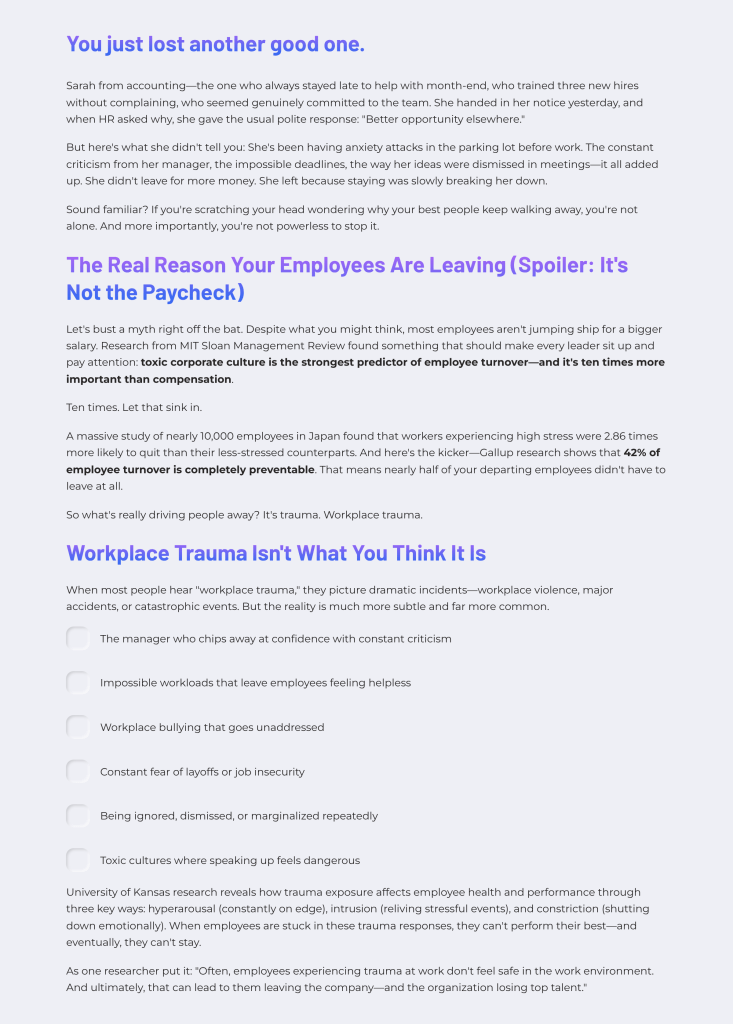
  8. Art Therapy:
    • Encourages the expression of trauma through creative outlets like drawing, painting, or sculpture, facilitating emotional release and processing.
  9. Play Therapy (for children):
    • Allows children to express and process trauma through play, a natural medium for young minds.
  10. Group Therapy for Trauma Survivors:
    • Provides a supportive environment where individuals can share their experiences, learn from others, and gain a sense of community.
  11. Narrative Exposure Therapy (NET):
    • Combines narrative techniques with trauma processing to create a coherent life story, particularly effective for survivors of complex trauma.

These techniques vary in their approaches but share the goal of helping individuals confront, process, and heal from traumatic memories. Each method can be tailored to the individual’s needs, allowing for a personalized path to recovery. Let me know if you’d like more information on these techniques!

Helping Your ADHD Child Succeed in School

Strategies for Parents of Children with ADHD

Raising a child with ADHD presents unique challenges, especially when it comes to succeeding in school. Understanding these challenges and implementing effective strategies can make a significant difference in your child’s educational experience.

Common Challenges for Children with ADHD in School

  1. Distractibility and Inattention: Children with ADHD often struggle to focus on tasks. They can be easily distracted by noises or their own thoughts. This distraction leads to missed classroom information[5].
  2. Hyperactivity and Impulsivity: The need to move and difficulty with impulse control can make it hard for children to sit still. These children often struggle to stay seated. Listening quietly is often required in a classroom setting[5].
  3. Organizational Difficulties: Many children with ADHD have trouble organizing their school materials, managing time, and breaking assignments into manageable parts[2].
  4. Social Challenges: ADHD can affect social interactions, leading to difficulties in maintaining friendships and interacting with peers and teachers[3].
  5. Emotional Regulation: Children with ADHD may struggle with managing their emotions. This can lead to frustration and stress. This is especially true when tasks seem overwhelming[4].

Strategies to Help Children with ADHD Succeed in School

  1. Create a Structured Environment: Provide a consistent routine at home and work with teachers to make sure a structured classroom environment. This helps children know what to expect and reduces anxiety[1][2].
  2. Positive Reinforcement: Use a rewards system to encourage positive behavior and academic engagement. Recognizing achievements, no matter how small, can boost confidence and motivation[4].
  3. Develop Organizational Skills: Teach your child how to organize their schoolwork and break tasks into smaller, more manageable steps. Tools like planners or checklists can be helpful[2].
  4. Encourage Physical Activity: Allow for regular breaks and physical activity to help manage hyperactivity. This can include short exercises or simply allowing the child to move around during lessons[4].
  5. Collaborate with Educators: Keep open communication with your child’s teachers. Ensure they understand your child’s needs. They can then provide appropriate accommodations, such as extra time for tests or a quiet space for work[5].
  6. Focus on Social Skills: Help your child develop social skills through role-playing or social skills groups. Encourage positive interactions with peers to build friendships[3].
  7. Emotional Support: Teach your child strategies for managing emotions, such as deep breathing or positive self-talk. Building self-awareness can help them cope with stress and frustration[1].

Parents can play a crucial role in helping their children with ADHD succeed in school and beyond. This can be achieved by understanding the challenges and implementing these strategies.

Citations:
[1] https://www.beyondbooksmart.com/executive-functioning-strategies-blog/how-does-adhd-in-children-impact-academic-performance
[2] https://rvapediatrics.com/ADHD%E2%80%94Why-Is-My-Child-Having-Trouble-in-School
[3] https://www.cdc.gov/adhd/articles/school-changes-helping-children.html
[4] https://www.graduateprogram.org/2022/08/the-challenges-adhd-students-face/
[5] https://www.helpguide.org/articles/add-adhd/attention-deficit-disorder-adhd-and-school.htm
[6] https://childmind.org/article/whats-adhd-and-whats-not-in-the-classroom/
[7] https://kidshealth.org/en/parents/adhd-school.html
[8] https://www.helpguide.org/articles/add-adhd/attention-deficit-disorder-adhd-in-children.htm

Understanding Traumas Impact on Individuals and Communities

Trauma is not just an individual experience; it ripples through families, neighborhoods, and entire communities, shaping the social fabric and influencing the well-being of all its members.” – Dr. Judith Herman, Clinical Psychologist and Trauma Expert.

Trauma is a pervasive and often misunderstood experience that can have profound effects on individuals and communities. Understanding the nature of trauma, its impact, and the expected reactions it elicits is crucial for building a supportive and empathetic community. 

In this issue of the Trauma Champions Newsletter, we will explore the definition of trauma, its far-reaching effects, and the different types of trauma that individuals may experience. By gaining a deeper understanding of trauma, we can better support those who have been affected and work towards creating trauma-informed communities.

Defining Trauma: 

Trauma is not limited to physical injuries; it encompasses emotional and psychological wounds that result from distressing events or experiences. These events can be singular, such as an accident or natural disaster, or prolonged, such as ongoing abuse or neglect. Trauma can also result from systemic injustices, discrimination, or the effects of war and conflict. It is essential to recognize that trauma is a deeply personal experience, and individuals may respond differently to similar events based on their unique circumstances and resilience.

Impact on Individuals and Communities:

The impact of trauma extends beyond the individual, affecting families, neighborhoods, and entire communities. Trauma can disrupt social connections, erode trust, and create cycles of adversity that perpetuate its effects. It may manifest in various ways, including mental health challenges, substance abuse, relationship difficulties, and physical health issues. Furthermore, trauma can contribute to the perpetuation of violence, crime, and social instability if left unaddressed. Understanding the collective impact of trauma is essential for fostering a compassionate and supportive community environment.

Types of Trauma and Common Reactions: 

Trauma can take many forms, each with its own challenges and responses. Some common types of trauma include:

  • Acute Trauma: Resulting from a single distressing event, such as an accident, assault, or natural disaster.
  • Complex Trauma: Arising from prolonged exposure to traumatic experiences, such as childhood abuse, domestic violence, or war trauma.
  • Intergenerational Trauma: Transmitted across generations, often stemming from historical injustices, colonization, or cultural trauma.
  • Systemic Trauma: Caused by institutional oppression, discrimination, and social inequalities that impact marginalized communities.

Individuals’ reactions to trauma can vary widely, encompassing emotional distress, dissociation, hypervigilance, and a range of coping mechanisms. Recognizing that these responses are adaptive strategies developed in the face of overwhelming experiences is essential.

For more in-depth insights and education on trauma, the following resources can provide valuable information and guidance:

  • The National Child Traumatic Stress Network (NCTSN) offers various resources and training materials on trauma-informed care and trauma response.
  • The Substance Abuse and Mental Health Services Administration (SAMHSA) provides publications, toolkits, and webinars on trauma-informed approaches and trauma-specific interventions.
  • Trauma-Informed Care Implementation Resource Center: Offers practical guidance and best practices for implementing trauma-informed care in various settings, including communities and organizations.

By educating ourselves and our communities about the nature of trauma and its impact, we can take meaningful steps toward creating environments that support healing, resilience, and understanding for all individuals affected by trauma.

Healing Strategies for Trauma’s Impact on Communities: 

  1. Community-Based Support Programs: Establishing support groups and community-based programs that provide a safe space for individuals to share their experiences, receive empathy, and access resources. Peer support and group interventions can foster a sense of connection and understanding among community members.
  2. Trauma-Informed Education and Training: Implementing training programs to educate community members, including educators, healthcare providers, and law enforcement, about trauma-informed care and its impact. This can help create a more supportive and understanding environment for those affected by trauma.
  3. Culturally Responsive Services: Developing culturally responsive services that respect and honor the diverse backgrounds and experiences within the community. This includes providing language-specific resources, culturally sensitive mental health support, and addressing the unique needs of different cultural groups.
  4. Community Resilience-Building Initiatives: Engaging in community-building activities, such as art therapy workshops, mindfulness practices, and community events that promote resilience and positive coping strategies. These initiatives can strengthen social connections and promote a sense of collective well-being.
  5. Advocacy and Policy Changes: Engaging in advocacy efforts to influence policy changes and resource allocation that address the systemic issues contributing to trauma within the community. This may involve advocating for increased access to mental health services, trauma-informed schools, and social support programs.
  6. Engaging in Collective Healing Rituals: Creating opportunities for collective healing rituals, such as community gatherings, memorial events, and storytelling circles, to honor the experiences of those affected by trauma and provide a space for communal healing and reflection.

These strategies can create a more supportive, resilient community that fosters healing and empowerment for traumatized individuals.

Back-To-School Stress: Supporting Anxious Children and Coping with School Refusal

As summer days give way to the crisp air of autumn, a familiar but often challenging chapter unfolds in the lives of many families: the return to school. While back-to-school excitement fills the air for some, it’s essential to acknowledge that many children experience varying degrees of anxiety, panic, or outright refusal when faced with the prospect of returning to the classroom. This article aims to shed light on the common phenomenon of back-to-school stress, with a particular focus on parents whose children are feeling anxious, panicky, or refusing to go to school.

Understanding Back-to-School Stress

Back-to-school stress is a perfectly normal response to the significant changes that come with the start of a new school year. Even under typical circumstances, children might experience heightened anxiety as they grapple with new teachers, classmates, schedules, and academic challenges. However, the COVID-19 pandemic has introduced a new layer of complexity to this issue. Extended periods of remote learning, social isolation, and uncertainty have intensified feelings of anxiety in many students.

Identifying the Signs

Parents should be vigilant in recognizing signs of back-to-school stress in their children, which can manifest in various ways. Some common indicators include:

  1. Physical Symptoms: Headaches, stomachaches, nausea, and sleep disturbances are often physical manifestations of stress in children.
  2. Emotional Changes: Increased irritability, mood swings, tearfulness, or clinginess may signal underlying anxiety.
  3. Behavioral Shifts: Refusal to attend school, withdrawal from friends and family, and reluctance to participate in activities they once enjoyed are red flags.
  4. Academic Struggles: A sudden drop in academic performance can be a sign that a child is struggling to cope with stress.
  5. Expressing Worry: Children may voice concerns about various aspects of school, such as making friends, academic pressure, or fear of bullying.

Supporting Anxious Children

  1. Open Communication: Encourage open and non-judgmental communication with your child. Let them express their fears and concerns without interruption, and validate their feelings.
  2. Normalize Anxiety: It’s essential to normalize anxiety as a common human experience. Share your own experiences with stress and discuss healthy ways to manage it.
  3. Establish Routines: Predictable routines provide a sense of security and can help alleviate anxiety. Create a daily schedule that includes time for homework, relaxation, and family activities.
  4. Practice Relaxation Techniques: Teach your child relaxation techniques such as deep breathing, meditation, or mindfulness exercises to manage stress.
  5. Seek Professional Help: If your child’s anxiety is severe or persistent, consider consulting a mental health professional who specializes in working with children and adolescents.

Overcoming School Refusal

School refusal, when a child adamantly refuses to attend school, can be an alarming development for parents. It’s essential to address this issue promptly:

  1. Identify the Underlying Cause: School refusal can stem from various factors, such as academic pressure, social anxiety, bullying, or a fear of separation from parents. Pinpointing the root cause is crucial.
  2. Collaborate with School Personnel: Work closely with teachers, counselors, and school administrators to develop a plan for easing your child back into school. They can offer valuable insights and support.
  3. Gradual Reintegration: Start with shorter school days or partial attendance if necessary, gradually increasing the time your child spends in school.
  4. Professional Help: Consider seeking help from a child psychologist or therapist who specializes in school refusal. They can provide strategies and interventions tailored to your child’s needs.

Back-to-school stress is a common experience for many children, but it can be particularly challenging for those who feel anxious, panicky or refuse to go to school. As parents, it’s our responsibility to provide support, understanding, and guidance during these challenging times. By recognizing the signs, maintaining open communication, and seeking professional help when necessary, we can help our children overcome their anxieties and ensure a successful return to school. Remember that you’re not alone in this journey, and there are resources available to assist both you and your child in navigating back-to-school stress.