Finding Light in Dark Times: The Science of Positive Coping

When life hits hard, most of us naturally focus on damage control. We try to solve problems, push through negative feelings, or simply survive until things get better. But what if there’s another way to cope—one that doesn’t ignore the tough stuff but adds something powerful to the mix?

A Different Approach to Stress

Professor Judith Moskowitz, a researcher at Northwestern University, stumbled onto something important while studying people going through one of life’s most difficult experiences: watching a partner die from AIDS. She was asking participants about their stress, pain, and struggles when something unexpected occurred. The participants pushed back.

“You’re only asking us about the bad stuff,” they told her. “What about the good things that are helping us get through this?”

At first, this seemed almost impossible. How could people facing such devastating loss talk about positive experiences? But as Moskowitz listened, she realized something profound: even in the darkest moments, people were finding glimmers of light. And those who could see these bright spots seemed to be coping better overall.

This observation changed everything. Instead of focusing solely on reducing negative emotions, Moskowitz began studying how positive emotions could serve as a tool for handling life’s inevitable challenges.

It’s Not About Pretending Everything’s Fine

Before we go further, let’s be clear about what this approach is not. It’s not about slapping on a fake smile, pretending problems don’t exist, or falling into the trap of “toxic positivity”—that harmful idea that you should just think your way out of every situation.

Life is complicated, and so are our emotions. You can feel grateful and sad at the same time. You can find moments of joy even while grieving. You can appreciate a sunset while worrying about tomorrow. The goal isn’t to replace difficult emotions but to make room for helpful ones alongside them.

Think of it like this: if you’re walking through a storm, you don’t pretend it’s sunny. But you might notice a sturdy tree that offers shelter, or feel grateful for the warm coat you’re wearing. The storm is still real, but you’re not missing the resources that can help you weather it.

A Toolkit for Tough Times

Moskowitz and her team developed a practical set of skills that anyone can learn and use. These aren’t magic solutions—they’re more like exercises for your emotional well-being. Just like physical exercise, they are most effective when practiced regularly.

Notice the Good Stuff

This might sound obvious, but when we’re stressed, our brains naturally focus on threats and problems. We must intentionally seek out positive moments, no matter how small. Maybe it’s your morning coffee tasting just right, a text from a friend, or noticing that the traffic light turned green just as you approached it.

The key is actively paying attention. Good things happen every day, but we often miss them when we’re caught up in our worries.

Savor the Positive Moments

When something good does happen, don’t let it slip by unnoticed. Take a moment to really experience it. Share it with someone, write it down, or simply pause to appreciate it fully. Think of it like a slow-motion replay for positive experiences—you’re amplifying the good feeling by giving it your full attention.

Practice Gratitude

This goes beyond just saying “thanks.” It’s about intentionally noticing things you appreciate, from the big (having people who love you) to the small (having clean water to drink). Some people keep gratitude journals, others just take a few minutes each day to mentally list what they’re thankful for.

Stay Present

When we’re stressed, our minds often race between past regrets and future worries. Mindful awareness means gently bringing your attention back to the present moment. This isn’t about meditation retreats or complicated techniques—it can be as simple as focusing on your breathing for a few minutes or really noticing what you’re seeing, hearing, or feeling right now.

Being present also helps you notice those joyous moments that are easy to miss when your mind is elsewhere.

Look for Silver Linings

Positive reappraisal means finding ways to reframe challenging situations. This isn’t about convincing yourself that bad things are actually good—it’s about looking for any genuine positives that might exist alongside the negatives.

Perhaps a job loss led to the discovery of a new career path. Possibly a health scare motivated you to take better care of yourself. Or maybe a difficult situation taught you something about your own strength. Moskowitz says this is her personal go-to skill because it can be used in almost any situation.

Recognize Your Strengths

When life feels overwhelming, it’s easy to feel helpless. But you have resources, skills, and strengths that have helped you through tough times before. Taking time to identify these qualities—whether it’s your sense of humor, your ability to listen to others, or your determination—can remind you that you’re not powerless.

Set Small, Achievable Goals

Big problems can feel impossible to solve, but breaking them down into tiny, manageable pieces makes them less overwhelming. Instead of “get my life together,” try “organize one drawer today” or “call one person back.” Each small accomplishment gives you a little boost of positive emotion and builds momentum.

Moskowitz found this particularly helpful during the pandemic, when everything felt uncertain and out of control.

Do Something Kind

Helping others—even in small ways—shifts your focus outward and often brings unexpected positive feelings. It doesn’t have to be dramatic. You might let someone merge in traffic, send an encouraging text, or help a neighbor with their groceries.

Acts of kindness remind us that we can still make a positive difference, even when we’re struggling ourselves.

Be Gentle with Yourself

Self-compassion means treating yourself with the same kindness you’d show a good friend going through a hard time. Instead of harsh self-criticism, try to understand that suffering is a natural part of being human, and you deserve care and patience, especially from yourself.

The Evidence Is Real

This might all sound like common sense, but research shows these practices actually work. Studies have found connections between gratitude and improved physical health. Moskowitz’s own research has shown that people who learn these skills experience improved emotional well-being, and some studies are even finding effects on physical health measures.

The approach has been tested with people facing various challenges: those dealing with depression, caregivers, people with chronic pain, and everyday folks just trying to cope with life’s stresses.

Making It Work in Real Life

Like physical fitness, these emotional skills require regular practice to see sustained benefits. You can’t just try gratitude once and expect lasting change. The key is building these practices into your daily routine until they become as automatic as brushing your teeth.

Start small. Pick one or two skills that resonate with you and practice them for a few weeks. Notice what happens. You might be surprised at how such simple practices can help you feel more resilient and capable of handling whatever life throws your way.

The Bottom Line

When you’re going through tough times, don’t underestimate the power of positive emotions. They’re not frivolous add-ons to “real” coping—they’re legitimate tools that can help you navigate challenges more effectively.

You don’t have to choose between acknowledging your problems and finding moments of positivity. You can do both. And when you do, you might find that you’re not just surviving difficult times—you’re building skills that make you stronger for whatever comes next.

The research is clear: these simple practices might seem small, but their impact can be significant. In a world that often feels overwhelming, that’s a message worth holding onto.

The Cost of Caring: Burnout and Its Kin

Mental health professionals enter their field with a deep desire to help others heal and grow. Yet paradoxically, the very act of caring that draws them to this work can become a source of profound personal distress. Understanding burnout and its related phenomena is crucial for both individual practitioners and the field of mental health as a whole.

Understanding Burnout: More Than Just Being Tired

Burnout is formally recognized as an occupational phenomenon resulting from chronic workplace stress that has not been successfully managed. It manifests through three distinct dimensions: overwhelming exhaustion that exceeds normal fatigue, depersonalization, where providers develop cynical attitudes toward their work and clients, and a diminished sense of personal accomplishment or efficacy in their professional role.

This isn’t simply about having a bad day or feeling overwhelmed occasionally. Burnout represents a systematic erosion of engagement, energy, and effectiveness that develops over time in response to chronic stressors in the workplace environment.

The Family of Caring-Related Stress

While burnout is perhaps the most widely recognized form of work-related distress among mental health professionals, it exists alongside several related but distinct phenomena that can profoundly impact practitioners.

Compassion Fatigue represents a decreased capacity to empathize or feel compassion for others, resulting from repeated exposure to client suffering and trauma, unlike burnout, which primarily relates to workplace conditions, compassion fatigue explicitly addresses the emotional toll of witnessing pain and distress. Practitioners may find themselves becoming emotionally numb or struggling to connect with clients’ experiences in ways that once came naturally.

Vicarious Trauma involves negative changes in a practitioner’s worldview, spirituality, or internal experience that result from cumulative exposure to client trauma narratives. This isn’t about developing specific symptoms, but rather about how repeatedly hearing traumatic stories can alter one’s fundamental beliefs about safety, trust, and meaning in the world. A therapist working with abuse survivors, for example, might find their own sense of security in relationships becoming compromised.

Secondary Traumatic Stress (STS) manifests as trauma-related symptoms—such as intrusive thoughts, avoidance behaviors, or hypervigilance—that develop as a result of witnessing or hearing about another person’s trauma. Unlike vicarious trauma, which develops gradually, STS can have a relatively quick onset and presents with symptoms similar to those experienced by direct trauma survivors.

The Perfect Storm: Contributing Factors in Mental Health Settings

Mental health work environments often create conditions that are particularly conducive to burnout and related stress responses. High caseloads mean practitioners juggle numerous complex cases simultaneously, each requiring significant emotional and cognitive resources. The severity and complexity of client presentations have increased over time, while resources and support systems have often remained static or decreased.

A lack of autonomy and control over working conditions exacerbates these challenges. Many mental health professionals find themselves constrained by institutional policies, insurance requirements, and administrative demands that conflict with their clinical judgment or values. When practitioners cannot practice in ways that align with their professional standards or personal values, the resulting moral distress contributes significantly to burnout.

The reward structure in mental health work is often misaligned with the demands of the job. While the work is emotionally intensive and requires high levels of skill and training, compensation frequently fails to reflect this reality. Recognition for good work may be minimal, while criticism for poor outcomes can be harsh and public.

Community and collegiality serve as crucial buffers against work-related stress, yet many mental health settings struggle with isolation, competition, and lack of meaningful peer support. When practitioners feel isolated in their struggles or are unable to process complex cases with colleagues, the burden of care becomes exponentially heavier.

Perceived unfairness in workload distribution, advancement opportunities, or organizational decision-making processes creates additional stress. When practitioners feel that their workplace operates according to different standards or that some individuals receive preferential treatment, it undermines their investment in the organization and their commitment to the work.

Perhaps most significantly, the emotionally taxing nature of mental health work itself creates unique challenges. Practitioners regularly encounter human suffering, crisis situations, and complex ethical dilemmas. They must maintain therapeutic boundaries while remaining genuinely engaged, balance hope with realism, and navigate the delicate process of facilitating change while respecting client autonomy.

Staffing shortages and high turnover rates create a vicious cycle. The remaining staff must absorb additional responsibilities, making it even more challenging to provide quality care and maintain a work-life balance. The constant need to orient new staff members and the loss of experienced colleagues further erode the stability and support that might otherwise buffer against stress.

The Ripple Effect: Consequences for Providers and Clients

The impact of burnout extends far beyond individual discomfort, creating cascading effects that touch every aspect of mental health service delivery.

For practitioners themselves, burnout takes a severe toll on both physical and mental health. Chronic stress contributes to cardiovascular problems, compromised immune function, sleep disturbances, and increased susceptibility to anxiety and depression. The irony of mental health professionals struggling with their own psychological well-being while trying to help others cannot be overstated.

Professional disengagement follows naturally from burnout. Practitioners may find themselves going through the motions, providing adequate but uninspired care, or avoiding challenging cases. The creativity, empathy, and genuine connection that characterize excellent mental health treatment become casualties of chronic stress and exhaustion.

Ultimately, many burned-out practitioners leave the field entirely, representing a devastating loss of training, experience, and institutional knowledge. This exodus particularly affects specialized areas of practice and underserved populations, where experienced practitioners are already in short supply.

The consequences for clients are equally serious. Reduced access to services occurs as practitioners leave the field or reduce their availability. Those who remain may provide lower-quality care, lacking the energy and engagement necessary for effective treatment. Continuity of care suffers as clients must repeatedly establish new therapeutic relationships, disrupting progress and potentially retraumatizing vulnerable individuals.

Perhaps most concerning, burned-out practitioners may inadvertently cause harm through impaired judgment, boundary violations, or inadequate attention to safety issues. When the helpers are struggling, everyone suffers.

Moving Forward: Recognition as the First Step

Understanding burnout and its related phenomena is not about creating despair or discouraging people from mental health careers. Instead, it’s about acknowledging the very real challenges inherent in caring work and developing realistic strategies for maintaining both professional effectiveness and personal well-being.

Recognition that these experiences are normal responses to abnormal levels of stress is crucial. Mental health professionals are not immune to the effects of chronic stress, nor should they be expected to be. Creating cultures that normalize the discussion of these challenges and provide concrete support for practitioners is essential.

The cost of caring is real, but it need not be insurmountable. By understanding what we face, we can begin to develop the individual skills and systemic changes necessary to preserve both the healers and those they serve.

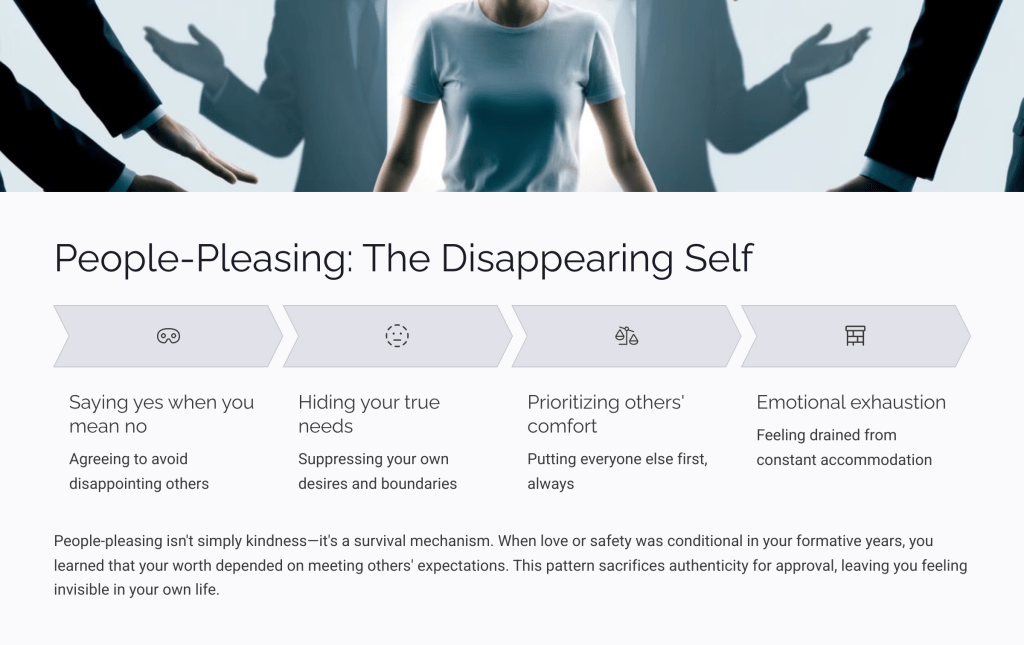
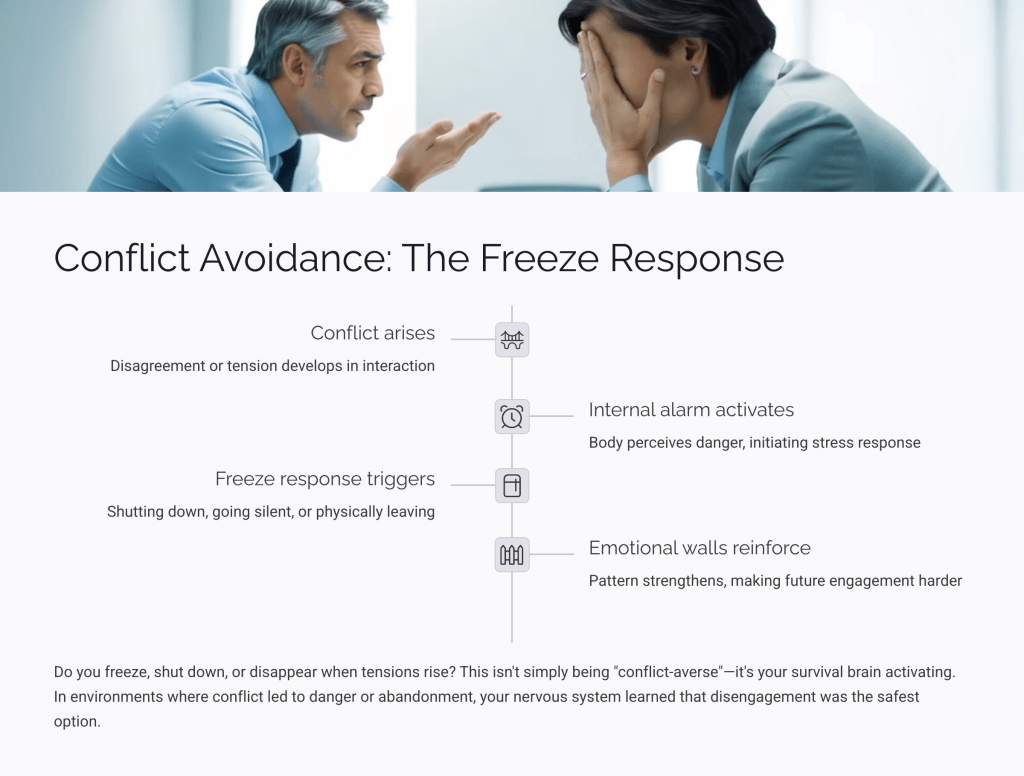
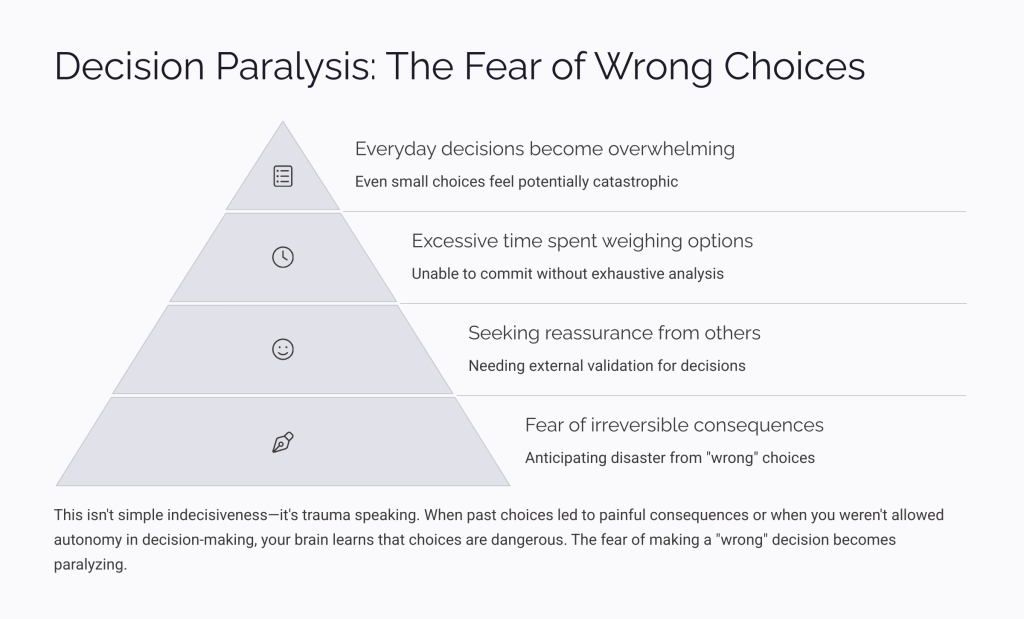
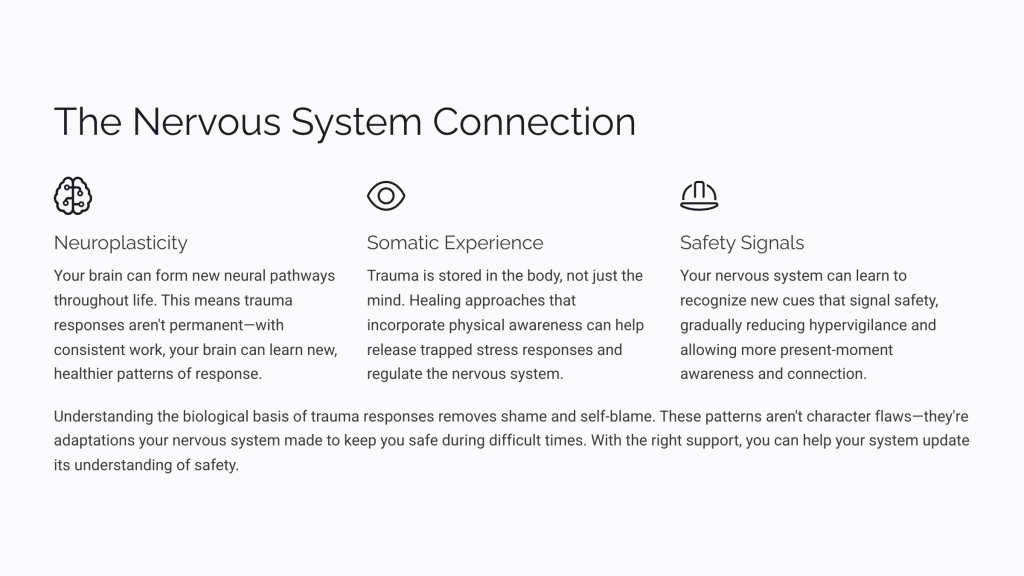
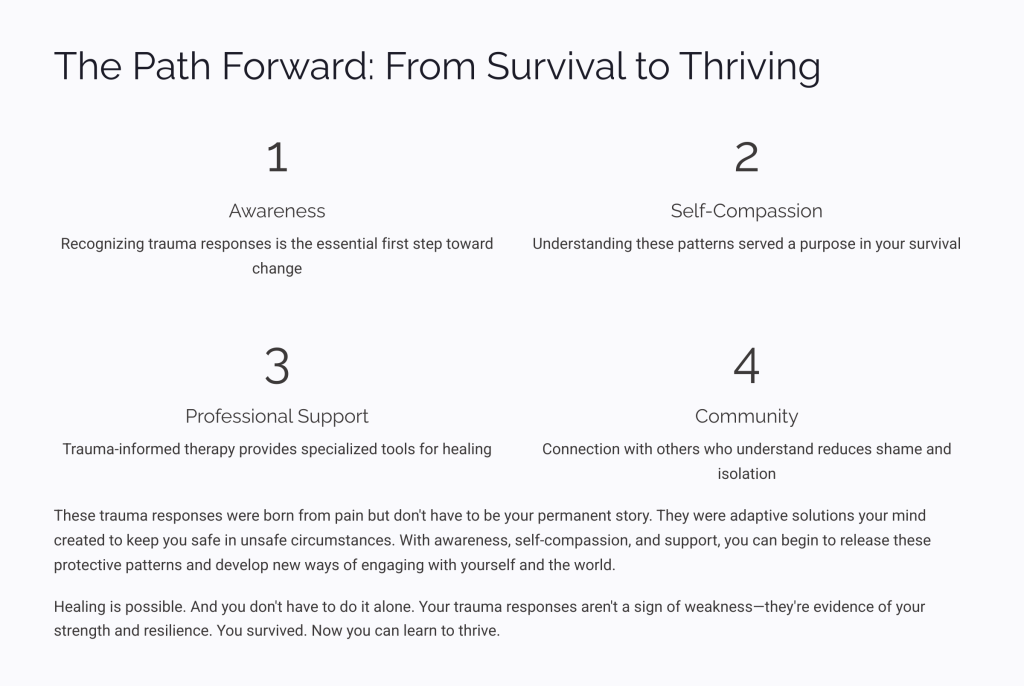
10 Surprising Trauma Responses You Didn’t Know Were Controlling Your Life

What if that trait you’ve always considered just part of your personality—being “too sensitive” or “fiercely independent”—isn’t really who you are? What if it’s actually trauma silently controlling your responses?

Trauma doesn’t always announce itself through dramatic flashbacks or panic attacks. It often hides in our everyday behaviors, reflexive reactions, and even our quirks. These unconscious responses might be your mind’s way of trying to keep you safe from threats that no longer exist.

Join us as we explore ten common trauma responses that might be quietly shaping your life and discover how recognizing them is the first step toward healing and reclaiming your authentic self.

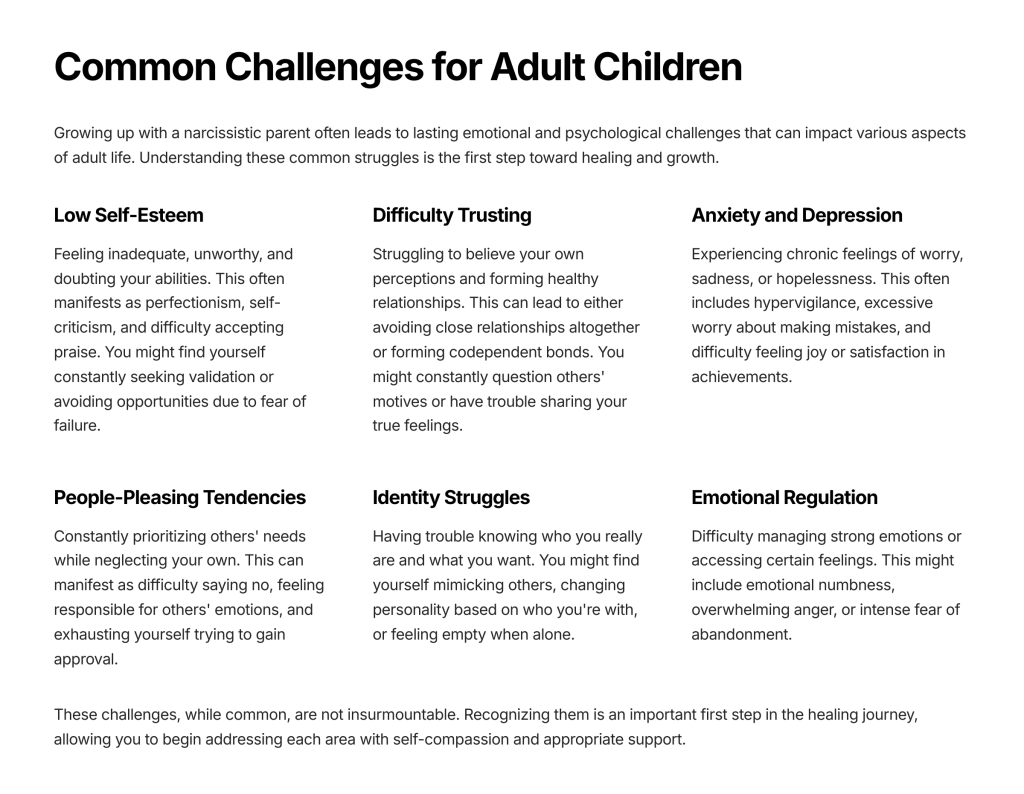
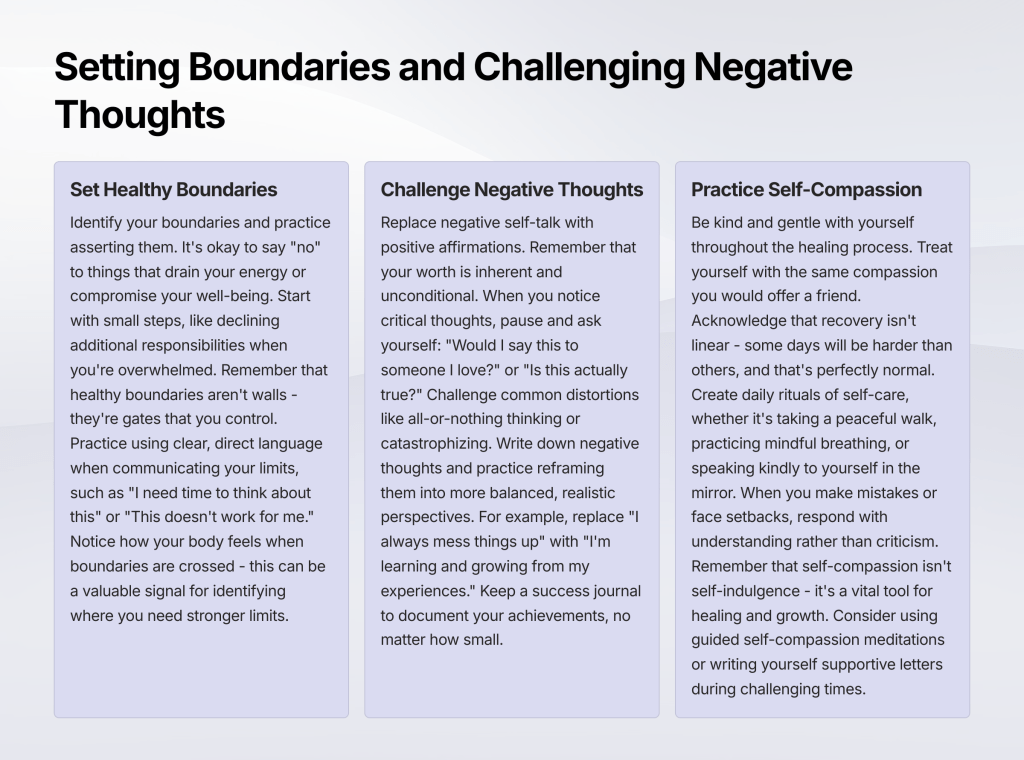
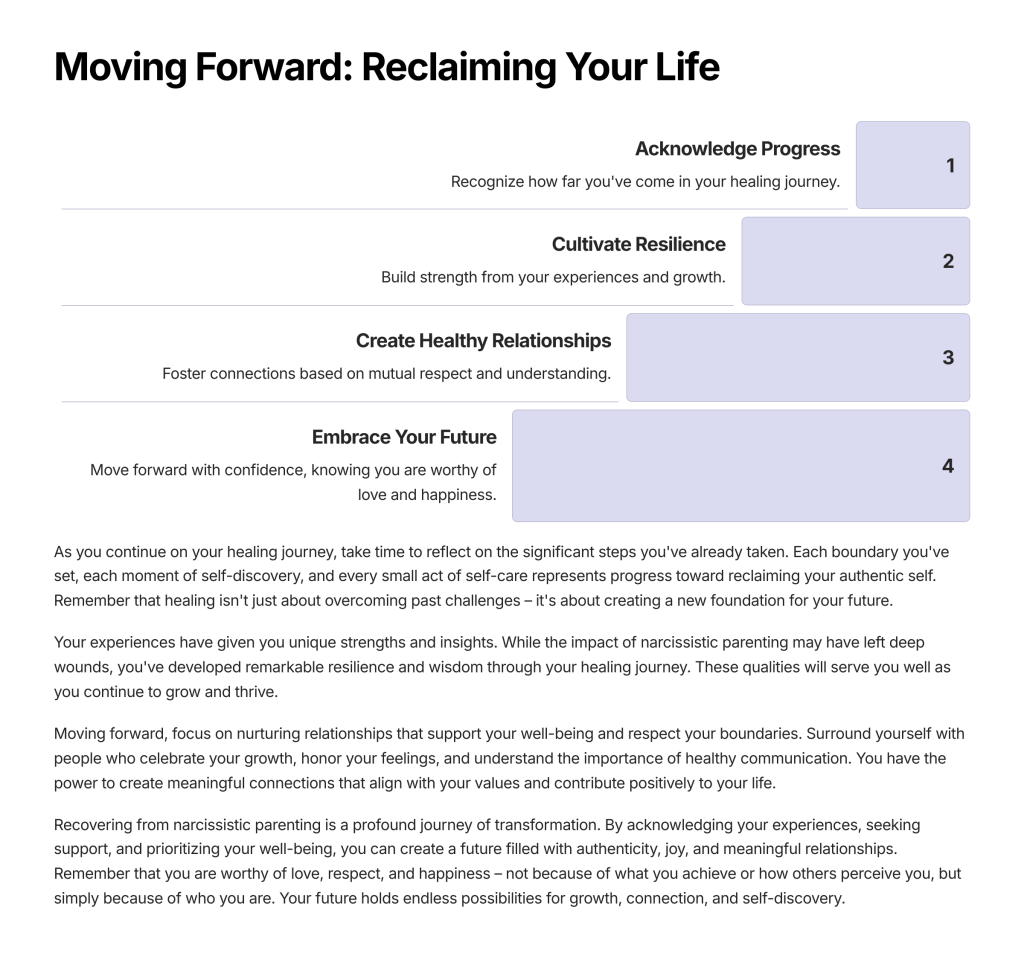
Reclaiming Yourself: A Guide to Recover from Narcisstic Parenting

Growing up with a narcissistic parent can leave deep emotional scars, distorting your sense of self and creating lasting challenges. However, recovery is possible. This guide offers a journey of self-discovery, healing, and reclaiming your authentic self. We’ll explore the impact of narcissistic parenting and common challenges faced by adult children and provide essential steps toward healing and moving forward.

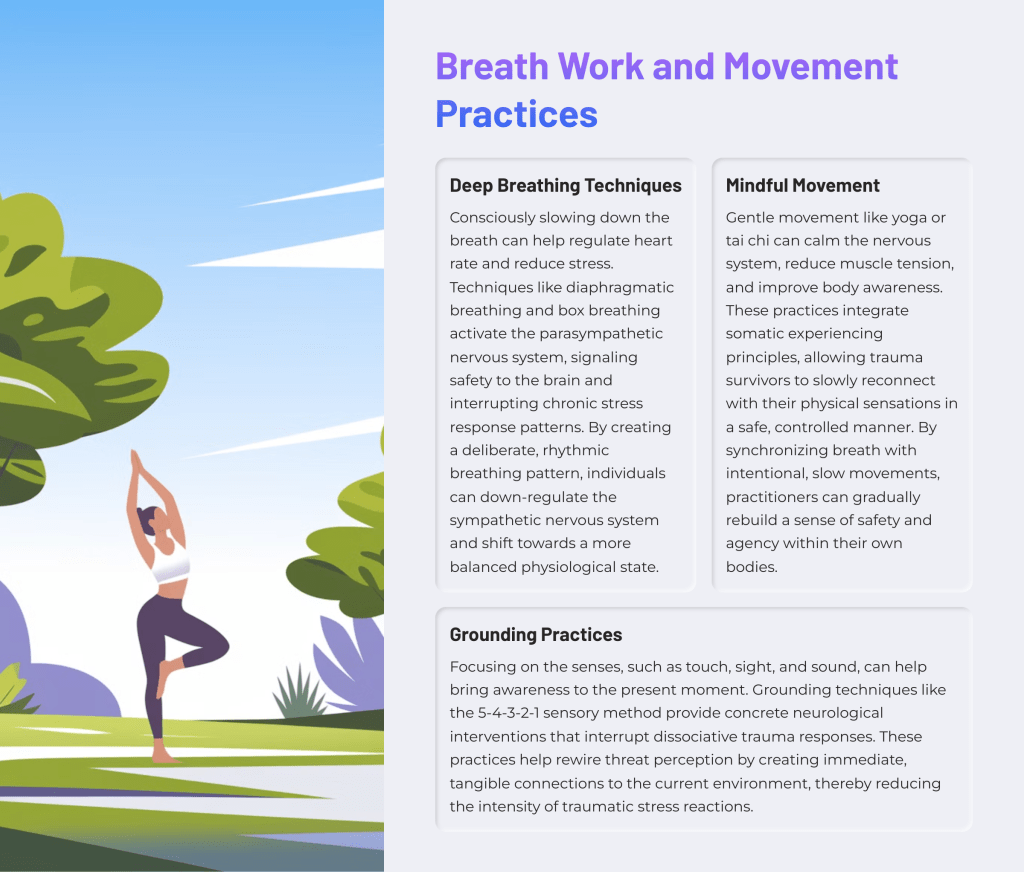
Breath to Breath: Your Path to Inner Calm

Deep breathing is a powerful tool for calming the nervous system and promoting overall well-being in children and adults. This simple yet effective technique offers numerous benefits for physical and mental health.

Benefits of Deep Breathing

For Adults

Deep breathing activates the parasympathetic nervous system, which helps reduce stress and anxiety[1][2]. It can lower heart rate and blood pressure and even decrease the production of stress hormones like cortisol[1]. Regular practice of deep breathing exercises has been shown to:

  • Improve cardiovascular health
  • Enhance respiratory performance
  • Boost emotional well-being
  • Increase relaxation responses
  • Promote better sleep

Studies have found that just one minute of slow, deep breathing can significantly lower physiological arousal, making it an excellent tool for managing stress in everyday situations[4].

For Children

Deep breathing exercises can be particularly beneficial for children, helping them develop essential coping skills:

  • Reduces anxiety and stress
  • Improves focus and concentration
  • Enhances emotional regulation
  • Promotes better sleep
  • Builds resilience

Research has shown that guiding children through brief deep breathing exercises can significantly lower their physiological arousal, even in everyday settings[4]. This makes it an invaluable tool for helping children manage their emotions and stress.

Introducing Calm Breath: A New App for Children

We’ve developed a new app called Calm Breath to help children learn and practice deep breathing techniques. This interactive tool makes deep breathing exercises fun and engaging for kids. You can try it out at https://calm-breath.replit.app/

Calm Breath joins a growing list of digital resources to teach children mindfulness and relaxation techniques [6][9]. Incorporating technology can make these valuable skills more accessible and appealing to young users.

How to Practice Deep Breathing

To get the most benefit from deep breathing, follow these simple steps:

  1. Find a comfortable position, either sitting or lying down.
  2. Place one hand on your chest and the other on your belly.
  3. Breathe in slowly through your nose, feeling your belly expand.
  4. Exhale slowly through your mouth, letting your belly fall.
  5. Repeat for several breaths, focusing on the sensation of your breath.

Remember, consistency is key. Incorporating deep breathing exercises into your daily routine can lead to long-term benefits for you and your children.

By teaching children the importance of deep breathing early on, we can help them develop lifelong skills for managing stress and promoting overall well-being. With tools like Calm Breath, we’re making it easier than ever for children to learn and practice these essential techniques.

Citations:
[1] https://www.onestep.co/resources-blog/deep-breathing-better-physical-mental-health
[2] https://positivepsychology.com/deep-breathing-techniques-exercises/
[3] https://www.apaservices.org/practice/business/technology/tech-column/children-mindfulness-apps
[4] https://greatergood.berkeley.edu/article/item/how_four_deep_breaths_can_help_kids_calm_down
[5] https://www.nature.com/articles/s41598-021-98736-9
[6] https://www.understood.org/en/articles/8-meditation-apps-for-kids
[7] https://www.childrenscolorado.org/just-ask-childrens/articles/breathing-to-change-mood/
[8] https://www.webmd.com/balance/what-to-know-4-7-8-breathing
[9] https://parentingchaos.com/anxiety-apps-kids/
[10] https://copingskillsforkids.com/deep-breathing-exercises-for-kids
[11] https://www.heart.org/en/news/2023/07/07/its-not-just-inspiration-careful-breathing-can-help-your-health
[12] https://www.pcmag.com/picks/the-6-best-meditation-and-mindfulness-apps-for-kids
[13] https://www.cedars-sinai.org/blog/five-deep-breathing-exercises-for-kids-and-teens.html

“Unlocking the Secrets of Epigenetics: How Our Experiences Shape Us!”

Have you ever wondered why some people react differently to stress or scary situations? The answer might be in something called epigenetics. Let’s explore what this big word means and how it helps us understand trauma.

What is Epigenetics?

Epigenetics is like a special switch for our genes. Our genes tell our body how to work, but epigenetics can turn these instructions on or off. It’s like a light switch that can make a room bright or dark, but the light bulb doesn’t change.

How Does Trauma Affect Our Genes?

When someone goes through something really scary or upsetting (we call this trauma), it can flip some of these epigenetic switches. This means that even after the scary thing is over, the person’s body might still act like it’s in danger.

Can Trauma be Passed Down?

Scientists have found that these switched genes can sometimes be passed from parents to their children. It’s a bit like inheriting your mom’s hair color, but instead, you might inherit how your body reacts to stress.

What is Trauma-Informed Care?

Trauma-informed care is when doctors, teachers, and other helpers understand that bad experiences can change how a person’s body and mind work. They use this knowledge to help people feel safe and get better.

How Does Epigenetics Help with Trauma-Informed Care?

By understanding epigenetics, helpers can:

  1. Know that a person’s reactions might be because of past experiences
  2. Find better ways to help people who have been through trauma
  3. Create plans that help not just one person but whole families

The Good News

The best part about epigenetics is that these switches can be changed again! With the right help and care, people can learn new ways to cope with stress and feel better.

What Can We Do?

  • Be kind to others – you never know what they’ve been through
  • Talk to a grown-up if you’re feeling scared or upset
  • Remember that it’s okay to ask for help

Epigenetics shows us that our experiences can change us, but we can help ourselves and others heal and grow stronger with understanding and care.

Citations:
[1] https://arkansasadvocate.com/2023/07/05/understanding-epigenetics-how-trauma-is-passed-on-through-our-family-members/
[2] https://pmc.ncbi.nlm.nih.gov/articles/PMC9705591/
[3] https://www.ca18211.eu/courses/trauma-informed-care-and-epigenetics/
[4] https://pmc.ncbi.nlm.nih.gov/articles/PMC6127768/
[5] https://www.scientificamerican.com/article/how-parents-rsquo-trauma-leaves-biological-traces-in-children/
[6] https://therapist.com/trauma/generational-trauma-epigenetics/
[7] https://jamanetwork.com/journals/jama/fullarticle/2797220
[8] https://newsinhealth.nih.gov/2016/03/understanding-anxiety-disorders

Dealing With Your Traumatic Memories

Finding A Pathway to Healing

Traumatic memories can cast long shadows over our lives, affecting our mental, emotional, and physical well-being. Whether stemming from childhood abuse, accidents, or other life-altering events, these memories can remain buried in our subconscious, influencing our behavior and thoughts in ways we may not fully understand. Though often challenging and painful, confronting these memories is crucial to healing and reclaiming control over our lives.

The Nature of Traumatic Memories

Traumatic memories differ from regular memories in intensity and how they are stored in the brain. They often remain fragmented and disjointed, resurfacing unexpectedly and triggering intense emotional and physical reactions. These memories can lead to symptoms of PTSD, anxiety, depression, and other mental health issues if not addressed.

Why Confront Traumatic Memories?

1. Breaking the Cycle of Avoidance

Avoidance is a common coping mechanism for dealing with trauma. We may avoid places, people, or situations that remind us of the traumatic event. While this can provide temporary relief, it often reinforces the trauma, making it more challenging to manage in the long run. Confronting traumatic memories helps break this cycle, reducing the power they hold over us.

2. Processing and Integration

Facing traumatic memories allows for the processing and integrating these experiences into our broader life narrative. This process can transform fragmented, distressing memories into coherent stories we can understand and accept. This integration diminishes the emotional charge associated with these memories, reducing their impact on our daily lives.

3. Regaining Control

Trauma can leave us feeling powerless and out of control. By confronting our traumatic memories, we reclaim agency over our experiences. This empowerment is a critical step in healing, allowing us to move from being victims of our past to active participants in our recovery.

4. Improving Mental and Physical Health

Unresolved trauma is linked to a range of mental and physical health issues, including chronic stress, anxiety, depression, and even physical ailments like cardiovascular disease and weakened immune function. Addressing traumatic memories can alleviate these symptoms, improving overall health and well-being.

How to Confront Traumatic Memories Safely

1. Seek Professional Support

Working with a mental health professional trained in trauma-informed care is essential. Therapies such as Cognitive Behavioral Therapy (CBT), Eye Movement Desensitization and Reprocessing (EMDR), and Somatic Experiencing can provide structured and supportive environments to process traumatic memories.

2. Create a Safe Environment

Ensure that you are in a safe, supportive environment when addressing traumatic memories. This might involve creating a comfortable physical space, having trusted friends or family members nearby, and practicing self-care routines promoting safety and stability.

3. Take it Slow

Confronting trauma is not a race. It’s essential to go at your own pace and not force yourself to relive painful experiences before you’re ready. Gradual exposure and processing are key to ensuring the process is therapeutic rather than re-traumatizing.

4. Use Grounding Techniques

Grounding techniques can help manage intense emotions and connect you to the present moment. Techniques such as deep breathing, mindfulness, and focusing on physical sensations can provide immediate relief when confronting difficult memories.

Confronting traumatic memories is a challenging but vital step towards healing. By facing these memories, we can break the cycle of avoidance, process and integrate our experiences, regain control, and improve our overall health. With the support of trained professionals and a safe, gradual approach, we can transform our trauma from a source of pain into a pathway to resilience and growth. Remember, the healing journey is personal and unique—take it one step at a time and honor your progress.

Here’s a list of trauma therapy techniques and models that are widely used to help individuals process and heal from traumatic memories:

Trauma Therapy Techniques and Models

  1. Eye Movement Desensitization and Reprocessing (EMDR):
  • Uses guided eye movements or other forms of bilateral stimulation to help the brain process and integrate traumatic memories.
  1. Cognitive Behavioral Therapy (CBT):
  • Focuses on identifying and changing negative thought patterns and behaviors associated with trauma. A specific form, Trauma-Focused CBT (TF-CBT), is often used with children and adolescents.
  1. Prolonged Exposure Therapy (PE):
  • Involves gradual exposure to trauma-related memories, emotions, and situations to reduce the distress they cause over time.
  1. Somatic Experiencing (SE):
  • Emphasizes the body’s role in trauma recovery, helping individuals release stored trauma through body awareness and physical sensations.
  1. Narrative Therapy:
  • Encourages individuals to rewrite their trauma story, reframing their experiences and separating their identity from the traumatic event.
  1. Internal Family Systems (IFS):
  • Helps individuals identify and heal different “parts” of themselves that may hold trauma, such as protective or wounded parts.
  1. Dialectical Behavior Therapy (DBT):
  • Combines CBT techniques with mindfulness, distress tolerance, and emotion regulation, which are especially helpful for trauma survivors with complex emotional responses.
  1. Trauma-Focused Cognitive Behavioral Therapy (TF-CBT):
  • A specialized form of CBT designed specifically for trauma, often involving both the individual and their caregivers.
  1. Psychodynamic Therapy:
  • Explores unconscious patterns and past experiences that influence current behavior, often delving into childhood trauma.
  1. Brainspotting:
    • Utilizes eye positioning to identify, process, and release trauma stored deep in the brain.
  2. Sensorimotor Psychotherapy:
    • Integrates somatic (body-based) therapy with cognitive and emotional processing to address how trauma affects the body.
  3. Mindfulness-Based Stress Reduction (MBSR):
    • Uses mindfulness and meditation techniques to increase awareness and acceptance of thoughts and feelings related to trauma.
  4. Accelerated Resolution Therapy (ART):
    • Combines elements of EMDR with guided visualization to change the way traumatic memories are stored in the brain.
  5. Emotional Freedom Technique (EFT) / Tapping:
    • Involves tapping on specific acupuncture points while focusing on traumatic memories, aiming to reduce emotional distress.
  6. Exposure and Response Prevention (ERP):
    • Gradually exposes individuals to trauma-related triggers while helping them manage their responses, often used for PTSD and OCD.
  7. Hypnotherapy:
    • Uses guided relaxation and focused attention to access and process trauma stored in the subconscious mind.
  8. Art Therapy:
    • Encourages the expression of trauma through creative outlets like drawing, painting, or sculpture, facilitating emotional release and processing.
  9. Play Therapy (for children):
    • Allows children to express and process trauma through play, a natural medium for young minds.
  10. Group Therapy for Trauma Survivors:
    • Provides a supportive environment where individuals can share their experiences, learn from others, and gain a sense of community.
  11. Narrative Exposure Therapy (NET):
    • Combines narrative techniques with trauma processing to create a coherent life story, particularly effective for survivors of complex trauma.

These techniques vary in their approaches but share the goal of helping individuals confront, process, and heal from traumatic memories. Each method can be tailored to the individual’s needs, allowing for a personalized path to recovery. Let me know if you’d like more information on these techniques!

When “THEY” Won’t Change! What do I do?

When dealing with people who refuse to change, it’s important to accept that you cannot force them to change, but you can control your own reactions and boundaries. Here are some suggestions based on the search results:

Focus on what you can control. You cannot change others, only yourself. Recognize that their resistance to change is not about you, but their own fears, habits or mindset. Ask yourself if this is truly your problem to solve or theirs.[3]

Communicate clearly and compassionately. Express how their behavior impacts you using “I” statements, without criticism or judgment.[1][4] Listen to understand their perspective. Brainstorm solutions together if they are open to it.[4]

Set boundaries. If their behavior is unacceptable, calmly explain your boundaries and the consequences if they continue, such as limiting contact.[1][4] Follow through consistently.

Give them space. Avoid nagging, passive aggression or controlling language.[1] Pressuring someone often backfires. Allow them time and space to consider change at their own pace.[4]

Focus on your relationship. Compliment positive traits, spend quality time together, and look for areas you both can grow.[1] A strong bond can sometimes motivate change more than criticism.

Know when to disengage. If they remain unwilling to change hurtful patterns after you’ve communicated needs and boundaries, you may need to accept them as they are or re-evaluate the relationship.[3][5]

Prioritize your wellbeing. Don’t sacrifice your own mental health trying to change someone unwilling. Seek support, set firm boundaries, and detach with love if needed.[5][1]

The key is balancing compassion for their journey with prioritizing your own peace of mind. Change is an inside job – you can inspire but not force it upon others.[3][5]

Citations:
[1] https://www.wikihow.com/Deal-With-Loved-Ones-Who-Refuse-to-Change
[2] https://hbr.org/2001/11/the-real-reason-people-wont-change
[3] https://psychcentral.com/blog/imperfect/2018/04/stop-trying-to-change-people-who-dont-want-to-change
[4] https://www.verywellmind.com/when-your-spouse-doesnt-want-change-2302197
[5] https://tinybuddha.com/blog/what-to-do-when-people-dont-want-to-change/

Emotions must be Mentioned to be Managed

The phrase “emotions must be mentioned to be managed” encapsulates a profound truth that underlines the importance of acknowledging and articulating our feelings for effective emotional well-being. In the intricate landscape of human emotions, expression serves as a compass, guiding us through the ebbs and flows of our inner experiences.

When we verbalize our emotions, whether joy, sorrow, fear, or excitement, we engage in a form of self-awareness that is fundamental to emotional management. It is a recognition that our feelings are valid and deserving of acknowledgment. This articulation becomes a bridge connecting our internal world with the external, fostering understanding and empathy from others. Moreover, putting emotions into words is an act of personal empowerment, allowing us to gain a clearer perspective on our feelings and paving the way for constructive coping mechanisms.

Failure to mention or communicate our emotions can lead to a build-up of unexpressed sentiments, creating a reservoir of unaddressed issues. This emotional backlog may eventually manifest as stress, anxiety, or even physical ailments. The phrase emphasizes the proactive stance needed to navigate the complexities of emotions – a reminder that vulnerability and openness are not signs of weakness but rather prerequisites for emotional resilience.

In personal relationships, the significance of this phrase becomes even more evident. Effective communication of emotions lays the groundwork for understanding and connection between individuals. It enables the creation of a supportive environment where emotions are not only recognized but also shared. This fosters healthier relationships built on empathy and mutual understanding.

In conclusion, the phrase “emotions must be mentioned to be managed” encapsulates a universal truth about the human experience. It calls for a proactive and expressive approach to emotions, recognizing their importance in our mental and relational well-being. By embracing this principle, we empower ourselves to navigate the complexities of our emotional landscapes with resilience, fostering both personal growth and meaningful connections with others.