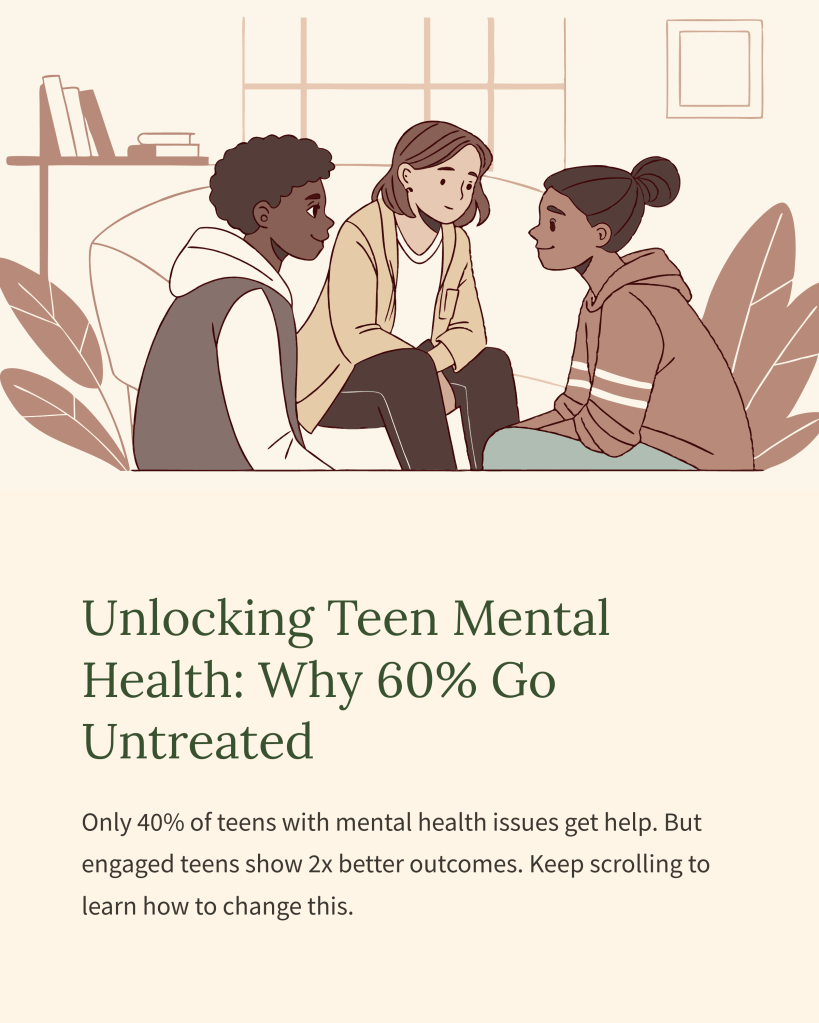
Only 40% of teens with mental health issues get help. This means 6 out of 10 young people are suffering in silence, often during the most formative years of their lives. The consequences are far-reaching: lower academic performance, strained relationships, and increased risk of substance abuse.
The good news? Studies consistently show that engaged teens experience 2x better outcomes when they receive appropriate support. Early intervention not only alleviates current symptoms but also builds resilience that lasts into adulthood.
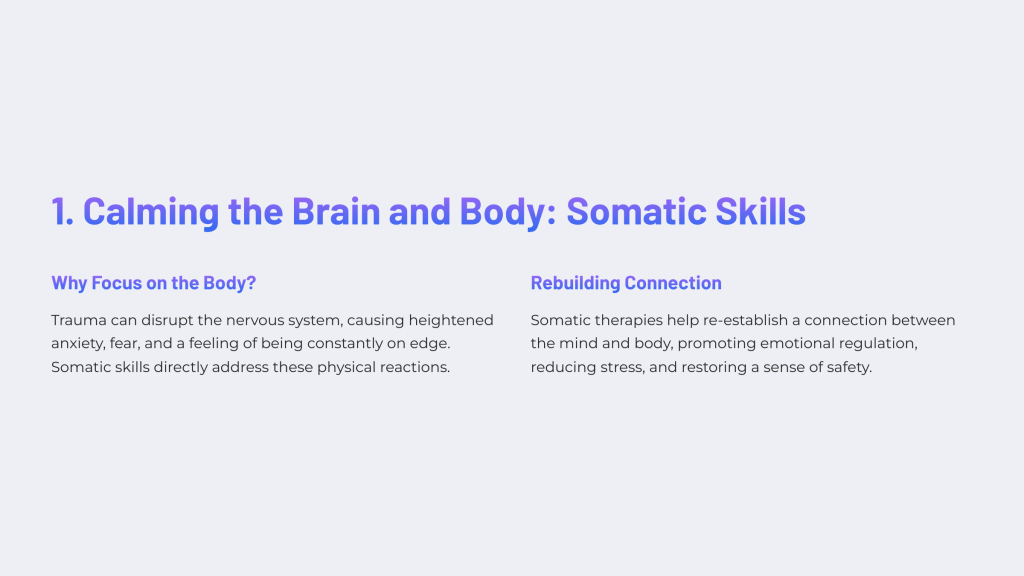
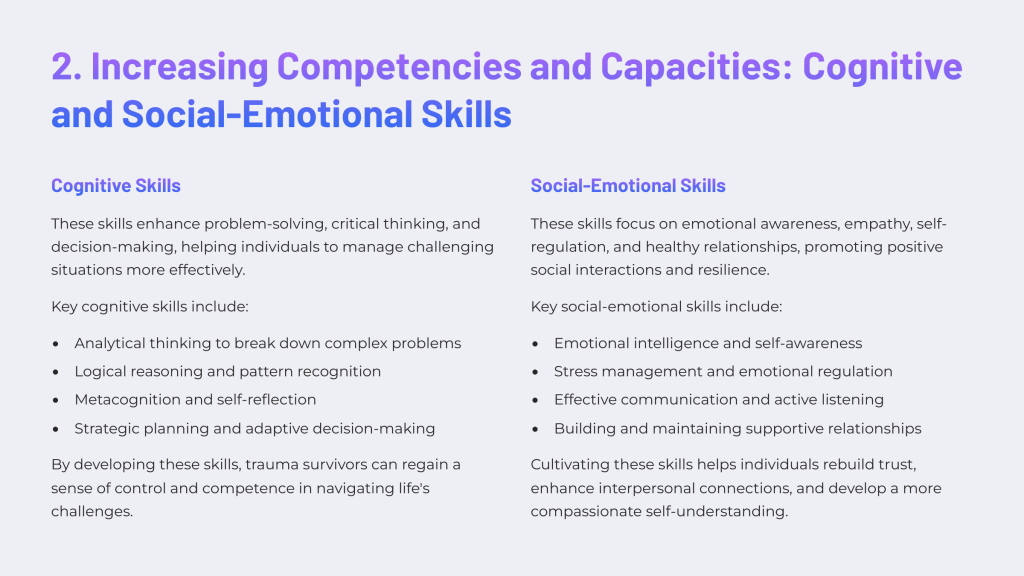
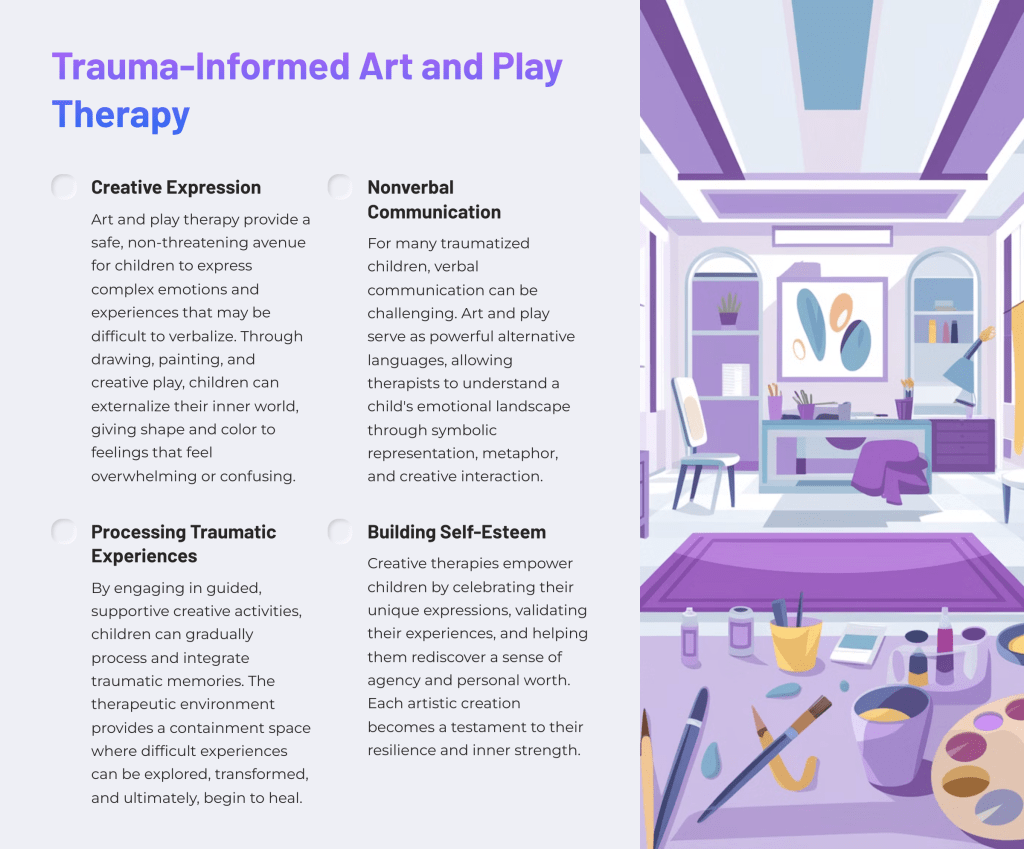
When working with trauma, we must be practical about what works! If we don’t, traumatized individuals will not find the strength to work through the pain of past hurts. After 30 years of working with trauma, here are the three healing strategies that I find work best for children and adults.
Divorce is never an easy journey, especially when children are involved. But fear not, because we’re here to share some insights, tips, and a sprinkle of humor to make this co-parenting adventure a little smoother. Grab a cuppa, sit back, and let’s dive into the world of divorced and co-parenting parents!
The Importance of Communication: Remember, communication is key! To keep things running smoothly, it’s crucial to establish open and honest lines of communication with your ex-partner. Check out books like “Co-Parenting with a Toxic Ex” by Amy J.L. Baker and Paul R. Fine for strategies on effective communication.
Embracing Flexibility: Being flexible is crucial in co-parenting. Life is unpredictable, and plans may change. Books like “The Co-Parents’ Handbook” by Karen Bonnell and Kristin Little can guide you in creating a flexible co-parenting schedule that works for both parties.
Prioritizing the Children: The well-being of our children should always be our top priority. Books like “Mom’s House, and Dad’s House” by Isolina Ricci provide insights on creating a nurturing environment for kids in a co-parenting setup. Remember, your children deserve love and stability from both parents.
Managing Conflict: Let’s face it, conflicts happen. However, it’s important to handle them maturely and respectfully. Consider reading “The High-Conflict Co-Parenting Survival Guide” by Megan Hunter and Andrea LaRochelle for strategies for navigating difficult situations and minimizing conflict.
Building a Support Network: Surround yourself with a supportive network of friends, family, or support groups. Books like “The Co-Parenting Survival Guide” by Elizabeth S. Thayer and Jeffrey Zimmerman provide insights into building a strong support system and finding like-minded individuals who can offer guidance and empathy.
Co-parenting after divorce can be challenging, but it’s also an opportunity for personal growth and creating a nurturing environment for our children. By prioritizing open communication, flexibility, and self-care, we can navigate this journey with grace and love. Remember, no one is perfect, but with the right mindset and resources, we can make co-parenting a fulfilling experience for ourselves and our children.
If you have ever felt that there isn’t enough time to manage your emotional and mental health or you get stuck in the same distressing place repeatedly, here are some quick 1-minute self-soothing activities to find some breakthrough.
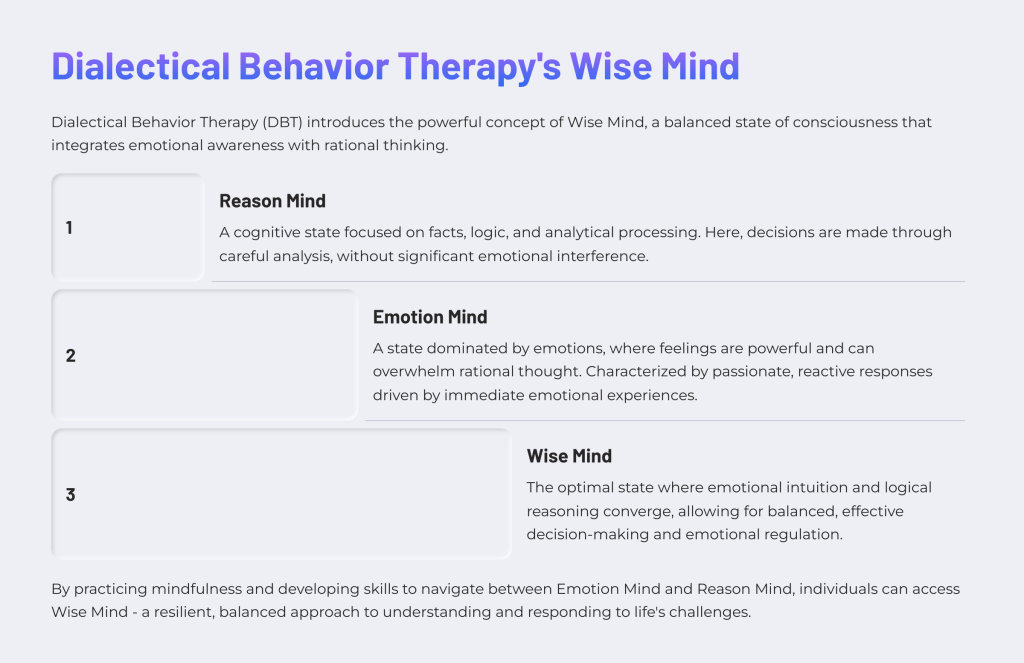
These activities come from a therapeutic practice called Dialectical Behavior Therapy or DBT. DBT is all about helping you manage your emotions and build better relationships. It’s like having a toolkit with practical skills to handle tricky situations and care for yourself. Imagine you’re facing distressing emotions or struggling with intense mood swings. It teaches you how to recognize and understand your emotions so they don’t feel like a wild rollercoaster ride you have no control over.
One of the strengths of DBT is mindfulness. It’s all about being present at the moment, fully aware of what’s happening inside and around you. It’s like pressing the pause button on your busy thoughts and taking a breather. By practicing mindfulness, you can find some calmness in the chaos.
DBT also shines a light on something called interpersonal effectiveness. It’s like giving you a secret handbook on communicating better, setting boundaries, and building healthy relationships. You’ll learn to express your needs, listen to others, and find that sweet spot where everyone feels heard and respected.
Now, let’s not forget about distress tolerance. Life can throw some curveballs your way, right? DBT helps you develop strategies to handle those challenging moments without worsening things. It’s like having a shield that protects you from getting overwhelmed when things don’t go as planned.
DBT also tackles unhelpful thoughts and beliefs. It helps you challenge negative self-talk and find more balanced perspectives. It’s like rewiring your brain to think more positively and realistically. You’ll discover that you can do amazing things and that setbacks don’t define you.
Ultimately, the goal of DBT is to help you create “a life worth living.” It’s about finding balance, cultivating self-acceptance, and building a solid foundation for your well-being. With DBT, you’ll have the tools and support to tackle life’s challenges head-on and create a brighter future.
Here’s a list of 25 different 1-minute self-soothing activities to regulate your emotions:
Take three deep breaths, focusing on the sensation of the air entering and leaving your body.
Squeeze a stress ball or a soft object in your hand.
Repeat a positive affirmation or mantra to yourself.
Close your eyes and visualize a calm and peaceful place.
Listen to a calming or instrumental piece of music.
Stretch your body and release tension.
Take a quick walk around the room or step outside for fresh air.
Massage your temples or gently rub your hands together for a few seconds.
Write down three things you are grateful for in a gratitude journal.
Drink a small glass of water mindfully, focusing on the sensation of each sip.
Look out the window and notice five things in your surroundings.
Count backward from 10 to 1, allowing yourself to relax with each number.
Hold and stroke a soft fabric or a favorite plush toy.
Repeat a calming word or phrase silently to yourself.
Do a quick body scan, noticing any areas of tension and consciously releasing them.
Hum a soothing tune or sing a calming song to yourself.
Use a scented hand lotion and focus on the fragrance as you rub it into your hands.
Take a mindful pause and observe your thoughts without judgment.
Apply gentle pressure to your temples with your fingertips and massage in circular motions.
Use a stress-relief app or listen to a guided meditation for one minute.
Look at a photo or image that brings you joy and smile at the associated memory.
Do a quick yoga or stretching pose, such as a standing forward bend or a shoulder roll.
Repeat “I am calm and in control” silently or aloud.
Hug yourself tightly for a few seconds, providing comfort and warmth.
Practice a simple gratitude exercise by listing three things you appreciate about yourself.
Remember, these self-soothing activities provide quick relief and promote relaxation in just one minute. Feel free to customize the list based on your preferences and experiment with different techniques to find what works best.
When couples come together in marriage, they bring their own experiences and expectations. As time passes, these expectations can evolve and change, as can the relationship dynamics. However, when couples find themselves in a rut, communicating effectively and breaking through the barriers can take time and effort. This is where marriage therapy can be beneficial.
Marriage therapy is a specialized form of counseling designed to help couples better understand each other and improve their communication and relationship. Marriage therapy aims to create a safe space where couples can express their feelings and concerns without fear of judgment or criticism. It can also guide how to manage disagreements and work together.
CREATE SAFETY:
The first step in marriage therapy is creating a safe communication space. This can be done by setting aside a specific time and place where couples can talk without interruption. Creating a safe environment where couples can feel comfortable expressing their feelings without fear of criticism or judgment is also essential. This can include setting ground rules like no name-calling or criticism and allowing each partner to take turns speaking.
Once the safe space is established, the couple can then begin to work on improving their communication. This can include learning how to listen to each other more effectively, understanding each other’s perspectives, and learning how to express needs and feelings constructively. Marriage therapy can also focus on teaching couples how to resolve conflicts healthily and work together to create solutions that work for both.
EXPRESS EMOTIONAL NEEDS:
In addition to communication, marriage therapy can also help couples work on their emotional connection. This can include exploring each other’s emotional needs and learning how to express love and affection better. It can also involve exploring past hurts and how to move past them to create a stronger bond.
The existence of conflict doesn’t indicate the end of the relationship. Couples who thrive know how to fight fairly and repair the disconnection between them. Disconnection is inevitable. Having the tools to reconnect is essential.
FIGHTING FAIR:
Fair fighting techniques can help couples resolve conflicts without resorting to name-calling or other hurtful behavior. Not only can fair fighting help couples reach a resolution quickly, but it can also help strengthen their relationship in the long run.
So, what are some of the best fair fighting techniques for couples?
Set Ground Rules
Before any argument starts, couples need to set ground rules. This means agreeing not to resort to name-calling, personal attacks, or bringing up past grievances. Setting ground rules can help ensure that the fight stays on track and that both parties feel heard.
Listen Carefully
When couples fight, it’s easy to get caught up in the moment’s heat and start talking over each other. But it’s essential to take a step back and listen to your partner’s words. This means actively listening and trying to understand their perspective instead of just waiting for your turn to talk.
Take a Break
Sometimes a fight can get too heated, and it’s best to take a break. This doesn’t mean walking away and not returning but taking a few moments to cool down and collect your thoughts. This can help you approach the conversation with a clearer head and can help you find a resolution faster.
Be Respectful
It’s important to remember to be respectful during a fight. This means no name-calling or belittling language. Instead, try understanding and use “I” statements to express your feelings. This will help your partner understand your perspective without feeling attacked.
Find a Resolution
When it comes to fighting fair, the goal is to find a resolution. This doesn’t mean that one person has to be correct and the other wrong, but rather that both parties can come to a compromise. This can involve both parties making concessions or coming up with a plan that works for them.
Fair fighting is essential for any healthy relationship. It’s important to remember that while fighting is inevitable, it doesn’t have to be destructive. With the proper techniques, couples can learn to fight fairly and become stronger than ever.
The last two years have been one of daily uncertainty and fear, but a crisis is also a great revealer of the myths and idols we hold. It “knocks us off our thrones” and breaks our “assumptive worlds.” Our assumptions are the beliefs we hold about who we are and the world we live in…at times, like these, they don’t hold up. In fact, they can shatter into thousands of meaningless thoughts.
In social psychology, shattered assumptions theory proposes that traumatic events can change how victims and survivors view themselves and the world. We all have three inherent assumptions including “overall benevolence, the meaningfulness of the world, and self-worth.” They are the bedrock of our conceptual system, and as such, they are the ones we are least aware of and least likely to challenge. We become confident in our beliefs and use them to plan and act in daily living. If nothing challenges them they allow our lives to move along smoothly.
Sadly, traumatic life events shatter core assumptions, and coping with them requires a new effort to construct more realistic and viable assumptions. We have to rebuild our belief systems to fit the new world we live in.
Core Beliefs:
The world is benevolent
The world is meaningful
The self is worthy
This can be painful for people of faith who end up questioning their faith. When our assumptive worlds shatter, it causes believers to questions the goodness of God. They might “assume” that God is silent or uncaring. The promises they believed must be wrong since things didn’t work out the way they “believed.” Trying to reconcile a good God to their adverse life situations may turn some to question themselves, wondering if they ever heard God speak into their lives or if some sin or trauma from the past has made them unworthy of mercy.
I mean, if God never changes, then the problem must be ourselves, right? Christians believe that when they become followers they are “new creations.” New creations have to have renewed minds to find new beliefs about God’s goodness and nature in their lives. Renewal is exactly what we need when our assumptions become shattered. Neurologists called this neuroplasticity.
Neuroplasticity is the brain’s ability to restructure itself through training and practice, thereby creating new neuropathways in the human nervous system. Neuroplasticity, renewed minds, and rebuilt belief systems are about personal growth that is sometimes only possible after trauma.
The reason that believers feel peace after giving their lives to follow the Christian faith is that new neuropathways are being created. Transformation or growth is occurring. From a more secular viewpoint, life has a way of creating maturity in our thinking. The trick is how to not become bitter and negative afterwords.
There is a favorite verse of mine that goes: “Do not worry about anything, but in everything by prayer and supplication with thanksgiving let your requests be made known to God. And the peace of God, which surpasses all understanding, will guard your hearts and your minds in Christ Jesus. –Philippians 4:6-7 (NRSV)” Prayer and meditation increase brain neuroplasticity and makes renewal possible. Allowing our minds to let go of distractions and slow down helps us focus on what we control and let go of what we cannot. In Alcoholics Anonymous, this is the path to serenity.
After a shattering event, people are able to discover strength they didn’t know that had in them. They also find new purposes and seek out deeper connections than before. Faith also grows in people after difficulty. They start to see deeper meaning and value in their life. This is called Post-Traumatic Growth in contrast to Post-Traumatic Stress Disorder.
Would you like assistance recovering from a shattering event or trauma? Need new tools for your organization or group? Contact Ron Huxley today!
Have you ever thought about working with a coach before? If you are serious about achieving your biggest goals, you should seriously consider it. Working with a coach is a great way to boost your results in almost any area of life. Having someone to teach you the ropes, or build more accountability into your life, is a beautiful way to ensure you achieve more. If you wonder if working with a coach could help you, please consider these nine benefits.
2022 Life Coaching on parenting, anxiety, trauma, divorce, reconciliation…
Helps You Define Your Goals Many of us have goals, but often they are loosely (or not at all) defined. A coach can help take the hopes and dreams out of your head to create concrete goals. Instead of just wanting something, you start taking tangible steps towards it.
Adds More Accountability to Your Life It’s funny, but we have a much easier time letting ourselves down than we do letting others down. Having a coach means one more person in your life you don’t want to let down. You will feel more accountable and be more likely to achieve your goals when you know someone will ask you about your progress.
Encourages You to Define Your Values Do you know what you stand for? Maybe a better question is, do you know your core values? Regardless of the question, if you struggle with the answer, a coach can help you. A coach can’t tell you your values, but they can ask you questions that will help you define them yourself.
Helps You See Yourself More Clearly A good coach will help you become more self-aware. This self-awareness will allow you to be more honest with yourself. You will know what you are good at and what you aren’t so good at doing. Self-awareness will enable you to double down on your strengths while figuring out how to deal with your weaknesses.
Assists Skill Building and Development The most obvious benefit of a coach is their ability to help us build specific skills. For example, if you are interested in becoming a better business person, it makes sense to work with a business coach who has been there and done that. You get to learn from both their experiences and their mistakes.
Offers a Safe Space to Talk About Sensitive Issues Whether you find the current world too sensitive or not, it’s a fact that we need to watch the things we say. Having a coach gives you a safe space to talk about more sensitive issues. This doesn’t mean you have a place to barf out all your emotions, but you can at least vent a bit more freely.
Encourages You To Step Out of Your Comfort Zone The comfort zone got its name from being comfortable. Once you are in it, you don’t want to get out. A good coach will coax and challenge you to step out of it. Stepping out of your comfort zone once in a while will make it easier to create positive change in your life.
Offers a Different Viewpoint When you have a coach, you have someone else to bounce ideas off. It is so easy to get caught up in your tunnel vision that you might not even consider differing opinions. A coach forces you to consider different viewpoints and opinions. It will help you become a more well-rounded individual.
Helps You Make Tough Decisions Sometimes it feels like life is nothing but a series of difficult decisions. While this isn’t always true, it has a basis in reality. How much would you like to have someone else talk to about these decisions? A good coach provides that kind of assistance.
Coaching Action Steps:
Take some time to think about different areas of your life that could use a boost. Write these down in a list.
Carefully consider the list from the last step to figure out if a coach, mentor, or teacher could help you in any of these areas.
Choose the area of your life that could most use a coach, and start researching coaching options. If you find a fit right for you, take a chance and reach out.
Let Ron Huxley coach you on parenting, anxiety, and trauma-informed care. With 30 years of experience, Ron can guide you to a more stable, productive life…Click here now to schedule an appointment.
Join me Thursday, September 16 at 12:15 pm (PST) for this live zoom event! We will be discussing practical parenting tools for adoptive parents. This is a 45 minute, interactive, seminar for adoptive parents and the professionals who work with them…and best of all it is FREE!
One tap mobile +16699006833,,87366619533#,,,,*807818# US (San Jose) +13462487799,,87366619533#,,,,*807818# US (Houston)
Dial by your location +1 669 900 6833 US (San Jose) +1 346 248 7799 US (Houston) +1 253 215 8782 US (Tacoma) +1 301 715 8592 US (Washington DC) +1 312 626 6799 US (Chicago) +1 929 205 6099 US (New York) Meeting ID: 873 6661 9533 Passcode: 807818
There are some things we can do in all our relationships to build and maintain strong bonds. This is true because underneath all our differences, likes, dislikes, and biases, we are all human beings who desire social connections. The tips below should be used in all your relationships to form bonds that will stand the test of time.
Be appreciative
This might mean different things in different relationships, but the overarching sentiment is the same. When they do something kind for you or take the time to support you when you need it, be appreciative – acknowledge their care and concern.
2. Spend time together
It can be hard to find time to get together when we are all so busy, but it’s important for all relationships. If necessary, set up a standing appointment so that it just automatically happens. This makes sure it happens because you will get used to scheduling other things around it.
3. Communicate honestly
Sometimes you may be tempted to bend the truth to avoid conflict, but your relationships will be much healthier overall if honesty is held in high regard. It’s possible, to be honest without being brutal. Choose your words carefully and be as diplomatic as possible, while still sharing your feelings openly and honestly.
4. Forgive faults
Forgive them for their eccentricities and annoying habits, and also forgive yourself for any mistakes you make. We all have faults and shortcomings that we bring with us into any relationship. Sometimes to keep the relationship strong, we need to just come to the conclusion that their presence in our lives is more important than the little habits that drive us crazy.
5. Support them
Intermingled between all the good times, there will surely be times when the other person could use a helping hand. Whether it’s helping them move, taking them dinner when a loved one has passed or being a sounding board for a difficult decision, any relationship worth having requires some TLC. And the other person deserves it, just as you do when you need it from them.
6. Do unto others
It’s just a good idea to always live by the Golden Rule, but it’s especially true in relationships that are important to us. If you wonder if something you might do is likely to upset them, chances are it’s better to talk to them about it first. Wouldn’t you want them to do the same for you? It’s better to err on the side of caution.
Get deeper relational repair with Ron Huxley. Schedule an online appointment today: Click here now!
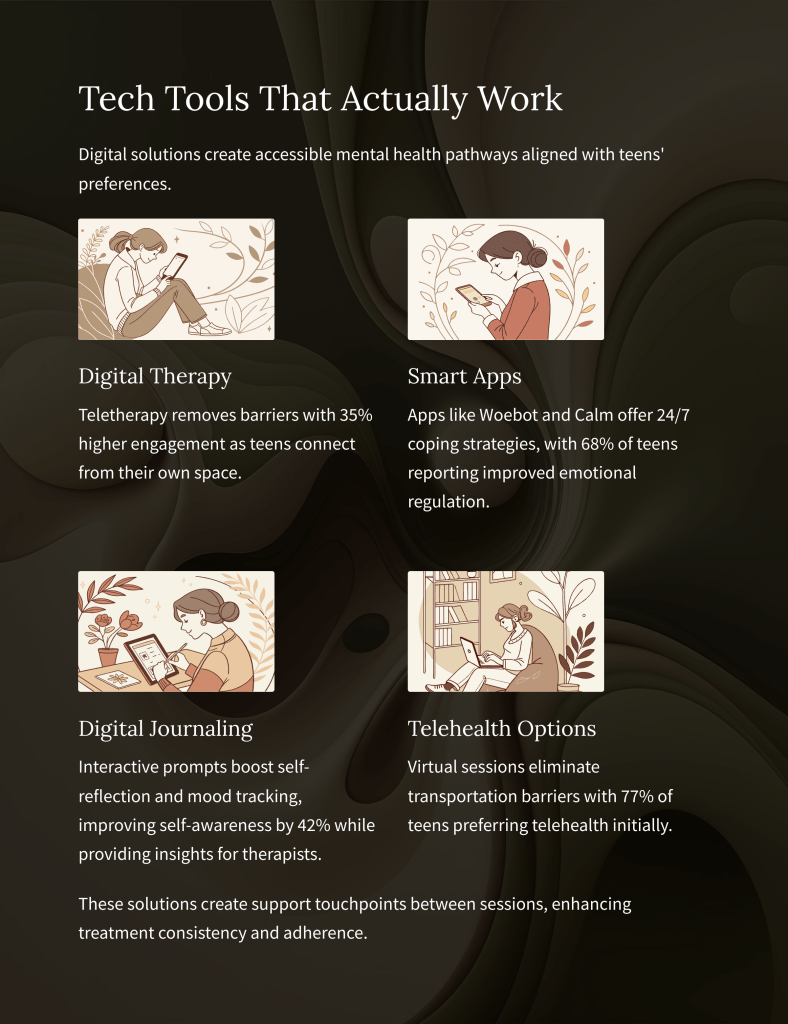
You might wonder if it is possible to treat post-traumatic stress disorder (PTSD) during a COVID-19 pandemic crisis, but this is the situation that therapists and clients find themselves. Can we find a way to maintain effective treatment through the use of modern technology? Is it possible to treat trauma with this “new world” approach to mental health?
Since the beginning of this year (2020), countries worldwide have worked to protect vulnerable populations from the virus COVID-19. The primary strategies used to prevent the spread of the virus is social distancing and self-imposed quarantine. While this has been effective in reducing the pandemic’s physical effects, it hasn’t protected us from the psychological effects of this unprecedented life-situation. We see an increase in fear, anger, anxiety, panic, helplessness, and burnout in both children and adults. As a therapist working remotely with people dealing with stress and trauma, I have seen several extreme reactions of hallucinations and delusions due to the isolation and continual digestion of negative news media.
A Healthline.com survey of what COVID-19 is doing to our mental health gives a somber picture: increased worry and insecurity over finances, higher than normal depression and anxiety, prevalent feelings of sadness, and being “on edge,” and an alarming rise in suicides. In America, Federal dollars are being released to increase mental health services nationwide to stem this rising tide of trauma without fully knowing the long-term effects of trauma.
Therapists, just like the general population, use social distancing and remote work to keep themselves, their families, and their clients safe. Therapists are “front-line responders” and considered “essential workers,” but not all therapists choose to be exposed to 30-40 people a week who might have the COVID virus. Many of them, like myself, have family members who have compromised immune systems and considered to be at-risk. Working from an office and seeing individuals, face-to-face is not an option. Therefore, therapists and clients have to seek alternatives that can be equally beneficial to both.
The European Journal of Psychotraumatology studied the Telehealth models for post-traumatic stress disorder using cognitive therapy and found that clients rated it as very successful in managing their symptoms. High patient satisfaction ratings were given for both video conferencing and phone call sessions. In the later technology, the only nonverbal communication was the tone of voice, and yet it still benefited clients.
The journal defines Post-traumatic stress disorder by “a sense of serious current threat, which has two sources: the nature of the trauma memory and excessive negative appraisals.” Traumatized individuals frequently have intrusive, negative thoughts about traumatic experiences and continue to see the world with a negative lens. They have a feeling of hopelessness about their future and easily triggered by daily events.
Professional organizations are rising to the challenge and providing education and support to remote mental health workers on the unique delivery of mental health through technology. Guidelines have been created by the American Psychological Society, International Society of Traumatic Stress Studies, and the National Institute of Health and Clinical Excellence, specifically targeting PTSD. Governing boards for various mental health professionals are also outlining specific legal and ethical requirements for safe, trustworthy online therapy.
According to the Psychotraumatology journal article, Telehealth’s use led to “improvements in PTSD symptoms, disability, depression, anxiety, and quality of life, and over 70% of patients recovered from PTSD (meaning they no longer met diagnostic criteria). The Journal of Family Process has reported several articles on the effectiveness of Telehealth with children, adults, couples, and families.
Therapists, offline and online, can provide education and support to (1) reduce negative reactivity in thoughts and emotions, (2) build more effective coping skills, and (3) deepen the quality of life and relationships.
These three areas are healing strategies outlined in my trauma-informed training and therapy.
The foundation for PTSD work, in face-to-face or video conferencing, is to establish a sense of safety from which to utilize these healing strategies. The client has to trust the therapist, believing he can offer some hope, create an atmosphere of security, and witness the traumatic hurt for PTSD individuals. Empathy isn’t confined to the physical space of the therapist’s office. It can exist in the relational space online as well. Facial expressions on video, tone of voice, empathic responses, and supportive comments assist the connection despite distances.
Finding a private place to have a conversation is one real-world challenge of online work. Privacy can be increased by changing locations (some of my clients go inside cars, relocating to other rooms in the house, or going outside), using headphones, and letting family members know that they can’t be disturbed hour or so. Additionally, therapists can also learn about resources in the client’s living area if referrals are needed. Homework assignments can also be used between sessions and discussed online for adolescents and adults. Parents can participate online with young children, and family members can “zoom” in from different locations at an agreed-upon time. And lastly, follow up with secure emails and text messaging can further increase the outcome of this digital therapeutic medium for PTSD.
If you are looking for a trauma therapist or someone to help you or a family member with anxiety, contact Ron Huxley today at RonHuxley.com
Be sure to take advantage of our free online resources for families during the COVID-19 Pandemic at FamilyHealer.tv













 Ron Huxley LMFT