The Cost of Caring: Burnout and Its Kin

Mental health professionals enter their field with a deep desire to help others heal and grow. Yet paradoxically, the very act of caring that draws them to this work can become a source of profound personal distress. Understanding burnout and its related phenomena is crucial for both individual practitioners and the field of mental health as a whole.

Understanding Burnout: More Than Just Being Tired

Burnout is formally recognized as an occupational phenomenon resulting from chronic workplace stress that has not been successfully managed. It manifests through three distinct dimensions: overwhelming exhaustion that exceeds normal fatigue, depersonalization, where providers develop cynical attitudes toward their work and clients, and a diminished sense of personal accomplishment or efficacy in their professional role.

This isn’t simply about having a bad day or feeling overwhelmed occasionally. Burnout represents a systematic erosion of engagement, energy, and effectiveness that develops over time in response to chronic stressors in the workplace environment.

The Family of Caring-Related Stress

While burnout is perhaps the most widely recognized form of work-related distress among mental health professionals, it exists alongside several related but distinct phenomena that can profoundly impact practitioners.

Compassion Fatigue represents a decreased capacity to empathize or feel compassion for others, resulting from repeated exposure to client suffering and trauma, unlike burnout, which primarily relates to workplace conditions, compassion fatigue explicitly addresses the emotional toll of witnessing pain and distress. Practitioners may find themselves becoming emotionally numb or struggling to connect with clients’ experiences in ways that once came naturally.

Vicarious Trauma involves negative changes in a practitioner’s worldview, spirituality, or internal experience that result from cumulative exposure to client trauma narratives. This isn’t about developing specific symptoms, but rather about how repeatedly hearing traumatic stories can alter one’s fundamental beliefs about safety, trust, and meaning in the world. A therapist working with abuse survivors, for example, might find their own sense of security in relationships becoming compromised.

Secondary Traumatic Stress (STS) manifests as trauma-related symptoms—such as intrusive thoughts, avoidance behaviors, or hypervigilance—that develop as a result of witnessing or hearing about another person’s trauma. Unlike vicarious trauma, which develops gradually, STS can have a relatively quick onset and presents with symptoms similar to those experienced by direct trauma survivors.

The Perfect Storm: Contributing Factors in Mental Health Settings

Mental health work environments often create conditions that are particularly conducive to burnout and related stress responses. High caseloads mean practitioners juggle numerous complex cases simultaneously, each requiring significant emotional and cognitive resources. The severity and complexity of client presentations have increased over time, while resources and support systems have often remained static or decreased.

A lack of autonomy and control over working conditions exacerbates these challenges. Many mental health professionals find themselves constrained by institutional policies, insurance requirements, and administrative demands that conflict with their clinical judgment or values. When practitioners cannot practice in ways that align with their professional standards or personal values, the resulting moral distress contributes significantly to burnout.

The reward structure in mental health work is often misaligned with the demands of the job. While the work is emotionally intensive and requires high levels of skill and training, compensation frequently fails to reflect this reality. Recognition for good work may be minimal, while criticism for poor outcomes can be harsh and public.

Community and collegiality serve as crucial buffers against work-related stress, yet many mental health settings struggle with isolation, competition, and lack of meaningful peer support. When practitioners feel isolated in their struggles or are unable to process complex cases with colleagues, the burden of care becomes exponentially heavier.

Perceived unfairness in workload distribution, advancement opportunities, or organizational decision-making processes creates additional stress. When practitioners feel that their workplace operates according to different standards or that some individuals receive preferential treatment, it undermines their investment in the organization and their commitment to the work.

Perhaps most significantly, the emotionally taxing nature of mental health work itself creates unique challenges. Practitioners regularly encounter human suffering, crisis situations, and complex ethical dilemmas. They must maintain therapeutic boundaries while remaining genuinely engaged, balance hope with realism, and navigate the delicate process of facilitating change while respecting client autonomy.

Staffing shortages and high turnover rates create a vicious cycle. The remaining staff must absorb additional responsibilities, making it even more challenging to provide quality care and maintain a work-life balance. The constant need to orient new staff members and the loss of experienced colleagues further erode the stability and support that might otherwise buffer against stress.

The Ripple Effect: Consequences for Providers and Clients

The impact of burnout extends far beyond individual discomfort, creating cascading effects that touch every aspect of mental health service delivery.

For practitioners themselves, burnout takes a severe toll on both physical and mental health. Chronic stress contributes to cardiovascular problems, compromised immune function, sleep disturbances, and increased susceptibility to anxiety and depression. The irony of mental health professionals struggling with their own psychological well-being while trying to help others cannot be overstated.

Professional disengagement follows naturally from burnout. Practitioners may find themselves going through the motions, providing adequate but uninspired care, or avoiding challenging cases. The creativity, empathy, and genuine connection that characterize excellent mental health treatment become casualties of chronic stress and exhaustion.

Ultimately, many burned-out practitioners leave the field entirely, representing a devastating loss of training, experience, and institutional knowledge. This exodus particularly affects specialized areas of practice and underserved populations, where experienced practitioners are already in short supply.

The consequences for clients are equally serious. Reduced access to services occurs as practitioners leave the field or reduce their availability. Those who remain may provide lower-quality care, lacking the energy and engagement necessary for effective treatment. Continuity of care suffers as clients must repeatedly establish new therapeutic relationships, disrupting progress and potentially retraumatizing vulnerable individuals.

Perhaps most concerning, burned-out practitioners may inadvertently cause harm through impaired judgment, boundary violations, or inadequate attention to safety issues. When the helpers are struggling, everyone suffers.

Moving Forward: Recognition as the First Step

Understanding burnout and its related phenomena is not about creating despair or discouraging people from mental health careers. Instead, it’s about acknowledging the very real challenges inherent in caring work and developing realistic strategies for maintaining both professional effectiveness and personal well-being.

Recognition that these experiences are normal responses to abnormal levels of stress is crucial. Mental health professionals are not immune to the effects of chronic stress, nor should they be expected to be. Creating cultures that normalize the discussion of these challenges and provide concrete support for practitioners is essential.

The cost of caring is real, but it need not be insurmountable. By understanding what we face, we can begin to develop the individual skills and systemic changes necessary to preserve both the healers and those they serve.
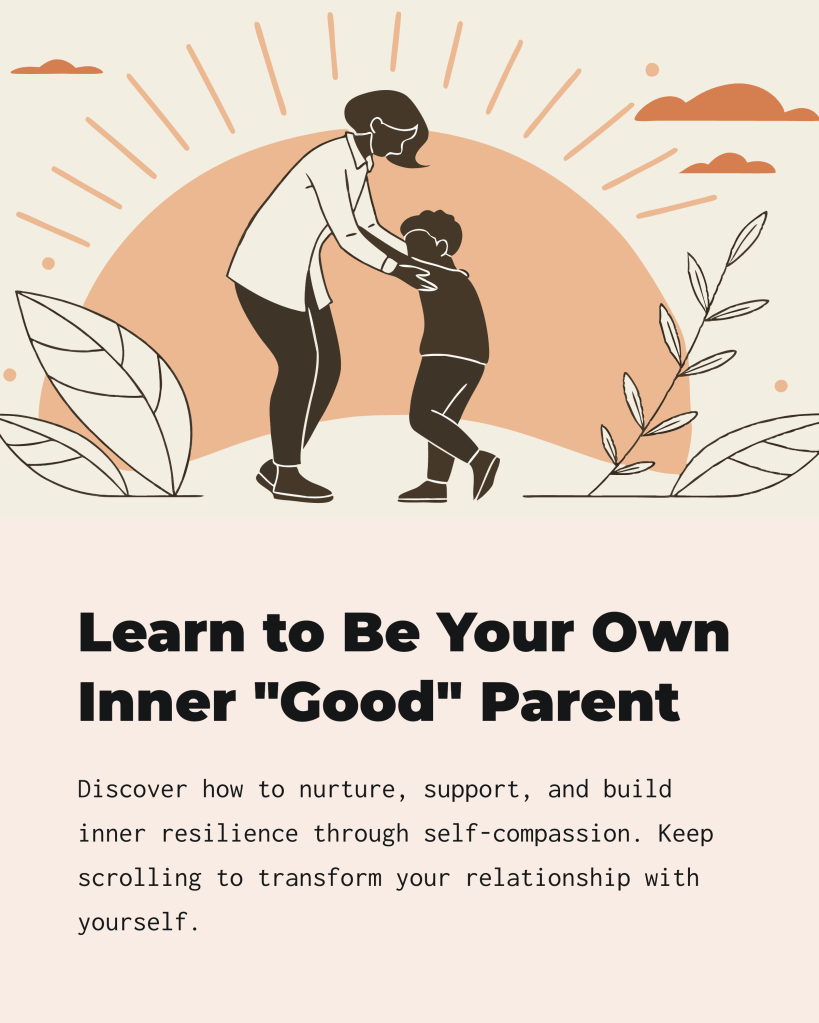
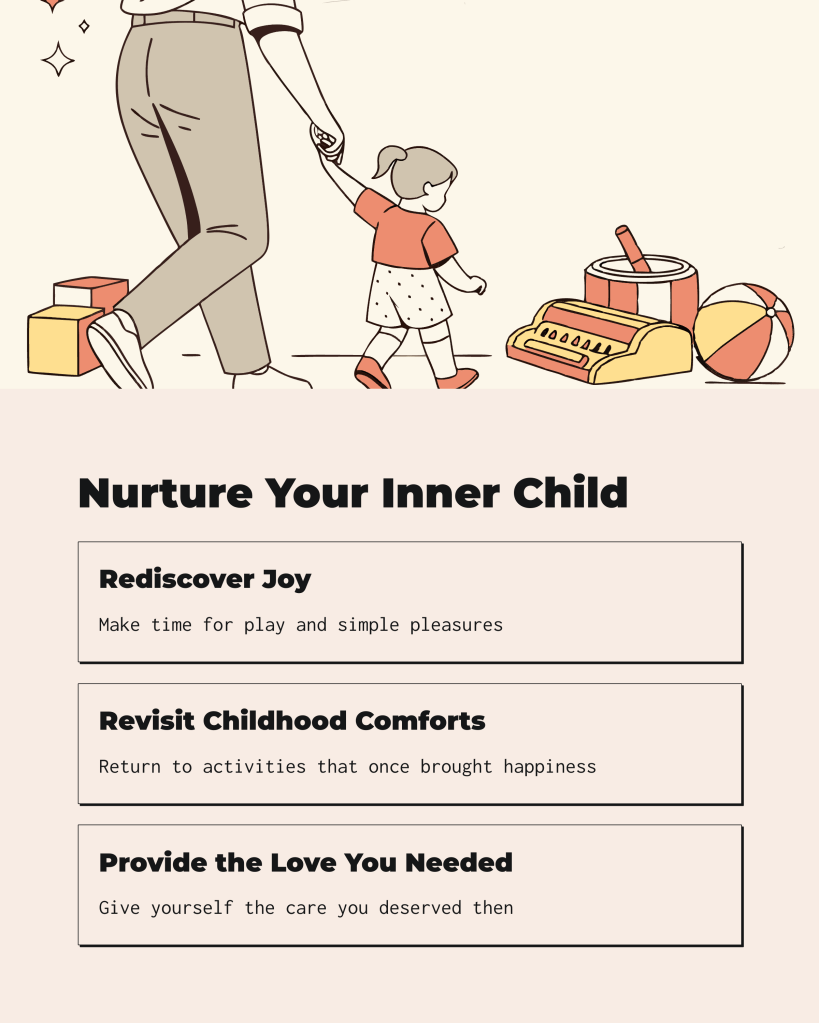
Learn to be your own “Good Parent”

Discover how to nurture, support, and build inner resilience through self-compassion. When we develop our inner “good parent,” we create a foundation of emotional stability that serves us through life’s challenges.

Many of us carry wounds from childhood that affect how we treat ourselves today. By learning to parent yourself with kindness and wisdom, you can heal these patterns and develop healthier self-talk, boundaries, and emotional regulation skills.

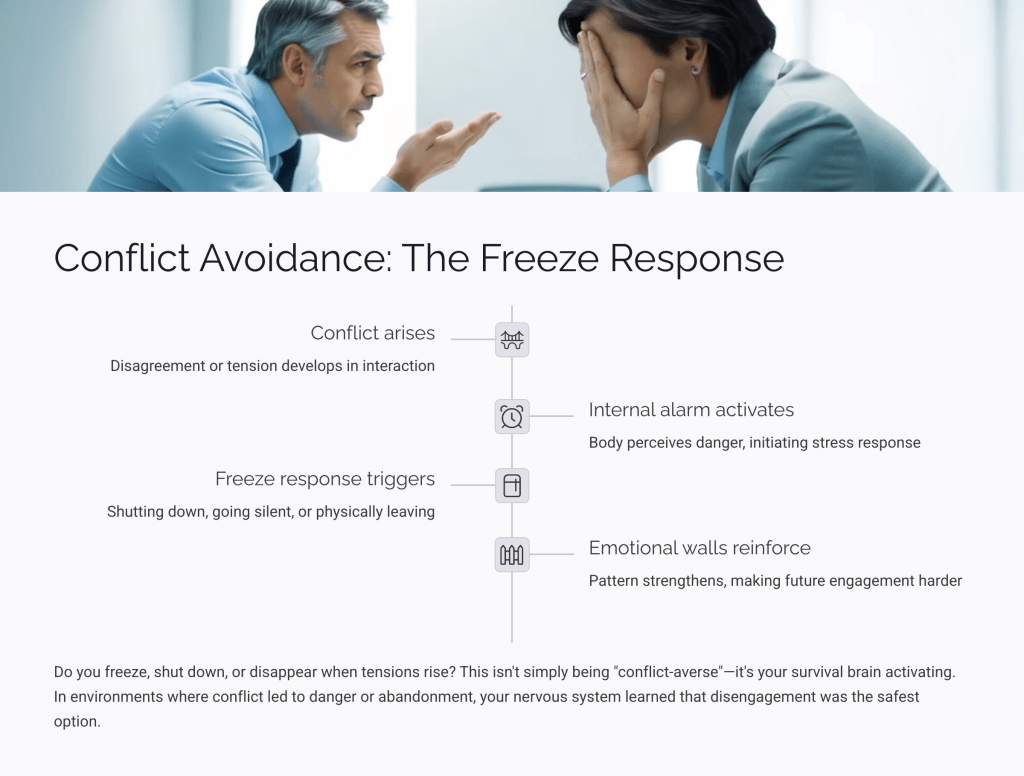
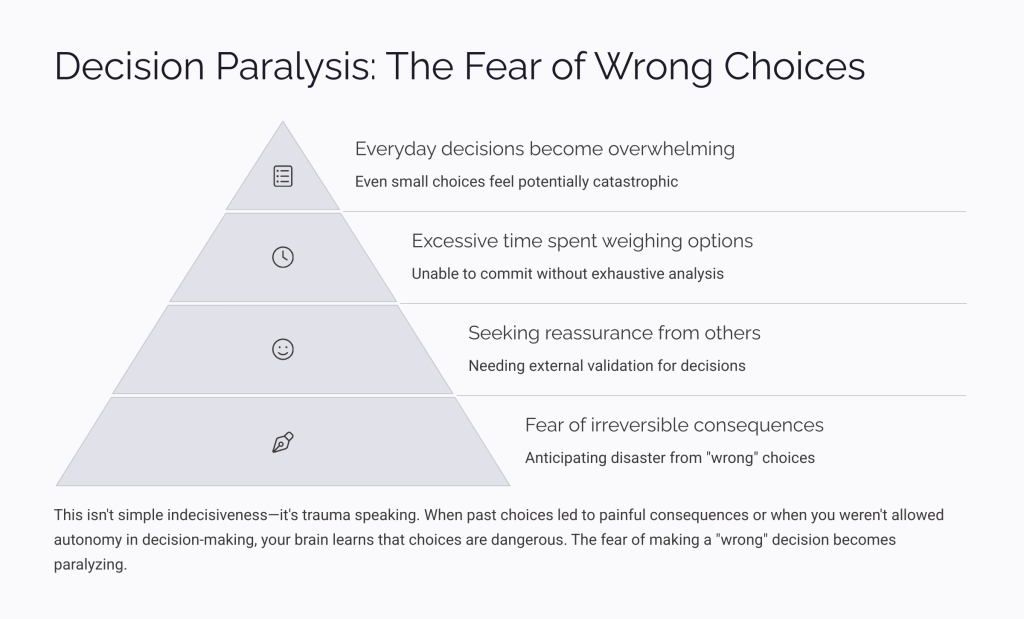
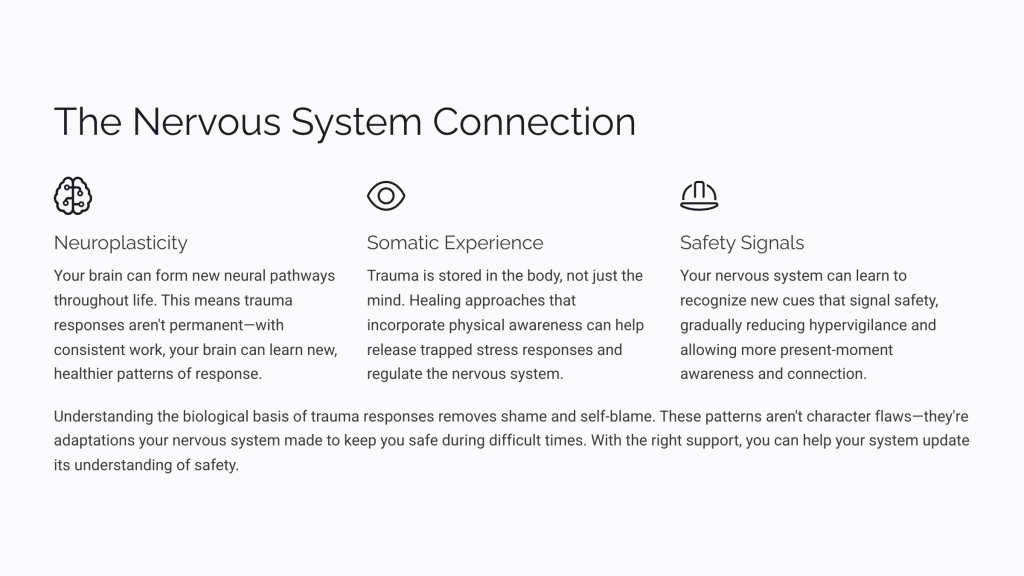
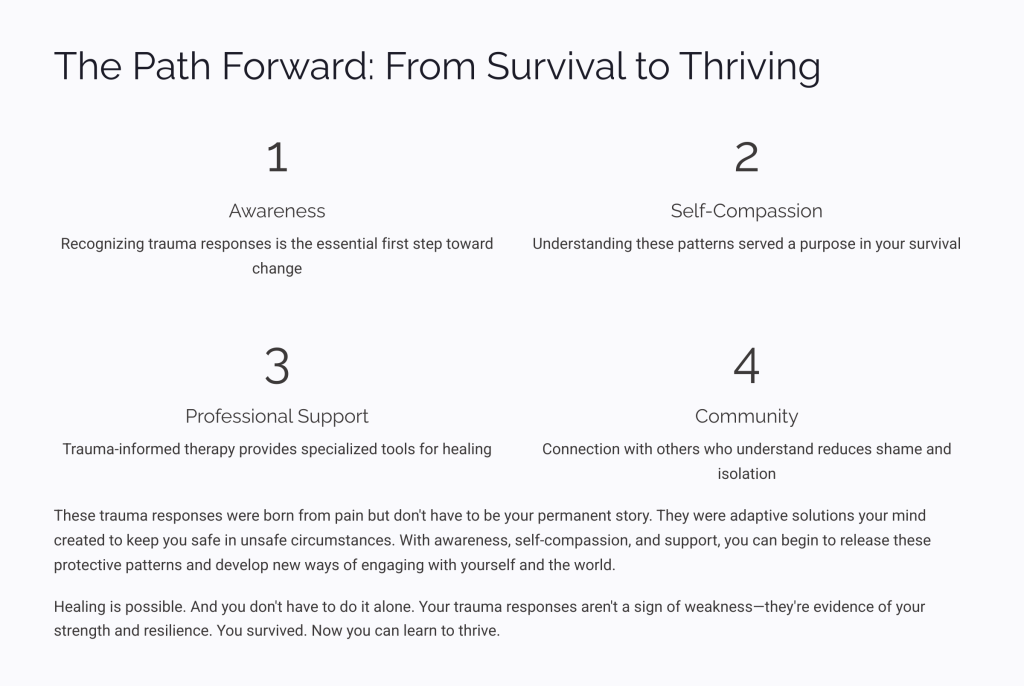
10 Surprising Trauma Responses You Didn’t Know Were Controlling Your Life

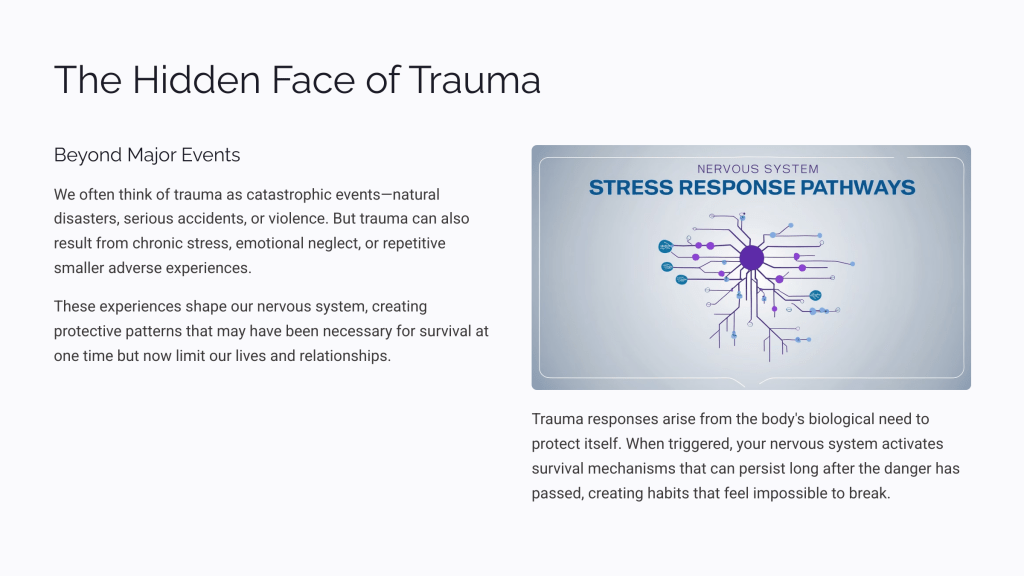
What if that trait you’ve always considered just part of your personality—being “too sensitive” or “fiercely independent”—isn’t really who you are? What if it’s actually trauma silently controlling your responses?

Trauma doesn’t always announce itself through dramatic flashbacks or panic attacks. It often hides in our everyday behaviors, reflexive reactions, and even our quirks. These unconscious responses might be your mind’s way of trying to keep you safe from threats that no longer exist.

Join us as we explore ten common trauma responses that might be quietly shaping your life and discover how recognizing them is the first step toward healing and reclaiming your authentic self.

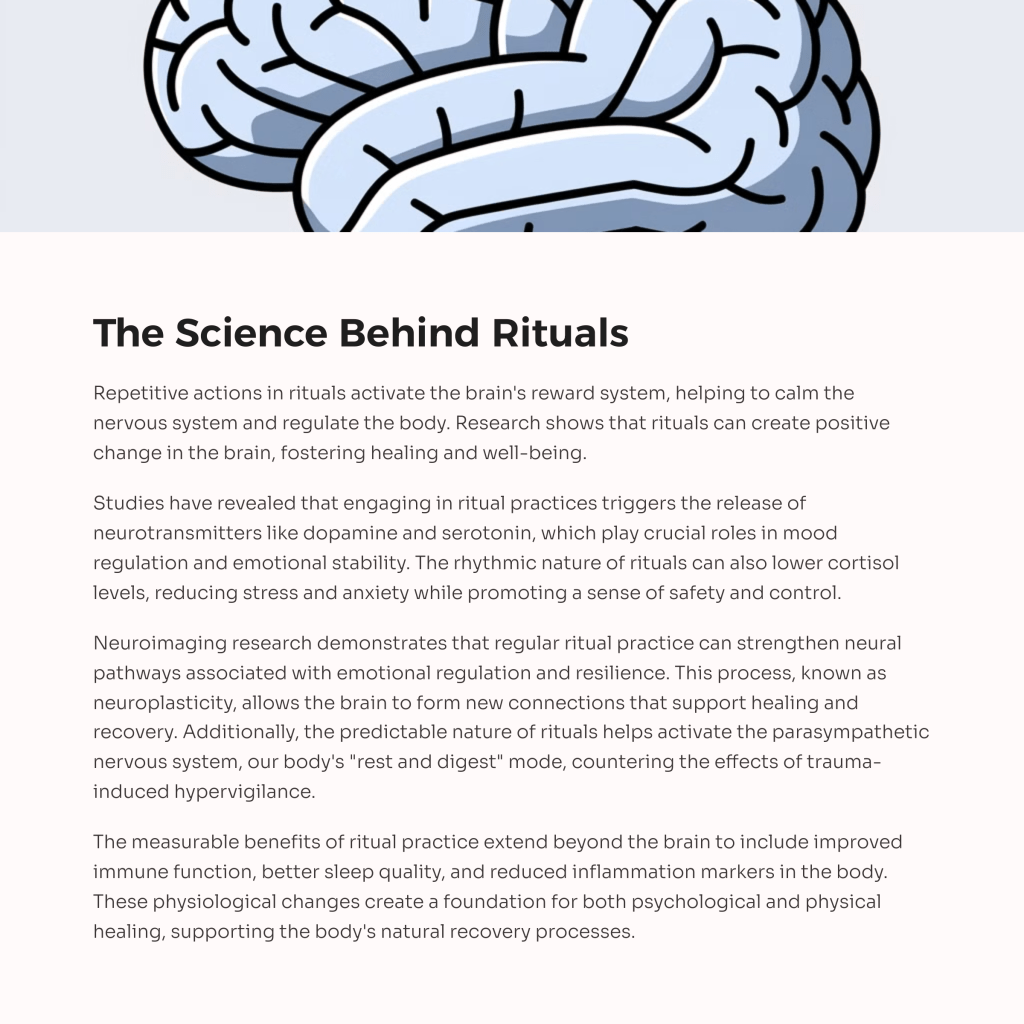
Trauma Recovery: The Healing Power of Rituals

Looking for ways to heal after trauma? Rituals are more than just cultural practices; they’re powerful tools for creating a sense of peace and grounding. Whether it’s a morning meditation, a weekly journaling practice, or a sacred ceremony, rituals can provide structure and meaning during your healing journey.

Safe Space for Healing

Rituals create a protected container for processing emotions and experiences at your own pace.

Connection to Self

Regular practices help rebuild trust in yourself and your body’s wisdom

Restored Sense of Control

Through intentional actions, rituals help reclaim your power and agency

Join us as we explore how ancient wisdom and modern understanding support your healing journey. Whether you’re just starting out or looking to deepen your practice, discover how reclaiming rituals can help you find healing, empowerment, and renewed purpose.

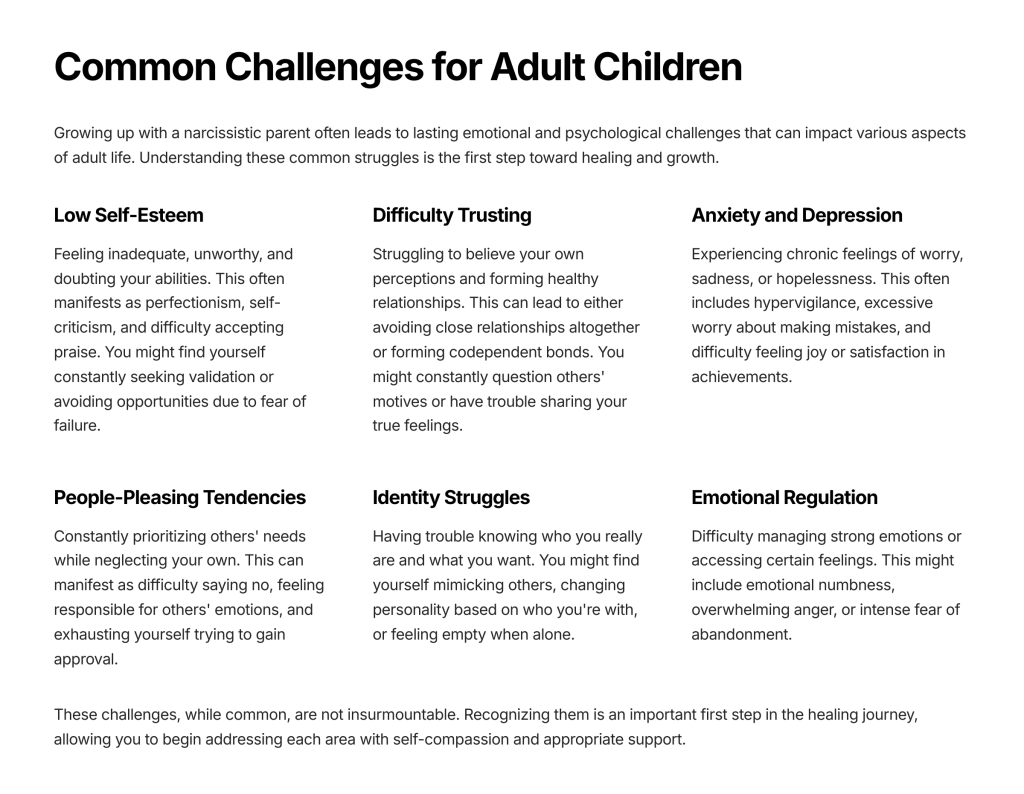
Reclaiming Yourself: A Guide to Recover from Narcisstic Parenting

Growing up with a narcissistic parent can leave deep emotional scars, distorting your sense of self and creating lasting challenges. However, recovery is possible. This guide offers a journey of self-discovery, healing, and reclaiming your authentic self. We’ll explore the impact of narcissistic parenting and common challenges faced by adult children and provide essential steps toward healing and moving forward.

Breath to Breath: Your Path to Inner Calm

Deep breathing is a powerful tool for calming the nervous system and promoting overall well-being in children and adults. This simple yet effective technique offers numerous benefits for physical and mental health.

Benefits of Deep Breathing

For Adults

Deep breathing activates the parasympathetic nervous system, which helps reduce stress and anxiety[1][2]. It can lower heart rate and blood pressure and even decrease the production of stress hormones like cortisol[1]. Regular practice of deep breathing exercises has been shown to:

  • Improve cardiovascular health
  • Enhance respiratory performance
  • Boost emotional well-being
  • Increase relaxation responses
  • Promote better sleep

Studies have found that just one minute of slow, deep breathing can significantly lower physiological arousal, making it an excellent tool for managing stress in everyday situations[4].

For Children

Deep breathing exercises can be particularly beneficial for children, helping them develop essential coping skills:

  • Reduces anxiety and stress
  • Improves focus and concentration
  • Enhances emotional regulation
  • Promotes better sleep
  • Builds resilience

Research has shown that guiding children through brief deep breathing exercises can significantly lower their physiological arousal, even in everyday settings[4]. This makes it an invaluable tool for helping children manage their emotions and stress.

Introducing Calm Breath: A New App for Children

We’ve developed a new app called Calm Breath to help children learn and practice deep breathing techniques. This interactive tool makes deep breathing exercises fun and engaging for kids. You can try it out at https://calm-breath.replit.app/

Calm Breath joins a growing list of digital resources to teach children mindfulness and relaxation techniques [6][9]. Incorporating technology can make these valuable skills more accessible and appealing to young users.

How to Practice Deep Breathing

To get the most benefit from deep breathing, follow these simple steps:

  1. Find a comfortable position, either sitting or lying down.
  2. Place one hand on your chest and the other on your belly.
  3. Breathe in slowly through your nose, feeling your belly expand.
  4. Exhale slowly through your mouth, letting your belly fall.
  5. Repeat for several breaths, focusing on the sensation of your breath.

Remember, consistency is key. Incorporating deep breathing exercises into your daily routine can lead to long-term benefits for you and your children.

By teaching children the importance of deep breathing early on, we can help them develop lifelong skills for managing stress and promoting overall well-being. With tools like Calm Breath, we’re making it easier than ever for children to learn and practice these essential techniques.

Citations:
[1] https://www.onestep.co/resources-blog/deep-breathing-better-physical-mental-health
[2] https://positivepsychology.com/deep-breathing-techniques-exercises/
[3] https://www.apaservices.org/practice/business/technology/tech-column/children-mindfulness-apps
[4] https://greatergood.berkeley.edu/article/item/how_four_deep_breaths_can_help_kids_calm_down
[5] https://www.nature.com/articles/s41598-021-98736-9
[6] https://www.understood.org/en/articles/8-meditation-apps-for-kids
[7] https://www.childrenscolorado.org/just-ask-childrens/articles/breathing-to-change-mood/
[8] https://www.webmd.com/balance/what-to-know-4-7-8-breathing
[9] https://parentingchaos.com/anxiety-apps-kids/
[10] https://copingskillsforkids.com/deep-breathing-exercises-for-kids
[11] https://www.heart.org/en/news/2023/07/07/its-not-just-inspiration-careful-breathing-can-help-your-health
[12] https://www.pcmag.com/picks/the-6-best-meditation-and-mindfulness-apps-for-kids
[13] https://www.cedars-sinai.org/blog/five-deep-breathing-exercises-for-kids-and-teens.html

Raising Good Humans: A Guide to Mindful Parenting

Hunter Clarke-Fields’ book “Raising Good Humans” offers a refreshing approach to parenting that focuses on mindfulness, emotional intelligence, and building strong relationships with our children. By incorporating these principles, parents can create a nurturing environment that fosters cooperation, resilience, and empathy in their children.

The Power of Modeling

One of the core tenets of Clarke-Fields’ approach is the importance of modeling desired behaviors. Children learn more from what we do than we say[1]. As parents, we must embody the qualities we wish to see in our children, such as kindness, calmness, and respect[1]. For example, if we want our children to manage their emotions effectively, we need to demonstrate emotional regulation ourselves.

Breaking Harmful Cycles

Clarke-Fields emphasizes the need to identify and break harmful generational patterns[1]. Many parents unknowingly perpetuate behaviors they experienced in their own upbringing, such as yelling or using physical punishment. By recognizing these patterns, we can consciously choose to parent differently, creating a more positive family dynamic.

Mindfulness as a Foundation

The book advocates using mindfulness techniques to enhance parental self-regulation and improve communication with children[1]. Practices like the RAIN meditation can help parents navigate emotional challenges with more excellent balance and presence[1].

Building Strong Relationships

At the heart of Clarke-Fields’ philosophy is the belief that a strong parent-child relationship is key to effective parenting[3]. Children who feel securely attached to their parents are more likely to cooperate and work together to resolve conflicts[3].

Top Parenting Techniques from “Raising Good Humans”

  1. Practice mindful emotion management: Use techniques like RAIN meditation to navigate challenging situations with balance[1].
  2. Model desired behaviors: Demonstrate the qualities you want to see in your children, such as kindness and calmness[1].
  3. Focus on positive reinforcement: Catch your child being good and acknowledge their positive actions[2].
  4. Teach interoception: Help children recognize their body’s internal signals to develop better self-regulation[2].
  5. Establish predictable routines: Create consistency in daily activities to provide security and reduce anxiety[2].
  6. Spend focused time with your child: Strengthen your connection through dedicated, quality time together[3].
  7. Create a low-stress home environment: Simplify your surroundings to foster a calm atmosphere[3].
  8. Practice vulnerability: Show your children that it’s okay not to have all the answers and to learn from mistakes[6].
  9. Cultivate a growth mindset: Encourage a perspective that embraces challenges and sees failures as opportunities for learning[6].
  10. Prioritize emotional intelligence: Help children effectively identify, understand, and manage their emotions [5].

By implementing these techniques and embracing the principles outlined in “Raising Good Humans,” parents can create a nurturing environment that supports their children’s emotional and social development. Remember, the goal is not perfection but a conscious, mindful approach to parenting that fosters strong relationships and raises emotionally intelligent, resilient children.

Citations:
[1] https://swiftread.com/books/raising-good-humans
[2] https://www.mindbodydad.com/dad/5-principles-of-parenting
[3] https://www.shortform.com/summary/raising-good-humans-summary-hunter-clarke-fields
[4] https://bewellbykelly.com/blogs/blog/raising-good-humans-discover-the-5-key-principles-of-parenting-with-dr-aliza-pressman
[5] https://www.20minutebooks.com/raising-good-humans
[6] https://www.mamasaysnamaste.com/podcast-good-humans/
[7] https://www.youtube.com/watch?v=eOlJMB8I_k0
[8] https://gabbybernstein.com/podcast/spirituality-and-parenting-raising-good-humans-with-dr-aliza-pressman/

Overcome the Need for Approval: Key Steps

Understanding the Impact of Others’ Opinions

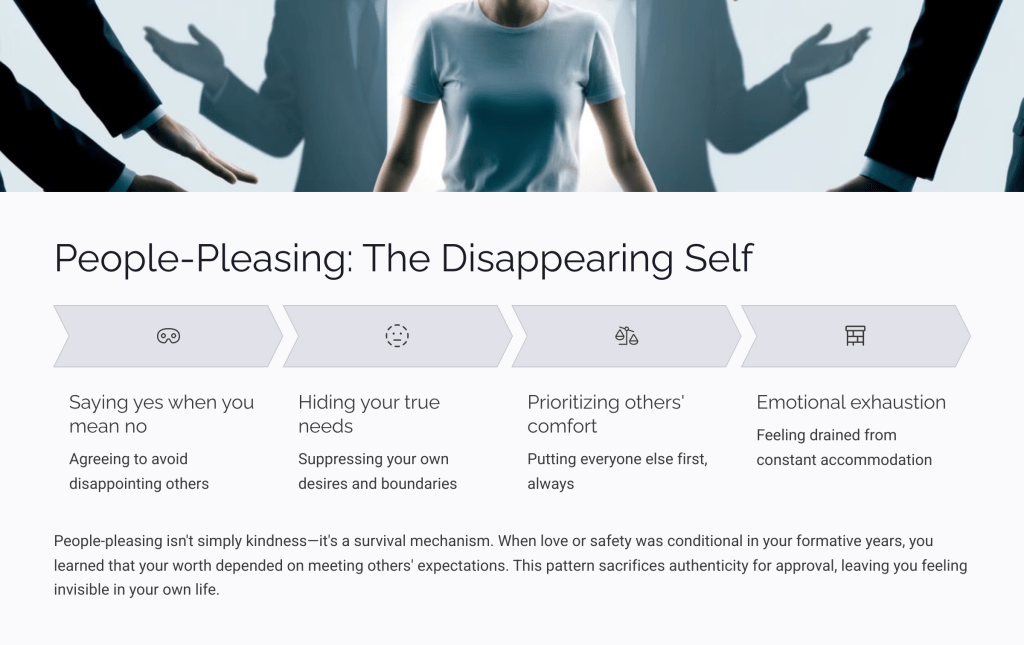
Caring about what others think is a natural human tendency rooted in our evolutionary need for social acceptance. While it’s expected to seek approval, excessive concern can lead to anxiety and hinder personal growth. To cultivate a more authentic life, learning how to prioritize your values and well-being over external validation is essential.

Steps to Stop Caring About What Others Think

1. Focus on Your Own Goals and Values
Begin by identifying what truly matters to you. Create a list of personal aspirations and values that guide your decisions. This will help shift your focus from others’ opinions to your path, fostering a sense of purpose and direction in life.

2. Listen to Your Inner Voice
Cultivate self-awareness by tuning into your thoughts and feelings. Regular practices like journaling or meditation can help clarify your priorities and reinforce your self-worth. When you understand your own values, the opinions of others become less significant.

3. Challenge Negative Thoughts
Recognize when you’re comparing yourself to others, especially on social media. Remind yourself that these comparisons often reflect only the surface of someone’s life. Replace negative self-talk with affirmations highlighting your strengths and accomplishments, such as “I am enough just as I am”.

4. Surround Yourself with Supportive People
Choose to spend time with individuals who uplift and encourage you rather than those who foster insecurity or doubt. Positive relationships can bolster your self-esteem and help you feel more secure in your identity.

5. Embrace Change and Imperfection
Understand that perfection is subjective and unattainable. Allow yourself to change your mind and make mistakes without fear of judgment. This acceptance fosters resilience and self-compassion, enabling you to navigate life’s challenges more effectively.

6. Spend Time Alone
Solitude can be a powerful tool for self-discovery. Use this time to reflect on your thoughts and desires without external influences clouding your judgment. The more grounded you are in yourself, the less likely you will be swayed by others’ opinions.

7. Let Go of the Need for Approval
Not everyone will like or accept you, and that’s perfectly okay. Detaching from the need for universal approval frees you to express your true self without fear of rejection.

Learning to stop caring about what others think is a journey that involves self-reflection, courage, and practice. By focusing on your values, surrounding yourself with supportive people, and embracing imperfection, you can cultivate a more authentic life filled with confidence and fulfillment. Remember, the opinions of others are often reflections of their own insecurities—what truly matters is how you perceive yourself.

Quiz: How Much Do You Care About What Others Think?

This quiz will help you assess your concern about others’ opinions. For each statement, rate yourself on a scale from 1 to 5, where:

  • 1 = Strongly Disagree
  • 2 = Disagree
  • 3 = Neutral
  • 4 = Agree
  • 5 = Strongly Agree

Questions

  1. I often change my opinions or preferences to fit in with others.
  2. I feel anxious when I think about how others perceive me.
  3. I frequently seek validation from friends or family before making decisions.
  4. I avoid expressing my true feelings if it might upset someone else.
  5. I often compare myself to others on social media.
  6. I worry about what people will say if I pursue my passions or interests.
  7. I feel embarrassed when I receive criticism, even if it’s constructive.
  8. I often think about how others will judge my actions before doing them.
  9. I frequently apologize, even when I don’t feel I’ve done anything wrong.
  10. I prioritize pleasing others over my own needs and desires.

Scoring Your Quiz

Add up your scores for each question to get your total score.

  • 10-20: Low Concern
    You have a healthy sense of self and are not overly affected by what others think. You prioritize your own values and opinions.
  • 21-35: Moderate Concern
    You care about others’ opinions to some extent, but you also value your own perspective. Strive for more balance in your decision-making.
  • 36-50: High Concern
    You may be significantly influenced by what others think, which can lead to anxiety and self-doubt. Consider working on building your self-esteem and focusing on your personal values.

Reflection

Regardless of your score, remember that it’s natural to care about how others perceive you to some degree. The key is finding a balance that allows you to live authentically while maintaining healthy relationships with those around you. If you find yourself in the high-concern category, consider exploring strategies to cultivate self-confidence and reduce the impact of external opinions on your life.

Daily Self-Care Spark: 20 Quick Rituals for Busy Lives

  1. Morning Stretch (Gentle Yoga vibes)
  2. Mindful Breathing (One-minute zen)
  3. Hydration Check (Drink up, folks!)
  4. Gratitude Journaling (Cue happy thoughts)
  5. Nature Break (Breathe in, breathe out)
  6. Tech Detox (Screens off, brains on pause)
  7. Healthy Snack Pause (Nom nom healthy)
  8. Positive Affirmations (You rock!)
  9. Mini Meditation (Find that zen, quick!)
  10. Expressive Writing (Journaling for the Soul)
  11. Music Break (Turn it up, shake it off)
  12. Self-Compassion Pause (Be kind to you)
  13. Stress-Relief Exercise (Jump, shake, stretch!)
  14. Tea Time (Sip and savor)
  15. Reflective Walk (Walk and ponder)
  16. Disconnect to Reconnect (Switch off, tune in)
  17. Power Nap (Snooze, rejuvenate)
  18. Quick Hobby Session (Do what you love, briefly)
  19. Setting Boundaries (Say ‘no’ like a boss)
  20. Nighttime Wind-Down (Bedtime chill vibes)

Remember, self-care isn’t selfish; it’s essential for maintaining a healthy life balance. Incorporating these simple rituals into your day can profoundly impact your overall well-being.

When “THEY” Won’t Change! What do I do?

When dealing with people who refuse to change, it’s important to accept that you cannot force them to change, but you can control your own reactions and boundaries. Here are some suggestions based on the search results:

Focus on what you can control. You cannot change others, only yourself. Recognize that their resistance to change is not about you, but their own fears, habits or mindset. Ask yourself if this is truly your problem to solve or theirs.[3]

Communicate clearly and compassionately. Express how their behavior impacts you using “I” statements, without criticism or judgment.[1][4] Listen to understand their perspective. Brainstorm solutions together if they are open to it.[4]

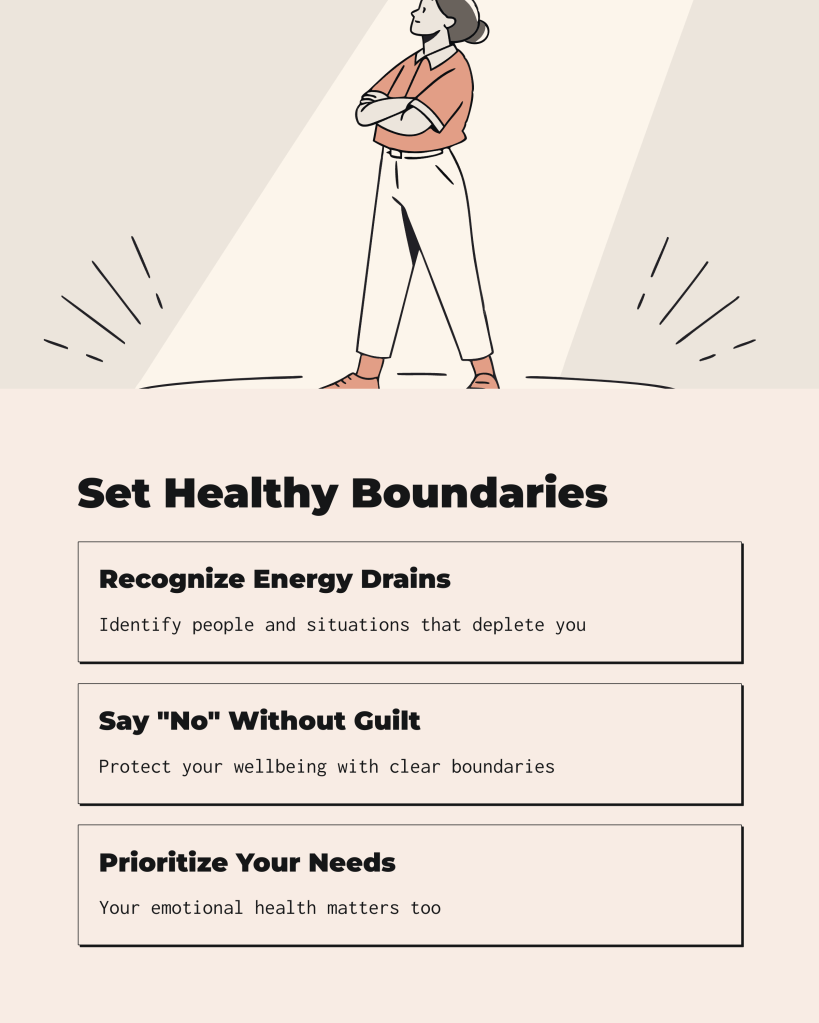
Set boundaries. If their behavior is unacceptable, calmly explain your boundaries and the consequences if they continue, such as limiting contact.[1][4] Follow through consistently.

Give them space. Avoid nagging, passive aggression or controlling language.[1] Pressuring someone often backfires. Allow them time and space to consider change at their own pace.[4]

Focus on your relationship. Compliment positive traits, spend quality time together, and look for areas you both can grow.[1] A strong bond can sometimes motivate change more than criticism.

Know when to disengage. If they remain unwilling to change hurtful patterns after you’ve communicated needs and boundaries, you may need to accept them as they are or re-evaluate the relationship.[3][5]

Prioritize your wellbeing. Don’t sacrifice your own mental health trying to change someone unwilling. Seek support, set firm boundaries, and detach with love if needed.[5][1]

The key is balancing compassion for their journey with prioritizing your own peace of mind. Change is an inside job – you can inspire but not force it upon others.[3][5]

Citations:
[1] https://www.wikihow.com/Deal-With-Loved-Ones-Who-Refuse-to-Change
[2] https://hbr.org/2001/11/the-real-reason-people-wont-change
[3] https://psychcentral.com/blog/imperfect/2018/04/stop-trying-to-change-people-who-dont-want-to-change
[4] https://www.verywellmind.com/when-your-spouse-doesnt-want-change-2302197
[5] https://tinybuddha.com/blog/what-to-do-when-people-dont-want-to-change/