Outside the Circle: How One Couple Learned to Step Back from the Magnetic Pull of Conflict

Imagine a circle drawn on the ground. Inside this circle, two people are locked in an ancient dance—circling each other, taking turns being pursuer and pursued, accuser and defender. The circle is magnetic, hypnotic. Once you step inside, the gravitational pull becomes almost irresistible.

This was Mark and Sarah’s marriage for three years.

The Circle of Conflict

“You promised you’d load the dishwasher,” Sarah said, her voice carrying that familiar edge that made Mark’s shoulders tense. “But here I am, coming home to the same mess again.”

Mark felt it immediately—that invisible force pulling him into the circle. His body moved toward the familiar position: feet planted, arms crossed, jaw set. “I was going to do it. You never give me a chance to—”

And there they were, both inside the circle again, spinning in the same exhausting pattern. Sarah feeling unheard and unsupported. Mark feeling criticized and trapped. Round and round they went, each movement predictable, each response drawing them deeper into the magnetic field of their conflict.

From inside the circle, each could only see the other as adversary. From inside the circle, each felt completely justified in their position. From inside the circle, there was no escape—only the endless dance of attack and defense.

The View from Outside

Three months earlier, Mark’s therapist had drawn an actual circle on a piece of paper during their session.

“This is where you and Sarah spend most of your time,” she said, pointing to the inside. “When you’re in here, you can only see each other. You can’t see the pattern you’re trapped in. You can’t see that you’re dancing the same dance that millions of couples dance.”

She drew a larger circle around the first one, then another around that.

“But what if you could step outside? What if you could observe the dance instead of being trapped in it? What if you could see that this isn’t actually personal—it’s just two people caught in a very old, very common pattern?”

Mark stared at the concentric circles. “But how do you step outside when everything in you is being pulled back in?”

The Magnetic Pull

The next time Sarah criticized him, Mark tried to observe what was happening in his body. The pull was immediate and powerful—like standing at the edge of a whirlpool. His chest tightened. His breathing changed. Every cell in his body wanted to step into the circle and defend himself.

“You always do this,” Sarah continued, her voice rising. “You make promises and then—”

Mark could feel himself being drawn in. The circle was calling to him. Defend yourself. Explain. Make her understand. Fight back.

But instead of stepping in, he tried something unprecedented. He imagined himself taking a step back. Not physically—he stayed right where he was—but energetically. As if he were observing the scene from outside the circle.

From this vantage point, he could see something remarkable: Sarah wasn’t his enemy. She was someone in pain, circling inside the same trap he’d been circling in. She was caught in the magnetic field just as much as he was.

“I can see you’re really frustrated,” he said quietly.

Sarah stopped mid-sentence, clearly expecting him to step into the circle with her. When he didn’t take the bait—when he didn’t defend or counter-attack—the dance had nowhere to go.

The Power of the Pattern

For Sarah, staying outside the circle proved even more challenging. She had years of practice stepping into conflict, and the pull was magnetic in a different way. When Mark didn’t fight back, when he didn’t give her the resistance she expected, she felt disoriented.

“Why aren’t you defending yourself?” she asked, genuinely confused.

“Because I can see what’s happening,” Mark said. “We’re both about to step into that circle again. And I’ve started to notice that nothing good ever happens in there.”

But Sarah could feel the gravitational pull intensifying. He’s trying to avoid responsibility. He’s using some therapy trick to make me look like the crazy one. The circle was calling to her, and everything in her wanted to pull him back in with her.

“Don’t you dare therapize me,” she snapped.

Mark felt the familiar tug—the irresistible urge to step into the circle and defend his new approach. The magnetic pull was strongest when Sarah was trying to drag him back in. But he held his position outside the circle.

“You’re right to be suspicious,” he said. “I would be too. But I’m not trying to avoid responsibility. I’m trying to see what’s really happening between us.”

Learning to Observe

Gradually, Sarah began to experiment with stepping back herself. It was harder for her because she had learned early in life that stepping into conflict was how you got your needs met. Staying outside the circle felt dangerous, like giving up.

But one evening, when Mark forgot to pick up their daughter Emma from soccer practice, something different happened. Sarah felt the familiar rage—the magnetic pull toward the circle of blame and defense. But this time, instead of immediately stepping in, she paused.

From outside the circle, she could see the larger pattern: Mark, probably feeling terrible about his mistake, preparing to defend himself. Herself, feeling overwhelmed and unsupported, preparing to attack. The same dance they’d been dancing for years.

She could see something else too: how this exact scene was playing out in thousands of homes across the country. How universal this pattern was. How impersonal, really, despite feeling so intensely personal.

When Mark came home full of apologies and excuses, Sarah didn’t step into the circle.

“I can see you feel awful about forgetting,” she said instead. “And I can see that I’m about to make you feel worse. What if we don’t do our usual dance this time?”

The Larger Circles

As Mark and Sarah practiced stepping outside their personal circle of conflict, they began to see ever-widening circles around them. The circle of couples having the same fights. The circle of humans struggling with the same needs for appreciation and understanding. The circle of all beings trying to love and be loved imperfectly.

“When I can see that our fight isn’t just our fight—that it’s the fight that every couple has—it feels less intense,” Sarah explains. “Less like life or death. More like… just what humans do.”

Mark learned to recognize the early warning signs of the circle’s magnetic pull: the tightening in his chest, the urge to explain and defend. “Now when I feel that pull, I imagine taking a step back. Not away from Sarah, but away from the pattern. I can stay present with her while refusing to dance the old dance.”

The Resistance

Stepping outside the circle wasn’t always welcomed by their dynamic. The pattern itself seemed to fight back, as if it had a life of its own.

“There were times when one of us would stay outside the circle, and the other would get more intense, trying to pull them back in,” Sarah remembers. “It’s like the pattern needed both of us to keep it alive.”

The children noticed too. Emma, their thirteen-year-old, actually complained when her parents stopped fighting in their familiar way. “You guys are being weird,” she said. “Why aren’t you yelling at each other?”

Even friends and family members seemed unconsciously invested in the old pattern. “Sarah’s finally training you, huh?” a friend joked when Mark started responding differently to criticism. The comment felt like an invitation to step back into the circle.

The View from Above

Six months into practicing this new approach, Mark and Sarah describe their relationship differently.

“We still trigger each other,” Mark says. “But now when it happens, instead of getting sucked into the vortex, we can usually observe what’s happening. We can see the circle forming and choose whether or not to step into it.”

Sarah nods. “And most of the time now, we choose not to. Because we’ve seen what’s in there—just the same old dance that never resolves anything. Why would we keep going back?”

They describe a strange phenomenon: the more they stayed outside their personal circle of conflict, the more they could see the larger circles of human suffering and struggle. Their individual pain became part of something much bigger, much more universal.

“When you realize that every couple who has ever lived has struggled with feeling heard and valued, your specific fight about the dishes becomes… well, it becomes workable,” Sarah explains. “It’s still important, but it’s not the center of the universe anymore.”

The Practice

For couples willing to experiment with stepping outside the circle, the practice requires constant vigilance:

Recognize the Pull: Learn to identify the physical sensations that signal you’re being drawn into the circle—tension, heat, the urge to defend or attack.

Step Back: Imagine taking a literal step backward, moving from participant to observer. Ask yourself: “What pattern are we about to dance?”

Expand the View: See your conflict as part of larger circles—all couples, all humans, all beings struggling with the same basic needs.

Stay Present: Remaining outside the circle doesn’t mean checking out. You can be fully present with your partner while refusing to dance the old dance.

Expect Resistance: The pattern will try to pull you back in. Your partner might intensify their attempts to engage you in the familiar dance. Hold your position.

The Paradox of Distance

The paradox Mark and Sarah discovered is that by stepping outside their circle of conflict, they actually became closer. When they stopped seeing each other as adversaries in a battle, they could see each other as fellow travelers caught in the same human predicament.

“We thought stepping back meant caring less,” Mark reflects. “But it actually means caring more effectively. When I’m not trapped in the circle, I can actually help Sarah with what she’s struggling with instead of just defending myself.”

The magnetic pull of their old pattern still exists. The circle is still there, still calling to them. But they’ve learned that they have a choice. They can observe the dance instead of being trapped in it. They can see the larger patterns instead of being hypnotized by the personal drama.

And in that space outside the circle—in that place of expanded awareness—they’ve found something they never expected: the freedom to love each other without needing to fix each other, to be present without needing to be right, to connect without needing to control.

The circle of conflict is still there. But they’re learning to live in the larger circles of compassion, understanding, and shared humanity. And from that vantage point, everything looks different.
The Hidden Messages in Your Discomfort: Why Processing Emotions is Your Path to Freedom

You know that feeling—a nagging unease in your stomach, a restlessness you can’t quite name, or a vague sense that something isn’t right even when everything looks fine on the surface. Most of us try to push these feelings away, distract ourselves with work, social media, or other activities. But what if these uncomfortable sensations aren’t problems to be solved, but messengers trying to deliver critical information?

The Weight of Unfinished Emotional Business

That persistent discomfort you’re experiencing might not be a warning about what’s coming—it could be an echo from your past that’s been quietly traveling with you. Unprocessed emotions don’t simply disappear because we ignore them. They settle into our bodies and minds like uninvited houseguests, taking up space and influencing how we move through the world.

Think of these unresolved feelings as unopened letters from earlier versions of yourself. Some contain wisdom and insights that could guide you forward. Others are simply remnants from chapters of your life that have already ended but haven’t been adequately acknowledged or grieved. All of them represent parts of you that are still waiting to be heard and integrated.

These emotional fragments aren’t trying to torture you—they’re signals pointing toward aspects of yourself that haven’t been fully understood or accepted. They’re like a persistent knock at the door from the parts of you that remain unfree, asking for attention and care.

Creating Space for Healing

When you’re ready to stop running from these feelings and start listening to them, the process begins with creating a sense of safety. This means finding physical and emotional spaces where you can turn toward your discomfort rather than away from it. It’s about developing the courage to ask, “What are you trying to tell me?”

This journey often brings up forgotten memories and long-buried emotions. You might suddenly remember moments from childhood that shaped how you see yourself, or realize that specific triggers—anger, sadness, anxiety—have been trying to wake you up to unmet needs or unacknowledged pain.

The healing process isn’t always gentle. It might involve crying for losses you never properly mourned, revisiting difficult memories to offer your younger self the comfort or voice they never had, or simply sitting with emotions you’ve spent years avoiding. But as you move through this process, something remarkable happens: you begin to feel lighter, as if you’re literally releasing weight you didn’t realize you’d been carrying.

Your body, too, holds onto emotional experiences. Physical practices such as exercise, stretching, or allowing yourself to shake or tremble can help release stored tension and trauma. Sometimes the body knows how to let go in ways the mind hasn’t figured out yet.

The goal isn’t to eliminate all discomfort from your life, but to learn how to be present with your feelings as they arise. When you can face what’s wrong without immediately trying to fix or escape it, you begin to uncover parts of yourself that have been buried under layers of personas, beliefs, and protective strategies.

You were never actually lost—just hidden. The discomfort was your authentic self’s way of reminding you that it was still there, waiting to be reclaimed.

Discomfort as Your Growth Partner

Here’s something our culture rarely teaches us: discomfort is often the seed of positive change. Most transformations begin not with a sudden burst of inspiration but with experiences that initially bring uncertainty, fear, and anxiety. This happens because we’re remarkably good at adapting to situations that aren’t quite right for us, often waiting until crisis forces our hand before we make necessary changes.

Your discomfort isn’t punishment—it’s information. It’s your inner wisdom communicating that something needs to shift, that there’s another way forward even if you can’t see it clearly yet. Think of discomfort as a caring friend who’s willing to tell you brutal truths that others might avoid.

Many people resist this messenger, which is why their lives can feel stuck or repetitive. But learning to sit with discomfort, to let it reveal what it needs to show you, is one of the most valuable skills you can develop. Discomfort, like anger, grief, and jealousy, serves a purpose—it’s trying to guide you toward something meaningful.

The Sneaky Ways We Resist Our Own Growth

Even when we intellectually understand that change would benefit us, our minds have clever ways of keeping us stuck. These psychological patterns often operate below conscious awareness, sabotaging our best intentions:

The Comfort of Familiar Discomfort. Strangely, we often unconsciously sabotage ourselves when life gets too good. If you’re used to struggle or chaos, peace and happiness can feel foreign and threatening. Your mind might create problems or find ways to return to familiar levels of stress, even when that familiar state isn’t pleasant. Change—even positive change—feels uncomfortable until it becomes your new normal.

The Limits of Our Imagination. Our minds are remarkably good at solving problems we’ve encountered before, but they struggle to envision genuinely new possibilities. When contemplating change, we often can only imagine variations of what we’ve already experienced. This limitation can lead us to believe that our current options are more limited than they actually are. Real growth requires accepting uncertainty and exploring unknown territory, which can feel deeply unsettling.

Expecting the Worst. Human brains are wired to notice and remember negative experiences more vividly than positive ones. This survival mechanism once kept our ancestors alive, but now often keeps us playing small. We tend to overestimate the likelihood and severity of bad outcomes while underestimating our ability to handle challenges or create positive change. This negativity bias can make staying in uncomfortable but familiar situations seem safer than taking risks toward something better.

The Sunk Cost Trap. Sometimes we remain committed to jobs, relationships, or life paths that aren’t working simply because we’ve already invested a significant amount of time, energy, or money in them. The thought of “wasting” that investment can keep us trapped in situations that no longer serve us, preventing us from pursuing options that might be much more fulfilling.

First Impressions Stick. Our brains tend to give special weight to early experiences and first impressions, making it harder to see new possibilities later. Suppose you learned early in life that you weren’t good at something, or that specific dreams were unrealistic. In that case, these initial conclusions can overshadow evidence to the contrary that emerges as you grow and change.

Temporary Feelings, Permanent Decisions. When we’re going through difficult emotions or challenging periods, it’s easy to assume these temporary states represent permanent realities. A bad week can feel like a prediction of a bad life. A period of sadness can seem like evidence that happiness isn’t possible. Learning to recognize the temporary nature of most emotional states can prevent us from making major life decisions based on passing feelings.

Insight Without Action. Sometimes, we become so caught up in understanding our patterns and having revelations about ourselves that we forget to actually implement the changes. Self-reflection can become its own form of avoidance when we use it to delay the often mundane, repetitive work of building new habits and sticking to healthier choices.

Living More Intentionally

Processing emotions and working through discomfort isn’t about reaching a state where you never feel bad again. It’s about developing the capacity to live more fully in each moment, experiencing your feelings in real-time rather than carrying around emotional baggage from the past or anxiety about the future.

When you can look directly at what’s bothering you—when you can sit with discomfort long enough to understand its message—you begin to access parts of yourself that may have been hidden for years. You discover that beneath all the protective layers you’ve built up, your authentic self has been there all along, waiting to be acknowledged and expressed.

This process isn’t always comfortable, but it leads to something invaluable: the freedom to respond to life from a place of choice rather than reaction, to make decisions based on who you actually are rather than who you think you should be, and to experience the full range of human emotion without being overwhelmed by it.

Your discomfort has been trying to tell you something important. Maybe it’s time to finally listen.

Finding Light in Dark Times: The Science of Positive Coping

When life hits hard, most of us naturally focus on damage control. We try to solve problems, push through negative feelings, or simply survive until things get better. But what if there’s another way to cope—one that doesn’t ignore the tough stuff but adds something powerful to the mix?

A Different Approach to Stress

Professor Judith Moskowitz, a researcher at Northwestern University, stumbled onto something important while studying people going through one of life’s most difficult experiences: watching a partner die from AIDS. She was asking participants about their stress, pain, and struggles when something unexpected occurred. The participants pushed back.

“You’re only asking us about the bad stuff,” they told her. “What about the good things that are helping us get through this?”

At first, this seemed almost impossible. How could people facing such devastating loss talk about positive experiences? But as Moskowitz listened, she realized something profound: even in the darkest moments, people were finding glimmers of light. And those who could see these bright spots seemed to be coping better overall.

This observation changed everything. Instead of focusing solely on reducing negative emotions, Moskowitz began studying how positive emotions could serve as a tool for handling life’s inevitable challenges.

It’s Not About Pretending Everything’s Fine

Before we go further, let’s be clear about what this approach is not. It’s not about slapping on a fake smile, pretending problems don’t exist, or falling into the trap of “toxic positivity”—that harmful idea that you should just think your way out of every situation.

Life is complicated, and so are our emotions. You can feel grateful and sad at the same time. You can find moments of joy even while grieving. You can appreciate a sunset while worrying about tomorrow. The goal isn’t to replace difficult emotions but to make room for helpful ones alongside them.

Think of it like this: if you’re walking through a storm, you don’t pretend it’s sunny. But you might notice a sturdy tree that offers shelter, or feel grateful for the warm coat you’re wearing. The storm is still real, but you’re not missing the resources that can help you weather it.

A Toolkit for Tough Times

Moskowitz and her team developed a practical set of skills that anyone can learn and use. These aren’t magic solutions—they’re more like exercises for your emotional well-being. Just like physical exercise, they are most effective when practiced regularly.

Notice the Good Stuff

This might sound obvious, but when we’re stressed, our brains naturally focus on threats and problems. We must intentionally seek out positive moments, no matter how small. Maybe it’s your morning coffee tasting just right, a text from a friend, or noticing that the traffic light turned green just as you approached it.

The key is actively paying attention. Good things happen every day, but we often miss them when we’re caught up in our worries.

Savor the Positive Moments

When something good does happen, don’t let it slip by unnoticed. Take a moment to really experience it. Share it with someone, write it down, or simply pause to appreciate it fully. Think of it like a slow-motion replay for positive experiences—you’re amplifying the good feeling by giving it your full attention.

Practice Gratitude

This goes beyond just saying “thanks.” It’s about intentionally noticing things you appreciate, from the big (having people who love you) to the small (having clean water to drink). Some people keep gratitude journals, others just take a few minutes each day to mentally list what they’re thankful for.

Stay Present

When we’re stressed, our minds often race between past regrets and future worries. Mindful awareness means gently bringing your attention back to the present moment. This isn’t about meditation retreats or complicated techniques—it can be as simple as focusing on your breathing for a few minutes or really noticing what you’re seeing, hearing, or feeling right now.

Being present also helps you notice those joyous moments that are easy to miss when your mind is elsewhere.

Look for Silver Linings

Positive reappraisal means finding ways to reframe challenging situations. This isn’t about convincing yourself that bad things are actually good—it’s about looking for any genuine positives that might exist alongside the negatives.

Perhaps a job loss led to the discovery of a new career path. Possibly a health scare motivated you to take better care of yourself. Or maybe a difficult situation taught you something about your own strength. Moskowitz says this is her personal go-to skill because it can be used in almost any situation.

Recognize Your Strengths

When life feels overwhelming, it’s easy to feel helpless. But you have resources, skills, and strengths that have helped you through tough times before. Taking time to identify these qualities—whether it’s your sense of humor, your ability to listen to others, or your determination—can remind you that you’re not powerless.

Set Small, Achievable Goals

Big problems can feel impossible to solve, but breaking them down into tiny, manageable pieces makes them less overwhelming. Instead of “get my life together,” try “organize one drawer today” or “call one person back.” Each small accomplishment gives you a little boost of positive emotion and builds momentum.

Moskowitz found this particularly helpful during the pandemic, when everything felt uncertain and out of control.

Do Something Kind

Helping others—even in small ways—shifts your focus outward and often brings unexpected positive feelings. It doesn’t have to be dramatic. You might let someone merge in traffic, send an encouraging text, or help a neighbor with their groceries.

Acts of kindness remind us that we can still make a positive difference, even when we’re struggling ourselves.

Be Gentle with Yourself

Self-compassion means treating yourself with the same kindness you’d show a good friend going through a hard time. Instead of harsh self-criticism, try to understand that suffering is a natural part of being human, and you deserve care and patience, especially from yourself.

The Evidence Is Real

This might all sound like common sense, but research shows these practices actually work. Studies have found connections between gratitude and improved physical health. Moskowitz’s own research has shown that people who learn these skills experience improved emotional well-being, and some studies are even finding effects on physical health measures.

The approach has been tested with people facing various challenges: those dealing with depression, caregivers, people with chronic pain, and everyday folks just trying to cope with life’s stresses.

Making It Work in Real Life

Like physical fitness, these emotional skills require regular practice to see sustained benefits. You can’t just try gratitude once and expect lasting change. The key is building these practices into your daily routine until they become as automatic as brushing your teeth.

Start small. Pick one or two skills that resonate with you and practice them for a few weeks. Notice what happens. You might be surprised at how such simple practices can help you feel more resilient and capable of handling whatever life throws your way.

The Bottom Line

When you’re going through tough times, don’t underestimate the power of positive emotions. They’re not frivolous add-ons to “real” coping—they’re legitimate tools that can help you navigate challenges more effectively.

You don’t have to choose between acknowledging your problems and finding moments of positivity. You can do both. And when you do, you might find that you’re not just surviving difficult times—you’re building skills that make you stronger for whatever comes next.

The research is clear: these simple practices might seem small, but their impact can be significant. In a world that often feels overwhelming, that’s a message worth holding onto.

Beyond “I Do”: Building a Trauma-Informed Marriage When One Partner Has a Trauma History

Understanding how past wounds can become pathways to deeper connection


Marriage vows promise “for better or worse,” but few couples anticipate how past trauma can profoundly shape their relationship. When one partner carries invisible wounds from their history, it affects everything from daily conversations to intimate moments. Yet with understanding and intentional care, these challenges can become opportunities for unprecedented closeness and resilience.

When the Past Lives in the Present

Sarah freezes when her husband Mark raises his voice—even during playful moments. What Mark doesn’t initially understand is that his tone triggers memories of an unpredictable childhood, making Sarah’s nervous system react as if danger is imminent.

Similarly, Emily physically healed from a serious car accident, but her body remembers the trauma. Highway driving now feels impossible, creating tension whenever she and her husband, David, plan trips together.

These scenarios illustrate what trauma expert Dr. Bessel van der Kolk describes in The Body Keeps the Score: trauma literally reshapes how our brains and bodies perceive safety and connection. For partners, understanding this isn’t just helpful—it’s transformative.

The Ripple Effects: How Trauma Touches Every Corner of Marriage

Emotional Landscapes

Living with trauma often means experiencing intense emotional swings—from overwhelming anxiety to profound numbness. Your partner might seem to “shut down” or react strongly to seemingly small triggers, leaving you feeling like you’re walking on eggshells.

Communication Barriers

Trauma can make it incredibly difficult to articulate internal experiences. What feels like defensiveness or withdrawal might actually be your partner’s nervous system protecting them from perceived threats.

Intimacy Challenges

Both emotional and physical closeness can feel threatening when trauma has shattered someone’s sense of safety. Touch, vulnerability, and even eye contact might trigger distressing memories or sensations.

Trust and Connection

Even in loving relationships, trauma can create persistent doubts about safety, consistency, and loyalty. This isn’t about you personally—it’s about how trauma rewires the brain’s threat-detection systems.

Daily Life Disruptions

Chronic anxiety, sleep disturbances, concentration difficulties, and avoidance behaviors can affect everything from household routines to social activities.

The Hidden Impact on Supporting Partners

While focus naturally centers on the trauma survivor, supporting partners face their own challenges that deserve recognition and care.

Secondary trauma can develop from repeatedly witnessing your partner’s pain or hearing traumatic details. You might experience:

  • Emotional exhaustion and anxiety
  • Sleep disruption and irritability
  • Feelings of helplessness or inadequacy
  • Isolation from the unique nature of your situation

Relationship dynamics can shift dramatically:

  • Feeling more like a caregiver than an equal partner
  • Frustration when your support efforts seem ineffective
  • Resentment about lost spontaneity or social activities
  • Guilt about having your own needs and feelings

Remember: Acknowledging these impacts isn’t selfish—it’s essential for sustaining your ability to support your partner and maintain your own well-being.

Building Your Trauma-Informed Partnership: A Roadmap

1. Invest in Individual Therapy

This is your foundation. Both partners benefit from professional support:

  • For trauma survivors: Processing experiences safely and developing coping tools
  • For supporting partners: Managing secondary trauma and maintaining emotional health

2. Become Trauma-Literate Together

Understanding how trauma affects the nervous system transforms confusion into compassion. When you recognize that your partner’s “overreactions” are actually their brain protecting them from perceived danger, everything changes.

Key insight: Those fight, flight, freeze, or fawn responses aren’t choices—they’re automatic survival mechanisms.

3. Practice Compassionate Communication

  • Lead with curiosity instead of judgment
  • Recognize when someone is triggered and focus on safety first
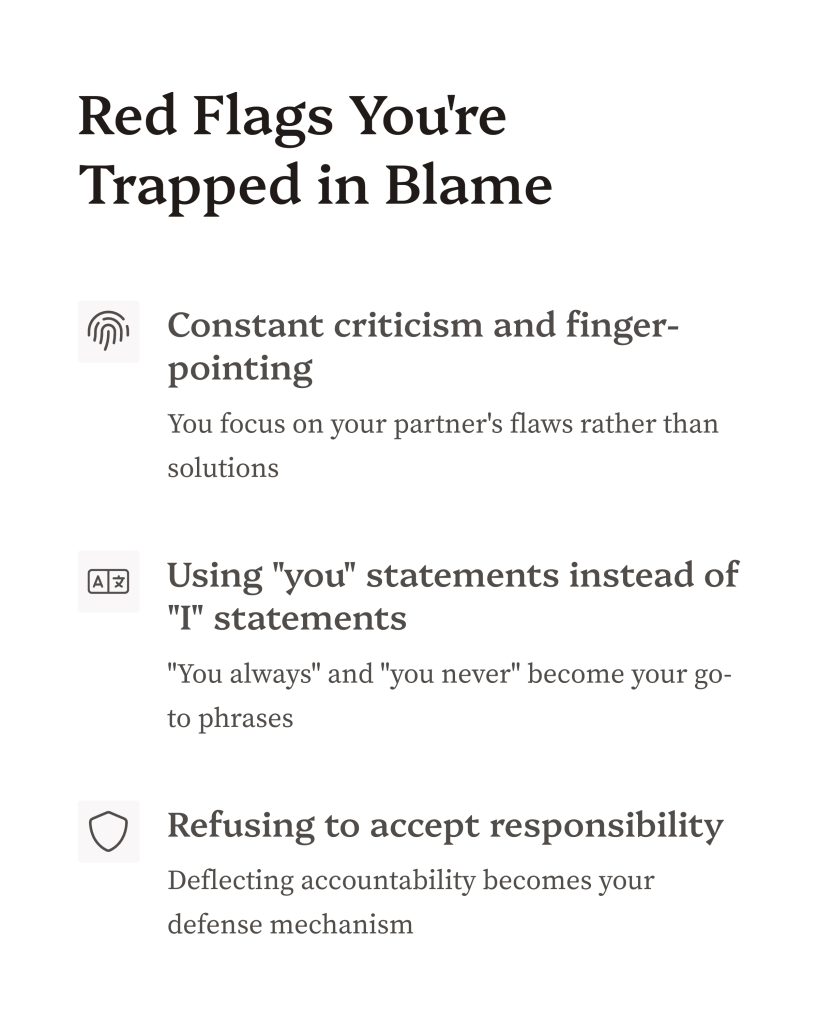
  • Use “I” statements to express your own needs
  • Create agreements about how to handle overwhelming moments

4. Embrace the Marathon Mindset

Trauma healing isn’t linear. There will be breakthroughs followed by setbacks, as well as good weeks and difficult ones. Progress might look like three steps forward, two steps back—and that’s completely normal.

5. Co-Create Safety

Transform your relationship into a haven by:

  • Establishing predictable routines when possible
  • Learning nervous system regulation techniques together (breathing exercises, grounding techniques, mindful movement)
  • Identifying and minimizing environmental triggers
  • Developing safety signals and check-in practices

6. Consider Trauma-Informed Couples Therapy

A therapist specializing in trauma can guide you through rebuilding trust, improving communication, and navigating intimacy challenges. Generally, this approach works best after the trauma survivor has established some degree of individual stability.

7. Prioritize Your Own Oxygen Mask

For supporting partners, self-care isn’t optional—it’s essential for everyone’s wellbeing:

  • Maintain friendships and hobbies outside the relationship
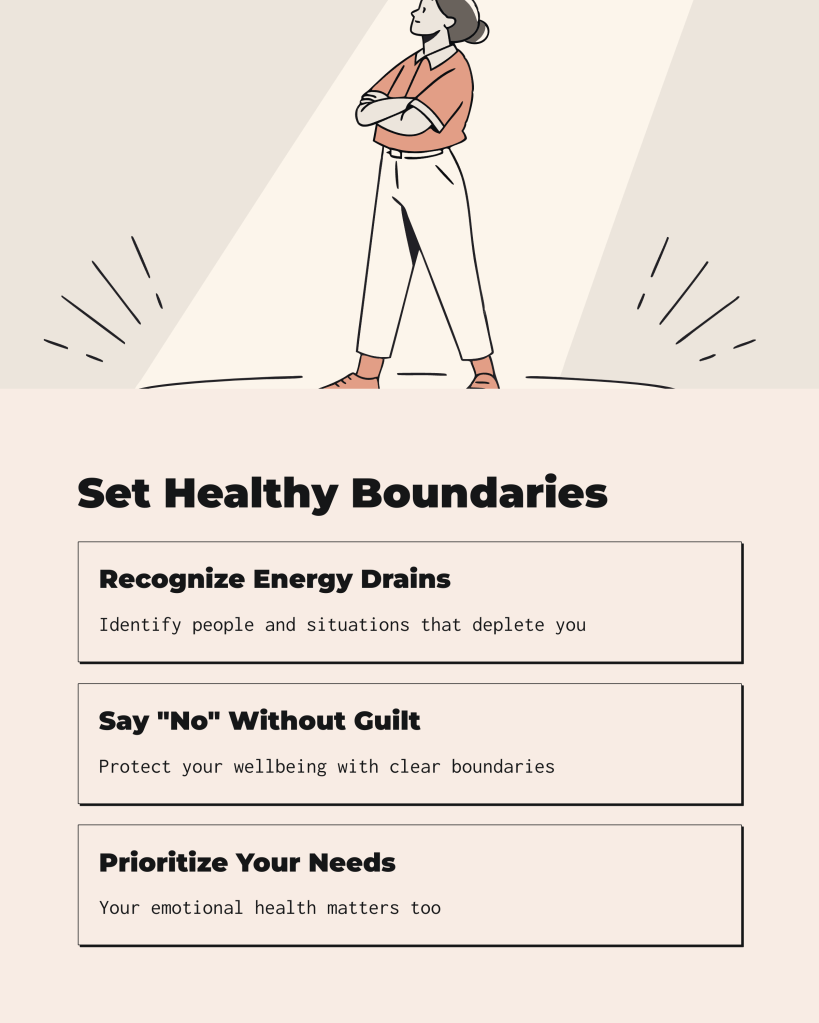
  • Set healthy boundaries around what you can and cannot do
  • Seek your own support through therapy, support groups, or trusted friends
  • Remember that you can’t heal your partner’s trauma for them

The Unexpected Gift

While navigating trauma’s impact on marriage presents real challenges, many couples discover something remarkable: trauma can become a pathway to extraordinary intimacy and resilience. When you learn to hold space for each other’s deepest vulnerabilities, when you develop skills to co-regulate during difficult moments, when you choose understanding over judgment, you create a bond that can weather almost anything.

The marriage that emerges from this crucible often becomes stronger, more authentic, and more compassionate than many couples ever experience. It’s a relationship that truly embodies “for better or worse”—not because it’s easy, but because it’s real.


If you’re navigating trauma in your relationship, remember that seeking help is a sign of strength, not weakness. Consider reaching out to a trauma-informed therapist who can provide personalized guidance for your unique situation.

Resources:

  • “The Body Keeps the Score” by Bessel van der Kolk
  • Psychology Today’s therapist directory (filter for trauma specialists)
  • National Center for PTSD resources for families
  • Local support groups for trauma survivors and their partners

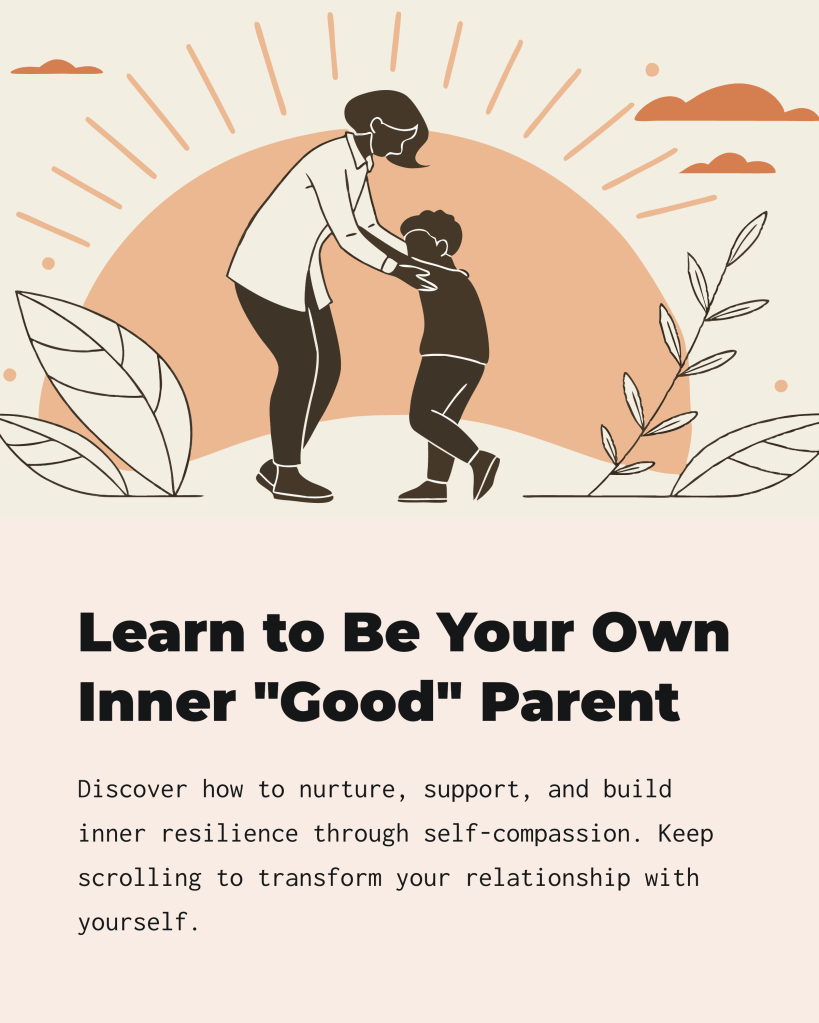
Learn to be your own “Good Parent”

Discover how to nurture, support, and build inner resilience through self-compassion. When we develop our inner “good parent,” we create a foundation of emotional stability that serves us through life’s challenges.

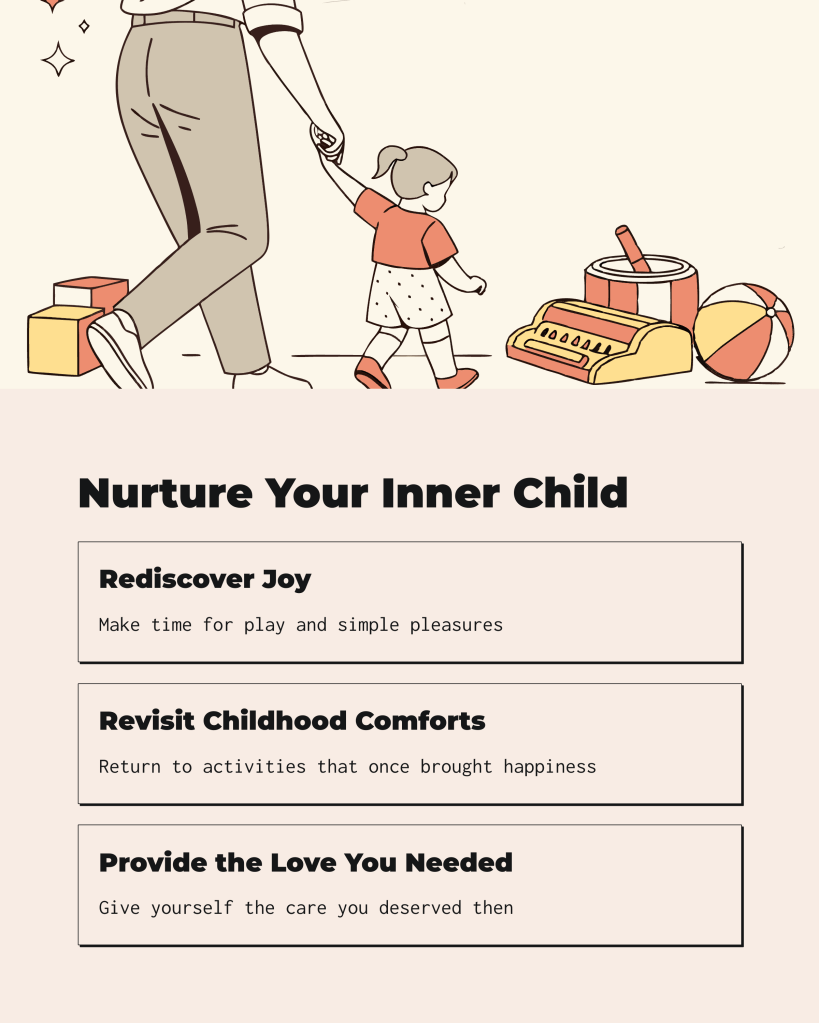
Many of us carry wounds from childhood that affect how we treat ourselves today. By learning to parent yourself with kindness and wisdom, you can heal these patterns and develop healthier self-talk, boundaries, and emotional regulation skills.

What Heals Judgment?

Judgment creates barriers and separation in our lives. It limits our connections, stifles growth, and keeps us trapped in rigid perspectives. When we judge ourselves or others, we close the door to understanding and compassion.

Discover four powerful pathways that can transform how we relate to ourselves and others:

Leaping into 2025: Embracing Change with an Open Heart and Letting Go!

As we stand at the threshold of 2025, many of us feel like skydivers perched at the airplane door – hearts racing, minds swirling with “what-ifs.” In her profound work, Melody Beattie captures this universal fear perfectly: “Sometimes we’re so scared, all we can think to do is hang on.”

Whether entering this new year carrying hopes for career advancement, relationship healing, or personal growth, the journey ahead requires us to embrace the art of letting go. The coming year represents our metaphorical airplane door. Some of us approach it willingly, armed with resolutions and dreams. Others may be pushed toward change by circumstances beyond our control – a company restructuring, health challenges, or shifting relationships.

Fear often manifests as an intense grip on the familiar. We cling to outdated habits, toxic relationships, or unfulfilling jobs because we feel safer than the unknown. But Beattie notes that holding on is often a “silly illusion.” Like a skydiver must release the aircraft to experience the exhilarating freedom of flight, we must loosen our grip on what no longer serves us.

The Art of Letting Go: A 2025 Action Plan

Recognize Your Airplane Door

    • Identify what you need to release
    • Acknowledge if changes are voluntary or forced
    • Practice Beattie’s physical exercise: literally, drop objects while noting your resistance

    Practice Ground Training
    “Training their bodies and themselves to do it right” – Beattie

      • Start with releasing minor irritations – traffic delays, minor setbacks
      • Journal about your letting-go journey
      • Build resilience through small daily acts of surrender

      Manage the Freefall

        Use Beattie’s anxiety management techniques:

        • Deep breathing exercises
        • Positive self-talk
        • Finding humor in uncertainty
        • Accept that fear is normal during change
        • Trust the process of release

        Deploy Your Safety Measures
        “Cut away major malfunctions” – Beattie

          • Identify toxic situations requiring immediate release
          • Build a support network
          • Create contingency plans for significant life changes
          • Know when to walk away from situations that aren’t working

          Navigate the Landing

            • Actively engage with change rather than passive acceptance
            • Assess when to “push against the wind” (stand firm)
            • Celebrate small victories in letting go
            • Practice grace and resilience in facing challenges

            Remember, letting go isn’t passive surrender. Like a skydiver reading wind patterns and adjusting accordingly, we must actively engage with life’s currents. “The process of letting go,” Beattie emphasizes, “requires as much skill and attention as holding on.”

            Sometimes, life presents us with malfunctioning parachutes – situations that aren’t working despite our best efforts. The new year might require us to deploy our reserve chute by walking away from draining relationships, leaving unfulfilling careers, or abandoning strategies that no longer work. While scary, these decisions often lead to softer landings than forcing a damaged situation to work.

            As we step into 2025, let’s trust that even in freefall, we possess the strength to navigate our descent and land gracefully in new possibilities. Every skydiver was once a beginner. Start small, trust the process, and let 2025 be your conscious release and renewal year.

            The countdown to the new year has begun. What will you choose to release as you leap into 2025?

            Raising Good Humans: A Guide to Mindful Parenting

            Hunter Clarke-Fields’ book “Raising Good Humans” offers a refreshing approach to parenting that focuses on mindfulness, emotional intelligence, and building strong relationships with our children. By incorporating these principles, parents can create a nurturing environment that fosters cooperation, resilience, and empathy in their children.

            The Power of Modeling

            One of the core tenets of Clarke-Fields’ approach is the importance of modeling desired behaviors. Children learn more from what we do than we say[1]. As parents, we must embody the qualities we wish to see in our children, such as kindness, calmness, and respect[1]. For example, if we want our children to manage their emotions effectively, we need to demonstrate emotional regulation ourselves.

            Breaking Harmful Cycles

            Clarke-Fields emphasizes the need to identify and break harmful generational patterns[1]. Many parents unknowingly perpetuate behaviors they experienced in their own upbringing, such as yelling or using physical punishment. By recognizing these patterns, we can consciously choose to parent differently, creating a more positive family dynamic.

            Mindfulness as a Foundation

            The book advocates using mindfulness techniques to enhance parental self-regulation and improve communication with children[1]. Practices like the RAIN meditation can help parents navigate emotional challenges with more excellent balance and presence[1].

            Building Strong Relationships

            At the heart of Clarke-Fields’ philosophy is the belief that a strong parent-child relationship is key to effective parenting[3]. Children who feel securely attached to their parents are more likely to cooperate and work together to resolve conflicts[3].

            Top Parenting Techniques from “Raising Good Humans”

            1. Practice mindful emotion management: Use techniques like RAIN meditation to navigate challenging situations with balance[1].
            2. Model desired behaviors: Demonstrate the qualities you want to see in your children, such as kindness and calmness[1].
            3. Focus on positive reinforcement: Catch your child being good and acknowledge their positive actions[2].
            4. Teach interoception: Help children recognize their body’s internal signals to develop better self-regulation[2].
            5. Establish predictable routines: Create consistency in daily activities to provide security and reduce anxiety[2].
            6. Spend focused time with your child: Strengthen your connection through dedicated, quality time together[3].
            7. Create a low-stress home environment: Simplify your surroundings to foster a calm atmosphere[3].
            8. Practice vulnerability: Show your children that it’s okay not to have all the answers and to learn from mistakes[6].
            9. Cultivate a growth mindset: Encourage a perspective that embraces challenges and sees failures as opportunities for learning[6].
            10. Prioritize emotional intelligence: Help children effectively identify, understand, and manage their emotions [5].

            By implementing these techniques and embracing the principles outlined in “Raising Good Humans,” parents can create a nurturing environment that supports their children’s emotional and social development. Remember, the goal is not perfection but a conscious, mindful approach to parenting that fosters strong relationships and raises emotionally intelligent, resilient children.

            Citations:
            [1] https://swiftread.com/books/raising-good-humans
            [2] https://www.mindbodydad.com/dad/5-principles-of-parenting
            [3] https://www.shortform.com/summary/raising-good-humans-summary-hunter-clarke-fields
            [4] https://bewellbykelly.com/blogs/blog/raising-good-humans-discover-the-5-key-principles-of-parenting-with-dr-aliza-pressman
            [5] https://www.20minutebooks.com/raising-good-humans
            [6] https://www.mamasaysnamaste.com/podcast-good-humans/
            [7] https://www.youtube.com/watch?v=eOlJMB8I_k0
            [8] https://gabbybernstein.com/podcast/spirituality-and-parenting-raising-good-humans-with-dr-aliza-pressman/

            How to Encourage Your Spouse to Work on Your Marriage

            Marriage is a partnership that requires ongoing effort from both parties. However, one spouse may sometimes be reluctant to put in the work needed to improve or maintain the relationship. Whether you’re a husband or wife facing this challenge, there are strategies you can employ to encourage your partner to invest in your marriage.

            Understanding Resistance

            Before diving into solutions, it’s essential to understand why a spouse might resist working on the marriage. Dr. John Gottman, a renowned relationship expert, notes that resistance often stems from:

            1. Fear of change
            2. Feeling overwhelmed
            3. Past failures in addressing issues
            4. Lack of hope for improvement

            Recognizing these underlying factors can help you approach the situation with empathy and patience.

            Strategies for Encouraging Participation

            1. Lead by Example

            Dr. Sue Johnson, developer of Emotionally Focused Therapy, emphasizes the power of modeling desired behavior. Start by working on yourself and demonstrating the positive changes you want to see in your relationship.

            Example: Sarah noticed her husband Tom was distant and uninterested in date nights. Instead of pushing him, she focused on her personal growth and started planning enjoyable activities. Tom became curious about her positive attitude and began showing interest in joining her.

            2. Improve Communication

            Clear, non-confrontational communication is critical. Dr. Gary Chapman, author of “The 5 Love Languages,” suggests:

            • Using “I” statements to express your feelings
            • Avoiding blame and criticism
            • Actively listening to your partner’s concerns

            Example: Instead of saying, “You never want to talk about our problems,” try, “I feel disconnected when we don’t discuss our relationship. Can we set aside some time to talk?”

            3. Create a Safe Environment

            Dr. Harriet Lerner, author of “The Dance of Connection,” stresses the importance of creating a safe space for vulnerability. This means:

            • Avoiding judgment
            • Showing appreciation for small efforts
            • Being patient with the process

            Example: When Mike finally opened up about his insecurities in the marriage, his wife Lisa thanked him for his honesty and reassured him of her commitment to working things out together.

            4. Seek Professional Help

            Sometimes, an outside perspective can make a significant difference. Dr. John Gottman recommends couples therapy as a way to:

            • Gain new insights into your relationship
            • Learn effective communication tools
            • Address deep-seated issues

            Example: After months of tension, Maria suggested couples counseling to her reluctant husband, Carlos. She framed it as a way to improve their communication skills rather than “fixing” their marriage, which helped Carlos feel more open to the idea.

            5. Focus on Positive Reinforcement

            Dr. Shelly Gable’s research on active-constructive responding shows the power of positive reinforcement. Celebrate small wins and improvements in your relationship.

            Example: When David started helping more around the house, his wife Emma expressed her appreciation and enthusiastically encouraged him to continue his efforts.

            Dealing with Continued Resistance

            If your spouse remains resistant despite your efforts, it’s essential to:

            1. Set boundaries for yourself
            2. Continue self-improvement
            3. Seek support from friends, family, or a therapist
            4. Consider your long-term options and personal well-being

            Remember, you can’t force someone to change, but you can create an environment that encourages growth and connection.

            Encouraging a reluctant spouse to work on your marriage requires patience, understanding, and consistent effort. By focusing on your growth, improving communication, and creating a safe environment for vulnerability, you increase the chances of your partner joining you to strengthen your relationship. Remember that every marriage is unique; what works for one couple may not work for another. Be willing to adapt your approach and seek professional help when needed.