Stressing on the Small Things: Real World Tips and Tools

Discover how minor stressors affect our daily lives and contribute to creating significant challenges for our mental and physical well-being. From forgotten tasks to interpersonal tensions, these seemingly minor irritations can gradually erode our resilience and peace of mind.

This presentation explores the science behind everyday stressors and offers empowering strategies for healthier, happier living through practical techniques that anyone can implement. You’ll learn how minor adjustments to your daily routines can create profound positive changes in how you experience and respond to life’s inevitable challenges.

Join us as we discover simple yet powerful ways to transform your relationship with stress and establish sustainable mental wellness practices that work in real-life situations.

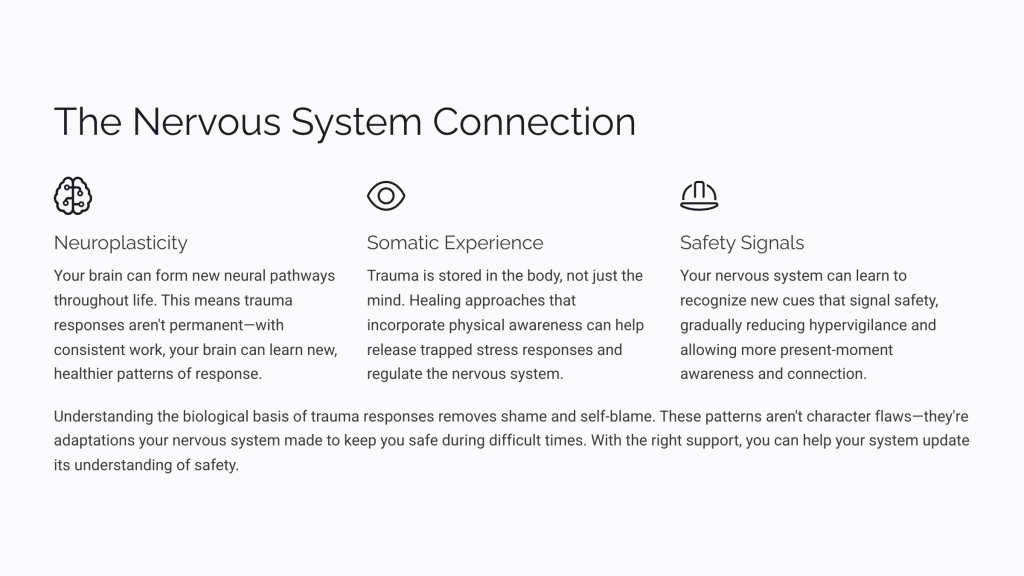
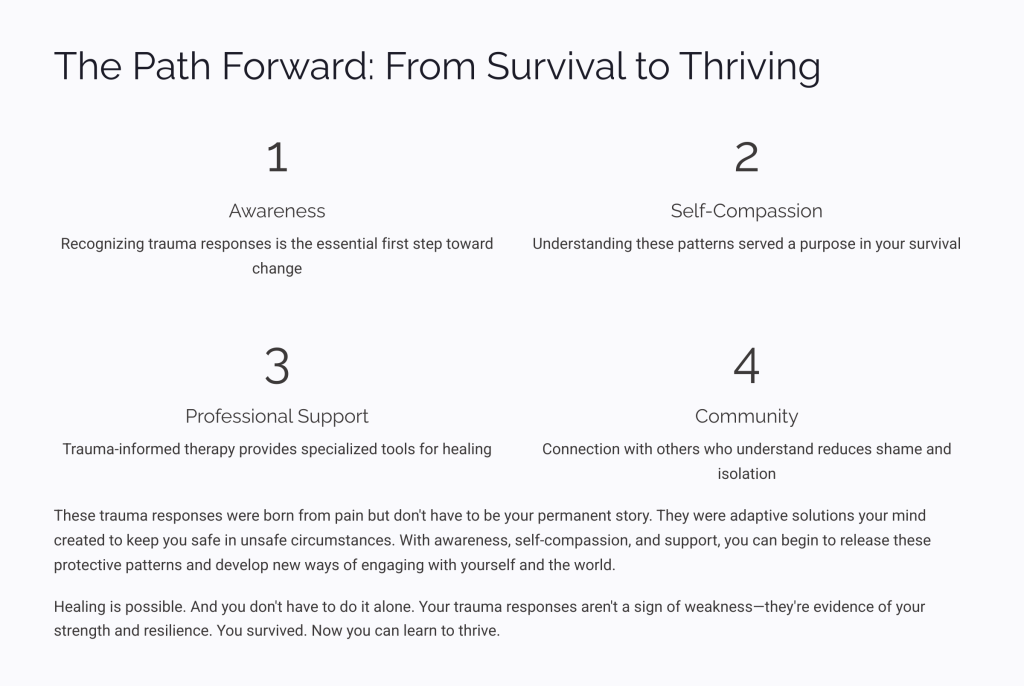
10 Surprising Trauma Responses You Didn’t Know Were Controlling Your Life

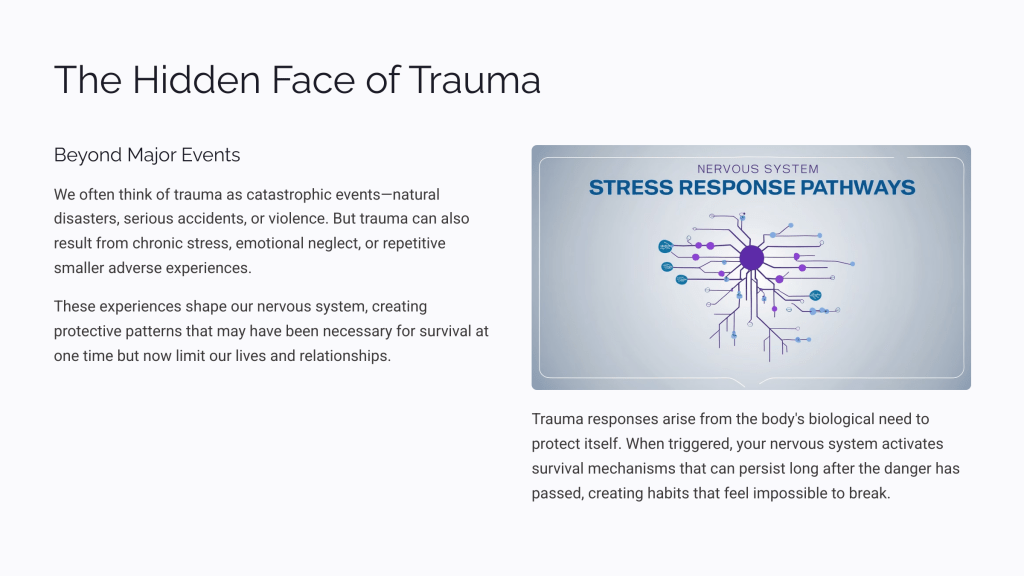
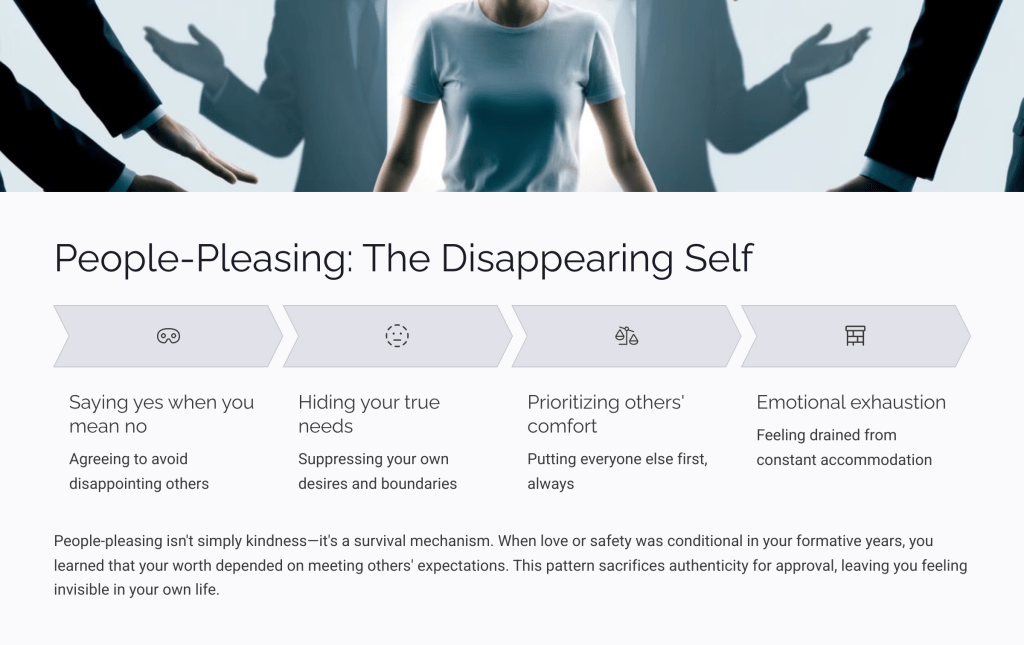
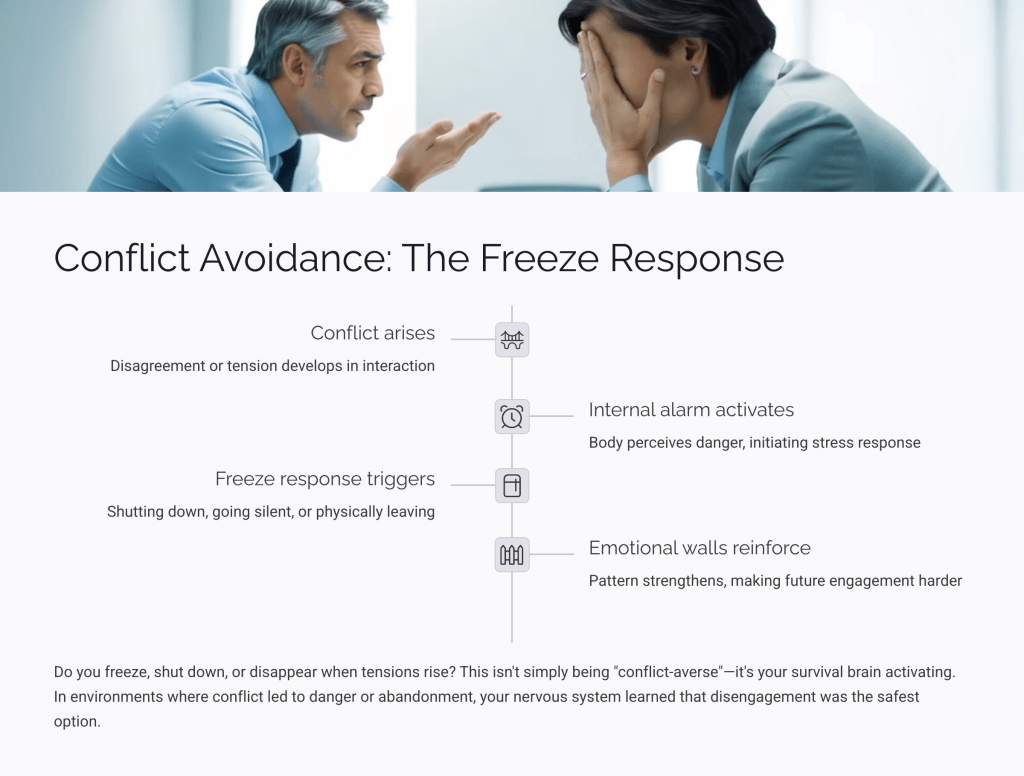
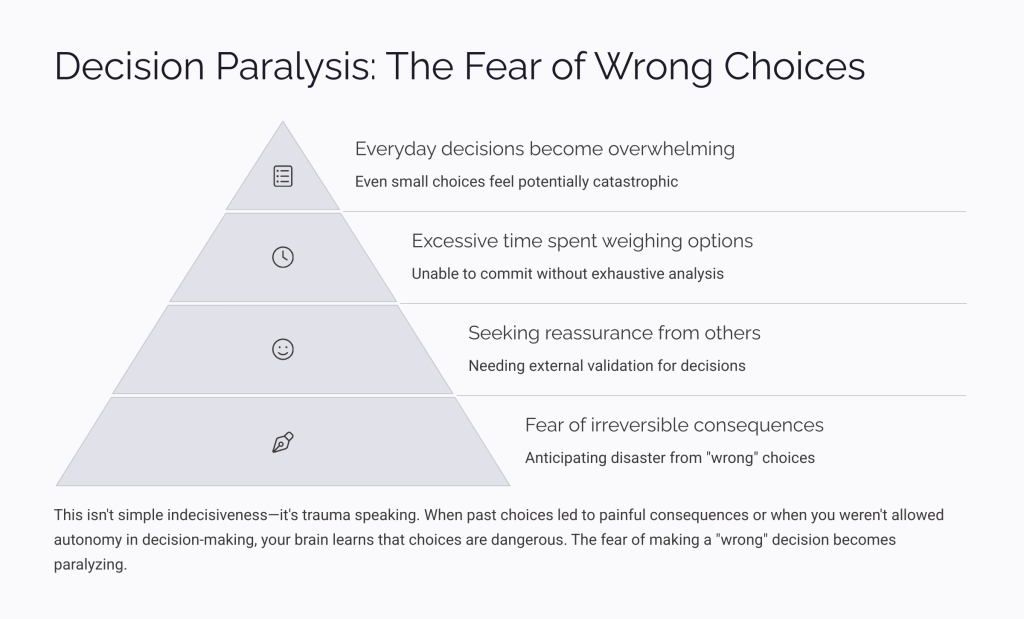
What if that trait you’ve always considered just part of your personality—being “too sensitive” or “fiercely independent”—isn’t really who you are? What if it’s actually trauma silently controlling your responses?

Trauma doesn’t always announce itself through dramatic flashbacks or panic attacks. It often hides in our everyday behaviors, reflexive reactions, and even our quirks. These unconscious responses might be your mind’s way of trying to keep you safe from threats that no longer exist.

Join us as we explore ten common trauma responses that might be quietly shaping your life and discover how recognizing them is the first step toward healing and reclaiming your authentic self.

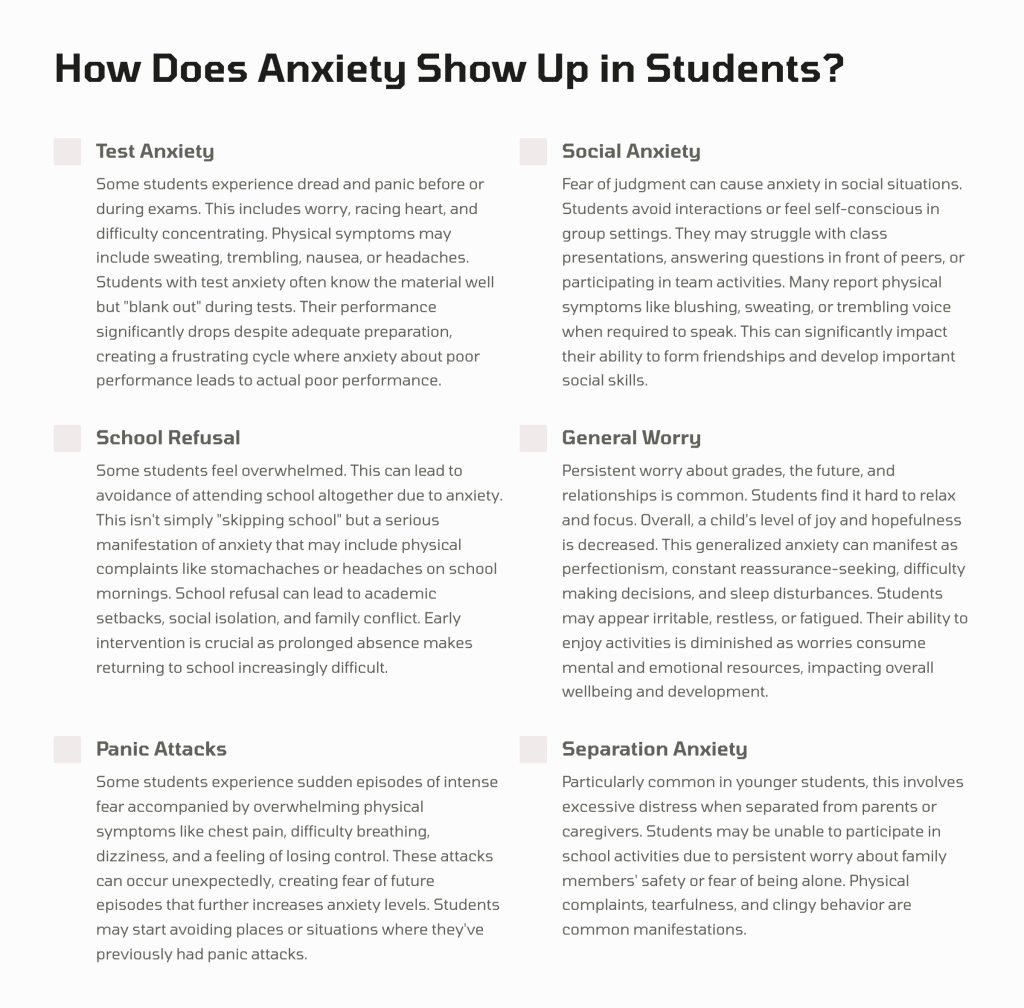
Calm Minds, Bright Futures: Supporting Students Through Anxiety

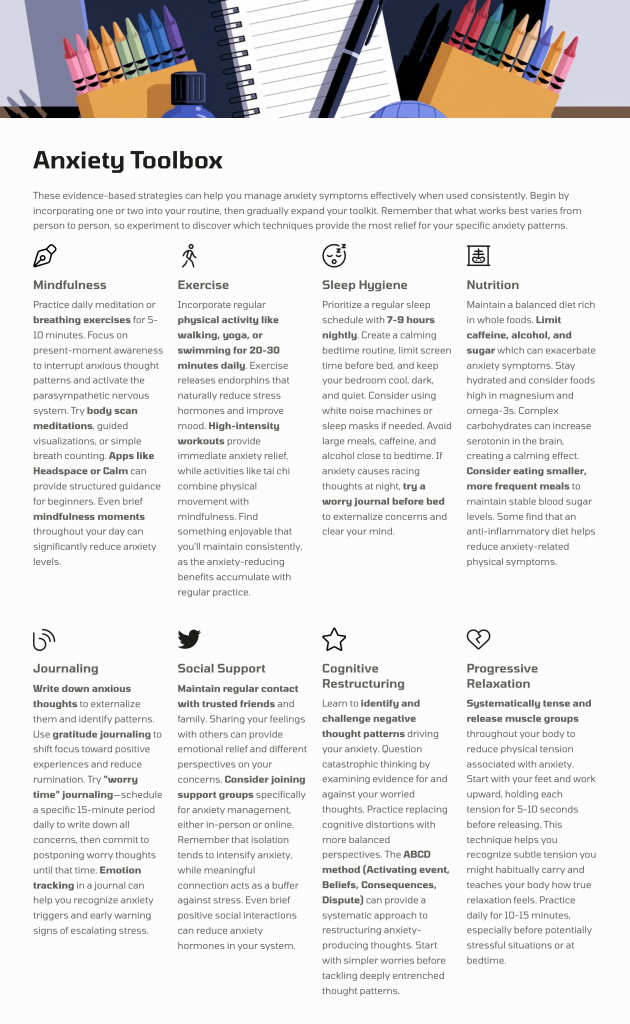
Welcome to this comprehensive guide to understanding and managing students’ anxiety. It is a practical anxiety toolbox strategy for thriving academically and personally.

This guide offers evidence-based approaches to help students recognize anxiety symptoms, understand their triggers, and develop effective coping mechanisms. We’ll explore both immediate relief techniques and long-term strategies.

Whether dealing with test anxiety, social stress, or general worries about the future, this guide provides actionable steps to build resilience and maintain mental well-being throughout your academic journey.

Leaping into 2025: Embracing Change with an Open Heart and Letting Go!

As we stand at the threshold of 2025, many of us feel like skydivers perched at the airplane door – hearts racing, minds swirling with “what-ifs.” In her profound work, Melody Beattie captures this universal fear perfectly: “Sometimes we’re so scared, all we can think to do is hang on.”

Whether entering this new year carrying hopes for career advancement, relationship healing, or personal growth, the journey ahead requires us to embrace the art of letting go. The coming year represents our metaphorical airplane door. Some of us approach it willingly, armed with resolutions and dreams. Others may be pushed toward change by circumstances beyond our control – a company restructuring, health challenges, or shifting relationships.

Fear often manifests as an intense grip on the familiar. We cling to outdated habits, toxic relationships, or unfulfilling jobs because we feel safer than the unknown. But Beattie notes that holding on is often a “silly illusion.” Like a skydiver must release the aircraft to experience the exhilarating freedom of flight, we must loosen our grip on what no longer serves us.

The Art of Letting Go: A 2025 Action Plan

Recognize Your Airplane Door

    • Identify what you need to release
    • Acknowledge if changes are voluntary or forced
    • Practice Beattie’s physical exercise: literally, drop objects while noting your resistance

    Practice Ground Training
    “Training their bodies and themselves to do it right” – Beattie

      • Start with releasing minor irritations – traffic delays, minor setbacks
      • Journal about your letting-go journey
      • Build resilience through small daily acts of surrender

      Manage the Freefall

        Use Beattie’s anxiety management techniques:

        • Deep breathing exercises
        • Positive self-talk
        • Finding humor in uncertainty
        • Accept that fear is normal during change
        • Trust the process of release

        Deploy Your Safety Measures
        “Cut away major malfunctions” – Beattie

          • Identify toxic situations requiring immediate release
          • Build a support network
          • Create contingency plans for significant life changes
          • Know when to walk away from situations that aren’t working

          Navigate the Landing

            • Actively engage with change rather than passive acceptance
            • Assess when to “push against the wind” (stand firm)
            • Celebrate small victories in letting go
            • Practice grace and resilience in facing challenges

            Remember, letting go isn’t passive surrender. Like a skydiver reading wind patterns and adjusting accordingly, we must actively engage with life’s currents. “The process of letting go,” Beattie emphasizes, “requires as much skill and attention as holding on.”

            Sometimes, life presents us with malfunctioning parachutes – situations that aren’t working despite our best efforts. The new year might require us to deploy our reserve chute by walking away from draining relationships, leaving unfulfilling careers, or abandoning strategies that no longer work. While scary, these decisions often lead to softer landings than forcing a damaged situation to work.

            As we step into 2025, let’s trust that even in freefall, we possess the strength to navigate our descent and land gracefully in new possibilities. Every skydiver was once a beginner. Start small, trust the process, and let 2025 be your conscious release and renewal year.

            The countdown to the new year has begun. What will you choose to release as you leap into 2025?

            The Current State of Anxiety in Children and Adolescents

            Anxiety among children and adolescents has become a growing concern in recent years, with significant increases observed in the prevalence and severity of anxiety disorders. This trend has been exacerbated by various factors, including the COVID-19 pandemic and the pervasive influence of social media. Let’s explore the current landscape of youth anxiety and its implications.

            Rising Prevalence

            Recent data paints a concerning picture of anxiety among young people:

            • By 2020, 5.6 million children (9.2%) had been diagnosed with anxiety problems, a 27% increase from 2016[1].
            • In 2020, 12% of U.S. children ages 3 to 17 were reported as having ever experienced anxiety or depression, up from 9% in 2016[2].
            • The 2020 National Survey of Children’s Health estimated that 7.8% of children aged 3 to 17 years had a current anxiety disorder, with 0.7% experiencing severe anxiety[4].

            These statistics highlight a significant upward trend in anxiety diagnoses among youth, indicating a growing mental health challenge.

            Factors Contributing to Increased Anxiety

            Several key factors have contributed to the rise in anxiety among children and adolescents:

            The COVID-19 Pandemic

            The pandemic has had a profound impact on youth mental health:

            • There was a two-fold increase in clinically significant depression and anxiety among adolescents after the COVID-19 outbreak[5].
            • Lockdowns, school closures, and uncertainty about the virus left many children feeling anxious and isolated[5].
            • The disruption of everyday routines and the shift to remote learning created additional stressors for young people.

            Social Media and Technology

            The pervasive presence of social media has introduced new challenges:

            • Constant connectivity and exposure to curated online personas can lead to feelings of inadequacy and social comparison.
            • Cyberbullying and online harassment have become significant sources of anxiety for many young people.
            • Excessive screen time can disrupt sleep patterns and contribute to overall stress levels.

            Impact on Well-being and Development

            Anxiety in children and adolescents can have far-reaching consequences:

            • It often interferes with social, emotional, and academic development[3].
            • Childhood anxiety may increase the risk of secondary depression and substance abuse later in life[4].
            • Anxious youth are at higher risk for educational underachievement and functional impairment[4].

            Screening and Diagnosis

            Early identification of anxiety disorders is crucial for effective intervention:

            • Various screening instruments are available, with sensitivity ranging from 0.34 to 1.00 and specificity from 0.47 to 0.99 across different tools[4].
            • Healthcare providers use a combination of interviews, surveys, and observations to diagnose anxiety disorders in children[3].

            Treatment Approaches

            Evidence-based treatments have shown promise in addressing youth anxiety:

            Cognitive Behavioral Therapy (CBT)

            • CBT has demonstrated effectiveness in reducing anxiety symptoms and improving overall functioning[4].
            • It helps children develop coping strategies and reframe anxious thoughts.

            Pharmacotherapy

            • Medication, when appropriate, can be effective in managing anxiety symptoms[4].
            • Selective Serotonin Reuptake Inhibitors (SSRIs) are commonly prescribed for anxiety disorders in youth.

            Moving Forward

            Addressing the current state of anxiety in children and adolescents requires a multi-faceted approach:

            1. Increased awareness and destigmatization of mental health issues among youth.
            2. Improved access to mental health resources in schools and communities.
            3. Education for parents and caregivers on recognizing and supporting children with anxiety.
            4. Promotion of healthy lifestyle habits, including balanced screen time and physical activity.
            5. Continued research into effective prevention and treatment strategies for youth anxiety.

            By recognizing the scope of the problem and implementing comprehensive support systems, we can work towards improving the mental health landscape for children and adolescents, ensuring they have the tools and resources needed to navigate an increasingly complex world.

            Citations:
            [1] https://ccf.georgetown.edu/2022/03/24/research-update-childrens-anxiety-and-depression-on-the-rise/
            [2] https://www.prb.org/resources/anxiety-and-depression-increase-among-u-s-youth-2022-kids-counts-data-book-shows/
            [3] https://my.clevelandclinic.org/health/diseases/anxiety-in-children
            [4] https://jamanetwork.com/journals/jama/fullarticle/2797220
            [5] https://weillcornell.org/news/what-to-know-about-youth-anxiety
            [6] https://www.cdc.gov/childrensmentalhealth/data.html
            [7] https://www.mcleanhospital.org/essential/anxiety-kids-teens
            [8] https://www.ncbi.nlm.nih.gov/books/NBK476265/

            How to Encourage Your Spouse to Work on Your Marriage

            Marriage is a partnership that requires ongoing effort from both parties. However, one spouse may sometimes be reluctant to put in the work needed to improve or maintain the relationship. Whether you’re a husband or wife facing this challenge, there are strategies you can employ to encourage your partner to invest in your marriage.

            Understanding Resistance

            Before diving into solutions, it’s essential to understand why a spouse might resist working on the marriage. Dr. John Gottman, a renowned relationship expert, notes that resistance often stems from:

            1. Fear of change
            2. Feeling overwhelmed
            3. Past failures in addressing issues
            4. Lack of hope for improvement

            Recognizing these underlying factors can help you approach the situation with empathy and patience.

            Strategies for Encouraging Participation

            1. Lead by Example

            Dr. Sue Johnson, developer of Emotionally Focused Therapy, emphasizes the power of modeling desired behavior. Start by working on yourself and demonstrating the positive changes you want to see in your relationship.

            Example: Sarah noticed her husband Tom was distant and uninterested in date nights. Instead of pushing him, she focused on her personal growth and started planning enjoyable activities. Tom became curious about her positive attitude and began showing interest in joining her.

            2. Improve Communication

            Clear, non-confrontational communication is critical. Dr. Gary Chapman, author of “The 5 Love Languages,” suggests:

            • Using “I” statements to express your feelings
            • Avoiding blame and criticism
            • Actively listening to your partner’s concerns

            Example: Instead of saying, “You never want to talk about our problems,” try, “I feel disconnected when we don’t discuss our relationship. Can we set aside some time to talk?”

            3. Create a Safe Environment

            Dr. Harriet Lerner, author of “The Dance of Connection,” stresses the importance of creating a safe space for vulnerability. This means:

            • Avoiding judgment
            • Showing appreciation for small efforts
            • Being patient with the process

            Example: When Mike finally opened up about his insecurities in the marriage, his wife Lisa thanked him for his honesty and reassured him of her commitment to working things out together.

            4. Seek Professional Help

            Sometimes, an outside perspective can make a significant difference. Dr. John Gottman recommends couples therapy as a way to:

            • Gain new insights into your relationship
            • Learn effective communication tools
            • Address deep-seated issues

            Example: After months of tension, Maria suggested couples counseling to her reluctant husband, Carlos. She framed it as a way to improve their communication skills rather than “fixing” their marriage, which helped Carlos feel more open to the idea.

            5. Focus on Positive Reinforcement

            Dr. Shelly Gable’s research on active-constructive responding shows the power of positive reinforcement. Celebrate small wins and improvements in your relationship.

            Example: When David started helping more around the house, his wife Emma expressed her appreciation and enthusiastically encouraged him to continue his efforts.

            Dealing with Continued Resistance

            If your spouse remains resistant despite your efforts, it’s essential to:

            1. Set boundaries for yourself
            2. Continue self-improvement
            3. Seek support from friends, family, or a therapist
            4. Consider your long-term options and personal well-being

            Remember, you can’t force someone to change, but you can create an environment that encourages growth and connection.

            Encouraging a reluctant spouse to work on your marriage requires patience, understanding, and consistent effort. By focusing on your growth, improving communication, and creating a safe environment for vulnerability, you increase the chances of your partner joining you to strengthen your relationship. Remember that every marriage is unique; what works for one couple may not work for another. Be willing to adapt your approach and seek professional help when needed.

            “Doing The Best I Can”: A Healthy Reframe for Overwhelm and Negativity

            When life feels complicated, and challenges seem insurmountable, it’s easy to fall into negative thinking and self-criticism patterns. However, adopting the “Doing The Best I Can” mindset can be a powerful reframe to combat these feelings and foster self-compassion. Here’s how this simple phrase can transform your perspective:

            Acknowledging Your Efforts

            “Doing The Best I Can” recognizes that you’re putting forth effort, even when outcomes aren’t perfect. This acknowledgment is crucial because:

            1. It shifts focus from results to process
            2. It validates your struggles and challenges
            3. It reminds you that perfection isn’t the goal

            Embracing Imperfection

            This reframe helps you accept that perfection is unattainable. Instead of berating yourself for falling short of impossible standards, you can:

            • Recognize that everyone has limitations
            • Appreciate progress, no matter how small
            • View mistakes as opportunities for growth

            Cultivating Self-Compassion

            By telling yourself you’re doing your best, you’re practicing self-compassion. This approach:

            • Reduces self-criticism and negative self-talk
            • Increases resilience in the face of setbacks
            • Improves overall mental well-being

            Recognizing Context

            “Doing The Best I Can” takes into account your current circumstances. It acknowledges that:

            • Your best may vary from day to day
            • External factors can impact your capabilities
            • You’re working with the resources available to you

            Promoting Growth Mindset

            This reframe encourages a growth mindset by:

            • Focusing on effort rather than innate ability
            • Viewing challenges as opportunities to learn and improve
            • Encouraging persistence in the face of difficulties

            Practical Application

            To incorporate this reframe into your daily life:

            1. Notice negative self-talk and consciously replace it with “I’m doing the best I can.”
            2. Reflect on your efforts at the end of each day, acknowledging your hard work.
            3. Practice self-compassion exercises when feeling overwhelmed
            4. Share this perspective with others to create a supportive environment

            Remember, “Doing The Best I Can” doesn’t mean settling for less or making excuses. Instead, it’s about recognizing your efforts, accepting your limitations, and maintaining a compassionate attitude toward yourself as you navigate life’s complexities.

            By adopting this reframe, you can reduce feelings of overwhelm, combat negative thinking, and approach challenges with a more balanced and kind perspective. It’s a simple yet powerful tool for fostering resilience and maintaining emotional well-being in life’s inevitable ups and downs.

            Reflecting on Your Beliefs for Personal Growth

            In our journey towards personal growth and self-improvement, understanding our beliefs plays a crucial role. Our beliefs shape how we perceive the world, ourselves, and our potential. By identifying and reflecting on our beliefs, we can uncover deep-seated patterns that may be holding us back and cultivate a mindset that propels us forward. Here are some key questions and practical ways to reflect on your beliefs for personal growth:

            Questions to Identify Core Beliefs:

            1. What beliefs do I hold about myself?
            2. How do I view my abilities and skills?
            3. What beliefs do I have about relationships?
            4. How do I perceive failure and setbacks?
            5. What are my beliefs about the world around me?
            6. How do I see my own worthiness and value?
            7. What beliefs do I hold about success and achievement?
            8. How do I interpret feedback and criticism?
            9. What are my beliefs about happiness and fulfillment?

            Reflective Practices for Personal Growth:

            1. Journaling: Write down your beliefs, explore their origins, and reflect on their impact on your thoughts and actions.
            2. Mindfulness: Practice being present and observing your beliefs without judgment in different situations.
            3. Seeking Feedback: Engage in conversations with others to gain new perspectives on your beliefs.
            4. Challenge Your Beliefs: Question the validity of your beliefs and examine how they may be limiting you.
            5. Visualization: Envision a life without the constraints of limiting beliefs and explore the possibilities.
            6. Read and Learn: Educate yourself on personal development topics to gain insights into belief systems.
            7. Affirmations: Use positive affirmations to replace negative beliefs with empowering ones.
            8. Therapy or Coaching: Consider seeking professional guidance to delve deeper into your beliefs and work on transforming them.

            By actively engaging in these reflective practices, you can unravel the layers of your beliefs, identify areas for growth, and pave the way for personal transformation. Embracing a mindset of curiosity, openness, and self-awareness can lead to profound shifts in your beliefs and ultimately empower you to live a more fulfilling and authentic life. Remember, personal growth is a continuous journey of self-discovery and evolution, and reflecting on your beliefs is a powerful step toward realizing your full potential.

            Emotions must be Mentioned to be Managed

            The phrase “emotions must be mentioned to be managed” encapsulates a profound truth that underlines the importance of acknowledging and articulating our feelings for effective emotional well-being. In the intricate landscape of human emotions, expression serves as a compass, guiding us through the ebbs and flows of our inner experiences.

            When we verbalize our emotions, whether joy, sorrow, fear, or excitement, we engage in a form of self-awareness that is fundamental to emotional management. It is a recognition that our feelings are valid and deserving of acknowledgment. This articulation becomes a bridge connecting our internal world with the external, fostering understanding and empathy from others. Moreover, putting emotions into words is an act of personal empowerment, allowing us to gain a clearer perspective on our feelings and paving the way for constructive coping mechanisms.

            Failure to mention or communicate our emotions can lead to a build-up of unexpressed sentiments, creating a reservoir of unaddressed issues. This emotional backlog may eventually manifest as stress, anxiety, or even physical ailments. The phrase emphasizes the proactive stance needed to navigate the complexities of emotions – a reminder that vulnerability and openness are not signs of weakness but rather prerequisites for emotional resilience.

            In personal relationships, the significance of this phrase becomes even more evident. Effective communication of emotions lays the groundwork for understanding and connection between individuals. It enables the creation of a supportive environment where emotions are not only recognized but also shared. This fosters healthier relationships built on empathy and mutual understanding.

            In conclusion, the phrase “emotions must be mentioned to be managed” encapsulates a universal truth about the human experience. It calls for a proactive and expressive approach to emotions, recognizing their importance in our mental and relational well-being. By embracing this principle, we empower ourselves to navigate the complexities of our emotional landscapes with resilience, fostering both personal growth and meaningful connections with others.

              Confronting Our Mortality


              Reflecting on our own mortality is a profound and deeply personal experience that often prompts us to confront our fears and anxieties about death. This introspective journey can be triggered by significant life events or milestone ages, leading us to contemplate the transient nature of life and the inevitability of our own mortality. In this article, we will delve into the complexities of reflecting on mortality and navigating the fear of death, offering insights and strategies for managing these existential concerns.

              The Weight of Mortality:

              Reflecting on our mortality can be a confronting experience, causing us to reevaluate our priorities and the way we live our lives. It can serve as a poignant reminder of the fleeting nature of time and the importance of cherishing each moment. However, this contemplation can also stir up existential anxiety and evoke a deep sense of unease about the unknown.

              Confronting the Fear of Death:

              The fear of death is a universal human experience, rooted in our instinct for self-preservation and the unknown that lies beyond life. This fear can manifest in various ways, from subtle unease to overwhelming existential dread. It may be triggered by personal experiences, cultural influences, or simply the contemplation of life’s impermanence.

              Coping Strategies:

              Seeking Support: Encourage individuals to reach out to mental health professionals, counselors, or trusted individuals to discuss their fears and anxieties surrounding death. Seeking support can provide a safe space for expression and offer valuable tools for managing overwhelming emotions.

              Mindfulness and Meditation: Engaging in mindfulness practices and meditation can help individuals cultivate a sense of peace and acceptance, allowing them to confront their fears with a clearer mindset.

              Exploring Existentialism: Encouraging individuals to explore philosophical and existential concepts can provide valuable insights into the nature of life, death, and the human experience. Engaging with existential literature and thought may help individuals find meaning and purpose amid their reflections on mortality.

              Embracing Life Amidst Mortality:

              While reflecting on mortality and confronting the fear of death can be a daunting journey, it also presents an opportunity for profound introspection and personal growth. By acknowledging our mortality, we can cultivate a deeper appreciation for life, cherish our relationships, and seek fulfillment in meaningful experiences.

              Reflecting on our mortality and grappling with the fear of death are deeply human experiences that warrant compassion and understanding. By engaging in open conversations, seeking support, and exploring coping strategies, individuals can navigate these existential concerns with resilience and introspection. Embracing life’s transient nature while acknowledging our fears can lead to a profound sense of acceptance and a renewed appreciation for the beauty of existence.

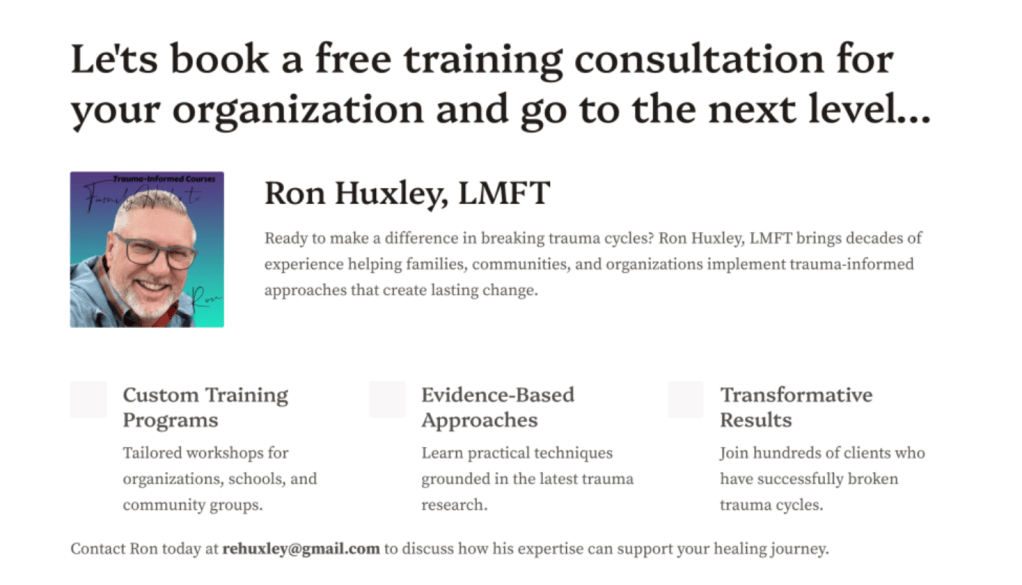
              CONTACT RON:

              • Reach out to schedule an individual session for personalized support.
              • Explore comprehensive courses on mental health at FamilyHealer.tv.
              • Inquire about scheduling a seminar for your organization to promote mental well-being. Send an email to Rehuxley@gmail.com