Why Trauma-Informed Care Matters—and How to Stay Equipped as a Trauma Champion

Trauma affects more people than we realize. Whether in schools, healthcare, workplaces, or communities, the need for trauma-informed care has never been greater. Professionals on the frontlines—therapists, teachers, social workers, leaders, and advocates—are increasingly recognizing that understanding trauma is not optional; it’s essential.

But here’s the challenge: staying current with trauma-informed best practices can feel overwhelming. New research, new strategies, and new demands necessitate ongoing resources to remain effective and avoid burnout. That’s precisely why I created the Trauma Champions Newsletter.


What Is Trauma-Informed Care?

At its core, trauma-informed care is an approach that:

  • Recognizes the widespread impact of trauma
  • Identifies the signs and symptoms in individuals, families, and organizations
  • Responds with policies, practices, and programs that foster safety and healing
  • Prevents re-traumatization, ensuring care is supportive and empowering

This approach matters because trauma doesn’t just affect individuals—it ripples across families, schools, workplaces, and entire communities. When professionals are equipped with trauma-informed strategies, they don’t just treat symptoms; they create conditions for long-term resilience and growth.


Introducing the Trauma Champions Newsletter

The Trauma Champions Newsletter is my way of making trauma-informed care practical, accessible, and sustainable for busy professionals.

Each issue includes:

  • Practical strategies you can apply immediately in clinical, educational, and community settings
  • Insights on the latest trauma-informed care research and methods
  • Tools for preventing burnout and compassion fatigue
  • Resources to help leaders and organizations build trauma-sensitive cultures

Thousands of professionals worldwide have already participated in my training and certification programs. This newsletter brings that same expertise straight to your inbox.

👉 Subscribe free today at TraumaChampions.com


Why Join?

By subscribing, you’ll not only stay up to date—you’ll join a growing movement of Trauma Champions committed to transforming care. Together, we’re working to:

  • Make trauma-informed care the standard across schools, agencies, and organizations
  • Provide families with hope and healing tools
  • Build stronger, more resilient communities

If you’re passionate about trauma-informed practice, this is your space to grow, connect, and lead.


Take the Next Step

Don’t miss out on tools, training, and encouragement designed to help you thrive in this critical work.

👉 Sign up now at TraumaChampions.com and start receiving trauma-informed insights directly in your inbox.

Together, we can turn trauma into resilience—and create real change.

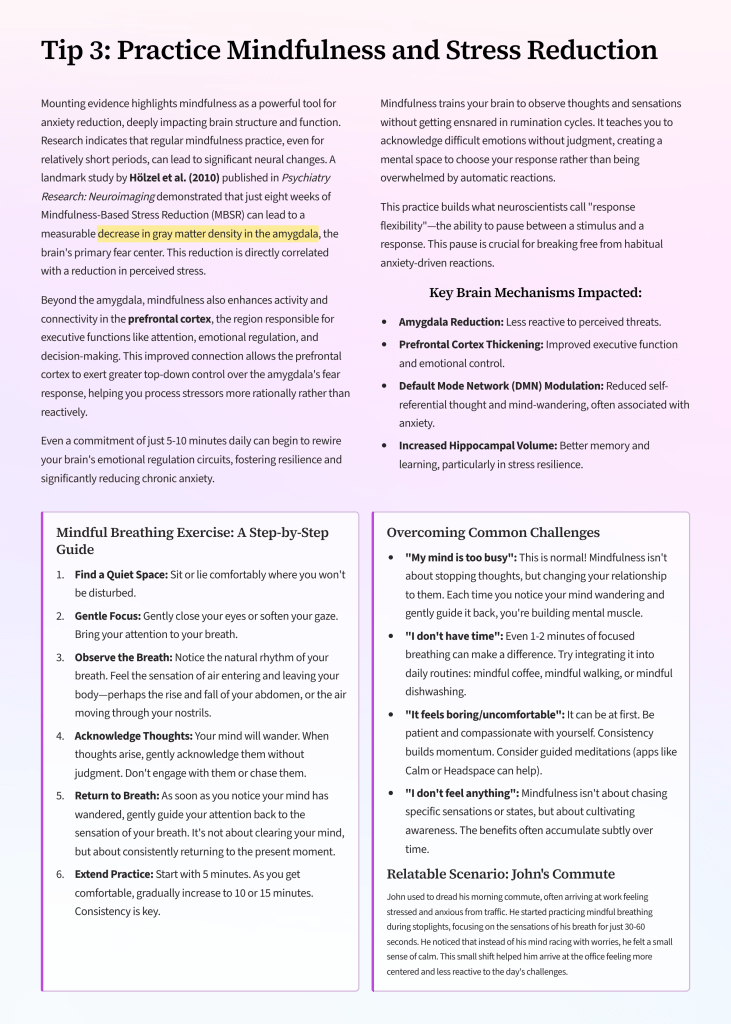
Why Your Brain Craves Structure: The Answer to Rumination, Anxiety, and Stress

Why Your Brain Craves Structure: Simple Tips to Navigate Rumination, Anxiety, and Stress

In our increasingly complex world, the human brain constantly seeks order to make sense of information and predict outcomes. Discover how intentionally creating simple yet powerful structures in your daily life can profoundly transform your mental well-being, reduce the burden of persistent worry, and empower your brain to function at its optimal capacity.

This presentation will delve into the neurological basis for our brain’s affinity for routine and predictability, and provide you with actionable strategies to harness this innate preference for improved mental health. You will learn:

  • The scientific connection between structured living and reduced cognitive load.
  • Practical, easy-to-implement strategies to introduce helpful routines.
  • How to identify and counter patterns of rumination and anxiety.
  • Real-world benefits of a well-organized mind for overall life quality.

Prepare to unlock your brain’s full potential and cultivate a calmer, more resilient mindset.

Beyond “I Do”: Building a Trauma-Informed Marriage When One Partner Has a Trauma History

Understanding how past wounds can become pathways to deeper connection


Marriage vows promise “for better or worse,” but few couples anticipate how past trauma can profoundly shape their relationship. When one partner carries invisible wounds from their history, it affects everything from daily conversations to intimate moments. Yet with understanding and intentional care, these challenges can become opportunities for unprecedented closeness and resilience.

When the Past Lives in the Present

Sarah freezes when her husband Mark raises his voice—even during playful moments. What Mark doesn’t initially understand is that his tone triggers memories of an unpredictable childhood, making Sarah’s nervous system react as if danger is imminent.

Similarly, Emily physically healed from a serious car accident, but her body remembers the trauma. Highway driving now feels impossible, creating tension whenever she and her husband, David, plan trips together.

These scenarios illustrate what trauma expert Dr. Bessel van der Kolk describes in The Body Keeps the Score: trauma literally reshapes how our brains and bodies perceive safety and connection. For partners, understanding this isn’t just helpful—it’s transformative.

The Ripple Effects: How Trauma Touches Every Corner of Marriage

Emotional Landscapes

Living with trauma often means experiencing intense emotional swings—from overwhelming anxiety to profound numbness. Your partner might seem to “shut down” or react strongly to seemingly small triggers, leaving you feeling like you’re walking on eggshells.

Communication Barriers

Trauma can make it incredibly difficult to articulate internal experiences. What feels like defensiveness or withdrawal might actually be your partner’s nervous system protecting them from perceived threats.

Intimacy Challenges

Both emotional and physical closeness can feel threatening when trauma has shattered someone’s sense of safety. Touch, vulnerability, and even eye contact might trigger distressing memories or sensations.

Trust and Connection

Even in loving relationships, trauma can create persistent doubts about safety, consistency, and loyalty. This isn’t about you personally—it’s about how trauma rewires the brain’s threat-detection systems.

Daily Life Disruptions

Chronic anxiety, sleep disturbances, concentration difficulties, and avoidance behaviors can affect everything from household routines to social activities.

The Hidden Impact on Supporting Partners

While focus naturally centers on the trauma survivor, supporting partners face their own challenges that deserve recognition and care.

Secondary trauma can develop from repeatedly witnessing your partner’s pain or hearing traumatic details. You might experience:

  • Emotional exhaustion and anxiety
  • Sleep disruption and irritability
  • Feelings of helplessness or inadequacy
  • Isolation from the unique nature of your situation

Relationship dynamics can shift dramatically:

  • Feeling more like a caregiver than an equal partner
  • Frustration when your support efforts seem ineffective
  • Resentment about lost spontaneity or social activities
  • Guilt about having your own needs and feelings

Remember: Acknowledging these impacts isn’t selfish—it’s essential for sustaining your ability to support your partner and maintain your own well-being.

Building Your Trauma-Informed Partnership: A Roadmap

1. Invest in Individual Therapy

This is your foundation. Both partners benefit from professional support:

  • For trauma survivors: Processing experiences safely and developing coping tools
  • For supporting partners: Managing secondary trauma and maintaining emotional health

2. Become Trauma-Literate Together

Understanding how trauma affects the nervous system transforms confusion into compassion. When you recognize that your partner’s “overreactions” are actually their brain protecting them from perceived danger, everything changes.

Key insight: Those fight, flight, freeze, or fawn responses aren’t choices—they’re automatic survival mechanisms.

3. Practice Compassionate Communication

  • Lead with curiosity instead of judgment
  • Recognize when someone is triggered and focus on safety first
  • Use “I” statements to express your own needs
  • Create agreements about how to handle overwhelming moments

4. Embrace the Marathon Mindset

Trauma healing isn’t linear. There will be breakthroughs followed by setbacks, as well as good weeks and difficult ones. Progress might look like three steps forward, two steps back—and that’s completely normal.

5. Co-Create Safety

Transform your relationship into a haven by:

  • Establishing predictable routines when possible
  • Learning nervous system regulation techniques together (breathing exercises, grounding techniques, mindful movement)
  • Identifying and minimizing environmental triggers
  • Developing safety signals and check-in practices

6. Consider Trauma-Informed Couples Therapy

A therapist specializing in trauma can guide you through rebuilding trust, improving communication, and navigating intimacy challenges. Generally, this approach works best after the trauma survivor has established some degree of individual stability.

7. Prioritize Your Own Oxygen Mask

For supporting partners, self-care isn’t optional—it’s essential for everyone’s wellbeing:

  • Maintain friendships and hobbies outside the relationship
  • Set healthy boundaries around what you can and cannot do
  • Seek your own support through therapy, support groups, or trusted friends
  • Remember that you can’t heal your partner’s trauma for them

The Unexpected Gift

While navigating trauma’s impact on marriage presents real challenges, many couples discover something remarkable: trauma can become a pathway to extraordinary intimacy and resilience. When you learn to hold space for each other’s deepest vulnerabilities, when you develop skills to co-regulate during difficult moments, when you choose understanding over judgment, you create a bond that can weather almost anything.

The marriage that emerges from this crucible often becomes stronger, more authentic, and more compassionate than many couples ever experience. It’s a relationship that truly embodies “for better or worse”—not because it’s easy, but because it’s real.


If you’re navigating trauma in your relationship, remember that seeking help is a sign of strength, not weakness. Consider reaching out to a trauma-informed therapist who can provide personalized guidance for your unique situation.

Resources:

  • “The Body Keeps the Score” by Bessel van der Kolk
  • Psychology Today’s therapist directory (filter for trauma specialists)
  • National Center for PTSD resources for families
  • Local support groups for trauma survivors and their partners

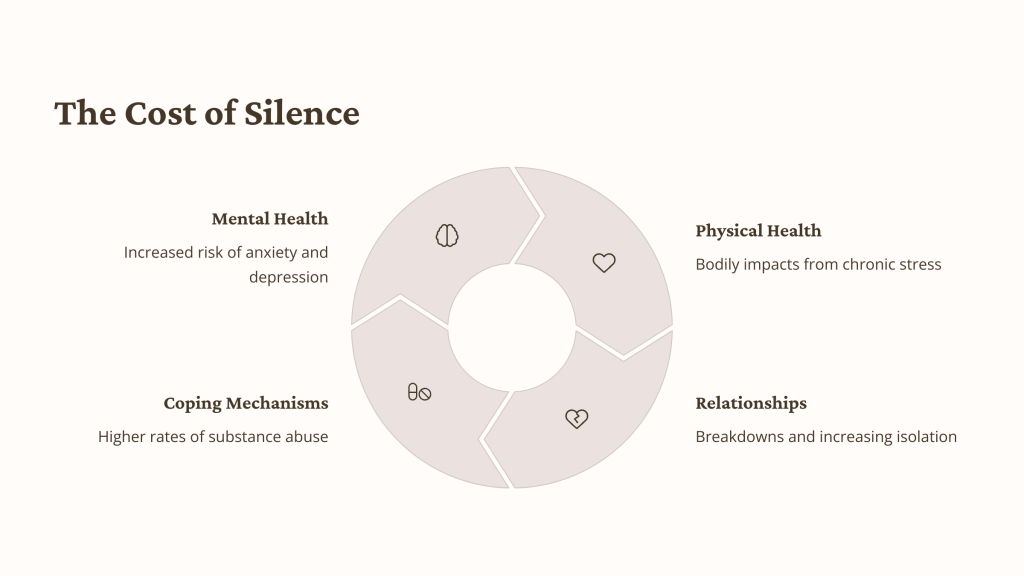
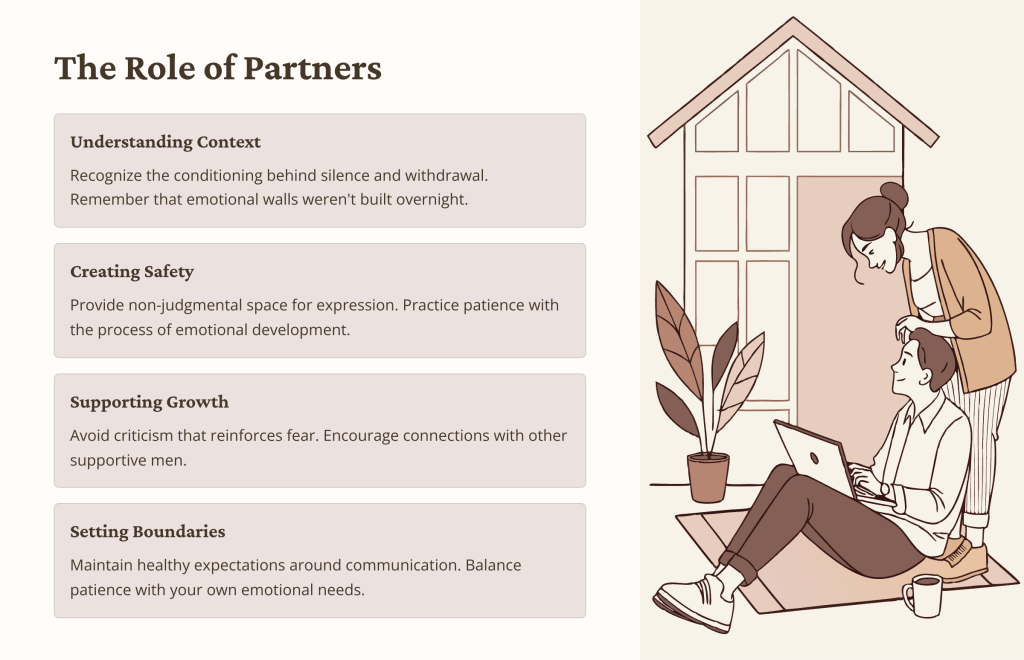
“I Don’t Want To Talk About It”

Male intimacy struggles affect countless relationships. Over 40 years of psychological research reveal hidden emotional lives beneath stoic exteriors.

This presentation offers a path to healthier communication and deeper connections.

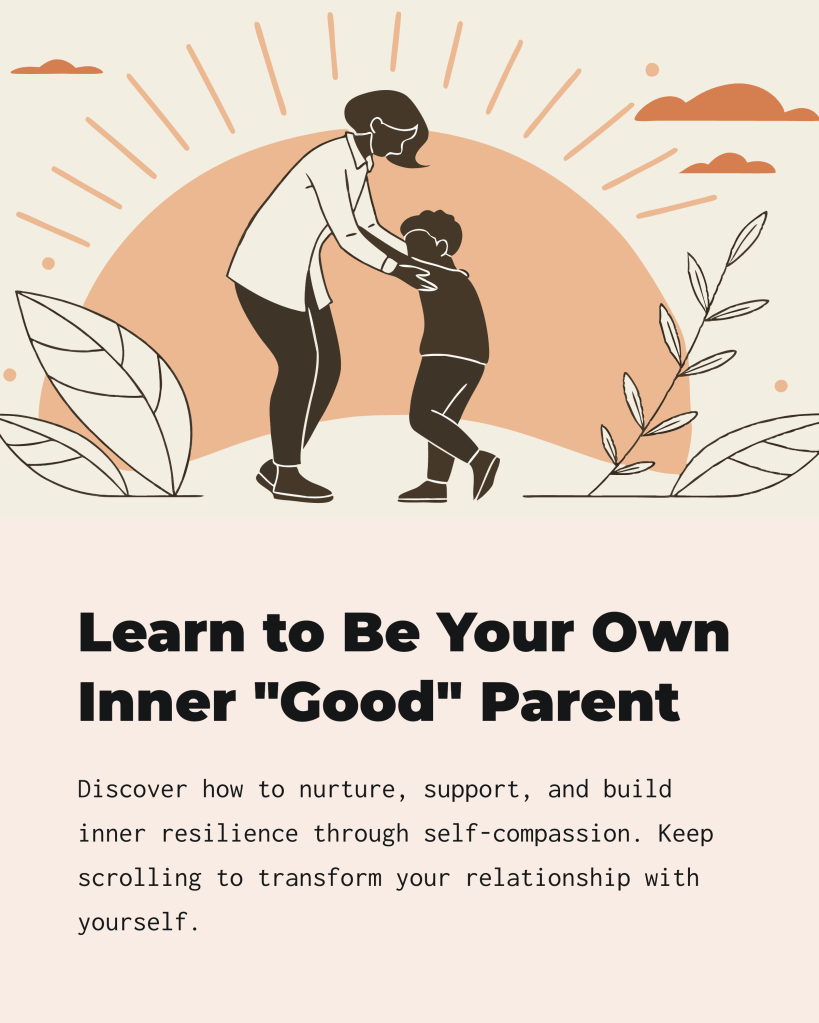
Learn to be your own “Good Parent”

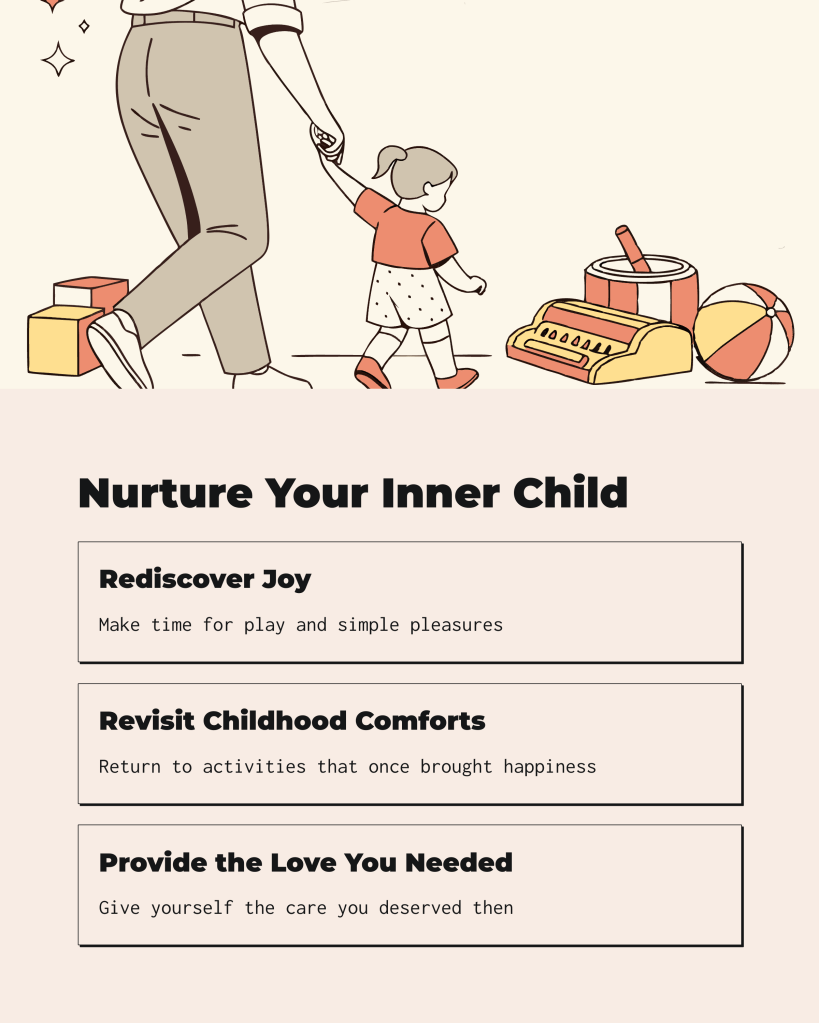
Discover how to nurture, support, and build inner resilience through self-compassion. When we develop our inner “good parent,” we create a foundation of emotional stability that serves us through life’s challenges.

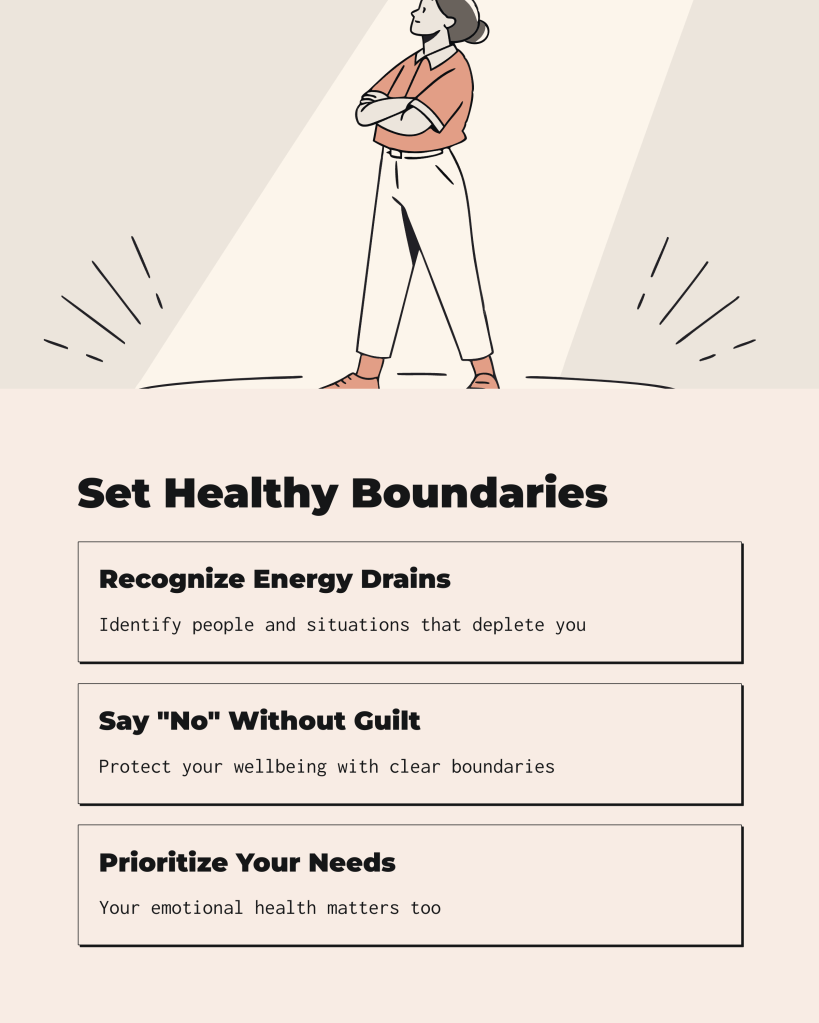
Many of us carry wounds from childhood that affect how we treat ourselves today. By learning to parent yourself with kindness and wisdom, you can heal these patterns and develop healthier self-talk, boundaries, and emotional regulation skills.

The Poison Within: Understanding and Releasing Bitterness and Anger

We’ve all experienced that corrosive feeling that settles in after being hurt, betrayed, or mistreated. It starts as a sharp pain and then becomes more persistent: bitterness. Like a slow-acting poison, bitterness seeps through our emotional system, fundamentally altering how we see ourselves and the world around us.

The Bitter Cycle

Bitterness rarely exists in isolation. It’s typically accompanied by its volatile cousin, anger. While anger can be a healthy, natural response to injustice, bitterness occurs when that anger isn’t processed or released. Instead, it calcifies, becoming a lens through which we view our experiences.

Dr. Maya Thompson, a clinical psychologist specializing in emotional regulation, explains: “Bitterness is essentially anger turned inward and preserved. While immediate anger can be protective and motivating, chronic bitterness becomes self-destructive, affecting everything from our physical health to our capacity for joy.”

Research supports this view. Studies have shown correlations between unresolved anger and increased risks for cardiovascular problems, weakened immune function, and disrupted sleep patterns. Our bodies weren’t designed to carry this emotional weight indefinitely.

Recognizing the Signs

How do you know if bitterness has taken root in your life? Here are some common indicators:

  • You find yourself repeatedly revisiting old hurts, mentally rehearsing what happened and what you should have said or done
  • Cynicism has become your default perspective
  • You experience satisfaction when those who hurt you face difficulties
  • Trusting others feels increasingly impossible
  • You find yourself withdrawing from relationships to avoid potential hurt
  • Physical symptoms like tension headaches, jaw clenching, or digestive issues become frequent companions

The irony of bitterness is that while it begins as a response to being hurt by others, it ultimately hurts us more than anyone else. As the ancient proverb suggests, harboring bitterness is like drinking poison and expecting the other person to die.

The Path to Release

Breaking free from bitterness doesn’t happen overnight, but it is possible. Here are some approaches that can help:

1. Acknowledge the hurt

Bitterness often thrives in denial. By honestly acknowledging what happened and how it affected you, you begin to loosen its grip. This doesn’t mean dwelling on the hurt but giving yourself permission to feel it fully, perhaps for the first time.

2. Practice self-compassion

Beating yourself up for feeling bitter only compounds the problem. Instead, try relating to yourself with kindness. “We often judge ourselves harshly for not being able to ‘just get over it,'” notes therapist James Rivera. “But healing isn’t linear, and self-compassion creates the emotional safety needed for real change.”

3. Reframe your narrative

The stories we tell ourselves about what happened and why can either entrench bitterness or help dissolve it. Consider whether there might be alternative interpretations of events. This doesn’t mean excusing harmful behavior but freeing yourself from a narrative that keeps you stuck.

4. Set boundaries

Sometimes, bitterness persists because we remain in situations that continually reopen wounds. Setting clear boundaries—including limiting contact with certain people—can create the space needed for healing.

5. Practice forgiveness (on your own terms)

Forgiveness is often misunderstood. It doesn’t mean what happened was okay or the relationship must be restored. Instead, it’s a decision to stop allowing the hurt to control your life. As author and researcher Brené Brown puts it, “Forgiveness is not forgetting or walking away from accountability or condoning a hurtful act; it’s the process of taking back and healing our lives so we can truly live.”

6. Seek professional support

Sometimes, professional guidance becomes essential, mainly when the hurt is deep or complex. Therapies like Cognitive Behavioral Therapy (CBT), Acceptance and Commitment Therapy (ACT), and EMDR have proven effective in addressing persistent negative emotions tied to past experiences.

Finding Freedom

A 42-year-old teacher, Maria Chen, describes her journey: “After my divorce, I was consumed by bitterness. It affected my health, my work, and even how I parented. The turning point came when I realized my ex-husband had moved on completely while I was still carrying this massive emotional burden. I decided then that I deserved to be free, too.”

For Maria, healing involved therapy, journaling, and eventually, a deliberate choice to focus on rebuilding her life rather than ruminating on its collapse. “I still have moments,” she admits, “but they’re just moments now, not my entire existence.”

The Gift on the Other Side

Perhaps the most compelling reason to address bitterness is what awaits on the other side: the return of possibility. When we no longer view life through the distorted lens of past hurts, we can engage more fully with the present. Relationships become sources of joy rather than potential threats. Creativity flows more freely. We become more compassionate—both with ourselves and others.

Releasing bitterness doesn’t mean forgetting the lessons learned through difficult experiences. In fact, many find that working through bitterness eventually yields wisdom that wouldn’t have been accessible otherwise. The hurt becomes part of your story without defining it.

As you consider your own relationship with bitterness and anger, remember that seeking help isn’t a sign of weakness but of courage. In reaching for healing, you’re reclaiming your emotional well-being and your right to a future unconstrained by the past.


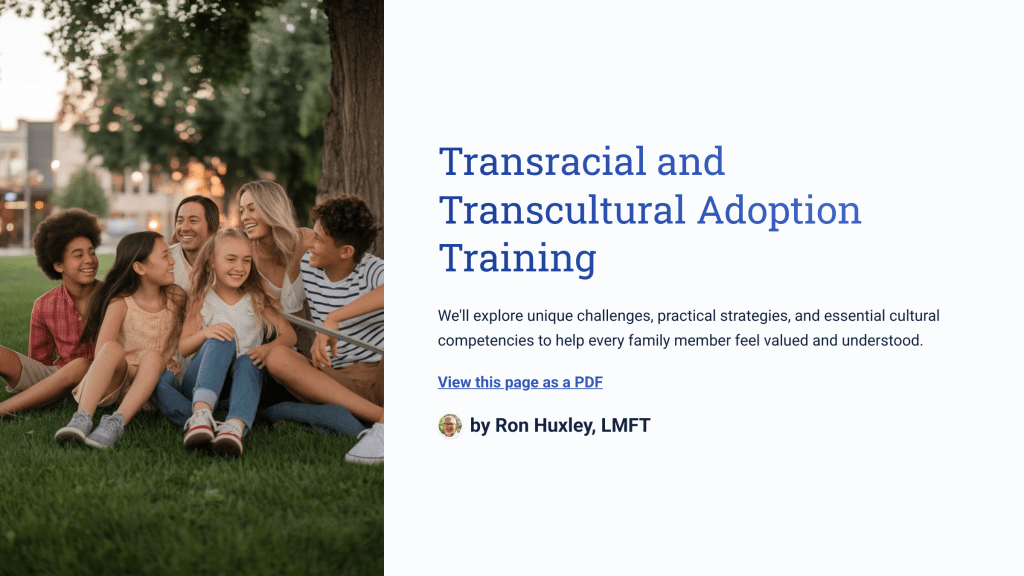
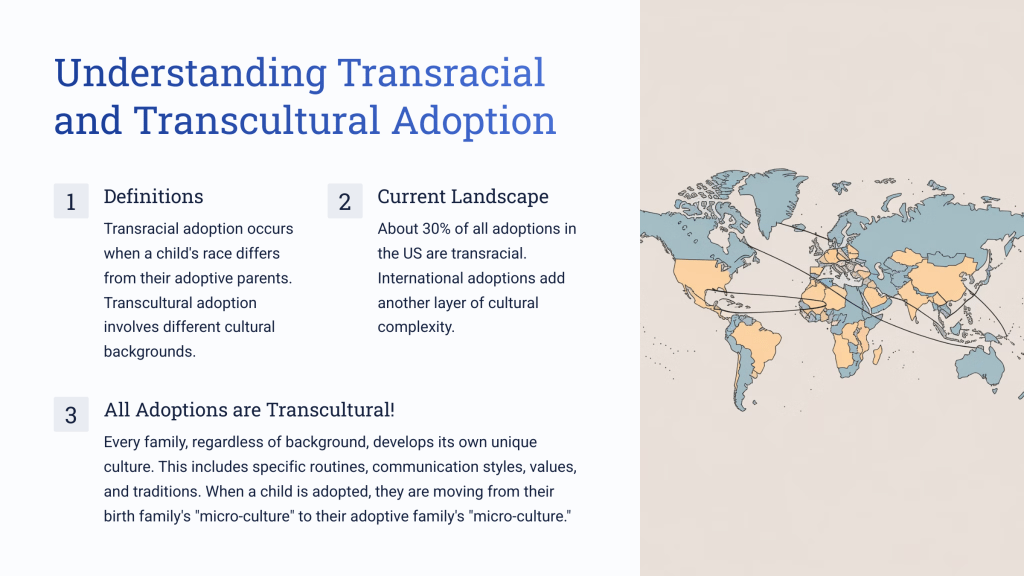
Transracial and Transcultural Adoption

Imagine this scenario:

For months, you’ve been eagerly anticipating your dream vacation to Mexico. You’ve diligently studied Spanish and are becoming quite proficient. You’ve packed your suitcase with care – swimwear, sunscreen, and all the essentials for a tropical getaway. As you board the plane, visions of pristine beaches and fruity cocktails dance in your head.

Exhausted from the excitement and preparation, you drift off to sleep as soon as you settle into your seat. Hours later, you’re stirred awake by the pilot’s arrival announcement. Still groggy, you stretch and overhear your seatmate and ask, “Is this your first time in France?”

Confused, you mumble, “France? That can’t be right…” But as you step off the plane, the reality hits you like a blast of cold air. Somehow, inexplicably, you’ve landed in Paris in the dead of winter. The Eiffel Tower looms in the distance, a far cry from the sandy shores you were expecting.

You find yourself in a bustling metropolis, surrounded by rapid-fire French – a language you don’t understand. Your light, summery clothes offer little protection against the biting cold. As you stand there, shivering and bewildered, consider:

  • How would you feel at this moment?
  • What immediate challenges would you face?
  • How might you adapt to this unexpected situation?
  • What cultural differences might you encounter?
  • How would this experience change your perspective on travel and cultural adaptation?

This exercise simulates the disorientation of sudden cultural immersion. It highlights the importance of flexibility, open-mindedness, and resilience when faced with unexpected cultural encounters. Reflect on how this scenario might parallel real-life culture shock experiences and the skills to navigate unfamiliar environments.

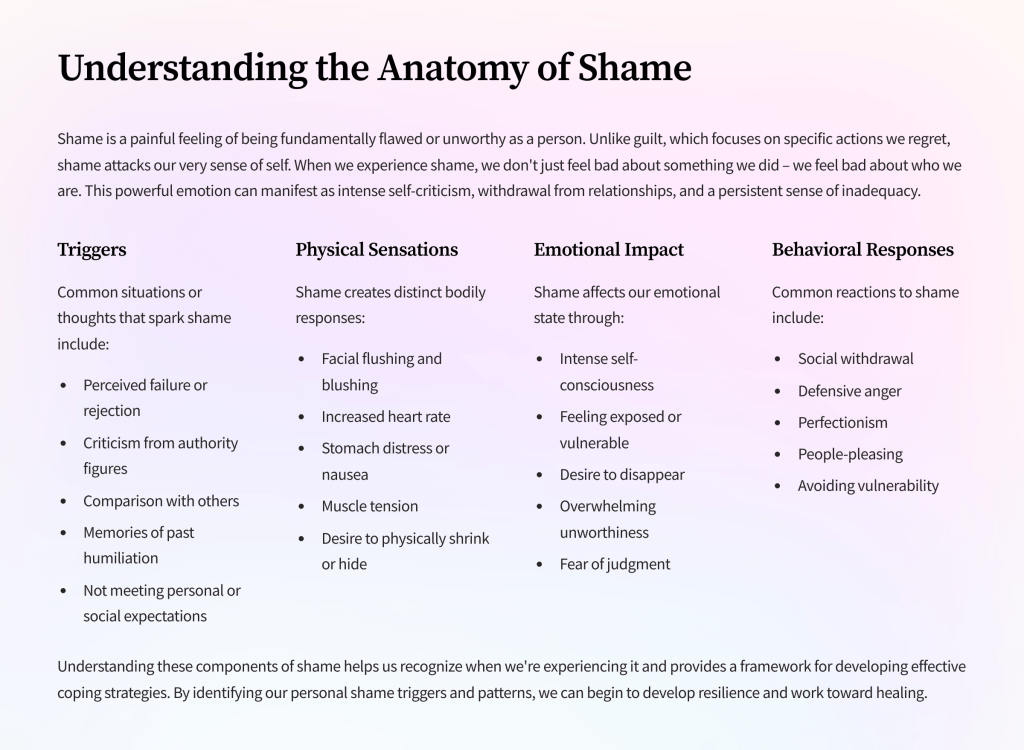
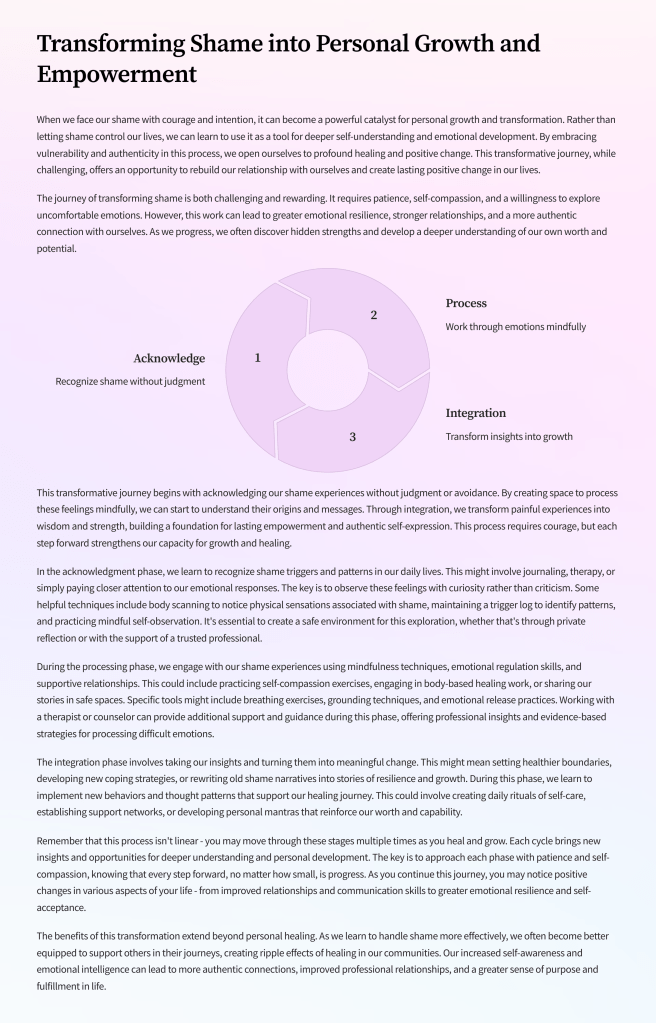
Shame: The Silent Emotion That Holds Us Back

Shame is a profoundly uncomfortable and often hidden emotion that affects every aspect of our lives. Unlike guilt, which tells us we’ve done something wrong, shame makes us feel fundamentally flawed. It profoundly impacts our thoughts, behaviors, and relationships, often beneath our conscious awareness.

Understanding shame is the first step to overcoming its grip. When we bring this powerful emotion into the light, we begin to break its hold over us. This presentation offers evidence-based insights and practical tools for developing shame resilience.

Together, we’ll explore the origins of shame, understand its impact on our well-being, and learn strategies to transform this challenging emotion into a catalyst for growth and authentic connection. Through this journey, you’ll discover that you’re not alone in experiencing shame and, more importantly, that there is a path forward to greater self-acceptance and emotional freedom.

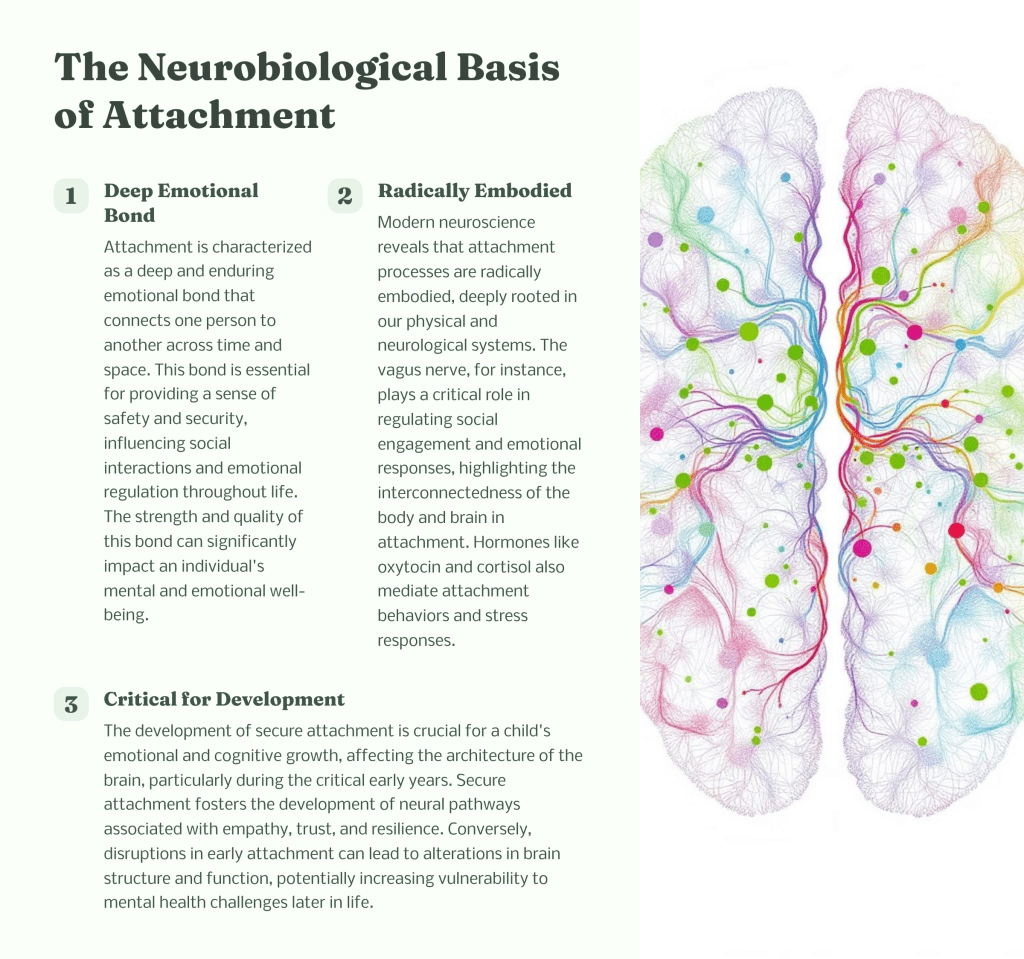
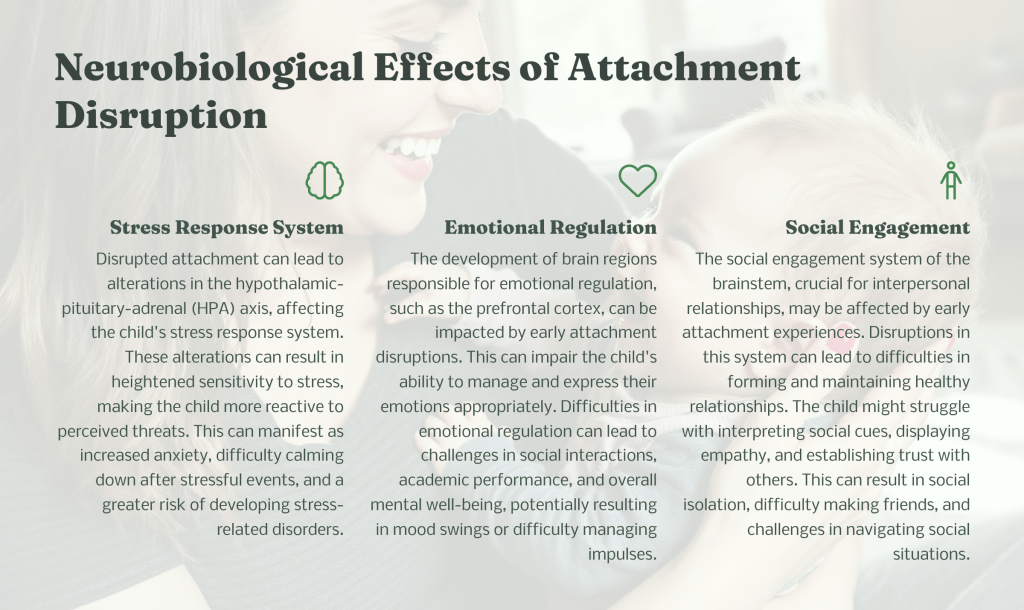
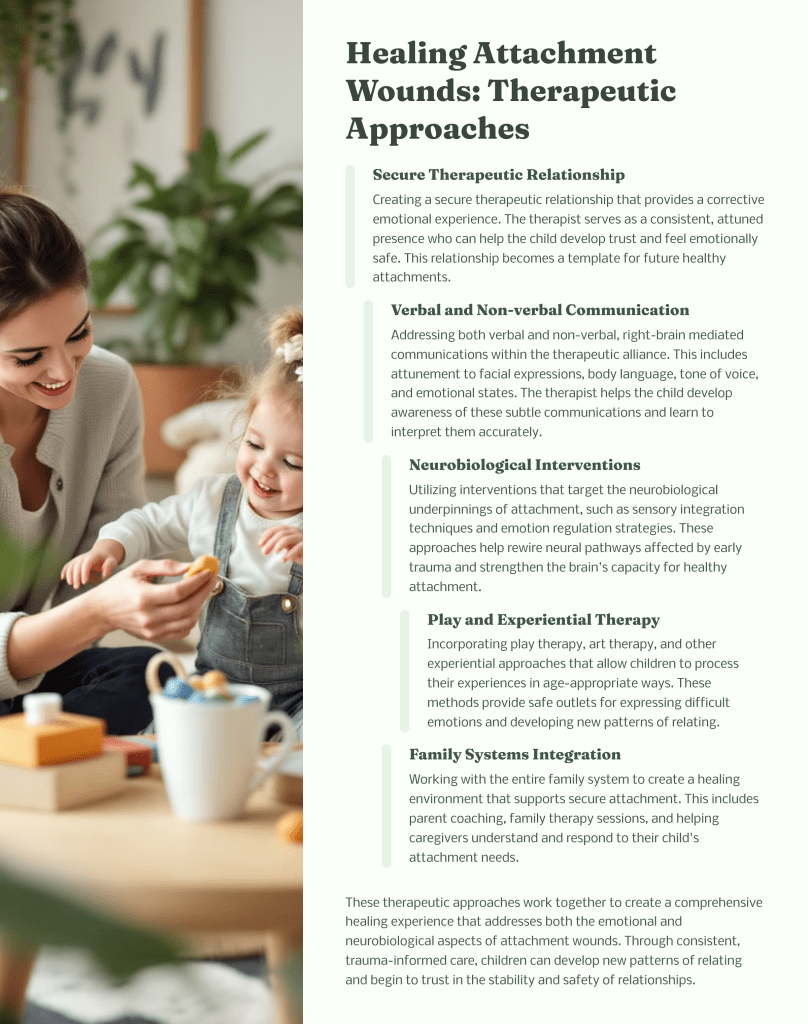
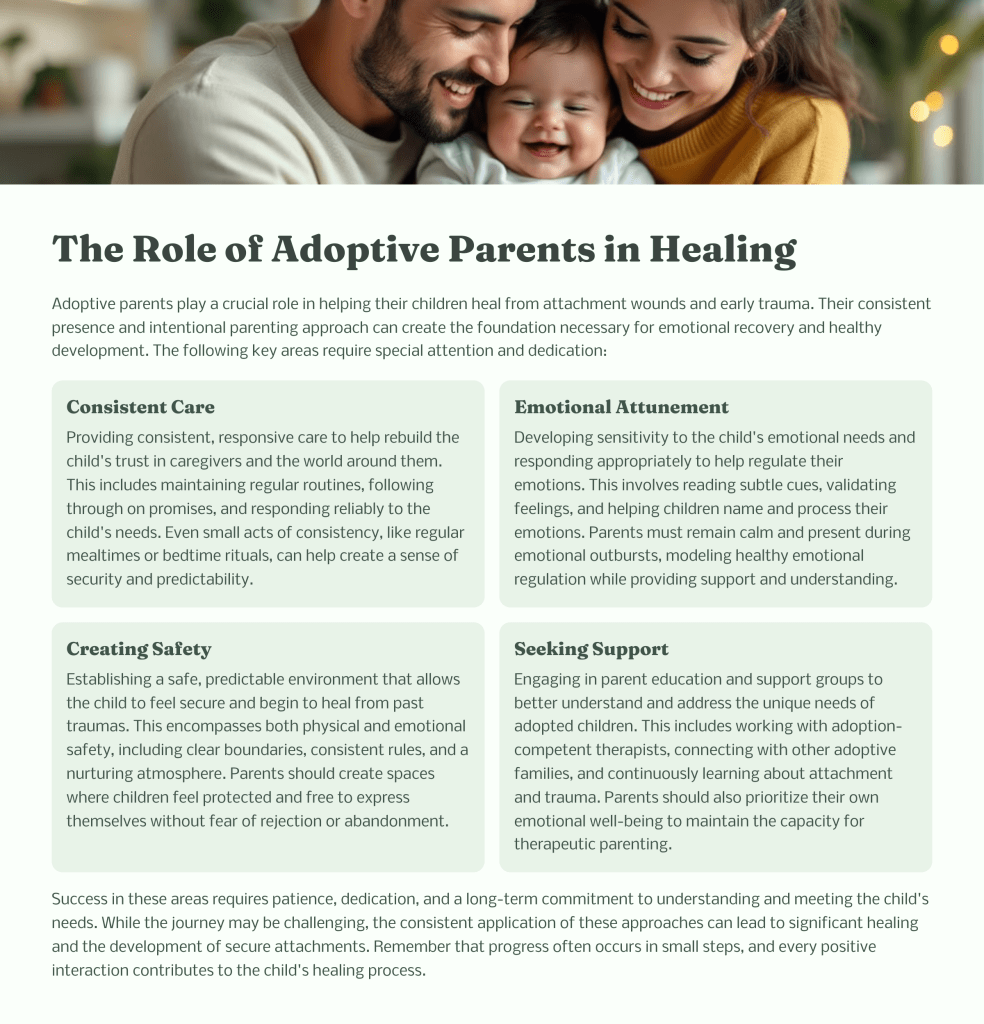
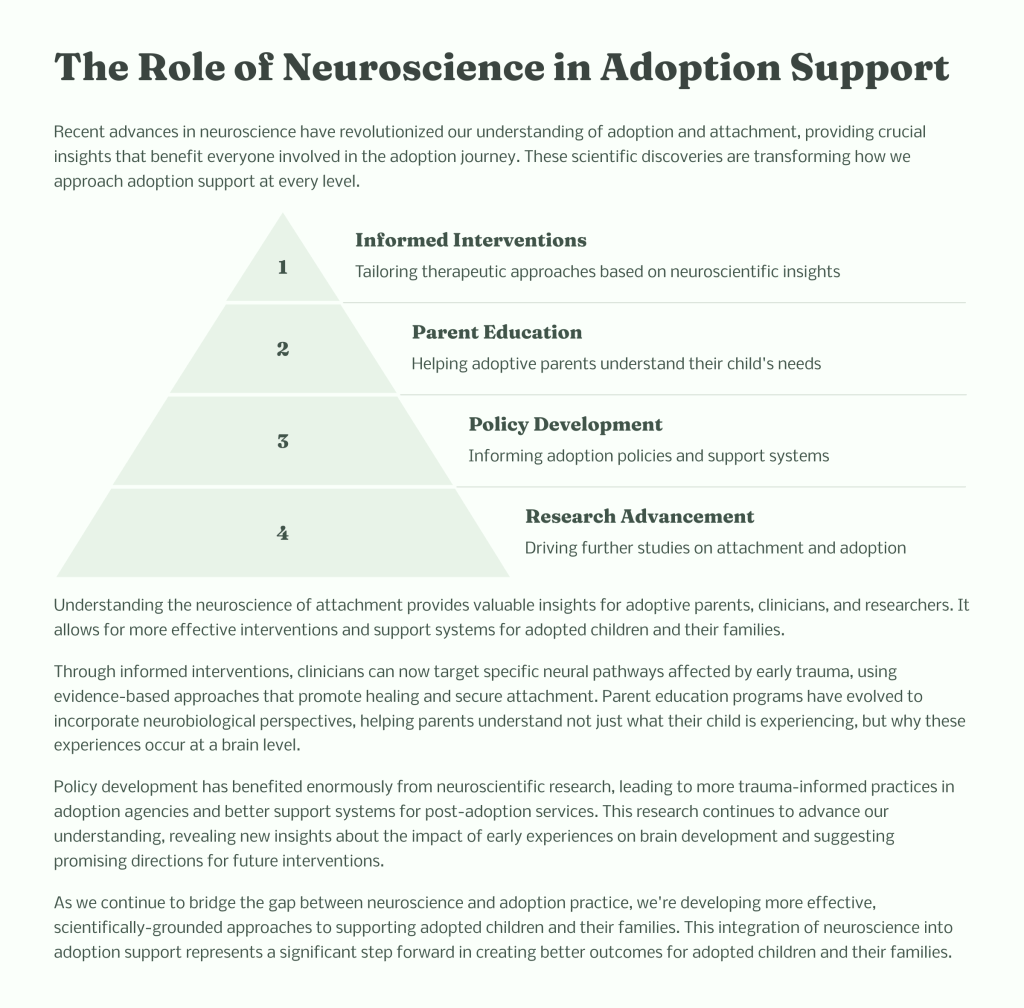
Attachment Wounds in Adoption: A Neuroscientific Perspective

Adoption, while often a positive and life-changing experience, can present unique challenges for children, particularly in the realm of attachment. Recent advancements in neuroscience and attachment research have shed light on the complex interplay between early experiences and brain development, offering new insights into the attachment wounds adopted children may carry.

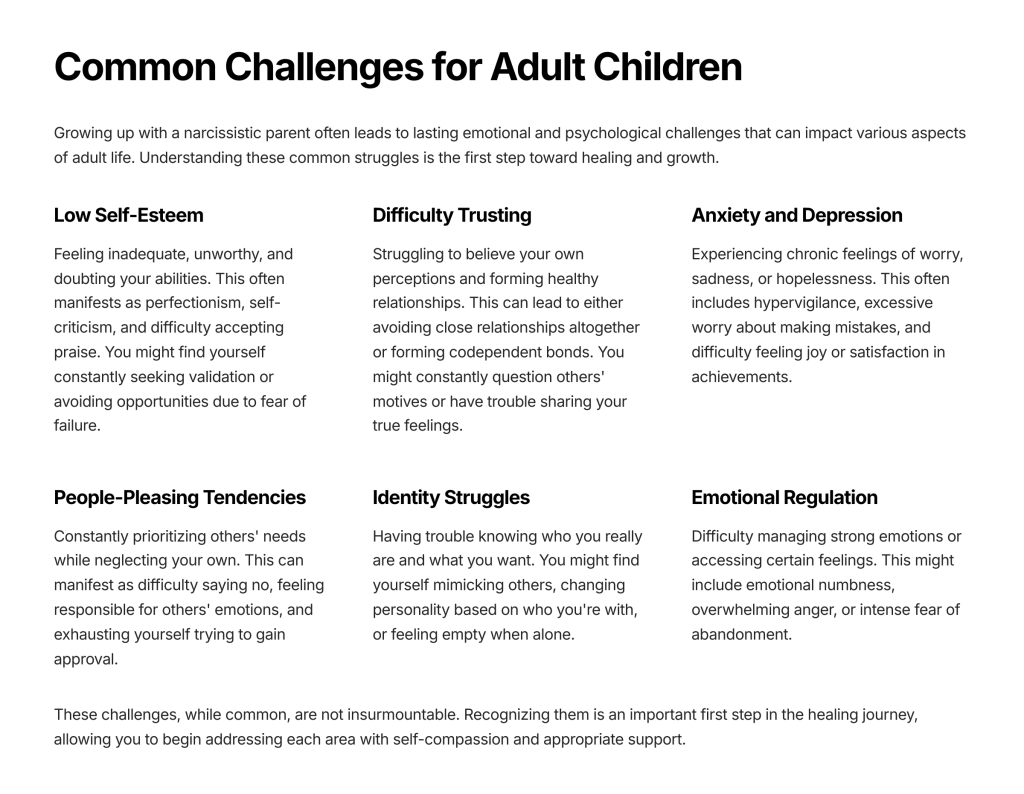
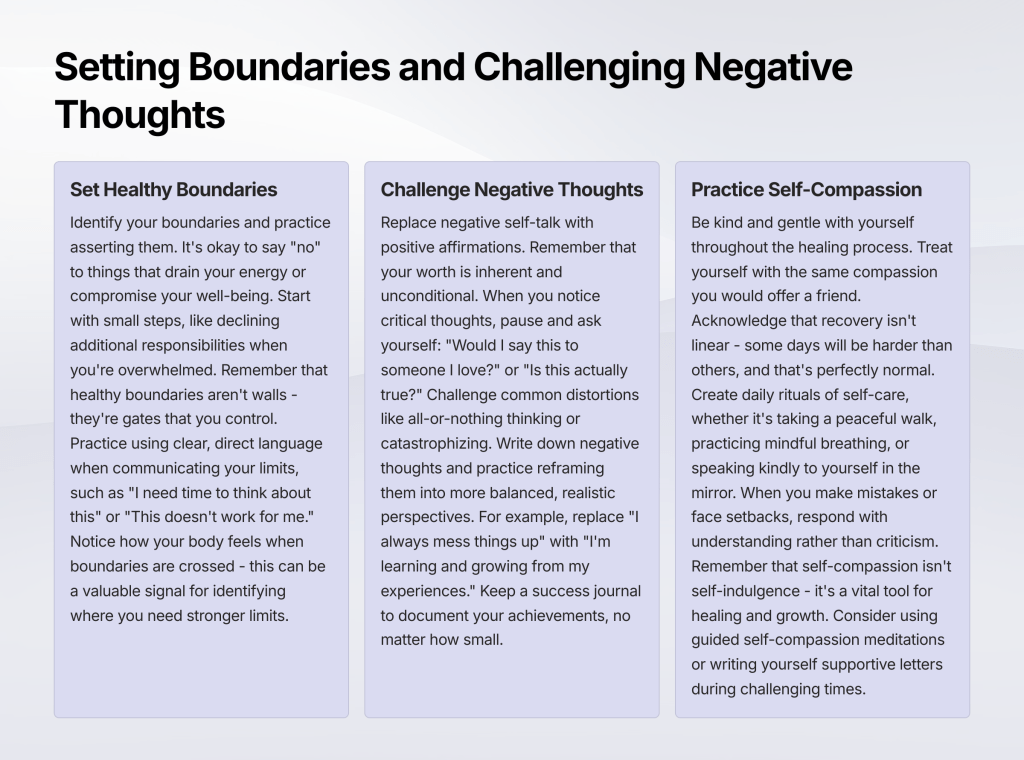
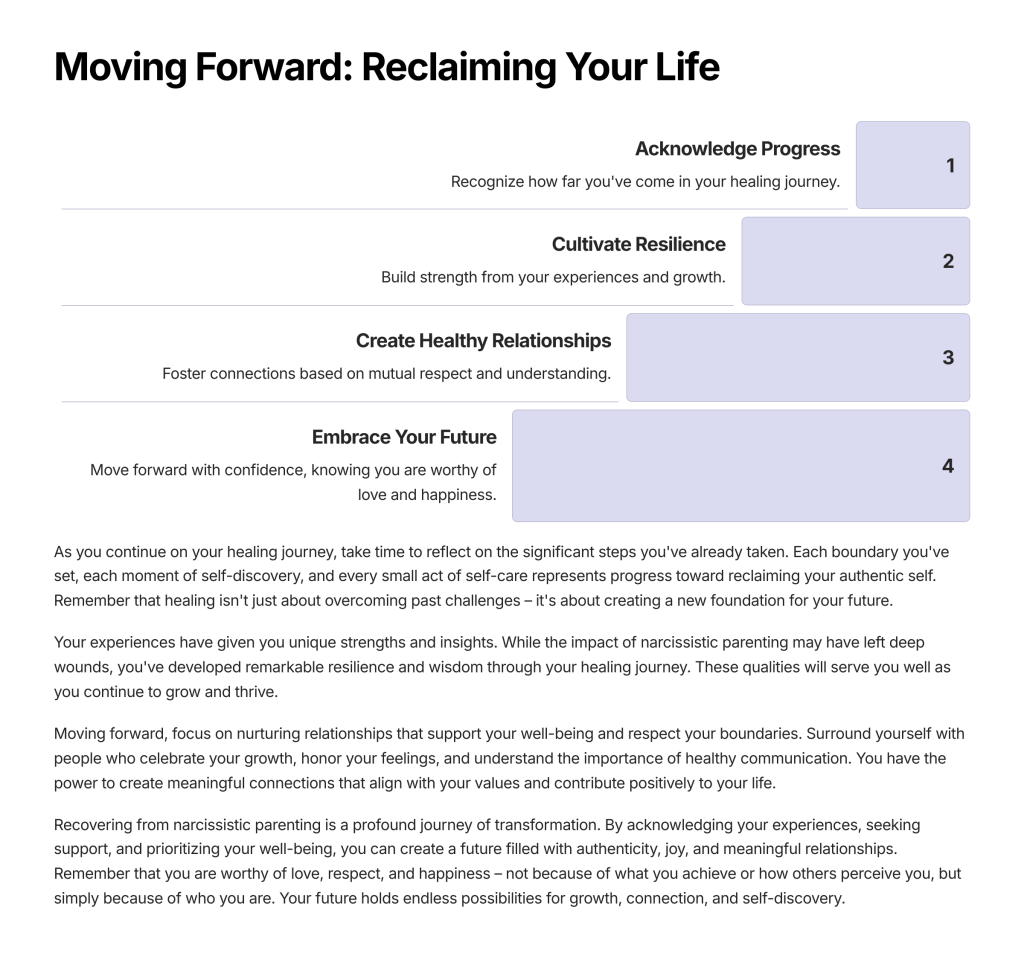
Reclaiming Yourself: A Guide to Recover from Narcisstic Parenting

Growing up with a narcissistic parent can leave deep emotional scars, distorting your sense of self and creating lasting challenges. However, recovery is possible. This guide offers a journey of self-discovery, healing, and reclaiming your authentic self. We’ll explore the impact of narcissistic parenting and common challenges faced by adult children and provide essential steps toward healing and moving forward.