Page 5 of 5

Your Beautiful, Wonderful, Broken Brain: Understanding Trauma-Informed Care

215732-child-brain-shutterstock

Please join us for the 9th Annual Child Abuse Prevention Academy, a training for students, professionals, and community members.
Brought to you in partnership with Center for Family Strengthening and Cuesta College.​

Participants will:

  • learn how to report incidents of suspected child abuse,
  • understand what occurs after a report,
  • understand the role and funtion of the brain in Trauma-Informed Care
  • learn to recognize the effects of trauma on the brain, behavior and development
  • explore primary strategies for healing trauma in the lives of children and adults.

Presenter: Lisa Fraser, Executive Director, Center for Family Strengthening, the San Luis Obispo County Child Abuse Prevention Council

Guest Speaker: Ron Huxley, LMFT will share,
The Beautiful, Wonderful, Broken Brain: Understanding Trauma-Informed Care.

Noted child and familiy therapist, speaker, and blogger Ron Huxley has worked in several systems of care, including community-based mental health, child therapy clinics, wraparound, County mental health, private psychotherapy practice, and faith-based counseling/coaching services. He has certifications in various clinical evidence-based and promising practices: EMDR, Incredible Years, Family Wellness, Love & Logic, S.T.E.P. (Systematic Training for Effective Parenting), TheraPlay, Love After Marriage, and Developmental Dyadic Psychotherapy (attachment-focused family therapy).

Student participants are urged to attend and will receive a Certificate of Participation. The training is free, but preregistration is required. Register here!

When

Friday April 28, 2017. 9:00am – 12pm
Add to Calendar

Where

Cuesta College Student Auditorium – #5401
 CA-1, San Luis Obispo, CA, CA 93403

Free Parking  Lot #2

For More Information, Contact:

Center for Family Strengthening
805-543-6216
support@cfsslo.org  
NeuroResilient Play Therapy ©: A Trauma-Informed Approach to Healing

brainarticle1

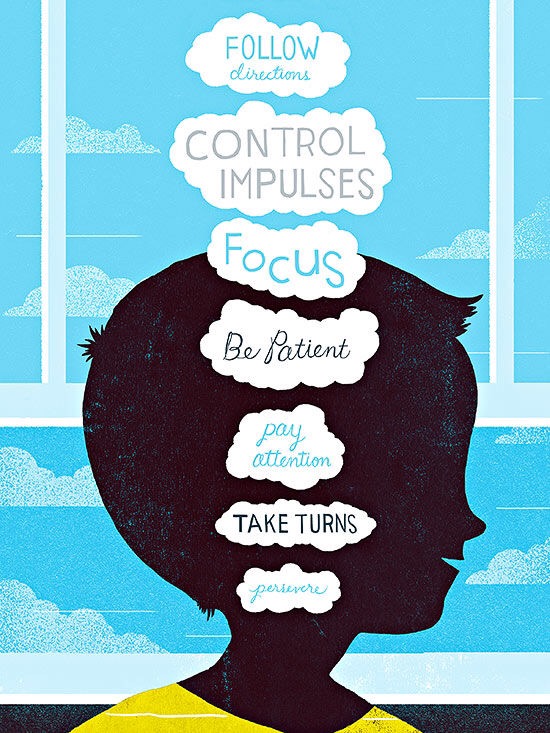
The goal of therapy with traumatized children is to help them learn to regulate and develop the executive functioning skills of the prefrontal center of the brain. I call this the state of being NeuroResilient.

All children are born emotionally impulsive and need to learn how to manage their moods, initiate and stick with tasks, plan and organize, and learn from past mistakes. This is nothing new and neurological studies of the brain suggest that the prefrontal areas of the brain do not completely develop until people are in their mid-twenties.

The challenge with trauma is that it can set a person back socially and emotionally so that while they are 15 years old chronologically, they react to the world as if their were 5 years of age. We call this, in the field of trauma-informed care and attachment-focused research, “age vs stage”. The individual’s chronological age doesn’t line up with their stage of development causing problems in relationships and daily functioning.

Many parents and professionals believe that an emotionally regulated child is a calm child which would be nice, even understandable, but not realistic for a child who has been traumatized. Consequently the goal of therapy is to build resilience, not calmness.

Resilience refers to ability to “spring back, recoil back into shape” or “recover quickly from a difficult situation”. It literally means to “leap back” to a place of safety and security. Who wouldn’t want to have more of that in their lives or the lives of their children?

Children have to build resiliency in their neurology so that behavioral strategies will stick. Parents and teachers get frustrated when their behavior charts and modification tools don’t have any effect on their hurt children.

NeuroResilient Play Therapy © models, to parents, how to integrate the various physiological and mindful parts of the child so that they can function optimally. It is based on identity focusing on the strengths of who the child was created to be instead of forcing the child to fit into a mold made by adults who believe the child has no motivation or seeks only to manipulate.

For more information on how to be NeuroResilient for children and adults, contact Ron today about speaking opportunities or schedule a session in his Avila Beach, Ca office (skype services are available).

Explaining Executive Function Skills to Children

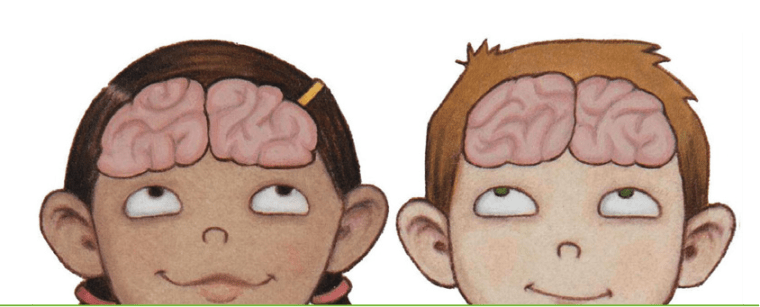
Our brains are organized into three components. There’s the robot or the brainstem which controls all the functions within our body without having to be told what to do. It just does it automatically like a robot!

Next is the puppy dog this is built on top of the robot and while it has a lot of energy and a lot of fun I can early experience life to its fullest it can also be easily distracted not very trainable and sometimes a little disobedient.

On top of this is the trainer. The trainer is very good at figuring out problems solving puzzles and using self-control. It’s job is to teach the puppy dog how to behave and make sure that it gets all the information sent from the robot about what’s going on in the body so that he can give a new instructions if needed.

A child’s job is to use the trainer part of our brains to teach the puppy and the robot but it needs to have self-control, lots of fun, and manage ourselves well!

The easiest way for the trainer to teach the puppy dog in the robot is to use self talk. Everyone talk to them selves. When were difficult situations week off and talk yourself through it by encouraging us to sit still when it’s hard and there’s a lot of distractions, give something a little extra effort is proving very challenging, and figure out how to make the best choices in a very confusing situation.

Sometimes we need to advise and help from other adults in her life like her parents or teachers to guide us on how we should best train the puppy dog and give instructions to the robot. Most adults have already had a lot of practice being a trainer and they have to offer some really good ideas that would help you as well.

Looking for a trainer at your next parenting conference or trauma-informed care event? Contact Ron today at rehuxley@gmail.com