Dealing With Your Traumatic Memories

Finding A Pathway to Healing

Traumatic memories can cast long shadows over our lives, affecting our mental, emotional, and physical well-being. Whether stemming from childhood abuse, accidents, or other life-altering events, these memories can remain buried in our subconscious, influencing our behavior and thoughts in ways we may not fully understand. Though often challenging and painful, confronting these memories is crucial to healing and reclaiming control over our lives.

The Nature of Traumatic Memories

Traumatic memories differ from regular memories in intensity and how they are stored in the brain. They often remain fragmented and disjointed, resurfacing unexpectedly and triggering intense emotional and physical reactions. These memories can lead to symptoms of PTSD, anxiety, depression, and other mental health issues if not addressed.

Why Confront Traumatic Memories?

1. Breaking the Cycle of Avoidance

Avoidance is a common coping mechanism for dealing with trauma. We may avoid places, people, or situations that remind us of the traumatic event. While this can provide temporary relief, it often reinforces the trauma, making it more challenging to manage in the long run. Confronting traumatic memories helps break this cycle, reducing the power they hold over us.

2. Processing and Integration

Facing traumatic memories allows for the processing and integrating these experiences into our broader life narrative. This process can transform fragmented, distressing memories into coherent stories we can understand and accept. This integration diminishes the emotional charge associated with these memories, reducing their impact on our daily lives.

3. Regaining Control

Trauma can leave us feeling powerless and out of control. By confronting our traumatic memories, we reclaim agency over our experiences. This empowerment is a critical step in healing, allowing us to move from being victims of our past to active participants in our recovery.

4. Improving Mental and Physical Health

Unresolved trauma is linked to a range of mental and physical health issues, including chronic stress, anxiety, depression, and even physical ailments like cardiovascular disease and weakened immune function. Addressing traumatic memories can alleviate these symptoms, improving overall health and well-being.

How to Confront Traumatic Memories Safely

1. Seek Professional Support

Working with a mental health professional trained in trauma-informed care is essential. Therapies such as Cognitive Behavioral Therapy (CBT), Eye Movement Desensitization and Reprocessing (EMDR), and Somatic Experiencing can provide structured and supportive environments to process traumatic memories.

2. Create a Safe Environment

Ensure that you are in a safe, supportive environment when addressing traumatic memories. This might involve creating a comfortable physical space, having trusted friends or family members nearby, and practicing self-care routines promoting safety and stability.

3. Take it Slow

Confronting trauma is not a race. It’s essential to go at your own pace and not force yourself to relive painful experiences before you’re ready. Gradual exposure and processing are key to ensuring the process is therapeutic rather than re-traumatizing.

4. Use Grounding Techniques

Grounding techniques can help manage intense emotions and connect you to the present moment. Techniques such as deep breathing, mindfulness, and focusing on physical sensations can provide immediate relief when confronting difficult memories.

Confronting traumatic memories is a challenging but vital step towards healing. By facing these memories, we can break the cycle of avoidance, process and integrate our experiences, regain control, and improve our overall health. With the support of trained professionals and a safe, gradual approach, we can transform our trauma from a source of pain into a pathway to resilience and growth. Remember, the healing journey is personal and unique—take it one step at a time and honor your progress.

Here’s a list of trauma therapy techniques and models that are widely used to help individuals process and heal from traumatic memories:

Trauma Therapy Techniques and Models

  1. Eye Movement Desensitization and Reprocessing (EMDR):
  • Uses guided eye movements or other forms of bilateral stimulation to help the brain process and integrate traumatic memories.
  1. Cognitive Behavioral Therapy (CBT):
  • Focuses on identifying and changing negative thought patterns and behaviors associated with trauma. A specific form, Trauma-Focused CBT (TF-CBT), is often used with children and adolescents.
  1. Prolonged Exposure Therapy (PE):
  • Involves gradual exposure to trauma-related memories, emotions, and situations to reduce the distress they cause over time.
  1. Somatic Experiencing (SE):
  • Emphasizes the body’s role in trauma recovery, helping individuals release stored trauma through body awareness and physical sensations.
  1. Narrative Therapy:
  • Encourages individuals to rewrite their trauma story, reframing their experiences and separating their identity from the traumatic event.
  1. Internal Family Systems (IFS):
  • Helps individuals identify and heal different “parts” of themselves that may hold trauma, such as protective or wounded parts.
  1. Dialectical Behavior Therapy (DBT):
  • Combines CBT techniques with mindfulness, distress tolerance, and emotion regulation, which are especially helpful for trauma survivors with complex emotional responses.
  1. Trauma-Focused Cognitive Behavioral Therapy (TF-CBT):
  • A specialized form of CBT designed specifically for trauma, often involving both the individual and their caregivers.
  1. Psychodynamic Therapy:
  • Explores unconscious patterns and past experiences that influence current behavior, often delving into childhood trauma.
  1. Brainspotting:
    • Utilizes eye positioning to identify, process, and release trauma stored deep in the brain.
  2. Sensorimotor Psychotherapy:
    • Integrates somatic (body-based) therapy with cognitive and emotional processing to address how trauma affects the body.
  3. Mindfulness-Based Stress Reduction (MBSR):
    • Uses mindfulness and meditation techniques to increase awareness and acceptance of thoughts and feelings related to trauma.
  4. Accelerated Resolution Therapy (ART):
    • Combines elements of EMDR with guided visualization to change the way traumatic memories are stored in the brain.
  5. Emotional Freedom Technique (EFT) / Tapping:
    • Involves tapping on specific acupuncture points while focusing on traumatic memories, aiming to reduce emotional distress.
  6. Exposure and Response Prevention (ERP):
    • Gradually exposes individuals to trauma-related triggers while helping them manage their responses, often used for PTSD and OCD.
  7. Hypnotherapy:
    • Uses guided relaxation and focused attention to access and process trauma stored in the subconscious mind.
  8. Art Therapy:
    • Encourages the expression of trauma through creative outlets like drawing, painting, or sculpture, facilitating emotional release and processing.
  9. Play Therapy (for children):
    • Allows children to express and process trauma through play, a natural medium for young minds.
  10. Group Therapy for Trauma Survivors:
    • Provides a supportive environment where individuals can share their experiences, learn from others, and gain a sense of community.
  11. Narrative Exposure Therapy (NET):
    • Combines narrative techniques with trauma processing to create a coherent life story, particularly effective for survivors of complex trauma.

These techniques vary in their approaches but share the goal of helping individuals confront, process, and heal from traumatic memories. Each method can be tailored to the individual’s needs, allowing for a personalized path to recovery. Let me know if you’d like more information on these techniques!

The 1-Minute Cure for Distressing Emotions

If you have ever felt that there isn’t enough time to manage your emotional and mental health or you get stuck in the same distressing place repeatedly, here are some quick 1-minute self-soothing activities to find some breakthrough.

These activities come from a therapeutic practice called Dialectical Behavior Therapy or DBT. DBT is all about helping you manage your emotions and build better relationships. It’s like having a toolkit with practical skills to handle tricky situations and care for yourself. Imagine you’re facing distressing emotions or struggling with intense mood swings. It teaches you how to recognize and understand your emotions so they don’t feel like a wild rollercoaster ride you have no control over.

One of the strengths of DBT is mindfulness. It’s all about being present at the moment, fully aware of what’s happening inside and around you. It’s like pressing the pause button on your busy thoughts and taking a breather. By practicing mindfulness, you can find some calmness in the chaos.

DBT also shines a light on something called interpersonal effectiveness. It’s like giving you a secret handbook on communicating better, setting boundaries, and building healthy relationships. You’ll learn to express your needs, listen to others, and find that sweet spot where everyone feels heard and respected.

Now, let’s not forget about distress tolerance. Life can throw some curveballs your way, right? DBT helps you develop strategies to handle those challenging moments without worsening things. It’s like having a shield that protects you from getting overwhelmed when things don’t go as planned.

DBT also tackles unhelpful thoughts and beliefs. It helps you challenge negative self-talk and find more balanced perspectives. It’s like rewiring your brain to think more positively and realistically. You’ll discover that you can do amazing things and that setbacks don’t define you.

Ultimately, the goal of DBT is to help you create “a life worth living.” It’s about finding balance, cultivating self-acceptance, and building a solid foundation for your well-being. With DBT, you’ll have the tools and support to tackle life’s challenges head-on and create a brighter future.

Here’s a list of 25 different 1-minute self-soothing activities to regulate your emotions:

  1. Take three deep breaths, focusing on the sensation of the air entering and leaving your body.
  2. Squeeze a stress ball or a soft object in your hand.
  3. Repeat a positive affirmation or mantra to yourself.
  4. Close your eyes and visualize a calm and peaceful place.
  5. Listen to a calming or instrumental piece of music.
  6. Stretch your body and release tension.
  7. Take a quick walk around the room or step outside for fresh air.
  8. Massage your temples or gently rub your hands together for a few seconds.
  9. Write down three things you are grateful for in a gratitude journal.
  10. Drink a small glass of water mindfully, focusing on the sensation of each sip.
  11. Look out the window and notice five things in your surroundings.
  12. Count backward from 10 to 1, allowing yourself to relax with each number.
  13. Hold and stroke a soft fabric or a favorite plush toy.
  14. Repeat a calming word or phrase silently to yourself.
  15. Do a quick body scan, noticing any areas of tension and consciously releasing them.
  16. Hum a soothing tune or sing a calming song to yourself.
  17. Use a scented hand lotion and focus on the fragrance as you rub it into your hands.
  18. Take a mindful pause and observe your thoughts without judgment.
  19. Apply gentle pressure to your temples with your fingertips and massage in circular motions.
  20. Use a stress-relief app or listen to a guided meditation for one minute.
  21. Look at a photo or image that brings you joy and smile at the associated memory.
  22. Do a quick yoga or stretching pose, such as a standing forward bend or a shoulder roll.
  23. Repeat “I am calm and in control” silently or aloud.
  24. Hug yourself tightly for a few seconds, providing comfort and warmth.
  25. Practice a simple gratitude exercise by listing three things you appreciate about yourself.

Remember, these self-soothing activities provide quick relief and promote relaxation in just one minute. Feel free to customize the list based on your preferences and experiment with different techniques to find what works best.

Get a complete list of DBT Regulation Skills by clicking here!

Let Ron Huxley help you today with your emotional regulation and mood. Click here to schedule an appointment.

Helping Children Focus in School After Trauma…

When children experience trauma, it can be difficult to focus and stay engaged in the classroom. Fortunately, many social-emotional learning activities can help children develop the skills they need to stay focused and engaged in the classroom. Here are 10 ways children can use social-emotional learning activities to help them focus in the classroom after experiencing trauma.

1. Positive Self-Talk: Positive self-talk can be a powerful tool for helping children to stay focused and engaged in the classroom. Encourage your child to practice positive self-talk by repeating mantras and affirmations to themselves throughout the day. This will help them to stay positive and motivated, even when facing challenging tasks.

2. Mindfulness: Mindfulness activities can help children to stay in the present moment and pay attention to what is happening in the classroom. Encourage your child to practice mindfulness activities like deep breathing and body scans to help them stay focused and engaged.

3. Visualization: Visualization activities can help children to create positive images in their minds, which can help them stay focused and engaged in the classroom. Encourage your child to practice visualization activities, such as imagining a peaceful place or positive future, to help them stay on task.

4. Social Skills: Social skills can help children stay engaged in the classroom and positively interact with their peers. Encourage your child to practice social skills, such as active listening, problem-solving, and conflict resolution.

5. Emotional Regulation: Emotional regulation activities can help children to manage their emotions and stay focused in the classroom. Encourage your child to practice emotional regulation activities like deep breathing, progressive muscle relaxation, and positive self-talk.

6. Self-Awareness: Self-awareness activities can help children to understand their emotions, thoughts, and behaviors. Encourage your child to practice self-awareness activities such as journaling, reflecting on their experiences, and talking to a trusted adult.

7. Goal Setting: Goal-setting activities can help children to stay focused and motivated in the classroom. Encourage your child to set short-term goals that are achievable and to create a plan for how to reach those goals.

8. Problem-Solving: Problem-solving activities can help children to think flexibly and stay focused in the classroom. Encourage your child to practice problem-solving activities, such as brainstorming, making lists, and breaking down tasks into smaller steps.

9. Self-Care: Self-care activities can help children to stay focused and engaged in the classroom. Encourage your child to practice self-care activities such as getting enough sleep, eating healthy meals, and engaging in physical activity.

10. Connecting With Others: Connecting with others can help children to stay focused and engaged in the classroom. Encourage your child to connect with peers by talking to them, listening to their stories, and engaging in conversations.

Ron Huxley can help your and your child focus and learn after dealing with stress and trauma. Ron Huxley is a licensed therapist specializing in anxiety and trauma. Contact him today!

Yes, you can! Build up your confidence

Why Self-Confidence Matters

It often seems that confidence is elusive, like a smoky mirage. Sometimes, it feels magical and wonderful; other times it can be frustrating.

But I’ll let you in on a little secret: you can build up your self-confidence without having to resort to any crystal. ‘How?’ you ask.

It’s simple.

Start by recognizing that confidence is a skill you can learn. You set a goal and take small steps each day to work towards it.

Keep reading to find out more about self-confidence and why it matters.

What Is Self-Confidence?

Self-confidence isn’t tangible. You can’t touch it and say, “This is confidence.”

It’s something we get a feeling for when we, or others, have it.

Likewise, we can recognize when someone lacks it. Even when they try to attempt to compensate for it, we sense it and feel bad for them.

The good news is that self-confidence is a soft skill, which means you can learn it and apply it to your daily life. It’s not fixed, like your height for example. It’s mainly based on your mindset and the actions you do to follow through.

You can boost your confidence and self-esteem by trusting your abilities. Seeing yourself succeed in your mind is the first step in making better decisions. Then, when your decisions make your life better, your confidence gets a nice little boost. And round and round it goes.

Bear in mind that confidence is infectious. Even though we can’t see it, we still sense other people’s confidence levels in the way they behave and speak.

When someone is confident, they exude excitement and energy. You’re motivated to work hard and feel that same energy.

The downside is it goes both ways. When one person lacks confidence, it can deflate everyone around them. They just get the sense that there’s no point in trying.

Why Does Self-Confidence Matter?

There are different reasons why being confident can improve your life. Below, you’ll find a few examples of how it can make you a happier, more fulfilled individual.

Allows You to Take Positive Risks

We all need the confidence to bring balance and a sense of direction in our lives. Making a conscious decision to develop your confidence will allow you to take positive risks. It gets you out of your comfort zone and puts you on the path to success.

The trick is understanding your own strength. You have to believe that you can master whatever skill you’re striving towards. Yes, it’ll be weird and difficult in the beginning. Yes, you’ll make mistakes along the way. So what?

That’s what life is about. This is what boosts your self-esteem and makes you better at everything you do.

Empowers You to Embrace Your Failures

We all make mistakes. We all fail and meet obstacles in our lives.

The key is to understand that failures are a necessary part of progress. Read that again and really take it in.

Often, we feel that when we fail, it’s the end of the journey. But that couldn’t be farther from the truth.

To fully embrace your failures, you have to think of them as detours. When you’re forced to change lanes or take a detour that doesn’t mean the entire journey is over. It just means you’re taking a different path, but you’ll get there eventually.

Now, why do some people succeed after failing and others don’t? Those who manage to learn from their mistakes. They go over what went wrong and find a way to fix it.

In other words, they use their failures to their advantage. They use them to prop them up and give them the push they need to keep going on their path.

Let’s take a second to think about Thomas Edison and Michael Jordan. What’s the first thing that comes to mind when you think of these two names? Success? Fame? Glory? All of the above?

How about failure? You’re probably saying to yourself, ‘These are two of the most prominent members of society. They haven’t failed.’

Well, sorry to burst your bubble, but they have—many times, in fact. Yet, they’re smart enough to use their failures as stepping stones to aim higher and work harder. Imagine our much our lives would have been impacted if these two men had given up every time they failed!

One of Edison’s quotes about refining the light bulb is, “I haven’t failed. I’ve found 10,000 ways that won’t work.”

Enables You To Trust Yourself

Many times, we can be our own worst enemies. We critique every move, every word, and every thought over and over again.

In moderation, it can be a great incentive to do better. Although, this only works if we treat ourselves with the same kindness and empathy, we show others. Sadly, it doesn’t happen very often.

The best way to break out of that negative self-talk is to have faith in yourself. Have faith in your decisions. Even if you made mistakes in the past, that doesn’t necessitate future failures.

Own up to your bad decision, embrace it, and move on. That’s now part of your DNA; it’s helping shape a stronger, more resilient person.

Imagine it being part of your arsenal or a superpower. Now, you’ve turned your mistake into something that can make you more resilient and less anxious.

A Final Note

Self-confidence is an integral part of who you are. Understanding why it matters can mean the difference being happy and being miserable.

Having that self-assurance can help boost your relationships and career. You’ll also be able to inspire others to become happier, more fulfilled individuals.

Need a Mood Boost?

As we enter the holiday season, in the midst of an ongoing pandemic, we could all use a little boost in our mood. For some, this is not a time of good cheer. It is a time for increased depression and anxiety.

How do we improve our mood?

How To Actively Improve Your Mood

There are many ways to actively improve your mood. The most obvious is to feel good about yourself.

Other reasons are probably not as obvious to you. Although, they’re pretty obvious to your mental and physical health.

Let’s talk about some of these reasons and how they can influence everything that goes on in our lives.

Improve Your Mental Health

Your mental wellness affects your thoughts, feelings, and behavior. It helps reduce stress, as well as help you cope with challenges and setbacks.

Having strong mental health doesn’t mean the absence of anxiety, fears, and worries. Going through difficult times is a natural part of living.

Yet, when you’re in good shape mentally and emotionally, you bounce back faster. You have the tools needed to face all these things head-on with confidence and resilience.

Being resilient means you stay flexible and focused when life throws you a curveball. You have confidence in your abilities to deal with whatever the future has in store.

Here are some extra perks that come when you boost your mental wellbeing and improve your mood.

  • You have a sense of contentment with life in general
  • You maintain a hearty dose of confidence and self-esteem
  • You see opportunities where others see none
  • You enjoy living and can laugh at yourself
  • You balance work and play
  • You build healthy relationships

Polish Up on Your Social Skills

We’re social creatures. We thrive when we feel connected to others.

This doesn’t mean we have to be surrounded by people all the time every day. It just means that our brains crave companionship in varying degrees.

Yes, you can always call or text. They certainly have their place and time in our busy, hectic lives.

Still, nothing beats the mood-boosting power of sitting down with family or friends. That quality face-to-face time is priceless.

You sit, you talk, and you listen — pretty basic right? But for your brain, it’s revolutionary!

Here’s why: studies show that our brains are wired for connectivity. Certain areas of our brains light up when we do volunteer work or spend some time with a friend.

Not only that, but the brain rewards us for being socially outgoing. It does so by signaling the release of two happy hormones, oxytocin, and serotonin. So, by being out with your partner, friends, or even colleagues, you’re actively seeking ways to improve your mood.

You should also make the most of those fleeting encounters you have with strangers each day. Make a point of looking your neighbor in the eye as you wish them a good day.

Look up from what you’re doing and take a couple of seconds to thank the barista or the cashier. You can even add a smile to go with it.

Despite taking mere seconds out of your day, those little acts of kindness are terrific mood boosters. They’ll do wonders for your day and theirs!

Stay Active

The link between the mind and body is complementary. When you take care of your physical health, you’re nourishing your mental well-being.

Anytime you exercise for at least 20 minutes, your brain releases endorphins. These are one of the four happy chemicals that help stabilize your mood and boost energy levels.

Regular physical activity also has a big impact on your memory and concentration. Plus, it relieves stress and promotes better sleep.

The trick is to find an activity you like and do it several times a week. Take a walk, cycle, throw a Frisbee with your dog—the point is to enjoy what you’re doing.

Better still, find a group of friends and be active in a group. This will hold you accountable, boost your motivation, and improve your mood.

Regulate Stress Levels

Almost everyone on the planet knows by now that stress is a major problem. It affects our mental, emotional, and physical well-being.

We also know that stress can’t be avoided, especially in this busy day and age. However, certain stress management strategies can help regulate stress in your life.

These tactics allow you to cope with life’s ups and downs. They allow you to improve your mood and feel good about yourself.

Here are some things you can do to reduce your stress:

  • Enhance the quality of your sleep
  • Eat mood-enhancing foods, such as fresh fruits, fatty fish, nuts, avocados, and beans
  • Practice relaxation techniques, like mindful meditation, yoga, and deep breathing
  • Make time for yourself and do something you enjoy
  • Find somewhere to sit at a local park and soak in some sunshine
  • Laugh more

If you need more help with your mood, contact Ron Huxley today to schedule a session!

Feeling Hurt, Stuck, Shame?

When you have experienced trauma, anything can cause emotional pain: a word, glance, or reaction. We have all experienced this in life but it can be more intense and overwhelming for people who have been traumatized.

This hurt causes an inner wound that alters how we process information from people and the world around us. In the field of Attachment Research, John Bowlby, the father of Attachment Theory, states that our experiences in life become an “Internal Working Model.”

The model is “internal” because it is in the thoughts, emotions, and memories. It is “working” because, while profound and resistant to change, it can change through new life experiences that result in further “models” of the self, others, and the world.

Sometimes new experiences hit blockages in our minds. Our minds are habit machines that like familiarity, even if it is unhealthy or chaotic. The mind equates familiar with safe!

We can become aware that we are in the way of our healing, stuck to know how to move past our own blocking beliefs or models of how life is…we want to trust others but just can’t. We want to love ourselves more and engage in self-care, but we continue to stay busy and put ourselves down. We need to set boundaries in relationships but continue to say yes when we should say no.

To facilitate healing in our lives, we have to remove the blocking beliefs. Several healing practices let go or release blocking beliefs. Examples include EMDR (Eye Movement Desensitization and Reprocessing), EFT (Emotional Freedom Technique or Tapping), and Forgiveness Work are evidence-based practices designed to help people work through anxiety, trauma, and stuck emotions.

Ron Huxley, a trauma trainer and therapist uses three healing strategies to help people form new Internal Working Models and get “unstuck.” The first healing strategy is to calm down the brain and nervous system. This strategy allows the autonomic nervous system to balance the parasympathetic (rest and digest) and sympathetic (energizing stress) systems. There is a time for both, but most of us overuse the sympathetic system in our modern stressed-ruled society. Our bodies and minds are not designed for long-term stress responses. It will break down the immune system, create dissociative thinking, and dysregulate emotional circuits. The results on relationships can be devastating.

The second healing strategy is to build new skills and competencies. Couples in conflict want to learn communication skills to improve their relationship. Although essential, if they have not worked on the first healing strategy and created a safe space for themselves and their partner, new skills won’t make a lasting difference.

Once a sense of safety is created, new skills that enhance the brain’s executive functioning come forward. Executive functioning skills include self-control, impulse control, sense of self, reading social cues, planning, organization, follow-through, focused attention, and time management. Often, security is all relationships need to see self, others, and the world differently. The skills might already be in place but weren’t expressed due to overriding survival needs.

The third healing strategy is deepening relationships. Once security is in place and new skills practices, we have to sustain this progress. We can rest on the fact that we have made a shift in our internal working model. We have to live it and face new challenges that might require new elements of the model. Old blocking beliefs might pop up, or triggers threaten to return us to old patterns of behavior. All three strategies may have to be revisited to stay unstuck and live in emotional freedom.

Get more tools for healing at FamilyHealer.tv or sign up for a session with Ron Huxley today.

Looking for an EMDR therapist?

What is Eye Movement Desensitization and Reprocessing (EMDR)?

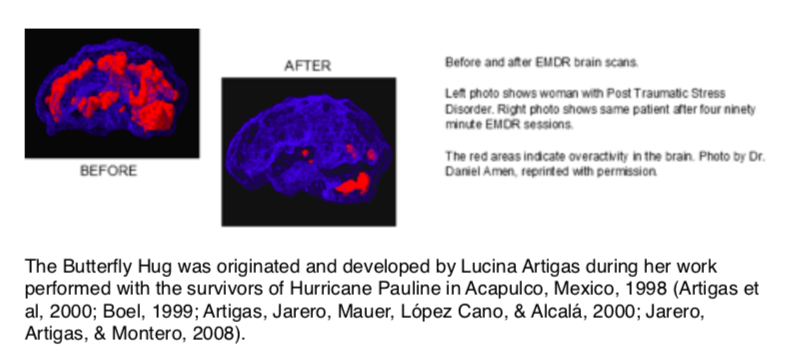
Eye Movement Desensitization and Reprocessing (EMDR) is a one-on-one form of psychotherapy that is designed to reduce trauma-related stress, anxiety, and depression symptoms associated with posttraumatic stress disorder (PTSD) and to improve overall mental health functioning.

Treatment is provided by an EMDR therapist, who first reviews the client’s history and assesses the client’s readiness for EMDR. During the preparation phase, the therapist works with the client to identify a positive memory associated with feelings of safety or calm that can be used if psychological distress associated with the traumatic memory is triggered. This is called the “Safe Place” and will be a baseline for the rest of the trauma work. The target traumatic memory for the treatment session is accessed with attention to image, negative belief, and body sensations.

emdrprocess

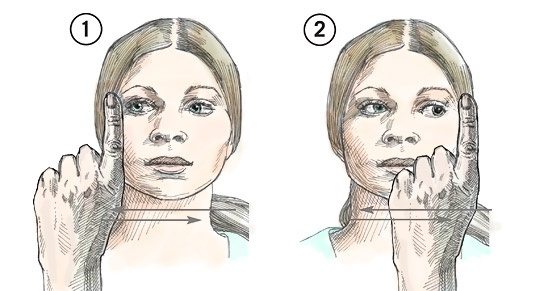
Repetitive 30-second dual-attention exercises are conducted in which the client attends to a motor task while focusing on the target traumatic memory and then on any related negative thoughts, associations, and body sensations. The most common motor task used in EMDR is side-to-side eye movements that follow the therapist’s finger; however, alternating hand tapping or auditory tones delivered through headphones can be used. The exercises are repeated until the client reports no emotional distress.

The EMDR therapist then asks the client to think of a preferred positive belief regarding the incident and to focus on this positive belief while continuing with the exercises. The exercises end when the client reports with confidence comfortable feelings and a positive sense of self when recalling the target trauma. The therapist and client review the client’s progress and discuss scenarios or contexts that might trigger psychological distress. These triggers and positive images for appropriate future action are also targeted and processed.

In addition, the therapist asks the client to keep a journal, noting any material related to the traumatic memory, and to focus on the previously identified positive safe or calm memory whenever psychological distress associated with the traumatic memory is triggered.

emdrmovements

Ronald Huxley can provide you with EMDR therapy that will decrease anxiety, calm overactive brains/nervous system, resolve past trauma. Contact Ron today by clicking the schedule a session today or call at 805-7090-2023.