The Hidden Messages in Your Discomfort: Why Processing Emotions is Your Path to Freedom

You know that feeling—a nagging unease in your stomach, a restlessness you can’t quite name, or a vague sense that something isn’t right even when everything looks fine on the surface. Most of us try to push these feelings away, distract ourselves with work, social media, or other activities. But what if these uncomfortable sensations aren’t problems to be solved, but messengers trying to deliver critical information?

The Weight of Unfinished Emotional Business

That persistent discomfort you’re experiencing might not be a warning about what’s coming—it could be an echo from your past that’s been quietly traveling with you. Unprocessed emotions don’t simply disappear because we ignore them. They settle into our bodies and minds like uninvited houseguests, taking up space and influencing how we move through the world.

Think of these unresolved feelings as unopened letters from earlier versions of yourself. Some contain wisdom and insights that could guide you forward. Others are simply remnants from chapters of your life that have already ended but haven’t been adequately acknowledged or grieved. All of them represent parts of you that are still waiting to be heard and integrated.

These emotional fragments aren’t trying to torture you—they’re signals pointing toward aspects of yourself that haven’t been fully understood or accepted. They’re like a persistent knock at the door from the parts of you that remain unfree, asking for attention and care.

Creating Space for Healing

When you’re ready to stop running from these feelings and start listening to them, the process begins with creating a sense of safety. This means finding physical and emotional spaces where you can turn toward your discomfort rather than away from it. It’s about developing the courage to ask, “What are you trying to tell me?”

This journey often brings up forgotten memories and long-buried emotions. You might suddenly remember moments from childhood that shaped how you see yourself, or realize that specific triggers—anger, sadness, anxiety—have been trying to wake you up to unmet needs or unacknowledged pain.

The healing process isn’t always gentle. It might involve crying for losses you never properly mourned, revisiting difficult memories to offer your younger self the comfort or voice they never had, or simply sitting with emotions you’ve spent years avoiding. But as you move through this process, something remarkable happens: you begin to feel lighter, as if you’re literally releasing weight you didn’t realize you’d been carrying.

Your body, too, holds onto emotional experiences. Physical practices such as exercise, stretching, or allowing yourself to shake or tremble can help release stored tension and trauma. Sometimes the body knows how to let go in ways the mind hasn’t figured out yet.

The goal isn’t to eliminate all discomfort from your life, but to learn how to be present with your feelings as they arise. When you can face what’s wrong without immediately trying to fix or escape it, you begin to uncover parts of yourself that have been buried under layers of personas, beliefs, and protective strategies.

You were never actually lost—just hidden. The discomfort was your authentic self’s way of reminding you that it was still there, waiting to be reclaimed.

Discomfort as Your Growth Partner

Here’s something our culture rarely teaches us: discomfort is often the seed of positive change. Most transformations begin not with a sudden burst of inspiration but with experiences that initially bring uncertainty, fear, and anxiety. This happens because we’re remarkably good at adapting to situations that aren’t quite right for us, often waiting until crisis forces our hand before we make necessary changes.

Your discomfort isn’t punishment—it’s information. It’s your inner wisdom communicating that something needs to shift, that there’s another way forward even if you can’t see it clearly yet. Think of discomfort as a caring friend who’s willing to tell you brutal truths that others might avoid.

Many people resist this messenger, which is why their lives can feel stuck or repetitive. But learning to sit with discomfort, to let it reveal what it needs to show you, is one of the most valuable skills you can develop. Discomfort, like anger, grief, and jealousy, serves a purpose—it’s trying to guide you toward something meaningful.

The Sneaky Ways We Resist Our Own Growth

Even when we intellectually understand that change would benefit us, our minds have clever ways of keeping us stuck. These psychological patterns often operate below conscious awareness, sabotaging our best intentions:

The Comfort of Familiar Discomfort. Strangely, we often unconsciously sabotage ourselves when life gets too good. If you’re used to struggle or chaos, peace and happiness can feel foreign and threatening. Your mind might create problems or find ways to return to familiar levels of stress, even when that familiar state isn’t pleasant. Change—even positive change—feels uncomfortable until it becomes your new normal.

The Limits of Our Imagination. Our minds are remarkably good at solving problems we’ve encountered before, but they struggle to envision genuinely new possibilities. When contemplating change, we often can only imagine variations of what we’ve already experienced. This limitation can lead us to believe that our current options are more limited than they actually are. Real growth requires accepting uncertainty and exploring unknown territory, which can feel deeply unsettling.

Expecting the Worst. Human brains are wired to notice and remember negative experiences more vividly than positive ones. This survival mechanism once kept our ancestors alive, but now often keeps us playing small. We tend to overestimate the likelihood and severity of bad outcomes while underestimating our ability to handle challenges or create positive change. This negativity bias can make staying in uncomfortable but familiar situations seem safer than taking risks toward something better.

The Sunk Cost Trap. Sometimes we remain committed to jobs, relationships, or life paths that aren’t working simply because we’ve already invested a significant amount of time, energy, or money in them. The thought of “wasting” that investment can keep us trapped in situations that no longer serve us, preventing us from pursuing options that might be much more fulfilling.

First Impressions Stick. Our brains tend to give special weight to early experiences and first impressions, making it harder to see new possibilities later. Suppose you learned early in life that you weren’t good at something, or that specific dreams were unrealistic. In that case, these initial conclusions can overshadow evidence to the contrary that emerges as you grow and change.

Temporary Feelings, Permanent Decisions. When we’re going through difficult emotions or challenging periods, it’s easy to assume these temporary states represent permanent realities. A bad week can feel like a prediction of a bad life. A period of sadness can seem like evidence that happiness isn’t possible. Learning to recognize the temporary nature of most emotional states can prevent us from making major life decisions based on passing feelings.

Insight Without Action. Sometimes, we become so caught up in understanding our patterns and having revelations about ourselves that we forget to actually implement the changes. Self-reflection can become its own form of avoidance when we use it to delay the often mundane, repetitive work of building new habits and sticking to healthier choices.

Living More Intentionally

Processing emotions and working through discomfort isn’t about reaching a state where you never feel bad again. It’s about developing the capacity to live more fully in each moment, experiencing your feelings in real-time rather than carrying around emotional baggage from the past or anxiety about the future.

When you can look directly at what’s bothering you—when you can sit with discomfort long enough to understand its message—you begin to access parts of yourself that may have been hidden for years. You discover that beneath all the protective layers you’ve built up, your authentic self has been there all along, waiting to be acknowledged and expressed.

This process isn’t always comfortable, but it leads to something invaluable: the freedom to respond to life from a place of choice rather than reaction, to make decisions based on who you actually are rather than who you think you should be, and to experience the full range of human emotion without being overwhelmed by it.

Your discomfort has been trying to tell you something important. Maybe it’s time to finally listen.

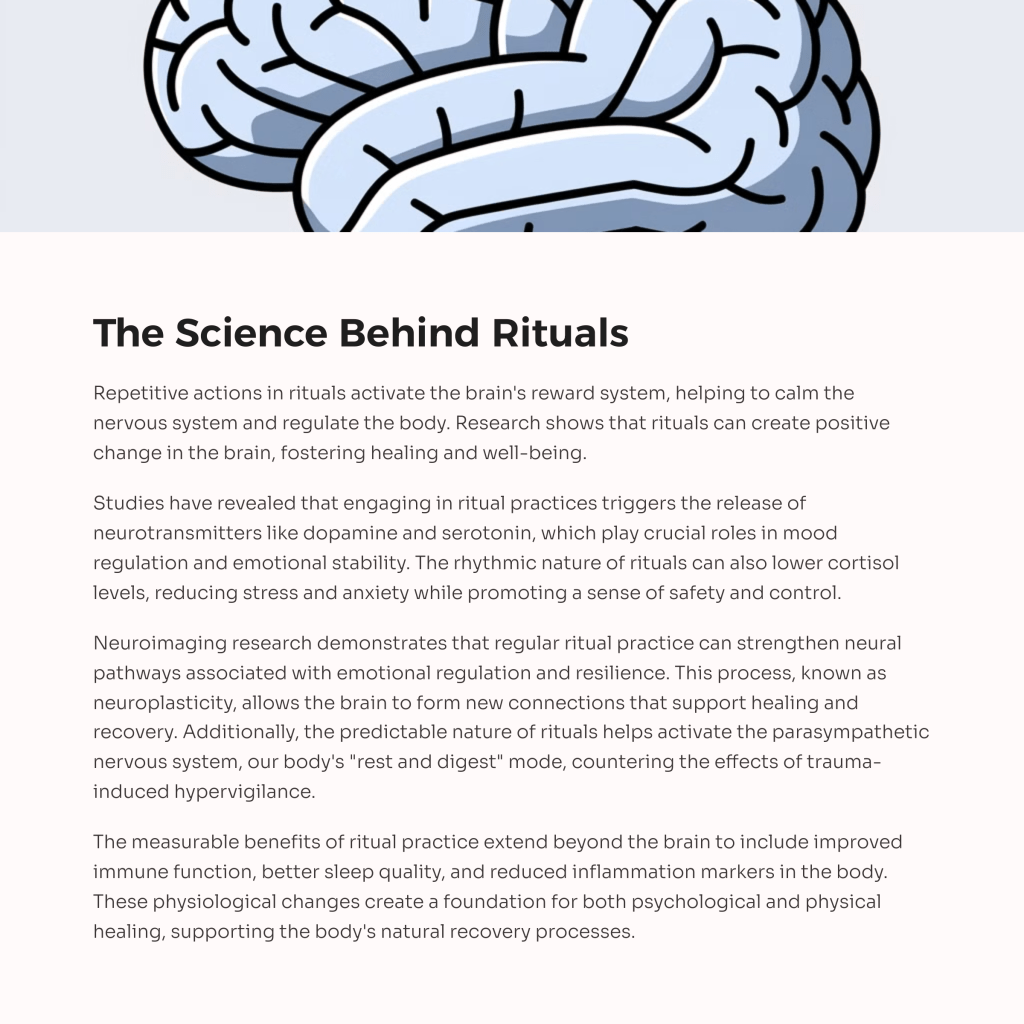
Trauma Recovery: The Healing Power of Rituals

Looking for ways to heal after trauma? Rituals are more than just cultural practices; they’re powerful tools for creating a sense of peace and grounding. Whether it’s a morning meditation, a weekly journaling practice, or a sacred ceremony, rituals can provide structure and meaning during your healing journey.

Safe Space for Healing

Rituals create a protected container for processing emotions and experiences at your own pace.

Connection to Self

Regular practices help rebuild trust in yourself and your body’s wisdom

Restored Sense of Control

Through intentional actions, rituals help reclaim your power and agency

Join us as we explore how ancient wisdom and modern understanding support your healing journey. Whether you’re just starting out or looking to deepen your practice, discover how reclaiming rituals can help you find healing, empowerment, and renewed purpose.

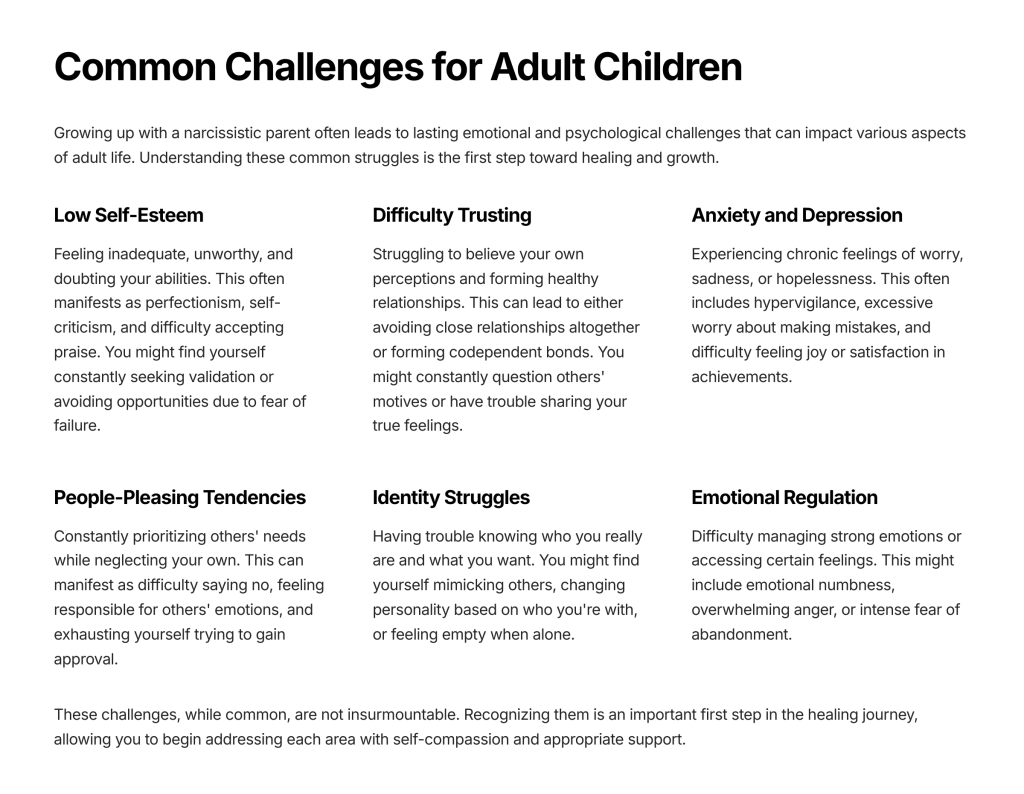
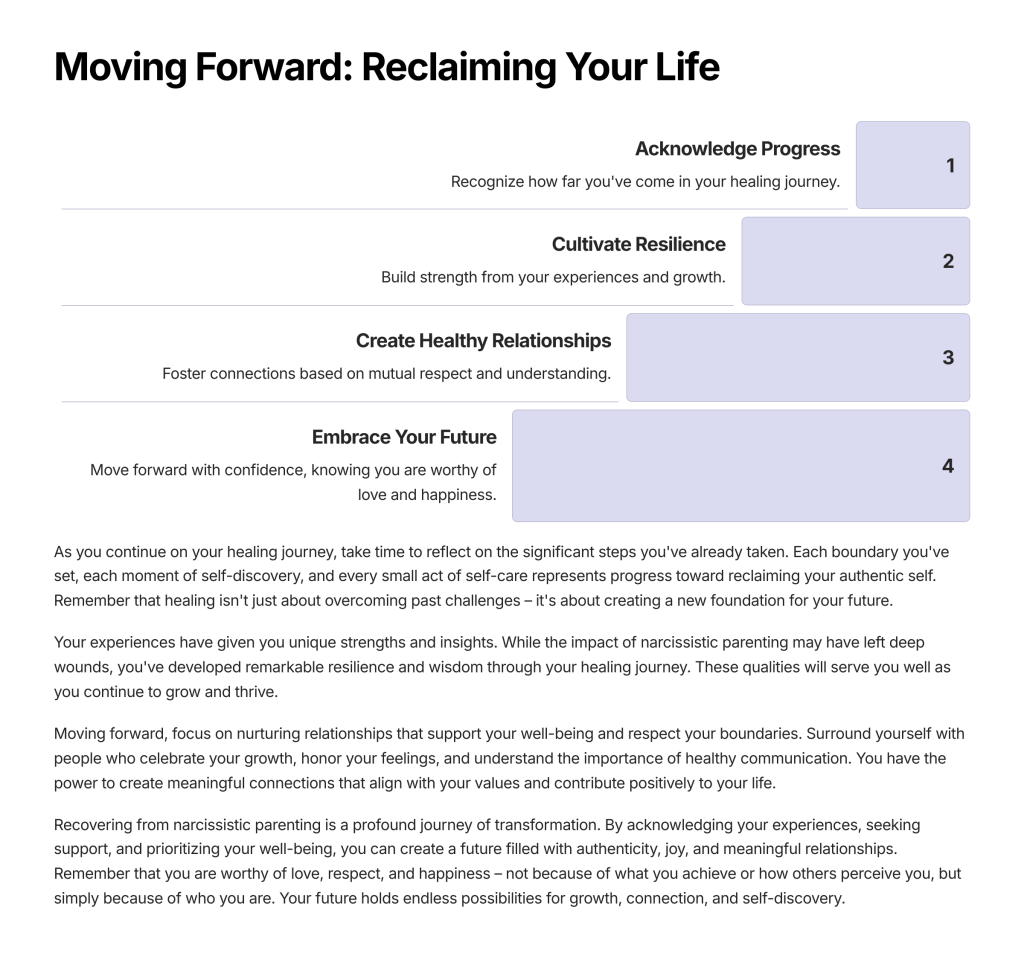
Reclaiming Yourself: A Guide to Recover from Narcisstic Parenting

Growing up with a narcissistic parent can leave deep emotional scars, distorting your sense of self and creating lasting challenges. However, recovery is possible. This guide offers a journey of self-discovery, healing, and reclaiming your authentic self. We’ll explore the impact of narcissistic parenting and common challenges faced by adult children and provide essential steps toward healing and moving forward.

How can an IOP (Intensive Outpatient Program) treat mental health concerns?

Intensive Outpatient Programs (IOPs) have become a crucial component in the treatment of mental health issues for both teens and adults. These programs offer a structured, comprehensive approach to addressing various mental health concerns while allowing participants to maintain their daily routines and responsibilities.

What is an Intensive Outpatient Program?

An IOP is a level of care that falls between traditional outpatient therapy and inpatient treatment. It typically involves:

  • Multiple therapy sessions per week (usually 3-5 days)
  • A combination of individual, group, and family therapy
  • Flexible scheduling options, often including evening sessions
  • Treatment duration of 8-12 weeks on average

Dr. Martha Koo, Chief Medical Officer at Clear Behavioral Health, explains, “Our virtual IOP treatment provides convenient and comprehensive solutions to promote mental health recovery and wellness for those experiencing common mental health symptoms, including depression, anxiety, OCD, PTSD, bipolar disorder or trauma”[4].

Benefits of IOPs for Mental Health Treatment

  1. Structured Support: IOPs offer a higher level of care than weekly therapy sessions, providing consistent support and accountability.
  2. Flexibility: Participants can continue with work, school, or family responsibilities while receiving treatment.
  3. Comprehensive Care: Programs often address multiple aspects of mental health, including underlying issues and co-occurring disorders.
  4. Skill Development: IOPs focus on teaching coping skills and strategies for managing mental health challenges in daily life.
  5. Community and Peer Support: Group therapy sessions allow participants to connect with others facing similar struggles.

Example: Teen in Need of IOP

Sarah, a 16-year-old high school student, has been struggling with depression and anxiety. Her grades have dropped significantly, and she’s withdrawn from her friends and extracurricular activities. Sarah’s parents noticed these changes and sought help from a mental health professional.

The therapist recommended an IOP after assessing Sarah’s condition. The program at Charlie Health offers a solution that allows Sarah to continue attending school while receiving intensive support. “Intensive outpatient programs are best for adolescents and young adults who experience mental health concerns that disrupt their daily lives,” states Charlie Health[1].

Sarah’s IOP includes:

  • Three 3-hour sessions per week after school
  • Individual therapy to address her specific concerns
  • Group therapy to build peer support and social skills
  • Family therapy sessions to improve communication at home
  • Skill-building workshops focused on coping strategies for anxiety and depression

Example: Adult in Need of IOP

John, a 42-year-old marketing executive, has been struggling with work-related stress, which has led to alcohol abuse and symptoms of depression. His job performance has suffered, and his relationship with his family is strained.

After an initial assessment, John’s therapist recommends an IOP that can accommodate his work schedule. The program at Clear Behavioral Health offers a virtual IOP option that suits John’s needs.

John’s IOP includes:

  • Evening sessions three times a week
  • Individual therapy to address his specific concerns
  • Group therapy focusing on stress management and substance abuse
  • Cognitive Behavioral Therapy (CBT) to help change negative thought patterns
  • Mindfulness and relaxation techniques to manage stress

Dr. Koo notes, “We use evidence-based processes such as Cognitive Behavioral Therapy (CBT) and Dialectical Behavioral Therapy (DBT) to help you feel better, faster”[4].

Effectiveness of IOPs

Research has shown that IOPs can be as effective as inpatient treatment for many individuals, particularly those with moderate to severe mental health issues who don’t require 24-hour supervision. The combination of intensive therapy, skill-building, and ongoing support helps participants make significant progress in managing their mental health.

As the Center for Families states, “IOP is appropriate for adolescents who have completed a Partial Hospitalization Program (PHP), residential treatment, or inpatient psychiatric care. For teens who need ongoing care and community to help them stay on the right path, IOP provides more support and structure than teen outpatient services or teen counseling”[3].

In conclusion, Intensive Outpatient Programs offer a valuable middle ground between traditional outpatient therapy and inpatient treatment. By providing structured, comprehensive care while allowing participants to maintain their daily lives, IOPs have become an increasingly popular and effective option for both teens and adults dealing with mental health challenges.

Citations:
[1] https://www.charliehealth.com/post/how-an-intensive-outpatient-program-helped-my-teen
[2] https://www.newportacademy.com/programs/outpatient/
[3] https://www.centerforfamilies.com/programs/intensive-outpatient-program/
[4] https://clearbehavioralhealth.com/programs/virtual-iop/
[5] https://www.sandstonecare.com/intensive-outpatient-program/

Parenting Through the Behavioral Storm: Disruptive Mood Dysregulation Disorder

Disruptive Mood Dysregulation Disorder (DMDD) is a relatively newly recognized mental health disorder that primarily affects children and adolescents. It is characterized by severe and recurrent temper outbursts that are out of proportion to the situation, along with a persistently irritable or angry mood between outbursts. These symptoms must be present for at least 12 months and be severe in at least two settings (e.g., home, school, with peers).

DMDD was introduced in the Diagnostic and Statistical Manual of Mental Disorders, Fifth Edition (DSM-5), which was published in May 2013. It was created to address concerns about overdiagnosis of bipolar disorder in children and to provide a more accurate diagnosis for children who exhibit chronic irritability and temper outbursts without meeting the criteria for bipolar disorder.

DMDD is seen as a way to better classify and treat children with severe irritability and temper outbursts, helping to differentiate them from those with bipolar disorder or oppositional defiant disorder. It’s important to note that DMDD is a relatively new diagnosis and research into its causes and treatment is ongoing.

Treatment for children with Disruptive Mood Dysregulation Disorder (DMDD) typically involves a combination of therapeutic interventions and, in some cases, medication management. Here are some common treatment options:

  1. Psychotherapy: Various forms of psychotherapy can be beneficial for children with DMDD:
  • Cognitive Behavioral Therapy (CBT): Helps children learn to identify and challenge negative thought patterns and develop coping strategies to manage their emotions and behavior.
  • Parent Management Training (PMT): Teaches parents effective techniques for managing their child’s behavior, setting appropriate limits, and providing positive reinforcement.
  • Family Therapy: Addresses family dynamics and communication patterns, improves conflict resolution skills, and fosters a supportive environment for the child.
  1. Social Skills Training: Helps children develop interpersonal skills, such as problem-solving, conflict resolution, empathy, and communication skills, which can improve their relationships with peers and family members.
  2. Medication: In some cases, medication may be prescribed to manage specific symptoms associated with DMDD or co-occurring conditions:
  • Antidepressants: Selective serotonin reuptake inhibitors (SSRIs) or other antidepressants may be prescribed to alleviate symptoms of depression or anxiety.
  • Mood Stabilizers: In cases where mood swings are severe or resemble bipolar disorder, mood stabilizers such as lithium or atypical antipsychotics may be considered.
  1. Parent Education and Support: Providing parents with education about DMDD, guidance on effective parenting strategies, and support in managing their child’s behavior can be crucial in improving family functioning and reducing stress.
  2. School Interventions: Collaboration with teachers and school staff to implement behavior management strategies, accommodations, and supports can help address academic and social difficulties and create a more supportive learning environment for the child.
  3. Stress Management Techniques: Teaching the child relaxation techniques, such as deep breathing exercises, mindfulness, or progressive muscle relaxation, can help them regulate their emotions and reduce stress levels.

Treatment plans should be individualized to meet the specific needs of each child and may involve a multidisciplinary approach involving mental health professionals, educators, and medical providers. Regular monitoring and adjustment of treatment strategies based on the child’s progress are also important for optimal outcomes.

Here are some books and resources that provide information and support specifically on Disruptive Mood Dysregulation Disorder (DMDD):

  1. “The Explosive Child: A New Approach for Understanding and Parenting Easily Frustrated, Chronically Inflexible Children” by Ross W. Greene – While not exclusively focused on DMDD, this book offers valuable insights and strategies for parenting children with explosive behaviors, including those with DMDD.
  2. “Your Defiant Child, Second Edition: Eight Steps to Better Behavior” by Russell A. Barkley and Christine M. Benton – This book provides practical guidance for parents dealing with challenging behaviors in children, including those with DMDD or oppositional defiant disorder (ODD).
  3. “Parenting Your Child with Autism: Practical Solutions, Strategies, and Advice for Helping Your Family” by Anjali Sastry and Blaise Aguirre – Although targeted towards parents of children with autism, this book offers strategies for managing challenging behaviors that may apply to children with DMDD.
  4. “Managing the Meltdown: A Parent’s Guide to The Disruptive Mood Dysregulation Disorder” by Naomi Henderson – This book specifically focuses on DMDD and offers guidance for parents on understanding the disorder, managing meltdowns, and supporting their child’s emotional well-being.
  5. “Raising An Emotionally Intelligent Child: The Heart of Parenting” by John Gottman – While not specifically about DMDD, this book provides insights into fostering emotional intelligence in children, which can be beneficial for parents navigating the challenges of DMDD.
  6. “Parenting Children with ADHD: 10 Lessons That Medicine Cannot Teach” by Vincent J. Monastra – While ADHD and DMDD are distinct disorders, they can share some overlapping symptoms and challenges. This book provides practical advice for parents dealing with behavioral issues in children, including those with DMDD.
  7. “The Highly Sensitive Child: Helping Our Children Thrive When the World Overwhelms Them” by Elaine N. Aron – While not directly related to DMDD, this book offers insights into understanding and supporting highly sensitive children, which may be relevant for parents of children with DMDD who are easily overwhelmed by emotions.

These resources can provide valuable information and support for parents seeking to better understand and manage DMDD in their children. It’s important to consult with mental health professionals for personalized guidance and treatment recommendations tailored to the individual needs of the child and family.

Confronting Our Mortality


Reflecting on our own mortality is a profound and deeply personal experience that often prompts us to confront our fears and anxieties about death. This introspective journey can be triggered by significant life events or milestone ages, leading us to contemplate the transient nature of life and the inevitability of our own mortality. In this article, we will delve into the complexities of reflecting on mortality and navigating the fear of death, offering insights and strategies for managing these existential concerns.

The Weight of Mortality:

Reflecting on our mortality can be a confronting experience, causing us to reevaluate our priorities and the way we live our lives. It can serve as a poignant reminder of the fleeting nature of time and the importance of cherishing each moment. However, this contemplation can also stir up existential anxiety and evoke a deep sense of unease about the unknown.

Confronting the Fear of Death:

The fear of death is a universal human experience, rooted in our instinct for self-preservation and the unknown that lies beyond life. This fear can manifest in various ways, from subtle unease to overwhelming existential dread. It may be triggered by personal experiences, cultural influences, or simply the contemplation of life’s impermanence.

Coping Strategies:

Seeking Support: Encourage individuals to reach out to mental health professionals, counselors, or trusted individuals to discuss their fears and anxieties surrounding death. Seeking support can provide a safe space for expression and offer valuable tools for managing overwhelming emotions.

Mindfulness and Meditation: Engaging in mindfulness practices and meditation can help individuals cultivate a sense of peace and acceptance, allowing them to confront their fears with a clearer mindset.

Exploring Existentialism: Encouraging individuals to explore philosophical and existential concepts can provide valuable insights into the nature of life, death, and the human experience. Engaging with existential literature and thought may help individuals find meaning and purpose amid their reflections on mortality.

Embracing Life Amidst Mortality:

While reflecting on mortality and confronting the fear of death can be a daunting journey, it also presents an opportunity for profound introspection and personal growth. By acknowledging our mortality, we can cultivate a deeper appreciation for life, cherish our relationships, and seek fulfillment in meaningful experiences.

Reflecting on our mortality and grappling with the fear of death are deeply human experiences that warrant compassion and understanding. By engaging in open conversations, seeking support, and exploring coping strategies, individuals can navigate these existential concerns with resilience and introspection. Embracing life’s transient nature while acknowledging our fears can lead to a profound sense of acceptance and a renewed appreciation for the beauty of existence.

CONTACT RON:

  • Reach out to schedule an individual session for personalized support.
  • Explore comprehensive courses on mental health at FamilyHealer.tv.
  • Inquire about scheduling a seminar for your organization to promote mental well-being. Send an email to Rehuxley@gmail.com

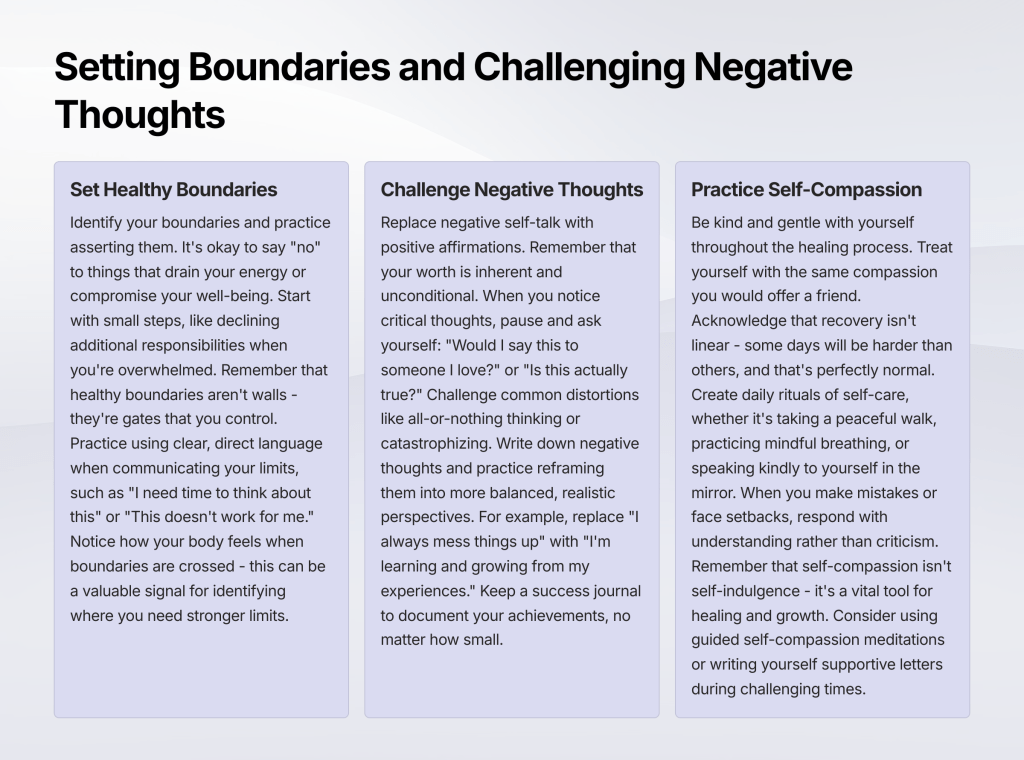
“How to Challenge Negative Thinking: Your Guide to a Positive Mindset”


Do you ever find yourself caught in a loop of negative thoughts that seem to take over your day? It happens to the best of us! The good news is there are ways to tackle these thoughts head-on and turn them into something more positive. Let’s dive into some simple steps you can take to challenge those pesky negative thoughts and bring more positivity into your life.

Identifying the Negative Thoughts

First things first: identify the thought that’s bringing you down. It could be about yourself, a situation, or even your future. Take a moment to pinpoint precisely what it is.

Checking the Evidence

Now, let’s play detective! Look for evidence that supports and contradicts this negative thought. Is it based on actual facts, or is it just a sneaky assumption?

Giving it a Reality Check

Time to get real! How likely is it that this thought is absolute, 100% true? Are there other ways to look at the situation that might be more accurate?

Understanding the Impact

Negative thoughts have power—they can affect your mood and actions. Consider how holding onto this thought is influencing your day-to-day life.

Seeing from Different Perspectives

Have you ever thought about how a friend might view the same situation? What advice would you give to them? Sometimes, a change in perspective can work wonders.

Putting it in the Bigger Picture

Zoom out a bit. Does this thought really matter in the grand scheme of things? Will it still bother you a week from now?

Finding the Middle Ground

Are you thinking in extremes? Maybe there’s a more balanced way to see things. Let’s find that middle ground!

Crafting a Positive Alternative

Time to reframe that negative thought! What would a more positive, realistic thought look like in this situation?

Testing Assumptions

Take a step back and examine the assumptions behind your negative thoughts. Are they valid? What if you consider the complete opposite?

Learning and Growing

Think back to similar situations in the past. What did you learn from them? Sometimes, experience is the best teacher.

Being Kind to Yourself

Lastly, treat yourself with kindness. How would you comfort a friend feeling this way? Offer yourself the same compassion.


Remember, challenging negative thoughts takes practice. Start small and be patient with yourself. Over time, you’ll become a pro at turning those negatives into positives. Keep this guide handy for those moments when those pesky thoughts try to sneak back in. You’ve got this!

Numb and Shutdown: How to Revive Your Motivation


How often do you experience periods of low motivation and emotional shutdown?

  • [ ] Rarely
  • [ ] Occasionally
  • [ ] Frequently
  • [ ] Almost constantly

Life is a rollercoaster of emotions, but what happens when the ride suddenly comes to a screeching halt? You find yourself stuck in a cycle of lackluster motivation, feeling as though you’re trudging through molasses, and emotionally shut down. Don’t worry, you’re not alone in this journey. In this article, we’ll delve into the world of Cognitive Behavioral Therapy (CBT) and uncover strategies to rekindle your inner fire, leaving you energized and ready to conquer life’s challenges.

Feeling Numb and Shut Down

It’s like life hit the snooze button, and you’re stuck in a gray haze of “meh.” According to a recent study, a whopping 70% of people experience periods of low motivation and emotional numbness at some point in their lives. But fear not, because CBT is here to save the day.

Cognitive Behavioral Therapy: A Breath of Fresh Air?

Imagine CBT as a tailor-made mental gym, sculpting your mind into a lean, mean motivation machine. First, we identify those pesky automatic thoughts that fuel your sluggishness. As renowned author Mark Twain once quipped, “The secret of getting ahead is getting started.” Challenge those negative thoughts and watch your motivation gauge inch upward. Find a therapist today that can help you get over your slump that uses Cognitive Behavioral Therapy tools.

Here are some DIY tools you can also use for a revived mood:

The Power of Gratitude and Positive Vibes

Albert Einstein once said, “In the middle of every difficulty lies opportunity.” Combat emotional shutdown by nurturing a gratitude garden. Regularly jot down things you’re grateful for. It’s like watering the flowers of your mind. The more you nurture positivity, the more your emotional landscape will flourish.

Embrace Your Values

To quote Dr. Seuss, “Today you are you, that is truer than true. There is no one alive who is youer than you.” Channel your unique self and connect with your core values. Research shows that individuals who align their actions with their values are more motivated and resilient. It’s time to march to the beat of your own drum.

The Art of Small Wins

Haven’t you heard? It’s the era of micro-victories! Research reveals that breaking down goals into bite-sized chunks can boost motivation. Think of it as your own personal “Quest for the Holy Grail.” Celebrate each small victory like a knight slaying dragons, and watch your motivation armor gleam.

The Grand Finale: The Quiz of Motivation

Before you go, we’ve got a treat for you! Take our interactive quiz to gauge your current motivation levels. Are you a Motivation Maverick or a Potential Powerhouse? Use the quiz below to assess your ML (motivation levels).

(Quiz)
What’s your Motivation Quotient?
Answer the following questions to find out:

  1. On a scale of 1 to 10, how motivated do you feel right now?
  • [ ] 1 – Not at all
  • [ ] 5 – Neutral
  • [ ] 10 – Supercharged!
  1. Which activity excites you the most?
  • [ ] Reading a book
  • [ ] Going for a hike
  • [ ] Trying a new recipe
  • [ ] Binge-watching your favorite show
  1. What’s your go-to remedy for a bad day?
  • [ ] A bubble bath and a book
  • [ ] A workout session
  • [ ] Indulging in comfort food
  • [ ] A movie marathon
  1. How often do you find yourself procrastinating?
  • [ ] Rarely
  • [ ] Occasionally
  • [ ] Frequently
  • [ ] All the time

Results:

  • Mostly 1s: Motivation Explorer
  • Mostly 2s: Motivation Trailblazer
  • Mostly 3s: Motivation Dynamo
  • Mostly 4s: Motivation Connoisseur

Creating Positive Moods in Your Children

As parents, one of our most important tasks is to help our children navigate the colorful landscape of emotions. From giggles of joy to moments of frustration, children experience a wide range of moods as they grow and learn. Understanding the factors influencing their mood and equipping ourselves with practical strategies can play a significant role in nurturing their emotional well-being.

The Mood Spectrum

Just like adults, children experience a spectrum of moods. Happiness, sadness, anger, excitement, and everything in between contribute to their emotional world. Remembering that all emotions are valid and serve a purpose in our children’s lives is crucial. By acknowledging and validating their feelings, we create a safe space for them to explore and express their emotions.

Factors Influencing Mood

Several factors can influence a child’s mood, including:

  1. Sleep: Adequate sleep is essential for emotional well-being. Children who consistently get enough sleep tend to be more balanced and cheerful.
  2. Nutrition: A balanced diet rich in nutrients supports physical and emotional health.
  3. Physical Activity: Regular exercise helps release endorphins, promoting positive emotions and reducing stress.
  4. Social Interactions: Healthy relationships with family, friends, and peers contribute to positive mood development.
  5. Environment: A safe, nurturing environment at home and school set the tone for emotional well-being.
  6. Stress Management: Equipping children with coping mechanisms to deal with stressors can prevent negative moods from escalating.

Creating Positive Moods

As parents, we have the power to foster positive moods in our children:

  1. Open Communication: Encourage your child to talk about their feelings. Create a judgment-free space where they feel comfortable sharing their emotional experiences.
  2. Model Emotional Regulation: Children learn by observing. Demonstrate healthy ways of managing emotions, such as taking deep breaths or calming activities.
  3. Validate Feelings: Let your child know their feelings are understood and accepted. Avoid dismissing or belittling their emotions.
  4. Create a Routine: Consistency provides stability, which can positively impact mood. Establish a daily routine with ample sleep, play, and relaxation time.
  5. Encourage Play and Creativity: Play is a natural way for children to express their emotions and work through challenges. Encourage creative outlets like drawing, painting, and imaginative play.
  6. Promote Healthy Lifestyle Choices: Encourage nutritious eating, physical activity, and adequate sleep to support their overall well-being.
  7. Empower Problem-Solving: Teach your child problem-solving skills to handle challenges constructively, boosting their confidence and reducing frustration.
  8. Practice Mindfulness Together: Introduce simple mindfulness exercises like deep breathing or guided imagery to help your child manage strong emotions.

Nurturing positive moods in children is a journey that requires patience, understanding, and an unwavering commitment to their emotional well-being. By recognizing the factors influencing their moods and implementing strategies promoting positivity, parents can play an instrumental role in shaping their children’s emotional landscapes. Through open communication, validation, and a nurturing environment, parents can help their children navigate emotions with confidence and resilience.

The 1-Minute Cure for Distressing Emotions

If you have ever felt that there isn’t enough time to manage your emotional and mental health or you get stuck in the same distressing place repeatedly, here are some quick 1-minute self-soothing activities to find some breakthrough.

These activities come from a therapeutic practice called Dialectical Behavior Therapy or DBT. DBT is all about helping you manage your emotions and build better relationships. It’s like having a toolkit with practical skills to handle tricky situations and care for yourself. Imagine you’re facing distressing emotions or struggling with intense mood swings. It teaches you how to recognize and understand your emotions so they don’t feel like a wild rollercoaster ride you have no control over.

One of the strengths of DBT is mindfulness. It’s all about being present at the moment, fully aware of what’s happening inside and around you. It’s like pressing the pause button on your busy thoughts and taking a breather. By practicing mindfulness, you can find some calmness in the chaos.

DBT also shines a light on something called interpersonal effectiveness. It’s like giving you a secret handbook on communicating better, setting boundaries, and building healthy relationships. You’ll learn to express your needs, listen to others, and find that sweet spot where everyone feels heard and respected.

Now, let’s not forget about distress tolerance. Life can throw some curveballs your way, right? DBT helps you develop strategies to handle those challenging moments without worsening things. It’s like having a shield that protects you from getting overwhelmed when things don’t go as planned.

DBT also tackles unhelpful thoughts and beliefs. It helps you challenge negative self-talk and find more balanced perspectives. It’s like rewiring your brain to think more positively and realistically. You’ll discover that you can do amazing things and that setbacks don’t define you.

Ultimately, the goal of DBT is to help you create “a life worth living.” It’s about finding balance, cultivating self-acceptance, and building a solid foundation for your well-being. With DBT, you’ll have the tools and support to tackle life’s challenges head-on and create a brighter future.

Here’s a list of 25 different 1-minute self-soothing activities to regulate your emotions:

  1. Take three deep breaths, focusing on the sensation of the air entering and leaving your body.
  2. Squeeze a stress ball or a soft object in your hand.
  3. Repeat a positive affirmation or mantra to yourself.
  4. Close your eyes and visualize a calm and peaceful place.
  5. Listen to a calming or instrumental piece of music.
  6. Stretch your body and release tension.
  7. Take a quick walk around the room or step outside for fresh air.
  8. Massage your temples or gently rub your hands together for a few seconds.
  9. Write down three things you are grateful for in a gratitude journal.
  10. Drink a small glass of water mindfully, focusing on the sensation of each sip.
  11. Look out the window and notice five things in your surroundings.
  12. Count backward from 10 to 1, allowing yourself to relax with each number.
  13. Hold and stroke a soft fabric or a favorite plush toy.
  14. Repeat a calming word or phrase silently to yourself.
  15. Do a quick body scan, noticing any areas of tension and consciously releasing them.
  16. Hum a soothing tune or sing a calming song to yourself.
  17. Use a scented hand lotion and focus on the fragrance as you rub it into your hands.
  18. Take a mindful pause and observe your thoughts without judgment.
  19. Apply gentle pressure to your temples with your fingertips and massage in circular motions.
  20. Use a stress-relief app or listen to a guided meditation for one minute.
  21. Look at a photo or image that brings you joy and smile at the associated memory.
  22. Do a quick yoga or stretching pose, such as a standing forward bend or a shoulder roll.
  23. Repeat “I am calm and in control” silently or aloud.
  24. Hug yourself tightly for a few seconds, providing comfort and warmth.
  25. Practice a simple gratitude exercise by listing three things you appreciate about yourself.

Remember, these self-soothing activities provide quick relief and promote relaxation in just one minute. Feel free to customize the list based on your preferences and experiment with different techniques to find what works best.

Get a complete list of DBT Regulation Skills by clicking here!

Let Ron Huxley help you today with your emotional regulation and mood. Click here to schedule an appointment.