The Blame Game: Is It Destroying Your Relationships?
The blame and shame game will destroy your relationships. You can break free from toxic interactions and find a new way to interact that builds trust and intimacy.

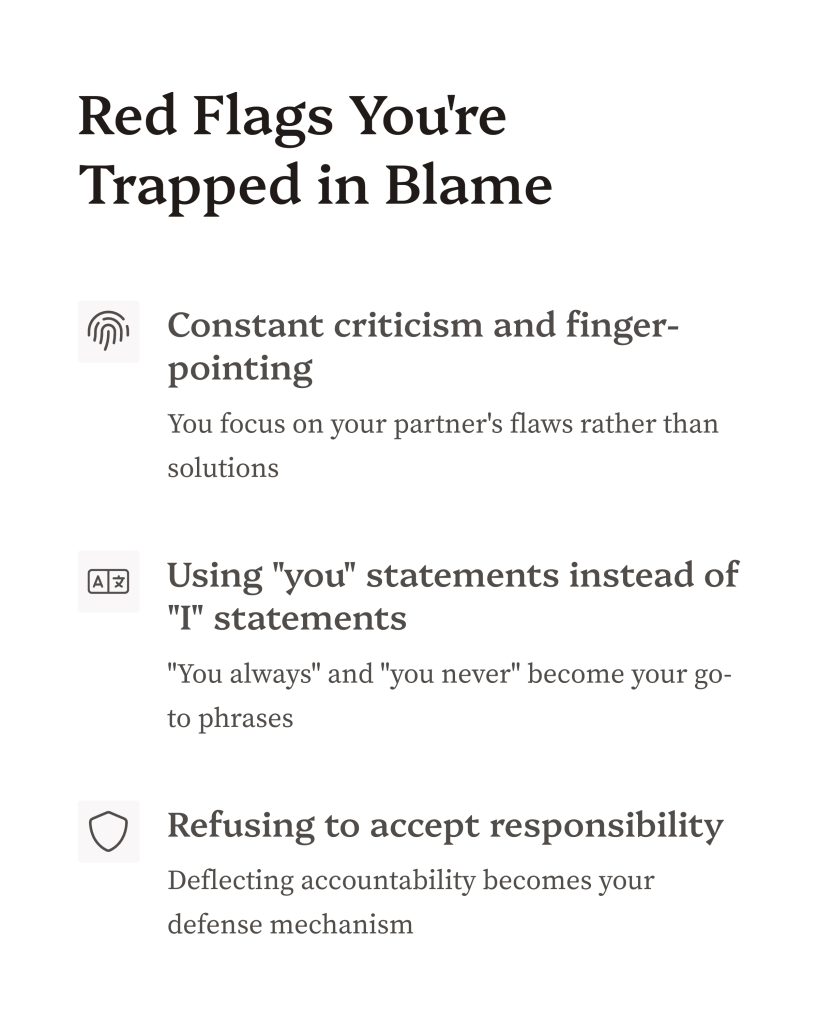


The blame and shame game will destroy your relationships. You can break free from toxic interactions and find a new way to interact that builds trust and intimacy.
As a parent caught in the cycle of endless court battles over co-parenting issues, you’re likely feeling frustrated, drained, and at your wit’s end. If you’re nodding in agreement, you’re not alone. Many parents find themselves trapped in this exhausting loop, wondering if there’s a way out. The good news is, there are alternatives to the constant legal tug-of-war. Let’s explore some strategies to help you break free and find more constructive ways to co-parent effectively.
Dr. Jennifer Jill Harman, a social psychologist specializing in family dynamics, puts it bluntly: “High-conflict custody disputes are often characterized by a toxic mix of hostility, distrust, and poor communication between parents. This adversarial atmosphere can be detrimental to children’s well-being”.
Constant court battles can be emotionally and financially draining, not just for parents but also for children. Courts generally prefer that parents work out their differences without judicial intervention. Recognizing this can be a powerful motivator to find alternative solutions.
If current court orders are ineffective or unsuitable, consider petitioning for modifications. Ensure your proposed changes are reasonable and supported by evidence demonstrating their necessity. Family law attorney Lisa Zeiderman emphasizes: “Courts are increasingly recognizing the harm caused by parental alienation and are more willing to take decisive action to protect the child’s relationship with both parents”.
Remember, effective co-parenting is about putting your child’s needs first. By working together, you can create a more stable and positive environment for your child, reducing stress for everyone involved.
As Dr. Joan Kelly, a clinical psychologist, emphasizes: “Parents who maintain a cooperative, child-centered stance, even in the face of high conflict, often see better outcomes for their children in the long run”.
By implementing these strategies and maintaining a child-focused approach, you can work towards breaking the cycle of constant court appearances and focus on what truly matters – your child’s well-being. It may not be easy, but with persistence and the right tools, you can navigate the co-parenting maze and find a path to more peaceful resolution.
When life feels complicated, and challenges seem insurmountable, it’s easy to fall into negative thinking and self-criticism patterns. However, adopting the “Doing The Best I Can” mindset can be a powerful reframe to combat these feelings and foster self-compassion. Here’s how this simple phrase can transform your perspective:
“Doing The Best I Can” recognizes that you’re putting forth effort, even when outcomes aren’t perfect. This acknowledgment is crucial because:
This reframe helps you accept that perfection is unattainable. Instead of berating yourself for falling short of impossible standards, you can:
By telling yourself you’re doing your best, you’re practicing self-compassion. This approach:
“Doing The Best I Can” takes into account your current circumstances. It acknowledges that:
This reframe encourages a growth mindset by:
To incorporate this reframe into your daily life:
Remember, “Doing The Best I Can” doesn’t mean settling for less or making excuses. Instead, it’s about recognizing your efforts, accepting your limitations, and maintaining a compassionate attitude toward yourself as you navigate life’s complexities.
By adopting this reframe, you can reduce feelings of overwhelm, combat negative thinking, and approach challenges with a more balanced and kind perspective. It’s a simple yet powerful tool for fostering resilience and maintaining emotional well-being in life’s inevitable ups and downs.
Parenting is one of the most rewarding yet challenging roles you can take on. As parents, we often find ourselves navigating a maze of emotions, expectations, and responsibilities. It’s essential to take a step back and show on our parenting practices. This helps us become the best version of ourselves for our children. Here are 15 thought-provoking questions. They are designed to help you unlock your parenting potential. They will foster a nurturing environment for your family.
Understanding your values can guide your decisions and actions. Reflect on what principles are most important to you. Principles may include respect, honesty, or kindness. Consider how you can instill these in your children.
Consider how you react when your child expresses feelings like anger, sadness, or frustration. Are you supportive and understanding, or do you dismiss their emotions? Your response shapes their emotional intelligence.
Every child is different. Take time to observe and appreciate what makes your child special. Think about how you can nurture their strengths. Support them through their challenges.
Your emotional state affects your parenting. Reflect on your coping mechanisms and consider healthier strategies to manage stress, ensuring you model resilience for your child.
Evaluate whether your expectations align with your child’s age and developmental stage. Unrealistic expectations can lead to disappointment for both you and your child.
Consider the effectiveness of your communication style. Are you actively listening? Do you encourage open dialogue? Effective communication fosters trust and strengthens your relationship.
Family routines and traditions create a sense of belonging and stability. Reflect on what practices you cherish and how they contribute to your family’s identity.
Discipline is essential, but it should be balanced with love and understanding. Reflect on your disciplinary methods and consider how they can promote learning rather than fear.
In today’s digital age, it’s crucial to assess how technology impacts your family dynamics. Reflect on screen time limits, online safety, and how technology can be used positively.
Fostering independence helps children build confidence and decision-making skills. Reflect on how you can provide opportunities for your child to take on responsibilities appropriate for their age.
Consider the ways you show love to your child. Are you verbal in your affirmations, or do you express love through actions? Consistent affection strengthens your bond.
Take time to discover what excites your child. Supporting their interests not only nurtures their talents but also strengthens your connection.
Involving your child in age-appropriate decisions fosters a sense of ownership and responsibility. Reflect on how you can include them in discussions about family activities or rules.
Setting specific, achievable goals can help you focus your efforts. Think about what you’d like to do as a parent in the coming year. It can be improving communication. It can also be spending more quality time together.
Self-care is vital for effective parenting. Reflect on how you prioritize your well-being. Consider ways to carve out time for yourself. This ensures you have the energy and patience to support your child.
Trust is the bedrock of any healthy relationship but can be fragile and easily damaged. Couples may find their trust eroding for various reasons, ranging from major betrayals like infidelity to more subtle issues such as repeated broken promises, lack of emotional support, or poor communication. Financial dishonesty, addiction problems, constant criticism, and neglecting the relationship can also contribute to a breakdown of trust. Sometimes, unresolved past traumas or personal insecurities can manifest as jealousy or possessiveness, further straining the bond between partners.
When trust is broken, rebuilding can seem daunting, but it’s far from impossible. Couples in this challenging situation can take heart in knowing there are effective strategies to repair their relationship and restore trust. By employing a combination of open communication, commitment to change, and willingness to forgive, partners can begin the journey of healing. The following twelve tools offer a comprehensive approach to relationship repair, addressing various aspects of trust-building and emotional reconnection. When applied consistently and with genuine effort from both parties, these strategies can help couples navigate the difficult terrain of rebuilding trust and emerge with a stronger, more resilient relationship.
Here are some key strategies that can help a couple rebuild trust after past trauma:
By implementing these strategies and committing to the process, couples can work towards rebuilding trust and creating a stronger, more resilient relationship after past trauma.
Citations:
[1] https://www.verywellmind.com/rebuild-trust-in-your-marriage-2300999
[2] https://www.gottman.com/blog/reviving-trust-after-an-affair/
[3] https://lanaisaacson.com/how-to-build-rebuild-trust-and-heal-from-betrayal/
[4] https://www.choosingtherapy.com/how-to-rebuild-trust/
[5] https://www.healthline.com/health/how-to-rebuild-trust
Take a free course on rebuilding relationships at FamilyHealer.tv. Contact Ron today if you want to schedule an online session for one-on-one healing skills; go to RonHuxley.com to set up a time and day…
When dealing with people who refuse to change, it’s important to accept that you cannot force them to change, but you can control your own reactions and boundaries. Here are some suggestions based on the search results:
Focus on what you can control. You cannot change others, only yourself. Recognize that their resistance to change is not about you, but their own fears, habits or mindset. Ask yourself if this is truly your problem to solve or theirs.[3]
Communicate clearly and compassionately. Express how their behavior impacts you using “I” statements, without criticism or judgment.[1][4] Listen to understand their perspective. Brainstorm solutions together if they are open to it.[4]
Set boundaries. If their behavior is unacceptable, calmly explain your boundaries and the consequences if they continue, such as limiting contact.[1][4] Follow through consistently.
Give them space. Avoid nagging, passive aggression or controlling language.[1] Pressuring someone often backfires. Allow them time and space to consider change at their own pace.[4]
Focus on your relationship. Compliment positive traits, spend quality time together, and look for areas you both can grow.[1] A strong bond can sometimes motivate change more than criticism.
Know when to disengage. If they remain unwilling to change hurtful patterns after you’ve communicated needs and boundaries, you may need to accept them as they are or re-evaluate the relationship.[3][5]
Prioritize your wellbeing. Don’t sacrifice your own mental health trying to change someone unwilling. Seek support, set firm boundaries, and detach with love if needed.[5][1]
The key is balancing compassion for their journey with prioritizing your own peace of mind. Change is an inside job – you can inspire but not force it upon others.[3][5]
Citations:
[1] https://www.wikihow.com/Deal-With-Loved-Ones-Who-Refuse-to-Change
[2] https://hbr.org/2001/11/the-real-reason-people-wont-change
[3] https://psychcentral.com/blog/imperfect/2018/04/stop-trying-to-change-people-who-dont-want-to-change
[4] https://www.verywellmind.com/when-your-spouse-doesnt-want-change-2302197
[5] https://tinybuddha.com/blog/what-to-do-when-people-dont-want-to-change/
Strong personalities can present challenges in our interactions, particularly when they exhibit controlling behaviors that can impact our mental well-being. Recognizing signs of control and implementing coping strategies are essential for maintaining healthy relationships and boundaries.
By recognizing signs of control, setting boundaries, practicing effective communication, and seeking support when needed, you can manage interactions with controlling personalities to protect your well-being and foster healthier relationships. Remember, your mental health is essential, and prioritizing self-care in challenging situations is key to maintaining balance and resilience.
Family, the cornerstone of our lives, is a haven where love, support, and understanding ideally flourish. However, just like any relationship, familial bonds can encounter strife, conflicts, and misunderstandings that can strain these connections. In these moments, the concept of reconciliation emerges as a powerful force, offering a path toward healing and restoring harmony within family dynamics. Let’s delve into what reconciliation truly means in the context of family relationships, what it doesn’t entail, and why its presence is profoundly important.
1. Healing and Understanding: Reconciliation within families involves acknowledging past hurts and grievances, fostering empathy, and striving to comprehend each other’s perspectives. It’s a process that opens the door to healing wounds and rebuilding trust.
2. Communication and Empathy: It’s about engaging in open, honest conversations, actively listening, and empathizing with each other’s feelings, creating space for understanding and empathy to flourish.
3. Forgiveness and Moving Forward: Reconciliation isn’t just about saying sorry; it’s about genuinely understanding the impact of actions, seeking forgiveness, and committing to positive change, allowing for growth and progress within relationships.
4. Building Stronger Bonds: Through reconciliation, families have an opportunity to emerge stronger. It’s an avenue to deepen connections, reinforce values, and fortify the foundation upon which family unity rests.
5. Respecting Differences: It’s about acknowledging and respecting each member’s individuality and differences, fostering an environment where diverse opinions are valued and accepted.
1. Ignoring Issues: It’s not about sweeping problems under the rug. Reconciliation involves addressing underlying issues rather than ignoring or avoiding them, even if uncomfortable.
2. Assigning Blame: It’s not a blame game. Rather than focusing on who’s at fault, reconciliation aims to find solutions and mend relationships, shifting the focus towards resolution and growth.
3. Instantaneous Fix: Reconciliation isn’t a quick-fix solution. It’s a gradual process that requires patience, commitment, and continuous effort from all involved parties.
4. Erasing the Past: It doesn’t erase the history of conflicts. Instead, it acknowledges past grievances while working towards a future that is not dictated by them.
5. One-Sided Effort: Successful reconciliation requires mutual effort and willingness from all family members. It cannot be solely the responsibility of one party.
1. Nurturing Emotional Well-being: Reconciliation contributes significantly to the emotional health of family members. It creates an environment where individuals feel valued, understood, and supported.
2. Strengthening Family Bonds: It reinforces the sense of belonging and togetherness within the family unit, fostering stronger connections that withstand challenges.
3. Teaching Valuable Lessons: Through the process of reconciliation, family members learn empathy, forgiveness, and the importance of communication, serving as crucial life lessons.
4. Promoting Growth and Understanding: It encourages personal growth and understanding of differing perspectives, promoting a more tolerant and compassionate family dynamic.
5. Securing a Positive Future: Reconciliation paves the way for a future where conflicts are addressed promptly, fostering a more harmonious and loving environment for generations to come.
In essence, reconciliation in family relationships is a transformative journey. It’s a commitment to understanding, empathy, and growth, enriching the fabric of familial connections. Its significance lies not just in resolving conflicts but in nurturing enduring bonds that withstand the tests of time, adversity, and change. Embracing reconciliation within families fosters an environment where love, understanding, and support prevail, creating a haven where every member finds solace, acceptance, and belonging.
Divorce is never an easy journey, especially when children are involved. But fear not, because we’re here to share some insights, tips, and a sprinkle of humor to make this co-parenting adventure a little smoother. Grab a cuppa, sit back, and let’s dive into the world of divorced and co-parenting parents!
Co-parenting after divorce can be challenging, but it’s also an opportunity for personal growth and creating a nurturing environment for our children. By prioritizing open communication, flexibility, and self-care, we can navigate this journey with grace and love. Remember, no one is perfect, but with the right mindset and resources, we can make co-parenting a fulfilling experience for ourselves and our children.
Building confidence in children is vital for their overall development and success in life. As parents, we play a crucial role in fostering their self-assurance and resilience. Confidence empowers children to face challenges, make positive choices, and believe in their abilities. Here are some effective strategies to help your child build confidence:
Encourage and Celebrate Efforts:
One of the key ways to build confidence is to acknowledge and appreciate your child’s efforts, regardless of the outcome. Focus on their hard work, determination, and progress rather than solely on results. Celebrate their achievements, big or small, to reinforce their self-belief and motivate them to keep trying.
Provide a Safe and Supportive Environment:
Create a nurturing environment where your child feels safe to express themselves without fear of judgment or criticism. Encourage open communication, active listening, and empathy. Show unconditional love and support, allowing them to explore their interests and passions with confidence.
Set Realistic Goals:
Help your child set realistic and achievable goals. Break larger goals into smaller, manageable steps. This approach allows them to experience success along the way, boosting their confidence. Guide them in creating a plan and provide guidance and encouragement as they work towards their objectives.
Encourage Problem-Solving:
Foster problem-solving skills by allowing your child to face challenges independently. Avoid immediately providing solutions. Instead, encourage them to brainstorm ideas and think critically. When they find their own solutions, they gain confidence in their abilities to tackle difficult situations.
Support Healthy Risk-Taking:
Encourage your child to step out of their comfort zone and try new things. Support them in taking age-appropriate risks, whether it’s trying a new sport, pursuing a hobby, or participating in a school activity. Even if they encounter setbacks or failures, emphasize the value of learning from these experiences and trying again.
Teach Positive Self-Talk:
Help your child develop a positive inner voice by teaching them to replace negative self-talk with positive affirmations. Encourage them to focus on their strengths, acknowledge their efforts, and believe in their capabilities. This practice cultivates resilience and self-confidence.
Foster Independence:
Allow your child to take on age-appropriate responsibilities and make decisions. This fosters a sense of competence and independence. Encourage them to handle tasks on their own, such as organizing their belongings, completing homework, or managing a personal project. Provide guidance and support, but allow them the freedom to learn and grow.
Promote Social Skills:
Building healthy relationships is crucial for confidence. Encourage your child to interact with peers, join group activities, and participate in team projects. Engaging in social situations helps develop interpersonal skills, empathy, and self-assurance. Provide opportunities for them to practice communication, collaboration, and conflict resolution.
Model Confidence:
Children often learn by observing their parents and caregivers. Model confidence in your own actions and behaviors. Demonstrate resilience when facing challenges, pursue your own interests, and embrace self-improvement. Be a positive role model, showing them that confidence is built through continuous effort and self-belief.
Cultivate a Growth Mindset:
Encourage a growth mindset in your child by emphasizing that abilities can be developed through effort and practice. Teach them to view failures as learning opportunities and to persevere in the face of obstacles. Emphasize the importance of effort, learning, and personal growth over fixed outcomes.
Building confidence in children is a lifelong journey that requires patience, support, and encouragement. By implementing these strategies, parents can help their children develop a strong sense of self-assurance, resilience, and belief in their abilities. Remember, every child is unique, so tailor these approaches to suit their individual needs, interests, and strengths. Together, let’s empower our children to become confident individuals who can face life’s challenges with determination and resilience.
 Ron Huxley LMFT