The Healing Power of Music

Music has a powerful ability to evoke strong emotions, which can be both positive and negative. It can help us to process and express our feelings, allowing us to make sense of them and move on. Music can also be a form of self-care, helping us relax and take a break from our worries.

Music can also help to reduce stress and anxiety. Studies have shown that listening to music can have a calming effect on the body, reducing heart rate and blood pressure. It can also help reduce cortisol levels, hormones released in response to stress. 

Research has also found that music can help to relieve pain. By providing a distraction from pain, music can help to reduce the perception of pain. It can also help to reduce the need for pain medication in some cases. 

Music can also be used to help people heal from trauma. Music therapy is effective in helping people cope with traumatic experiences. It can help to provide a safe space for people to process their emotions and find ways to move forward. 

Music can also be used to boost mood. Listening to uplifting music can help to reduce levels of depression and increase feelings of joy and happiness. It can also help reduce fatigue levels, helping people feel more energized. 

The healing power of music is undeniable. It can help to reduce stress, anxiety, and pain. It can also provide a safe space for people to process their emotions and heal from trauma. Finally, it can help boost mood and increase joy and happiness. 

If you’re looking for a way to relax and take a break from your worries, or if you’re struggling with pain or trauma, music may be just the thing to help you heal. So, turn up the volume and let the healing power of music work!

Your Body is a Brain…

Great writers and painters have known this fact for decades: The body acts like a brain…

Walt Whitman understood that the flesh was the source of meaning; Auguste Escoffier discovered that taste is actually a smell; Paul Cézanne realized that the brain can decipher an image from minimal brushstrokes.

Jonah Lehrer has written a book called Proust Was a Neuroscientist

In my own trauma-informed trainings I discuss how our central nervous system, specifically the nerves surrounding our “guts”, acts as a second brain.

Did you know that there are 43 different pairs of nerves which connect the nervous system to every part of our body. Twelve of these nerve pairs are connected to the brain, while the remaining 31 are connected to the spinal cord.

Did you know that the gut has 100 million nerve cells that make up it’s own nervous system separate from the brain!

Did you know that one of the major nerve pathways from the gut to the brain is called the Vagus Nerve. The brain interprets signals from the Vagus Nerve as actual emotional information. It really doesn’t know the difference. 

Did you know that there is more and more research on how the gut and gastrointestinal conditions are linked to depression, anxiety, autism, and ADHD. What we are talking about here is nutrition and not just medication can change our mental health.

And did you know that there is a reason we call certain kinds of food “comfort food”? Comfort foods affect our moods. Can someone say chocolate please?

Understanding the brain/body connection can help us overcome trauma in ways that traditional talk therapy cannot. This is because a lot of times there are no words to express what trauma is doing in our lives or the trauma is so far back in infancy and during pregnancy that there was no ability to form words.

This will require a new approach to doing therapy that involves movement, sensory processing, art therapy and my own NeuroResilience Play Therapy Approach. Click here for more info.

What is your body telling you?  Perhaps its time to follow your “gut” instincts today and find the help you need. Hey, writers and artists have been telling us for years this truth about our body acting like a brain. Let’s listen to what it is saying!

TraumaInformedTraining logo

Need trauma-informed training for your organization or up coming conference? Contact Ron today.

Newsletterimage

Join our newsletter and get Ron’s blog posts in your inbox!

Art and Trauma: An Altered DSM by Ron Huxley, LMFT

Screen Shot 2017-05-11 at 6.24.21 AM

Art can be a way for us to heal from intense grief and trauma. Some things can’t be expressed complete in words and require the aid of images and sensory expressed movements.

It can help us transcend our emotional pain and find ways to regulate our nervous systems that encode trauma in our memories. Even when our minds cannot remember our traumatic pasts, our body still remembers.

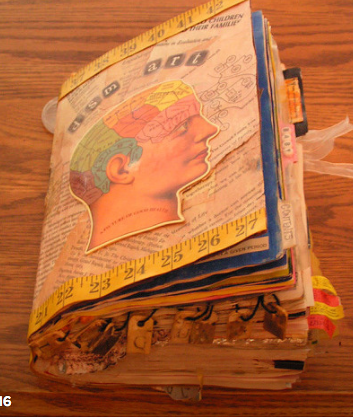
The french painter, Charles Braque, stated that “art is a wound turned to light.” Art takes many forms. One contemporary form of art is called Altered Books. an Altered book is a form of mixed media artwork that changes a book from its original form into a different form, altering its appearance and meaning.

Ron Huxley, a family art therapist, altered a diagnostic and statistical manual along with a group of therapists to demonstrate how therapists can overuse labels to diagnose mental disorders and risk losing the essence of humanity each client brings to therapy. Therapists can take themselves too seriously and transforming a dry clinical manual with fresh artistic insights can make them better healers.

Click here to view the Altered DSM Book. 

tumblr_inline_okw613SIVt1ro6w1h_500

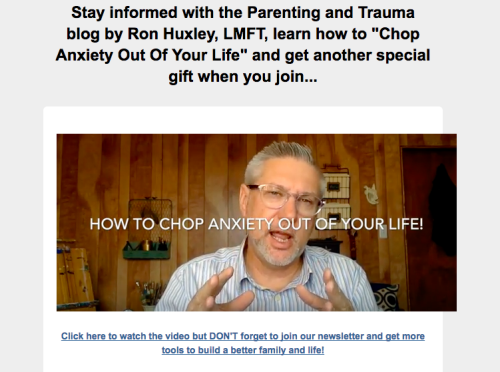
Join Ron’s newsletter and never miss a Family Healer Blog + get special reports and videos for members only! Subscribe here!