The Hidden Messages in Your Discomfort: Why Processing Emotions is Your Path to Freedom

You know that feeling—a nagging unease in your stomach, a restlessness you can’t quite name, or a vague sense that something isn’t right even when everything looks fine on the surface. Most of us try to push these feelings away, distract ourselves with work, social media, or other activities. But what if these uncomfortable sensations aren’t problems to be solved, but messengers trying to deliver critical information?

The Weight of Unfinished Emotional Business

That persistent discomfort you’re experiencing might not be a warning about what’s coming—it could be an echo from your past that’s been quietly traveling with you. Unprocessed emotions don’t simply disappear because we ignore them. They settle into our bodies and minds like uninvited houseguests, taking up space and influencing how we move through the world.

Think of these unresolved feelings as unopened letters from earlier versions of yourself. Some contain wisdom and insights that could guide you forward. Others are simply remnants from chapters of your life that have already ended but haven’t been adequately acknowledged or grieved. All of them represent parts of you that are still waiting to be heard and integrated.

These emotional fragments aren’t trying to torture you—they’re signals pointing toward aspects of yourself that haven’t been fully understood or accepted. They’re like a persistent knock at the door from the parts of you that remain unfree, asking for attention and care.

Creating Space for Healing

When you’re ready to stop running from these feelings and start listening to them, the process begins with creating a sense of safety. This means finding physical and emotional spaces where you can turn toward your discomfort rather than away from it. It’s about developing the courage to ask, “What are you trying to tell me?”

This journey often brings up forgotten memories and long-buried emotions. You might suddenly remember moments from childhood that shaped how you see yourself, or realize that specific triggers—anger, sadness, anxiety—have been trying to wake you up to unmet needs or unacknowledged pain.

The healing process isn’t always gentle. It might involve crying for losses you never properly mourned, revisiting difficult memories to offer your younger self the comfort or voice they never had, or simply sitting with emotions you’ve spent years avoiding. But as you move through this process, something remarkable happens: you begin to feel lighter, as if you’re literally releasing weight you didn’t realize you’d been carrying.

Your body, too, holds onto emotional experiences. Physical practices such as exercise, stretching, or allowing yourself to shake or tremble can help release stored tension and trauma. Sometimes the body knows how to let go in ways the mind hasn’t figured out yet.

The goal isn’t to eliminate all discomfort from your life, but to learn how to be present with your feelings as they arise. When you can face what’s wrong without immediately trying to fix or escape it, you begin to uncover parts of yourself that have been buried under layers of personas, beliefs, and protective strategies.

You were never actually lost—just hidden. The discomfort was your authentic self’s way of reminding you that it was still there, waiting to be reclaimed.

Discomfort as Your Growth Partner

Here’s something our culture rarely teaches us: discomfort is often the seed of positive change. Most transformations begin not with a sudden burst of inspiration but with experiences that initially bring uncertainty, fear, and anxiety. This happens because we’re remarkably good at adapting to situations that aren’t quite right for us, often waiting until crisis forces our hand before we make necessary changes.

Your discomfort isn’t punishment—it’s information. It’s your inner wisdom communicating that something needs to shift, that there’s another way forward even if you can’t see it clearly yet. Think of discomfort as a caring friend who’s willing to tell you brutal truths that others might avoid.

Many people resist this messenger, which is why their lives can feel stuck or repetitive. But learning to sit with discomfort, to let it reveal what it needs to show you, is one of the most valuable skills you can develop. Discomfort, like anger, grief, and jealousy, serves a purpose—it’s trying to guide you toward something meaningful.

The Sneaky Ways We Resist Our Own Growth

Even when we intellectually understand that change would benefit us, our minds have clever ways of keeping us stuck. These psychological patterns often operate below conscious awareness, sabotaging our best intentions:

The Comfort of Familiar Discomfort. Strangely, we often unconsciously sabotage ourselves when life gets too good. If you’re used to struggle or chaos, peace and happiness can feel foreign and threatening. Your mind might create problems or find ways to return to familiar levels of stress, even when that familiar state isn’t pleasant. Change—even positive change—feels uncomfortable until it becomes your new normal.

The Limits of Our Imagination. Our minds are remarkably good at solving problems we’ve encountered before, but they struggle to envision genuinely new possibilities. When contemplating change, we often can only imagine variations of what we’ve already experienced. This limitation can lead us to believe that our current options are more limited than they actually are. Real growth requires accepting uncertainty and exploring unknown territory, which can feel deeply unsettling.

Expecting the Worst. Human brains are wired to notice and remember negative experiences more vividly than positive ones. This survival mechanism once kept our ancestors alive, but now often keeps us playing small. We tend to overestimate the likelihood and severity of bad outcomes while underestimating our ability to handle challenges or create positive change. This negativity bias can make staying in uncomfortable but familiar situations seem safer than taking risks toward something better.

The Sunk Cost Trap. Sometimes we remain committed to jobs, relationships, or life paths that aren’t working simply because we’ve already invested a significant amount of time, energy, or money in them. The thought of “wasting” that investment can keep us trapped in situations that no longer serve us, preventing us from pursuing options that might be much more fulfilling.

First Impressions Stick. Our brains tend to give special weight to early experiences and first impressions, making it harder to see new possibilities later. Suppose you learned early in life that you weren’t good at something, or that specific dreams were unrealistic. In that case, these initial conclusions can overshadow evidence to the contrary that emerges as you grow and change.

Temporary Feelings, Permanent Decisions. When we’re going through difficult emotions or challenging periods, it’s easy to assume these temporary states represent permanent realities. A bad week can feel like a prediction of a bad life. A period of sadness can seem like evidence that happiness isn’t possible. Learning to recognize the temporary nature of most emotional states can prevent us from making major life decisions based on passing feelings.

Insight Without Action. Sometimes, we become so caught up in understanding our patterns and having revelations about ourselves that we forget to actually implement the changes. Self-reflection can become its own form of avoidance when we use it to delay the often mundane, repetitive work of building new habits and sticking to healthier choices.

Living More Intentionally

Processing emotions and working through discomfort isn’t about reaching a state where you never feel bad again. It’s about developing the capacity to live more fully in each moment, experiencing your feelings in real-time rather than carrying around emotional baggage from the past or anxiety about the future.

When you can look directly at what’s bothering you—when you can sit with discomfort long enough to understand its message—you begin to access parts of yourself that may have been hidden for years. You discover that beneath all the protective layers you’ve built up, your authentic self has been there all along, waiting to be acknowledged and expressed.

This process isn’t always comfortable, but it leads to something invaluable: the freedom to respond to life from a place of choice rather than reaction, to make decisions based on who you actually are rather than who you think you should be, and to experience the full range of human emotion without being overwhelmed by it.

Your discomfort has been trying to tell you something important. Maybe it’s time to finally listen.

The Cost of Caring: Burnout and Its Kin

Mental health professionals enter their field with a deep desire to help others heal and grow. Yet paradoxically, the very act of caring that draws them to this work can become a source of profound personal distress. Understanding burnout and its related phenomena is crucial for both individual practitioners and the field of mental health as a whole.

Understanding Burnout: More Than Just Being Tired

Burnout is formally recognized as an occupational phenomenon resulting from chronic workplace stress that has not been successfully managed. It manifests through three distinct dimensions: overwhelming exhaustion that exceeds normal fatigue, depersonalization, where providers develop cynical attitudes toward their work and clients, and a diminished sense of personal accomplishment or efficacy in their professional role.

This isn’t simply about having a bad day or feeling overwhelmed occasionally. Burnout represents a systematic erosion of engagement, energy, and effectiveness that develops over time in response to chronic stressors in the workplace environment.

The Family of Caring-Related Stress

While burnout is perhaps the most widely recognized form of work-related distress among mental health professionals, it exists alongside several related but distinct phenomena that can profoundly impact practitioners.

Compassion Fatigue represents a decreased capacity to empathize or feel compassion for others, resulting from repeated exposure to client suffering and trauma, unlike burnout, which primarily relates to workplace conditions, compassion fatigue explicitly addresses the emotional toll of witnessing pain and distress. Practitioners may find themselves becoming emotionally numb or struggling to connect with clients’ experiences in ways that once came naturally.

Vicarious Trauma involves negative changes in a practitioner’s worldview, spirituality, or internal experience that result from cumulative exposure to client trauma narratives. This isn’t about developing specific symptoms, but rather about how repeatedly hearing traumatic stories can alter one’s fundamental beliefs about safety, trust, and meaning in the world. A therapist working with abuse survivors, for example, might find their own sense of security in relationships becoming compromised.

Secondary Traumatic Stress (STS) manifests as trauma-related symptoms—such as intrusive thoughts, avoidance behaviors, or hypervigilance—that develop as a result of witnessing or hearing about another person’s trauma. Unlike vicarious trauma, which develops gradually, STS can have a relatively quick onset and presents with symptoms similar to those experienced by direct trauma survivors.

The Perfect Storm: Contributing Factors in Mental Health Settings

Mental health work environments often create conditions that are particularly conducive to burnout and related stress responses. High caseloads mean practitioners juggle numerous complex cases simultaneously, each requiring significant emotional and cognitive resources. The severity and complexity of client presentations have increased over time, while resources and support systems have often remained static or decreased.

A lack of autonomy and control over working conditions exacerbates these challenges. Many mental health professionals find themselves constrained by institutional policies, insurance requirements, and administrative demands that conflict with their clinical judgment or values. When practitioners cannot practice in ways that align with their professional standards or personal values, the resulting moral distress contributes significantly to burnout.

The reward structure in mental health work is often misaligned with the demands of the job. While the work is emotionally intensive and requires high levels of skill and training, compensation frequently fails to reflect this reality. Recognition for good work may be minimal, while criticism for poor outcomes can be harsh and public.

Community and collegiality serve as crucial buffers against work-related stress, yet many mental health settings struggle with isolation, competition, and lack of meaningful peer support. When practitioners feel isolated in their struggles or are unable to process complex cases with colleagues, the burden of care becomes exponentially heavier.

Perceived unfairness in workload distribution, advancement opportunities, or organizational decision-making processes creates additional stress. When practitioners feel that their workplace operates according to different standards or that some individuals receive preferential treatment, it undermines their investment in the organization and their commitment to the work.

Perhaps most significantly, the emotionally taxing nature of mental health work itself creates unique challenges. Practitioners regularly encounter human suffering, crisis situations, and complex ethical dilemmas. They must maintain therapeutic boundaries while remaining genuinely engaged, balance hope with realism, and navigate the delicate process of facilitating change while respecting client autonomy.

Staffing shortages and high turnover rates create a vicious cycle. The remaining staff must absorb additional responsibilities, making it even more challenging to provide quality care and maintain a work-life balance. The constant need to orient new staff members and the loss of experienced colleagues further erode the stability and support that might otherwise buffer against stress.

The Ripple Effect: Consequences for Providers and Clients

The impact of burnout extends far beyond individual discomfort, creating cascading effects that touch every aspect of mental health service delivery.

For practitioners themselves, burnout takes a severe toll on both physical and mental health. Chronic stress contributes to cardiovascular problems, compromised immune function, sleep disturbances, and increased susceptibility to anxiety and depression. The irony of mental health professionals struggling with their own psychological well-being while trying to help others cannot be overstated.

Professional disengagement follows naturally from burnout. Practitioners may find themselves going through the motions, providing adequate but uninspired care, or avoiding challenging cases. The creativity, empathy, and genuine connection that characterize excellent mental health treatment become casualties of chronic stress and exhaustion.

Ultimately, many burned-out practitioners leave the field entirely, representing a devastating loss of training, experience, and institutional knowledge. This exodus particularly affects specialized areas of practice and underserved populations, where experienced practitioners are already in short supply.

The consequences for clients are equally serious. Reduced access to services occurs as practitioners leave the field or reduce their availability. Those who remain may provide lower-quality care, lacking the energy and engagement necessary for effective treatment. Continuity of care suffers as clients must repeatedly establish new therapeutic relationships, disrupting progress and potentially retraumatizing vulnerable individuals.

Perhaps most concerning, burned-out practitioners may inadvertently cause harm through impaired judgment, boundary violations, or inadequate attention to safety issues. When the helpers are struggling, everyone suffers.

Moving Forward: Recognition as the First Step

Understanding burnout and its related phenomena is not about creating despair or discouraging people from mental health careers. Instead, it’s about acknowledging the very real challenges inherent in caring work and developing realistic strategies for maintaining both professional effectiveness and personal well-being.

Recognition that these experiences are normal responses to abnormal levels of stress is crucial. Mental health professionals are not immune to the effects of chronic stress, nor should they be expected to be. Creating cultures that normalize the discussion of these challenges and provide concrete support for practitioners is essential.

The cost of caring is real, but it need not be insurmountable. By understanding what we face, we can begin to develop the individual skills and systemic changes necessary to preserve both the healers and those they serve.

Stressing on the Small Things: Real World Tips and Tools

Discover how minor stressors affect our daily lives and contribute to creating significant challenges for our mental and physical well-being. From forgotten tasks to interpersonal tensions, these seemingly minor irritations can gradually erode our resilience and peace of mind.

This presentation explores the science behind everyday stressors and offers empowering strategies for healthier, happier living through practical techniques that anyone can implement. You’ll learn how minor adjustments to your daily routines can create profound positive changes in how you experience and respond to life’s inevitable challenges.

Join us as we discover simple yet powerful ways to transform your relationship with stress and establish sustainable mental wellness practices that work in real-life situations.

10 Surprising Trauma Responses You Didn’t Know Were Controlling Your Life

What if that trait you’ve always considered just part of your personality—being “too sensitive” or “fiercely independent”—isn’t really who you are? What if it’s actually trauma silently controlling your responses?

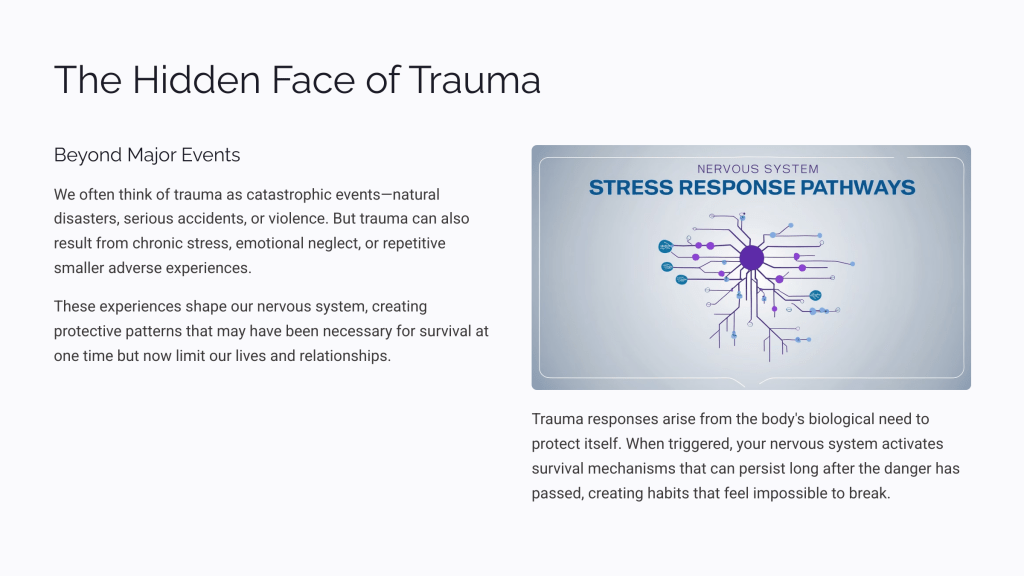
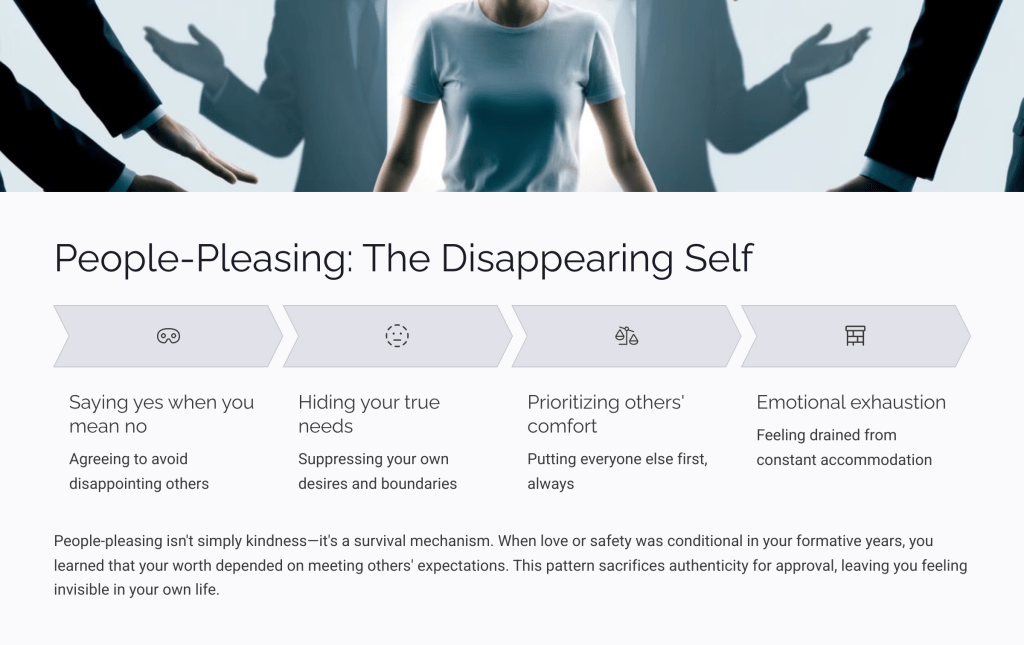
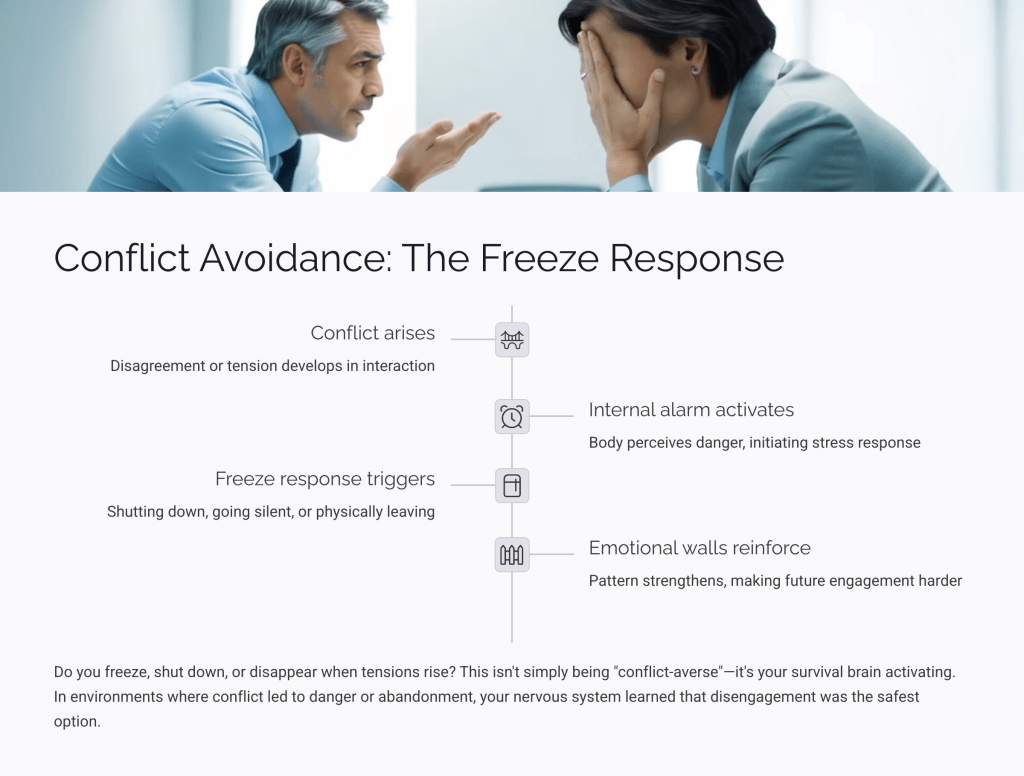
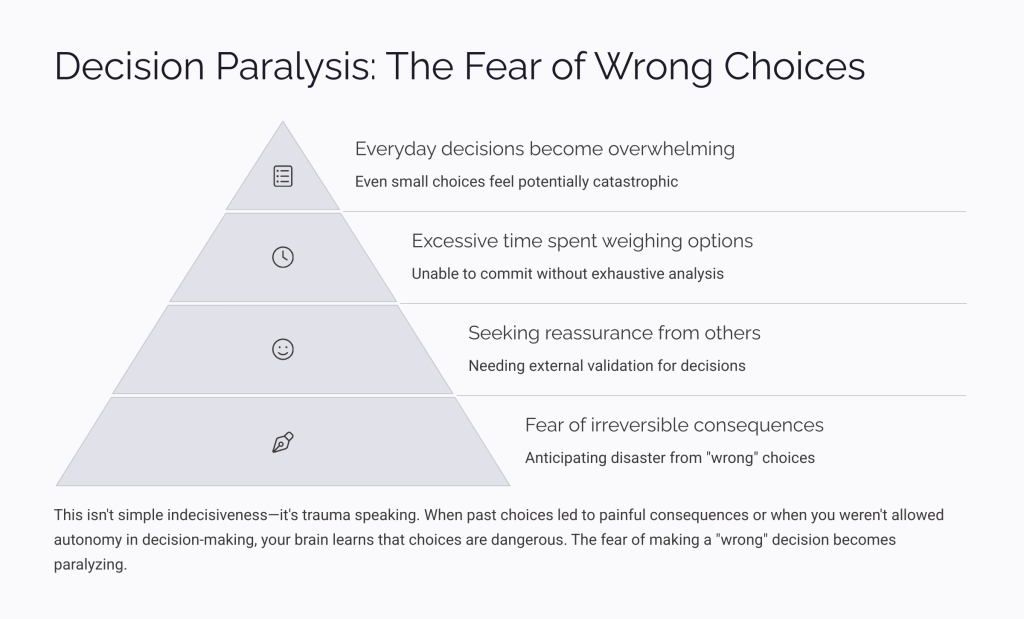
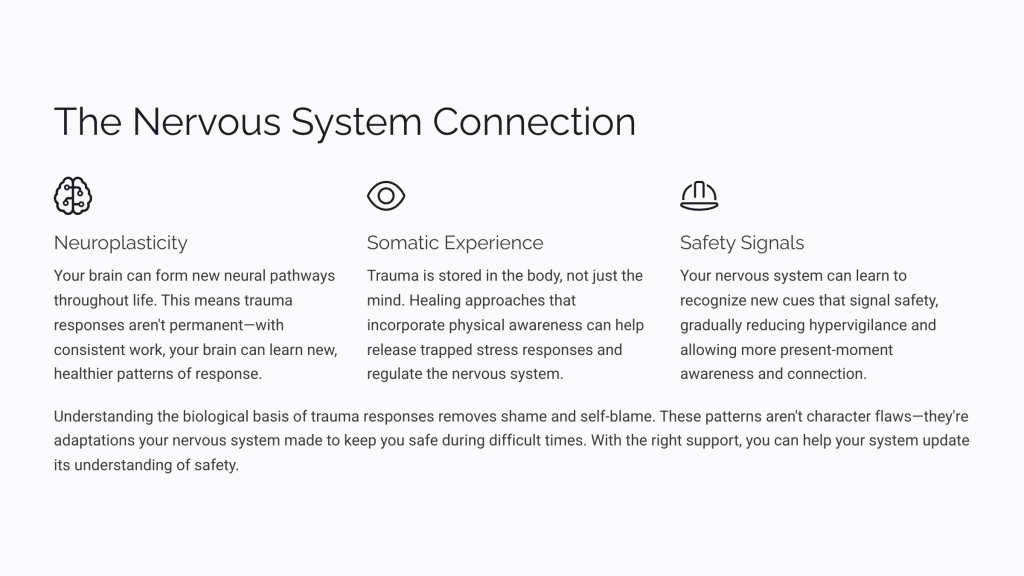
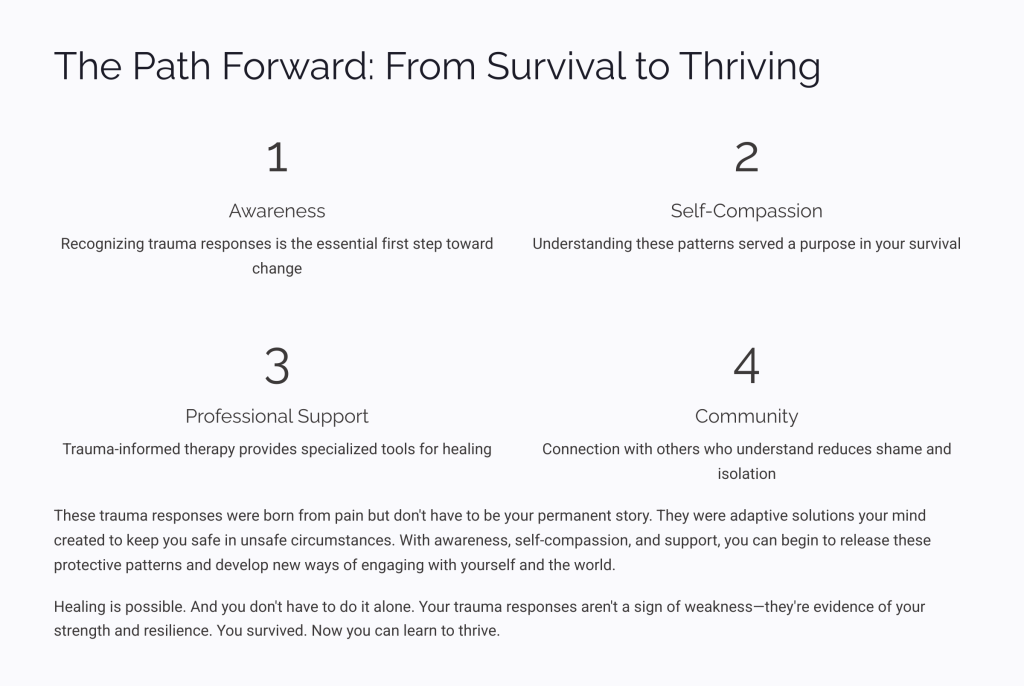
Trauma doesn’t always announce itself through dramatic flashbacks or panic attacks. It often hides in our everyday behaviors, reflexive reactions, and even our quirks. These unconscious responses might be your mind’s way of trying to keep you safe from threats that no longer exist.

Join us as we explore ten common trauma responses that might be quietly shaping your life and discover how recognizing them is the first step toward healing and reclaiming your authentic self.

10 Things Transracial / Transcultural Adoptees Want Their Parents To Know

Download a PDF infographic of this article here!

1. Racial Mirroring is Crucial for Identity Development

Transracial and transcultural adoptees often express the need to see and interact with people who share their racial or ethnic background. This mirroring is vital for their identity development, helping them to form a positive self-image and understand their place in the world.

2. The Challenges of a “Color-Blind” Approach

While a “color-blind” approach may stem from good intentions, it can hinder an adoptee’s ability to explore their racial identity and navigate experiences of discrimination. Recognizing and discussing race openly is essential for fostering a healthy understanding of identity.

3. Experiencing Racism and Microaggressions

Adoptees may encounter racism and microaggressions that their adoptive parents might not fully recognize or understand. Parents must educate themselves about these experiences and provide support when their children face such challenges.

4. Importance of Birth Culture Connections

Maintaining connections to their birth culture is essential for adoptees’ sense of self and belonging. Parents should actively encourage and facilitate these connections to help their children feel grounded in their heritage.

5. Identity Confusion from Cultural Disconnection

Many adoptees report feeling disconnected from both their adoptive family’s culture and their birth culture, leading to confusion about their identity. Open discussions about these feelings can help alleviate some of this confusion.

6. Open Communication About Adoption

Having open conversations about their adoption story and birth family is important for adoptees’ emotional well-being. Parents should create a safe space for these discussions, allowing their children to express their feelings and questions.

7. Active Involvement in Heritage Exploration

Adoptees benefit from their parents’ active involvement in helping them explore and celebrate their heritage. This can include participating in cultural events, language learning, and engaging in activities that reflect their background.

8. The Need for Mentors and Role Models

Having mentors or role models from their racial or ethnic background can significantly impact an adoptee’s self-esteem and identity. Parents should seek opportunities for their children to connect with individuals who can provide guidance and support.

9. Exposure to Diverse Environments

Living in a diverse community or having regular exposure to diverse environments can help adoptees feel less isolated. Parents should consider the importance of diversity in their children’s social circles and experiences.

10. Addressing Emotional Challenges

Adoptees may struggle with issues related to attachment, anger, anxiety, or perfectionism due to their adoption experiences. Parents must know these potential challenges and seek appropriate support and resources to help their children navigate them.

By understanding these key points, adoptive parents can better support their transracial and transcultural children, fostering a nurturing environment that honors their unique identities and experiences.

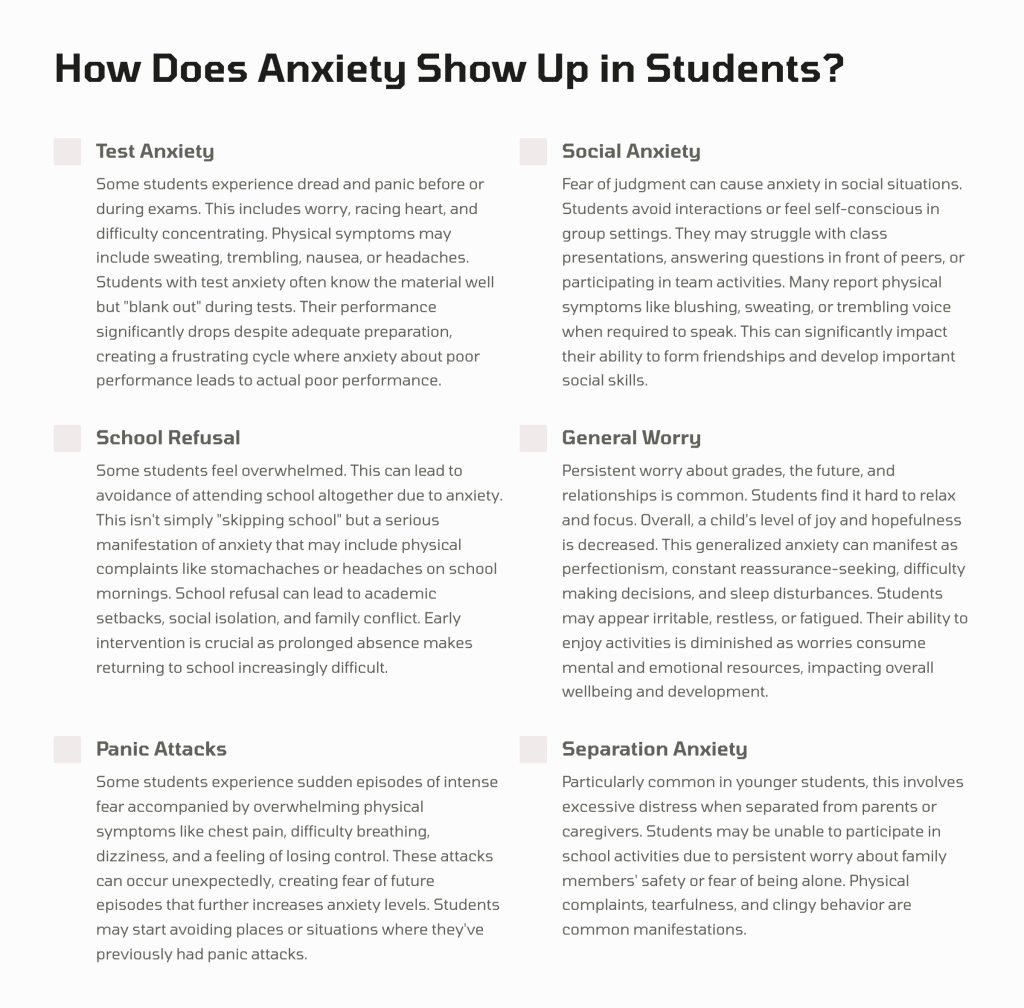
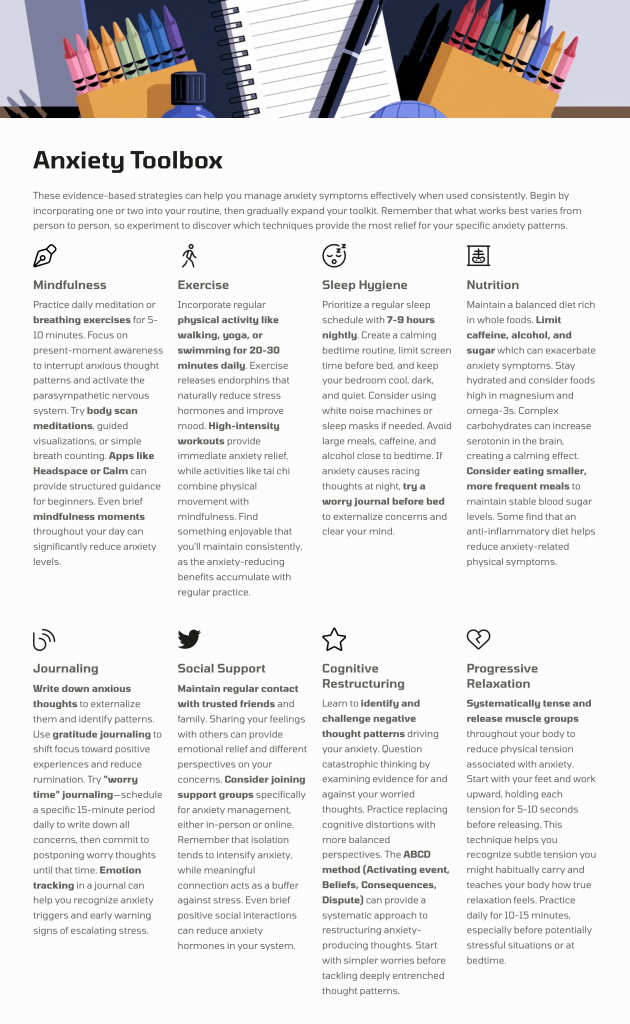
Calm Minds, Bright Futures: Supporting Students Through Anxiety

Welcome to this comprehensive guide to understanding and managing students’ anxiety. It is a practical anxiety toolbox strategy for thriving academically and personally.

This guide offers evidence-based approaches to help students recognize anxiety symptoms, understand their triggers, and develop effective coping mechanisms. We’ll explore both immediate relief techniques and long-term strategies.

Whether dealing with test anxiety, social stress, or general worries about the future, this guide provides actionable steps to build resilience and maintain mental well-being throughout your academic journey.

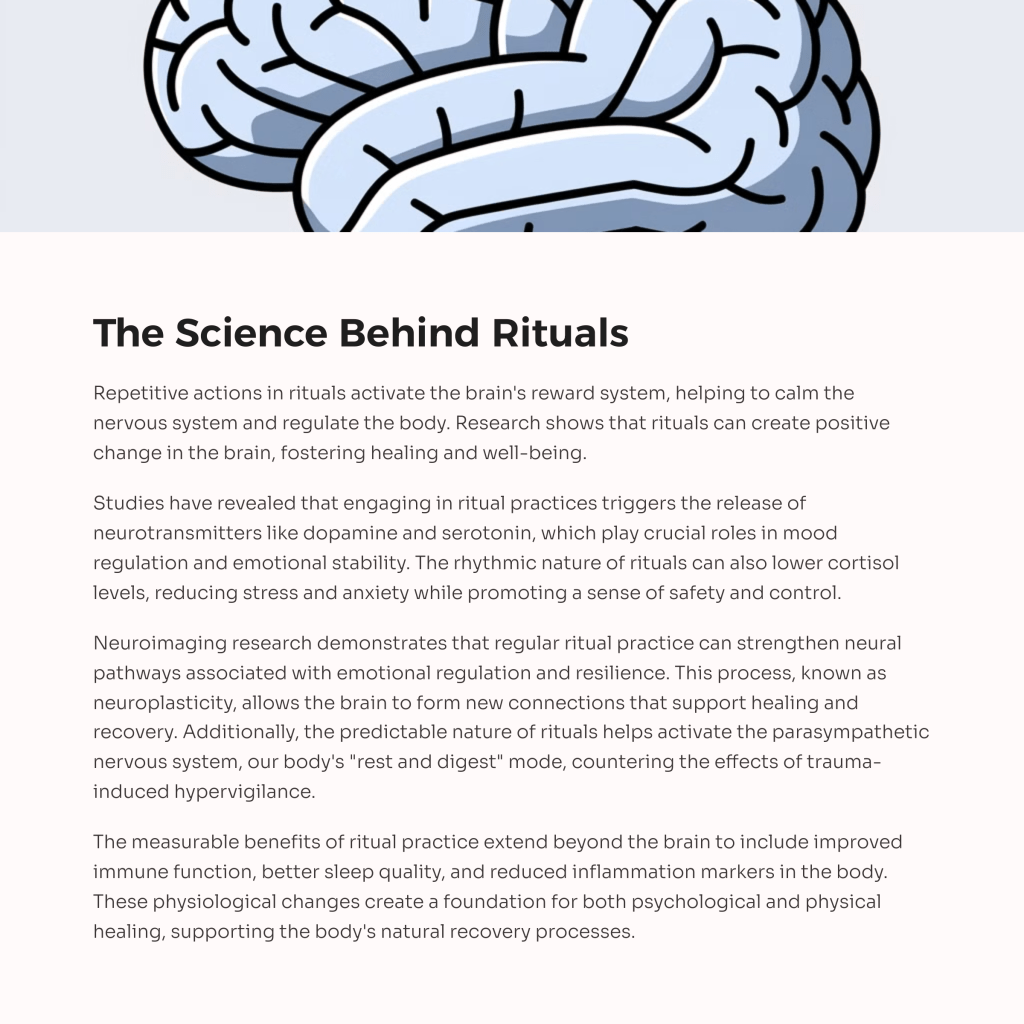
Trauma Recovery: The Healing Power of Rituals

Looking for ways to heal after trauma? Rituals are more than just cultural practices; they’re powerful tools for creating a sense of peace and grounding. Whether it’s a morning meditation, a weekly journaling practice, or a sacred ceremony, rituals can provide structure and meaning during your healing journey.

Safe Space for Healing

Rituals create a protected container for processing emotions and experiences at your own pace.

Connection to Self

Regular practices help rebuild trust in yourself and your body’s wisdom

Restored Sense of Control

Through intentional actions, rituals help reclaim your power and agency

Join us as we explore how ancient wisdom and modern understanding support your healing journey. Whether you’re just starting out or looking to deepen your practice, discover how reclaiming rituals can help you find healing, empowerment, and renewed purpose.

Reclaiming Yourself: A Guide to Recover from Narcisstic Parenting

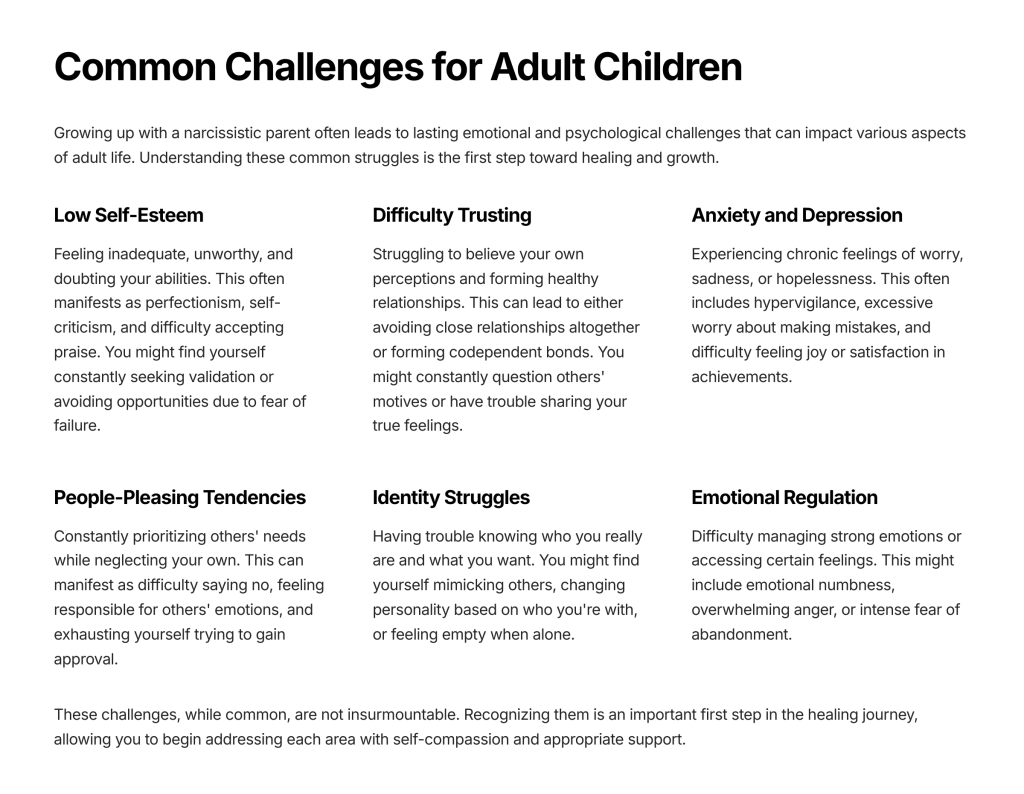
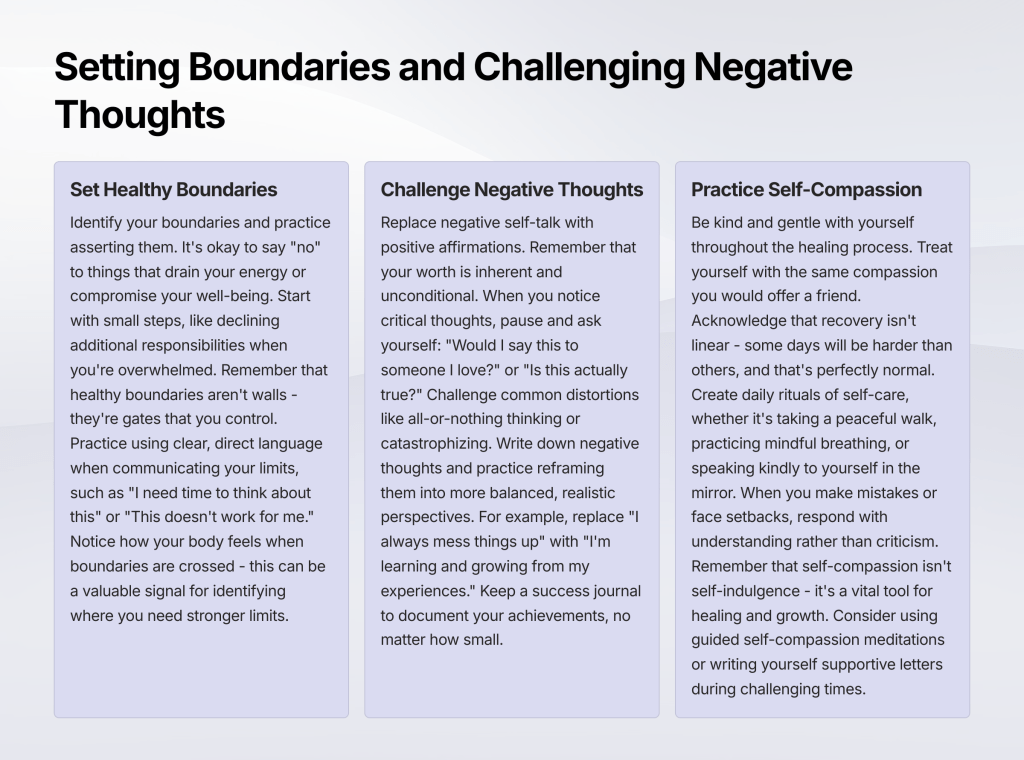
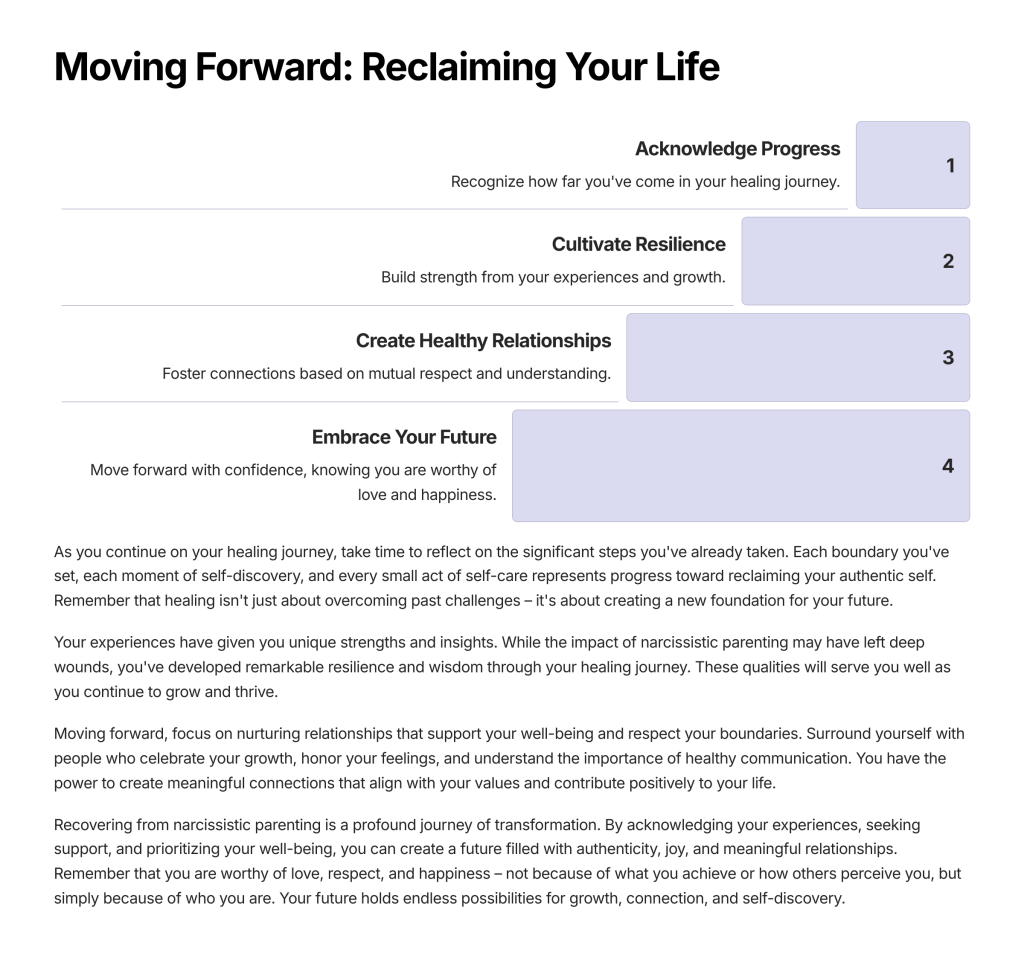
Growing up with a narcissistic parent can leave deep emotional scars, distorting your sense of self and creating lasting challenges. However, recovery is possible. This guide offers a journey of self-discovery, healing, and reclaiming your authentic self. We’ll explore the impact of narcissistic parenting and common challenges faced by adult children and provide essential steps toward healing and moving forward.