Page 48 of 101

Parents believe that it is their job to teach children how to respect limits. More importantly, the parents job is to teach children how to understand limits. The aim of parenting is to raise responsible, fun-to-be around children who know how to manage themselves.

Learn more power parenting tools with Ron Huxley’s parenting book: 

Love and Limits: Achieving a Balance in Parenting

Use Your Words…

Children have to learn to use their words in order to manage their emotions. In order for parents to model this type of control, they have to show that they can handle their children’s frustrations and anger in a calm, response-able manner. This way the child will not come to believe that their feelings are too big to be managed or will get too out of control to be controlled with their words. Parents who respond to anger and frustration with anger and frustration will magnify the emotions and create a belief that emotions rule us instead of the other way around.

Take back control of your home: 101 Parenting Tools: Building the Family of Your Dreams

It is easy to see how parents of teenagers can become so frustrated with them. It seems like every word that comes out of their mouth is defiant and demanding. Every interaction is selfish and narcissistic. What if every time your teen talks, it was an open window to their heart? Ignore the sounds of what is coming out and use this opportunity to speak words of grace, love and kindness. Pretend they are speaking a language your don’t understand and the only language you know how to speak is positive affirmation. Blow their minds with this strategy and transform their heart as well. 

Learn more power parenting tools with Ron Huxley’s parenting book: 

Love and Limits: Achieving a Balance in Parenting

Parents don’t necessarily need a new idea as much as they need a new perspective on their child’s heart. What is your child’s uniques gifts, talents, perspectives, dreams, needs, desires, wants, fears, joys, passions, etc? The best parenting tool is seeing children through their eyes. 

What Is The Goal of Therapy for Abused, Adopted Children?

By Ron Huxley, LMFT

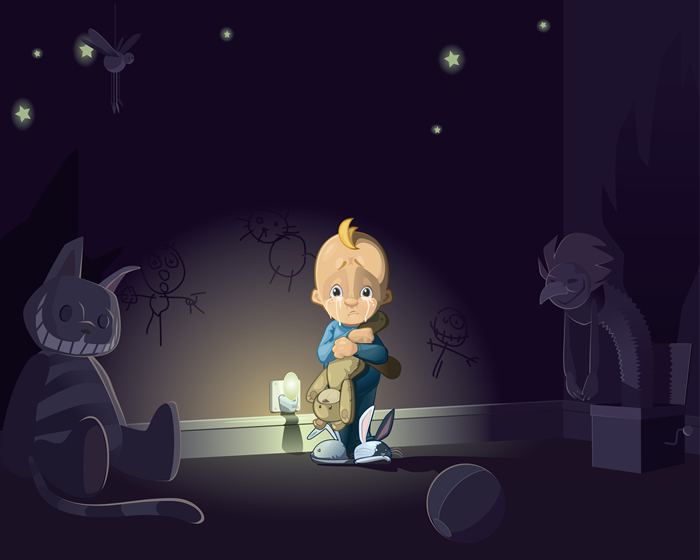
One of the first goals of therapy when working with abused, adopted children is to establish a sense of safety and security. Maltreated children learned that they parent / caregivers are to be feared. Ironically, they appear to fear very little else. Certainly, their impulsive actions place them into some scary situations for adoptive parents and they don’t respond to normal discipline. This may be due to the fact that after a child lives in terror in their own home, what else could anyone do that would be as terrible or fearful?

 In therapy, we want to help children re-learn that their caregiver is safe and to learn appropriate dangers of strangers. This is quite a reversal from the parent is dangerous and the world is not to the parent is safe and the world might be… 

If you are looking for a family therapist to help you and your adopted child, contact Ron Huxley today at http://parentingtoolbox.tumblr.com/familytherapy

Is It Talking Back or Assertiveness: How to teach appropriate behavior

By Ron Huxley, LMFT

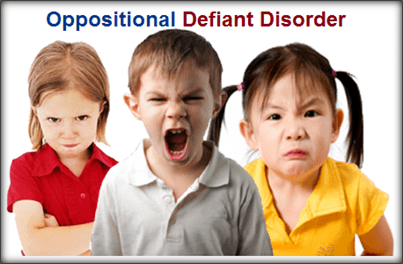
Parents will tell me that they want a child who can speak their mind and express themselves in an articulate and assertive manner but no one enjoys a child who argues, talks back or refuses to do anything they are asked to do. Typically, we call this latter description: Oppositional or Defiant behavior. 

Clinically, it is describe as any person who shows a pattern of…

A.  negativistic, hostile, and defiant behavior lasting at least 6 months, during which four (or more) of the following are present:
(1) often loses temper
(2) often argues with adults
(3) often actively defies or refuses to comply with adults’ requests or rules
(4) often deliberately annoys people
(5) often blames others for his or her mistakes or misbehavior
(6) is often touchy or easily annoyed by others
(7) is often angry and resentful
(8) is often spiteful or vindictive

It is hard to differentiate between talking back and being assertive. When this is the case, I suggest that parents have children “Redo” a defiant comment or action. Ask the child to repeat what they want in a different tone of voice, manner of approach or without the tantrum or door slamming. It is important that parents stay as calm as possible. Take a few deep breaths and ask the child to do the same and then have them “Redo” the behavior one to five times. The reason for the longer repetition is that not only does it reinforce the behavior in a positive manner and teach a more appropriate social skill but it also “satiates” (read “bores the child”) the inappropriate behavior. Children hate boring tasks but will feel rewarded when they get what they want through appropriate words and actions. 

Hey, try this on your husband too 🙂

Learn more power parenting tools with Ron Huxley’s parenting book: 

Love and Limits: Achieving a Balance in Parenting

How to Parent When YOU Are in Pain?

Parenting & Pain
By Ron Huxley, LMFT

It is hard to be on top of our parenting game when you are in a lot of emotional pain. This is especially challenging if the origin of this pain comes from the children that we are trying to parent. It might be simplistic to say but pain is “painful.” It hurts! It shuts us down and drives a wall between us and others so we can’t be hurt anymore. We want to retreat to nurse our wounds before risking more in relationships. Unfortunately, the everyday tasks of life have to be completed and our children continue to need us. As a compromise to this situation we become robotic in our actions. We are hyper-functional but we are hypo-relational. We get stuff done but we are just going through the motions and have no e-motions to share. We are too raw!

If you are in this place, make a resolution to find some help through good friends, therapists, doctors, etc. There are lot of support groups and parenting educations classes in your community. Be determined not to repeat past problems. Find new ideas and new support to achieve new, less painful interactions with your family. Second, be OK with being in a place of pain but don’t let it define you. You feel bad but YOU are not bad. Hurtful feelings are normal responses to hurtful actions they are not meant to be permanent. You will have better days again but don’t allow shame to pull you deeper into that dark place of despair. Set some boundaries, find some help and get mad a shame. It is not your friend!

Take back control of your home: 101 Parenting Tools: Building the Family of Your Dreams