Page 39 of 101

Resilience: The Biology of Stress and the Science of Hope

Listen to my radio interview reflecting on the documentary “Resilience”, the Adverse Childhood Experiences study (ACES), and my thoughts on how to heal from trauma and child abuse.

Click here: http://kcbx.org/post/resilience

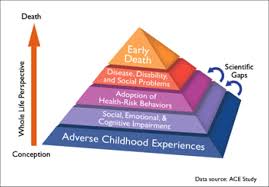
aces pyramid 2

“The child may not remember, but the body remembers.” Resilience: The Biology of Stress and the Science of Hope is a one-hour documentary that delves into the science of Adverse Childhood Experiences (ACEs) and the birth of a new movement to treat and prevent Toxic Stress. While the original research was controversial, experts now consider the findings to have revealed one of the most important public health findings of a generation. Understood to be one of the leading causes of everything from heart disease and cancer to substance abuse and depression, extremely stressful experiences in childhood can alter brain development and have lifelong effects on health and behavior.

Join host Kris Kington-Barker as she speaks with guests Nisha AbdulCadar, an M.D., F.A.A.P. and Pediatrician with Martha’s Place Children’s Assessment Center and Ron Huxley a LMFT who provides faith-based, trauma-informed therapy for individuals and families about the upcoming movie screening and research behind “Resilience,” a powerful documentary film by James Redford and Karen Pritzker that reveals, toxic stress can trigger hormones that wreak havoc on the brains and bodies of children which can put them at a an increased risk for disease, homelessness, prison time, and even early death. Join the conversation and listen to how trailblazers like these in pediatrics, education, and social welfare are using cutting-edge science and field-tested therapies to fight back against the effects of toxic stress and greatly improve the health of our future generations.

Central Coast Voices is sponsored by ACTION for Healthy Communities in collaboration with KCBX and made possible through underwriting by Joan Gellert-Sargen.

Finding Freedom over Fear, Anxiety and Panic Attacks [Special Report]

Anxiety is a “state of excessive uneasiness and apprehension, typically with compulsive behavior or panic attacks.”

That’s the clinical description. In everyday language, anxiety is a crippling feeling of fear and dread. It robs people of opportunities to do fun things and prevents us from feeling completely alive.

Anxiety can be controlled so that you get fully back into your life and find the breakthrough you deserve. In this special report by Ron Huxley, LMFT, you will finally be able to…

Stop late night ruminating thoughts!

Get over panic attacks!

Overcome creativity and productivity blocks!

Read Ron’s reports filled with practical tools and ideas on finding freedom from anxiety by clicking here now! It’s FREE just like you will feel when you begin using the information gained from over two decades of clinical work with individual taken captive by fear and anxiety.

Get your life back now!

NeuroResilient Play Therapy ©: A Trauma-Informed Approach to Healing

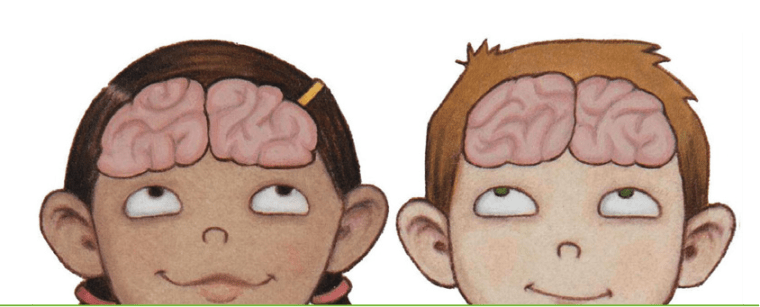
brainarticle1

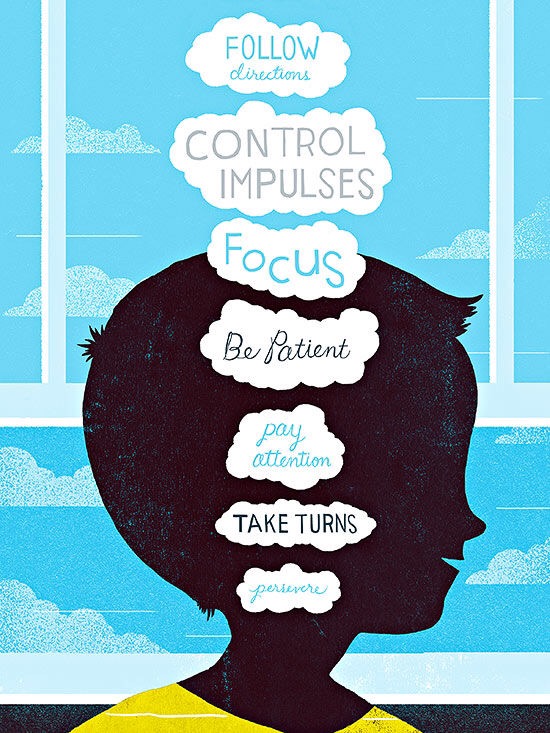
The goal of therapy with traumatized children is to help them learn to regulate and develop the executive functioning skills of the prefrontal center of the brain. I call this the state of being NeuroResilient.

All children are born emotionally impulsive and need to learn how to manage their moods, initiate and stick with tasks, plan and organize, and learn from past mistakes. This is nothing new and neurological studies of the brain suggest that the prefrontal areas of the brain do not completely develop until people are in their mid-twenties.

The challenge with trauma is that it can set a person back socially and emotionally so that while they are 15 years old chronologically, they react to the world as if their were 5 years of age. We call this, in the field of trauma-informed care and attachment-focused research, “age vs stage”. The individual’s chronological age doesn’t line up with their stage of development causing problems in relationships and daily functioning.

Many parents and professionals believe that an emotionally regulated child is a calm child which would be nice, even understandable, but not realistic for a child who has been traumatized. Consequently the goal of therapy is to build resilience, not calmness.

Resilience refers to ability to “spring back, recoil back into shape” or “recover quickly from a difficult situation”. It literally means to “leap back” to a place of safety and security. Who wouldn’t want to have more of that in their lives or the lives of their children?

Children have to build resiliency in their neurology so that behavioral strategies will stick. Parents and teachers get frustrated when their behavior charts and modification tools don’t have any effect on their hurt children.

NeuroResilient Play Therapy © models, to parents, how to integrate the various physiological and mindful parts of the child so that they can function optimally. It is based on identity focusing on the strengths of who the child was created to be instead of forcing the child to fit into a mold made by adults who believe the child has no motivation or seeks only to manipulate.

For more information on how to be NeuroResilient for children and adults, contact Ron today about speaking opportunities or schedule a session in his Avila Beach, Ca office (skype services are available).

2017 Child Abuse Prevention Academy

Please join us for the 9th Annual Child Abuse Prevention Academy, a training for students, professionals, and community members.

Participants will:

  • learn how to report incidents of suspected child abuse,
  • understand what occurs after a report,
  • understand the role and funtion of the brain in Trauma-Informed Care
  • learn to recognize the effects of trauma on the brain, behavior and development
  • explore primary strategies for healing trauma in the lives of children and adults.

Presenter: Lisa Fraser, Executive Director, Center for Family Strengthening, the San Luis Obispo County Child Abuse Prevention Council

Guest Speaker: Ron Huxley, LMFT will share,
The Beautiful, Wonderful, Broken Brain: Understanding Trauma-Informed Care.

Noted child and family therapist, speaker, and blogger Ron Huxley has worked in several systems of care, including community-based mental health, child therapy clinics, wraparound, County mental health, private psychotherapy practice, and faith-based counseling/coaching services. He has certifications in various clinical evidence-based and promising practices: EMDR, Incredible Years, Family Wellness, Love & Logic, S.T.E.P. (Systematic Training for Effective Parenting), TheraPlay, Love After Marriage, and Developmental Dyadic Psychotherapy (attachment-focused family therapy).

Student participants are urged to attend and will receive a Certificate of Participation. 

The training is free, but preregistration is required.

register now

When

Friday April 28, 2017. 9:00am – 12pm
Add to Calendar

Where

Cuesta College Student Auditorium – #5401
 CA-1, San Luis Obispo, CA, CA 93403

Free Parking  Lot #2

Contact

Center for Family Strengthening
805-543-6216
support@cfsslo.org  

  Brought to you in partnership with Center for Family Strengthening and Cuesta College        


Click here to Register Now!


Discovering your love road map and dealing with conflict

road map

How do you get from point A to point B? You can put in your own destinations for each point… The answer is simple. Look at a road map or in our modern technological society, tell your phone to pull up the map.

The “point” is that if you want to get anywhere you have to have a road map (or in the case of our phone, a GPS). In relationships, we need a love road map. When it all hits the fan, and it will sooner or latter, we need to know how to get back to a place of love and trust.

The research of John Gottman, PhD, shows us that the road to relational stability requires this type of emotional guidance system. In order to be a master of relationships and not experience the disaster of it, you can start building this map today. According to Dr. Gottman, you have to know a lot about your partner or child to navigate through difficult times and moments of disagreement. The process to build this map is asking a lot of questions that search the soul of the other person. Questions like what do you think about injustice or what countries you would like to visit or how do you feel about your career in life? These are open ended questions that go deeper than did you do your homework or pay the electrical bill?

How does your partner feel about their role as a mother or father? Does your child enjoy his or her friendships? After these heart-probing questions are asked, you have to remember the answer because this is what you will use to work through conflicts. The intensity of our fights with our most intimate companions aren’t really about an “F” on a test or dishes in the sink. They are really about our hopes and dreams and desires. They can also be about our disappointments, fears and losses. The more deeply connected you are with the former, the better you will find your way through the latter.

When people ask you these questions they show their interest in you. It makes you feel valuable. Conversely, scanning for mistakes, even with the motivation to help the other person be better in life, destroys intimacy and trust.

It has been said that a joyful life is created in the little details, conversations and moment to moment interactions. This is exactly how you build a love road map that will help you deal with conflict. Conflict is part of the human relationships and can’t be avoided so be prepared and get to know the inner world of others.

Action plan: Ask some deep questions of people who are closest to you in the next 7 days. Take notes of their answers. There will be a test! 


One brain, many different experiences


Nobody likes to have a negative experience of fear, sadness or anxiety. Unfortunately it’s very difficult to shift his mental states two more positive experiences of peace, joy, love. That’s when I realized that we are using the same brain to have very different experiences. Same brain structures, chemicals, and energy networks are being used for both negative and positive states.

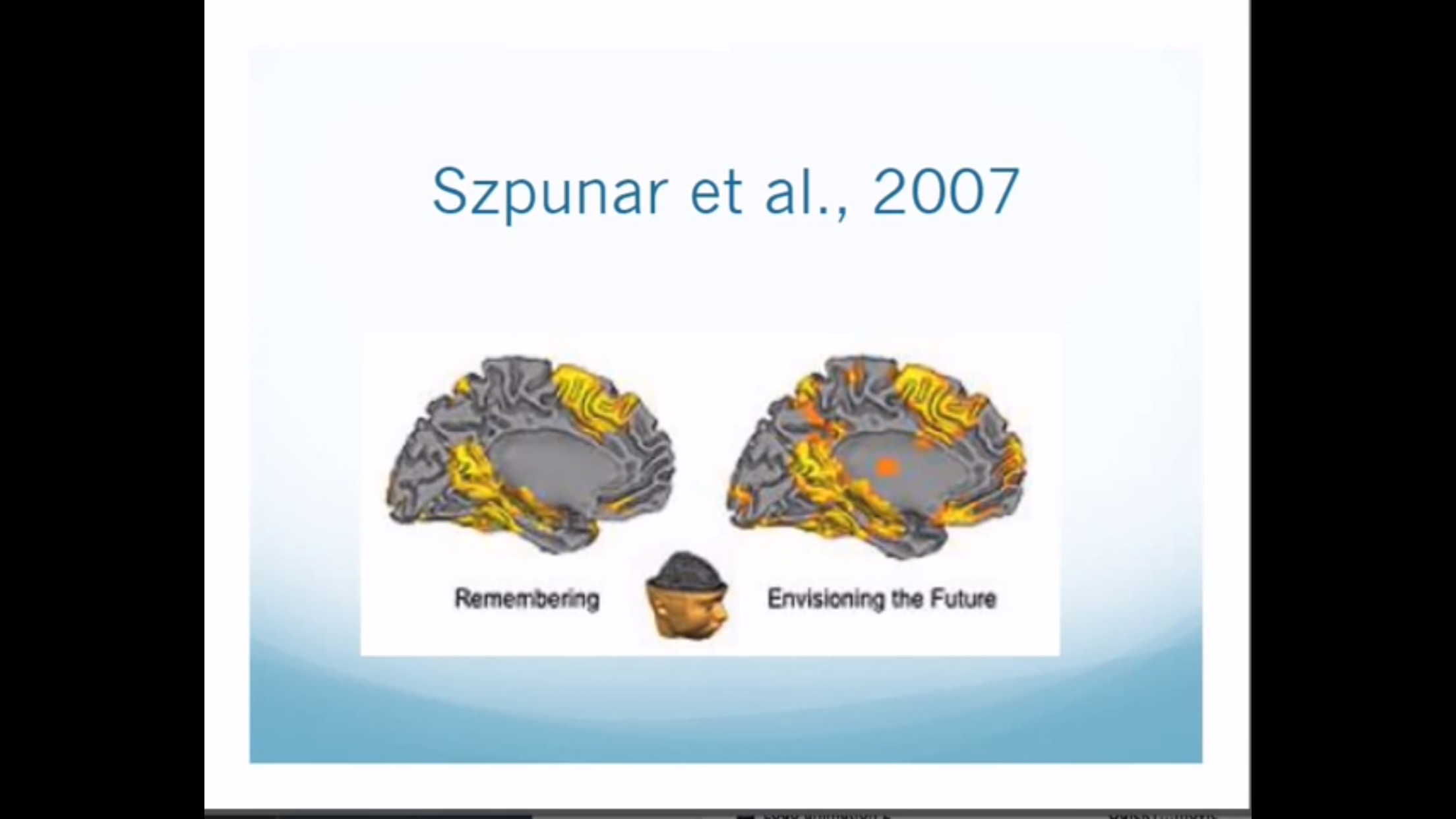
In my studies of neurophysiology I discovered there are very similar mechanisms being used for things like anxiety and excitement! Additionally, we are using the same structures to experience past traumas as well as future expectations. The slide above is from a research study in the field of trauma resolution, particularly the use of EMDR as an intervention for trauma.

EMDR stands for eye movement desensitization and reprocessing. It’s obviously quite a mouthful. Basically utilizes I have moments to help us manage dramatic situations in our past so they don’t continue the hunt are present and destroy our hopes of a future. The technique was created by Francine Shapiro a psychologist working with traumatized veterans. In the research study illustrated above, The demonstrates how the brain scan can reveal a similar activation when we Thunk about past events as well as future hopes and dreams.

When working in trauma-informed care, we can utilize the same channels in our brain and mind to focus on more positive experiences. We are not limited to only one set of negative experiences. When adding thanks to our trauma informed care, we are able to inject hope it comes from a source greater than ourselves and yet moves in and through us. When we operate in agreement with this belief that we are protected and cared for by a God who loves us unconditionally, we are able to transform our past thoughts about trauma into a hopeful future that start now.

If you would like help at your next training event how to build faith-based, trauma-informed practices contact Ron today at rehuxley@gmail.com .

Explaining Executive Function Skills to Children

Our brains are organized into three components. There’s the robot or the brainstem which controls all the functions within our body without having to be told what to do. It just does it automatically like a robot!

Next is the puppy dog this is built on top of the robot and while it has a lot of energy and a lot of fun I can early experience life to its fullest it can also be easily distracted not very trainable and sometimes a little disobedient.

On top of this is the trainer. The trainer is very good at figuring out problems solving puzzles and using self-control. It’s job is to teach the puppy dog how to behave and make sure that it gets all the information sent from the robot about what’s going on in the body so that he can give a new instructions if needed.

A child’s job is to use the trainer part of our brains to teach the puppy and the robot but it needs to have self-control, lots of fun, and manage ourselves well!

The easiest way for the trainer to teach the puppy dog in the robot is to use self talk. Everyone talk to them selves. When were difficult situations week off and talk yourself through it by encouraging us to sit still when it’s hard and there’s a lot of distractions, give something a little extra effort is proving very challenging, and figure out how to make the best choices in a very confusing situation.

Sometimes we need to advise and help from other adults in her life like her parents or teachers to guide us on how we should best train the puppy dog and give instructions to the robot. Most adults have already had a lot of practice being a trainer and they have to offer some really good ideas that would help you as well.

Looking for a trainer at your next parenting conference or trauma-informed care event? Contact Ron today at rehuxley@gmail.com

Anger Makes You Stupid!

By Ron Huxley, LMFT

Anger Makes You Stupid:


I know this sounds rude but it is a fact of science. When we get angry our “thinking brain” is literally hijacked by our “emotional brain.” This is nature’s way of forcing us to react instantly to a danger or threat. You don’t want to stop and contemplate the dynamics of your situation when a car is speeding right at you! You need to move NOW! That is what the emotional brain does to protect you.


Unfortunately, the “emotional brain” doesn’t worry if the danger is real or not. It just acts. In our hectic, high tech, modern society many things can trigger our “emotional brain” into action. For some of us, we are being hijacked continually throughout the day due to repeat stressors as the “emotional brain” considers any stress to be a danger.


To illustrate how anger makes us stupid (suspends reasoning), remember a time when you got really angry. Did you say things you wish you hadn’t said or do things you wish you hadn’t done? That is the “emotional brain” at work. Fortunately, you don’t have to be a victim to your own emotions. You can learn to manage them instead of letting them manage (or mismanage) you!


Problem Experts:


You are already an expert on your problems. You know what anger and aggression has done to you and your family. Has this knowledge helped you control it? I didn’t think so. Focusing on your problems will only help you understand where you’ve been. It can never tell you where you need to go or how to change it. What you need are solutions to your problems!


Now I don’t want to invalidate the painful experiences you might have suffered in your life that have led you to be angry. Those were very real experiences. I also don’t want to pretend you haven’t hurt other people in your life with your anger. We have to take responsibility for our actions. I simply want to help you focus on what works, instead of doesn’t work, when it comes to anger.


One way to help you focus on solutions instead of problems is to think of a time when anger did not control your life! Remember a time when anger was not the main character in your life story. What was different about this time versus times when anger was present? How were you different? How do other people in your life act? Be specific. If someone walked in and observed you without anger what would he or she see you saying or doing?

More of the same:


When you don’t have the right solution-focused tools to control anger and aggression, you end up doing “more of the same.” What you have been doing hasn’t worked but since you don’t know what else to do, you just keep on doing it. Out of desperation, you try variations of what hasn’t worked hoping that this time it might. IT WON’T! Instead of doing “more of the same,” try something new — anything new!


Science calls this the Habituation Response. It simply means that you get stuck in your old ways of doing things. Without new ideas or insights you can’t get unstuck. Husbands and wives fight constantly on the same old issues. Parents and children power struggle about the same subjects. Employers and employees cycle around the same problems. Are you seeing repeat patterns in your life! Getting more and more frustrated because nothing changes for long? You are doing more of the same. Do something different!


Myths of Anger Management:


There are lot of myths in our society about how to control anger and aggression. The biggest myth is that “if you let it out, it goes away!” This is called the “volcano myth” because on the venting that occurs and the destruction that results from just letting it all out.


It is true that when you let off a little steam you feel a little better. But where did the problem go? Is it gone? NO. In fact, letting it out may have caused a bigger problem to develop. If you got mad and stormed off in your car you may have gotten into an accident or received a ticket. Now you have something else to be mad about. If you punched a hole in the wall you will have to repair the wall…and maybe your hand. How did that help you? If you threw a tantrum and yelled at a loved one, friend, or boss what did that do to your relationship? Now both of you are angry and looking for revenge! “Letting it out” may feel good in the short-term but it doesn’t help you in the long-term.


Anger is Power:


Ben Franklin once said: “Anger has a purpose, but seldom a good one!” What he meant is that anger is not inherently a bad thing but people have LEARNED that anger and aggression give them power over others. A child learns that a tantrum will get them a toy even when mom said no. Parents learn that yelling gets their child’s attention even though no one is happy afterwards. Employers know that they can get results, in the short-term, by intimidating or harassing others. Spouses use anger to control one another. And so the sad story goes…

With power comes responsibility. What is the negative result of your anger? Is it really worth it in the long run? How have anger and aggression affected your relationships, health, and career? It is time to take responsibility for yourself before you lose/hurt all the important people and things in your life.


Stop YELLING at your kids to get them to cooperate!

Stop NAGGING your spouse to help a little!

Stop FRUSTRATION from ruining your work day!


Contact Ron Huxley today for more information on how to get the right anger tools to better manage your anger. Online coaching and consultations are available for court-ordered anger management requirements. Email Ron now at rehuxley@gmail.com


8 Traits of Powerful People

Source: http://lovingonpurpose.com/blog/rq-8-traits-of-powerful-people

If you heard someone described as a powerful person, you might assume he or she would be the loudest person in the room, the one telling everyone else what to do. But powerful does not mean dominating. In fact, a controlling, dominating person is the very opposite of a powerful person.

So what exactly is a powerful person? Here are 8 traits of a powerful person:

1. THEY DO NOT TRY TO CONTROL OTHERS.

Powerful people do not try to control, convince, or manipulate other people or their behaviors. They know it doesn’t work, and it’s not their job. Their job is to control themselves.

2. THEY CREATE A RESPECTFUL ENVIRONMENT.

Powerful people are able to consciously and deliberately create the environment in which they want to live. They don’t try to get people to respect them; they create a respectful environment by showing respect. They deliberately set the standard for how they expect to be treated by the way they treat others. As they consistently act in responsible, respectful, and loving ways, it becomes clear that the only people who can get close to them are those who know how to show respect, be responsible, and love well.

3. THEY REFUSE TO BE A VICTIM.

Life does not happen to powerful people. Powerful people are happening. They are happening all the time. They are not controlled or infected by their environment. Powerful people refuse to play the victim by shifting responsibility for their choices onto others.

4. THEY REQUIRE OTHERS AROUND THEM TO BE POWERFUL.

When powerful people encounter a powerless person, they are not tempted to dive into any unhealthy emotional ties or attachments. They hear a victim’s sob story and ask, “So what are you going to do about that? What have you tried? What else could you try?” These questions confront powerless people with their responsibility and their capacity to make choices and control themselves. This is the only option a powerful person will offer to powerless people: become powerful, make choices, and control yourself.

5. THEY MAKE DAILY DECISIONS THAT ALIGN WITH THEIR VISION.

Powerful people do not simply react to whatever is happening today. They are able to take responsibility for their decisions and the consequences of those decisions–even for mistakes and failures. They can respond to today and create tomorrow. Powerful people have a vision and mission for their life, and can use the events of each day, whether positive or negative, to direct themselves toward that vision.

6. THEY LET THEIR “YES” BE “YES” AND “NO” BE “NO.”

Popular opinion or the pressure of others does not sway the language of powerful people. They know exactly what they want and how to communicate their desires. A powerful person says, “I will. I do. I am.” Powerful people can say both “Yes” and “No,” and mean it. Others can try to manipulate, charm, and threaten, but their answer will stand.

7. THEY LOVE UNCONDITIONALLY.

A powerful person’s choice to love will stand, no matter what the other person does or says. When powerful people say, “I love you,” there’s nothing that can stop them. Their love is not dependent on being loved in return. It is dependent on their powerful ability to say “Yes” and carry out that decision. This protects their love from external forces, or from being managed by other people.

8. THEY CONSISTENTLY DEMONSTRATE WHO THEY SAY THEY ARE.

Powerful people can be who they say they are on a consistent basis. And because they know how to be themselves, they invite those around them to be themselves. Only powerful people can create a safe place to know and be known intimately. They say, “I can be me around you and you can be you around me. We do not need to control each other, and we don’t want to control each other.”

We all have room to grow in becoming powerful people.  No matter what, know that every step on the journey to getting free and being a powerful person is worth it. Choosing to say “Yes!” to a life of responsibility will be one filled with adventure and joy. Do not let powerlessness and a victim mentality steal from you any longer. You are a powerful person who can make powerful decisions. And more importantly, you are a powerful person who can choose to love–because He chose to love you.