Page 3 of 101

10 Things Transracial / Transcultural Adoptees Want Their Parents To Know

Download a PDF infographic of this article here!

1. Racial Mirroring is Crucial for Identity Development

Transracial and transcultural adoptees often express the need to see and interact with people who share their racial or ethnic background. This mirroring is vital for their identity development, helping them to form a positive self-image and understand their place in the world.

2. The Challenges of a “Color-Blind” Approach

While a “color-blind” approach may stem from good intentions, it can hinder an adoptee’s ability to explore their racial identity and navigate experiences of discrimination. Recognizing and discussing race openly is essential for fostering a healthy understanding of identity.

3. Experiencing Racism and Microaggressions

Adoptees may encounter racism and microaggressions that their adoptive parents might not fully recognize or understand. Parents must educate themselves about these experiences and provide support when their children face such challenges.

4. Importance of Birth Culture Connections

Maintaining connections to their birth culture is essential for adoptees’ sense of self and belonging. Parents should actively encourage and facilitate these connections to help their children feel grounded in their heritage.

5. Identity Confusion from Cultural Disconnection

Many adoptees report feeling disconnected from both their adoptive family’s culture and their birth culture, leading to confusion about their identity. Open discussions about these feelings can help alleviate some of this confusion.

6. Open Communication About Adoption

Having open conversations about their adoption story and birth family is important for adoptees’ emotional well-being. Parents should create a safe space for these discussions, allowing their children to express their feelings and questions.

7. Active Involvement in Heritage Exploration

Adoptees benefit from their parents’ active involvement in helping them explore and celebrate their heritage. This can include participating in cultural events, language learning, and engaging in activities that reflect their background.

8. The Need for Mentors and Role Models

Having mentors or role models from their racial or ethnic background can significantly impact an adoptee’s self-esteem and identity. Parents should seek opportunities for their children to connect with individuals who can provide guidance and support.

9. Exposure to Diverse Environments

Living in a diverse community or having regular exposure to diverse environments can help adoptees feel less isolated. Parents should consider the importance of diversity in their children’s social circles and experiences.

10. Addressing Emotional Challenges

Adoptees may struggle with issues related to attachment, anger, anxiety, or perfectionism due to their adoption experiences. Parents must know these potential challenges and seek appropriate support and resources to help their children navigate them.

By understanding these key points, adoptive parents can better support their transracial and transcultural children, fostering a nurturing environment that honors their unique identities and experiences.

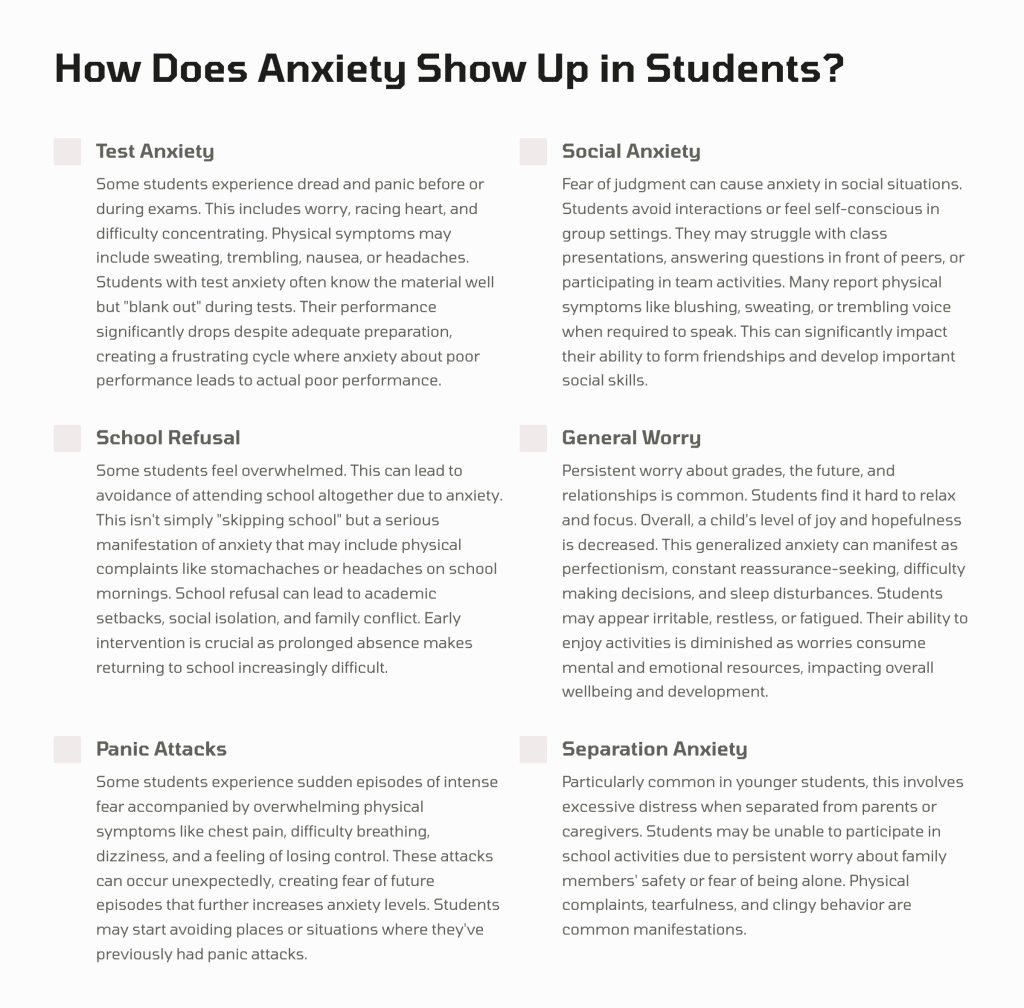
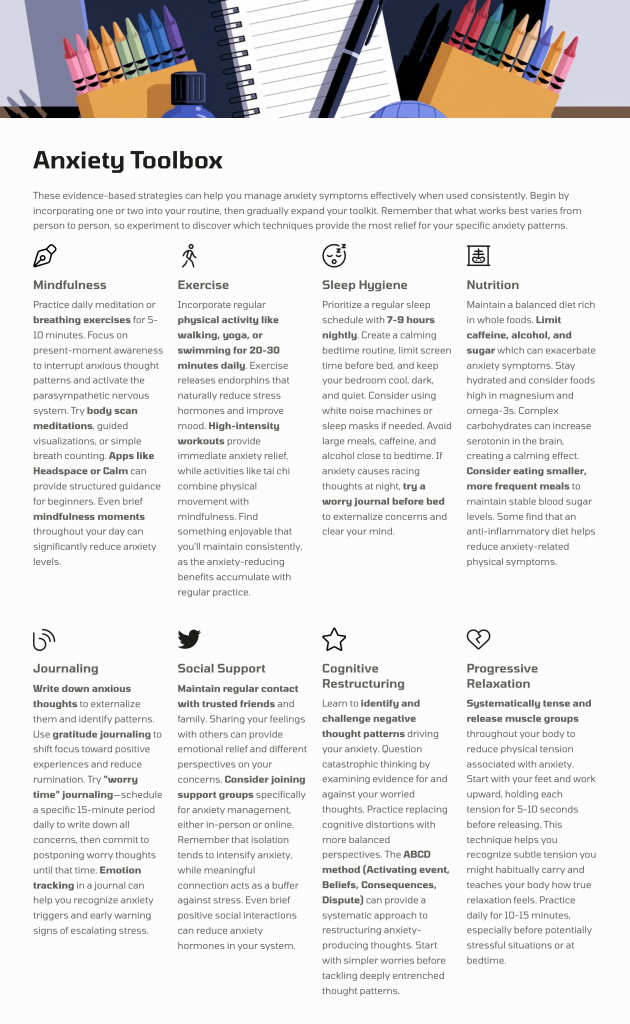
Calm Minds, Bright Futures: Supporting Students Through Anxiety

Welcome to this comprehensive guide to understanding and managing students’ anxiety. It is a practical anxiety toolbox strategy for thriving academically and personally.

This guide offers evidence-based approaches to help students recognize anxiety symptoms, understand their triggers, and develop effective coping mechanisms. We’ll explore both immediate relief techniques and long-term strategies.

Whether dealing with test anxiety, social stress, or general worries about the future, this guide provides actionable steps to build resilience and maintain mental well-being throughout your academic journey.

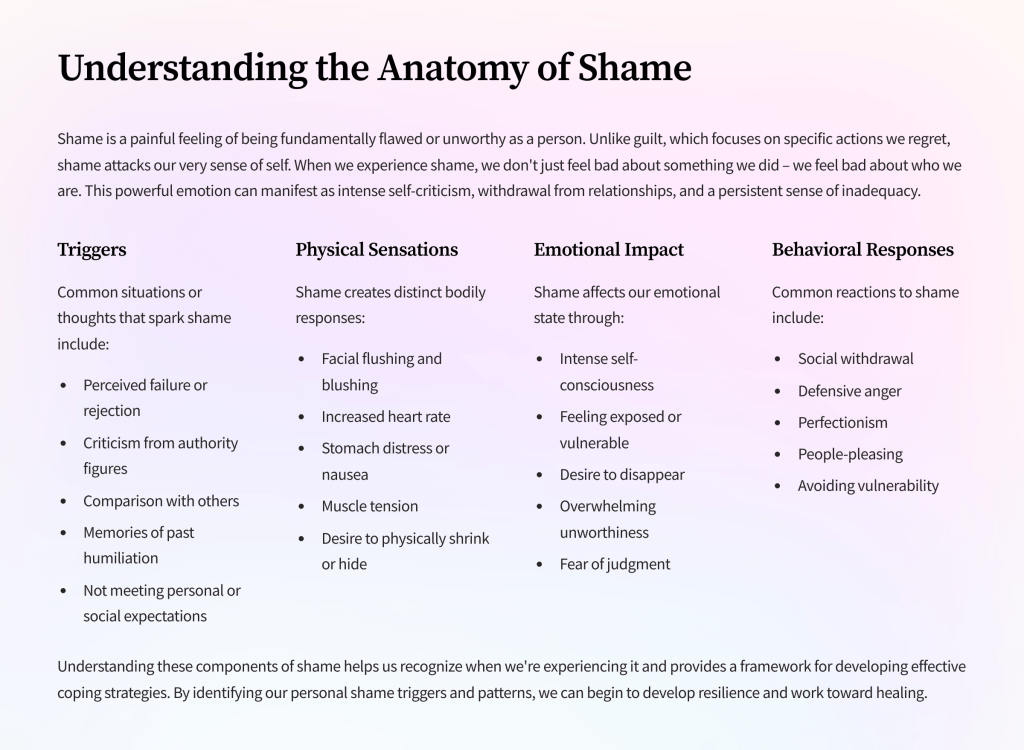
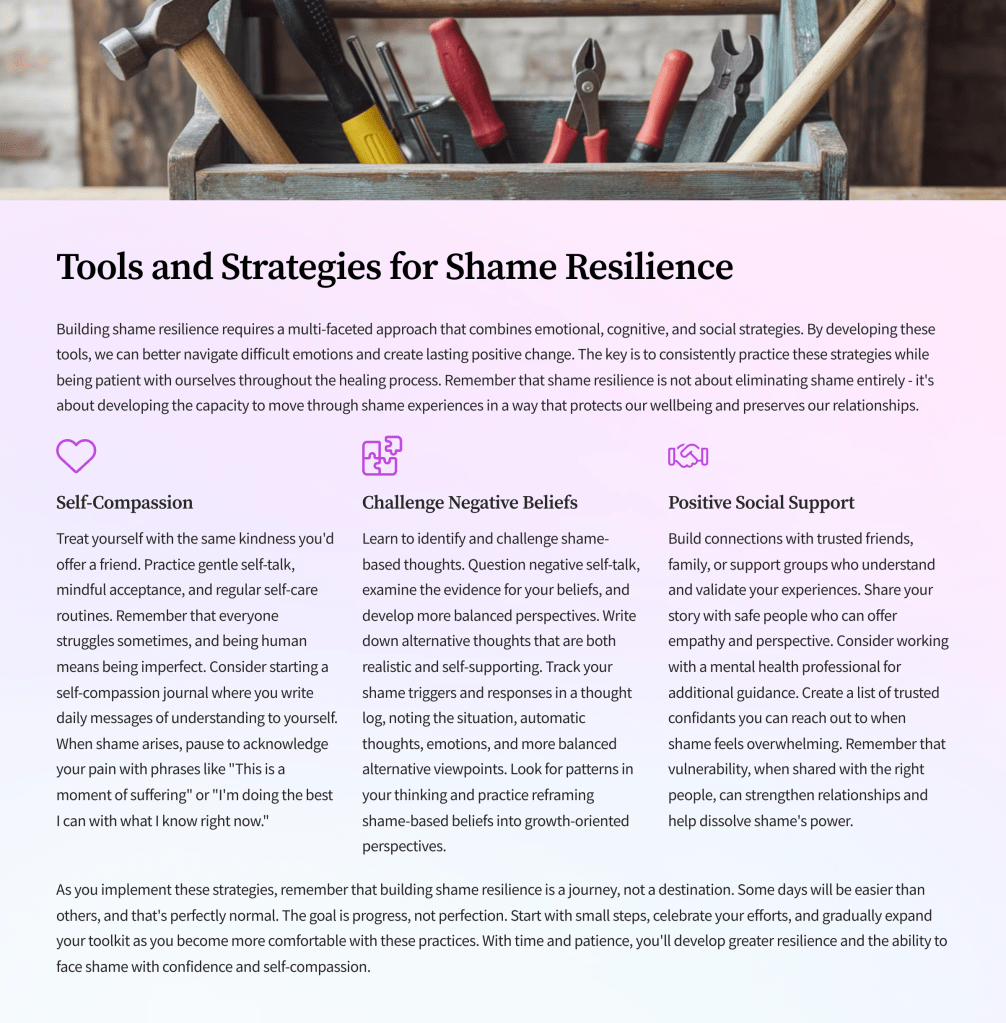
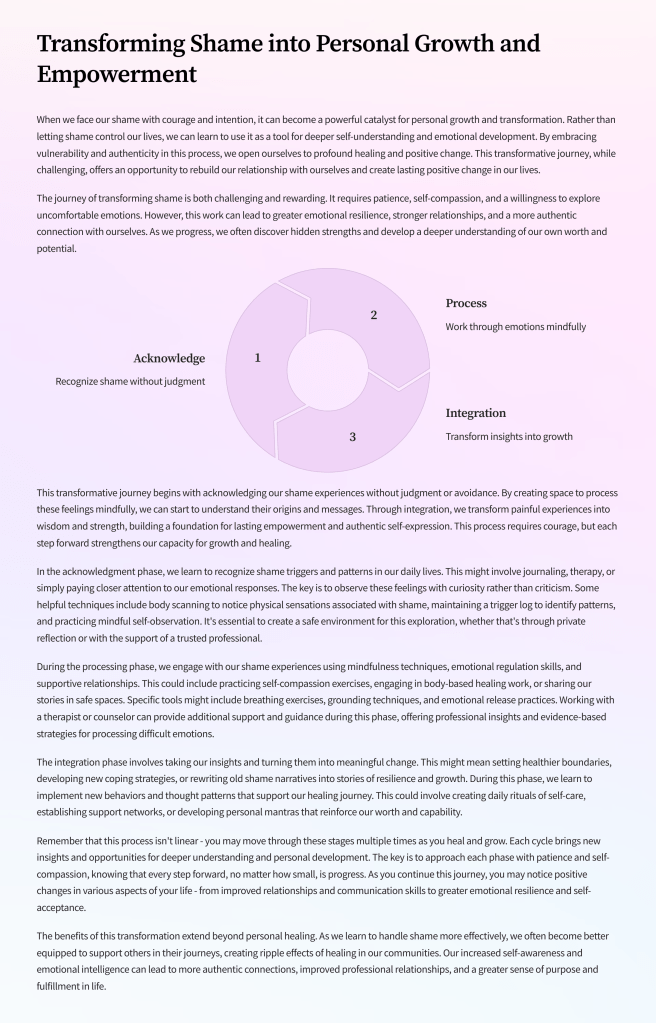
Shame: The Silent Emotion That Holds Us Back

Shame is a profoundly uncomfortable and often hidden emotion that affects every aspect of our lives. Unlike guilt, which tells us we’ve done something wrong, shame makes us feel fundamentally flawed. It profoundly impacts our thoughts, behaviors, and relationships, often beneath our conscious awareness.

Understanding shame is the first step to overcoming its grip. When we bring this powerful emotion into the light, we begin to break its hold over us. This presentation offers evidence-based insights and practical tools for developing shame resilience.

Together, we’ll explore the origins of shame, understand its impact on our well-being, and learn strategies to transform this challenging emotion into a catalyst for growth and authentic connection. Through this journey, you’ll discover that you’re not alone in experiencing shame and, more importantly, that there is a path forward to greater self-acceptance and emotional freedom.

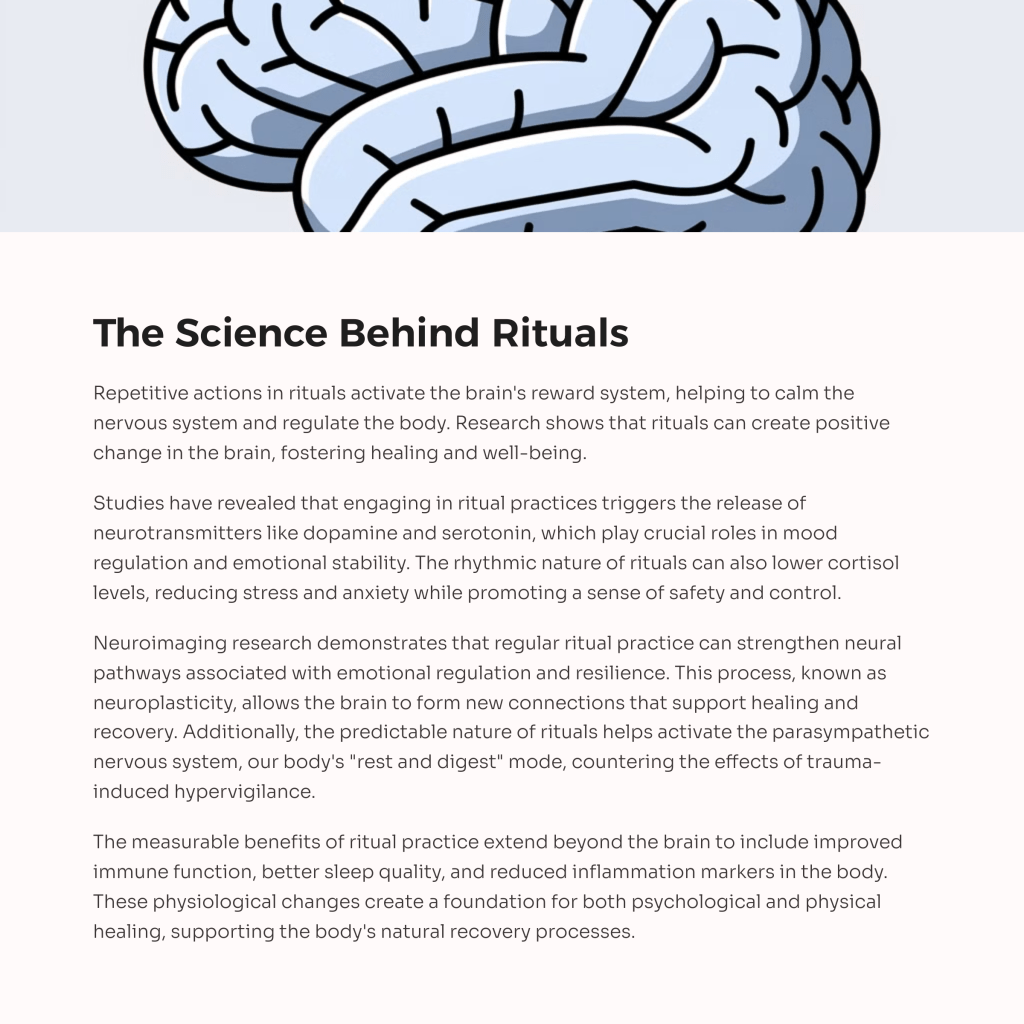
Trauma Recovery: The Healing Power of Rituals

Looking for ways to heal after trauma? Rituals are more than just cultural practices; they’re powerful tools for creating a sense of peace and grounding. Whether it’s a morning meditation, a weekly journaling practice, or a sacred ceremony, rituals can provide structure and meaning during your healing journey.

Safe Space for Healing

Rituals create a protected container for processing emotions and experiences at your own pace.

Connection to Self

Regular practices help rebuild trust in yourself and your body’s wisdom

Restored Sense of Control

Through intentional actions, rituals help reclaim your power and agency

Join us as we explore how ancient wisdom and modern understanding support your healing journey. Whether you’re just starting out or looking to deepen your practice, discover how reclaiming rituals can help you find healing, empowerment, and renewed purpose.

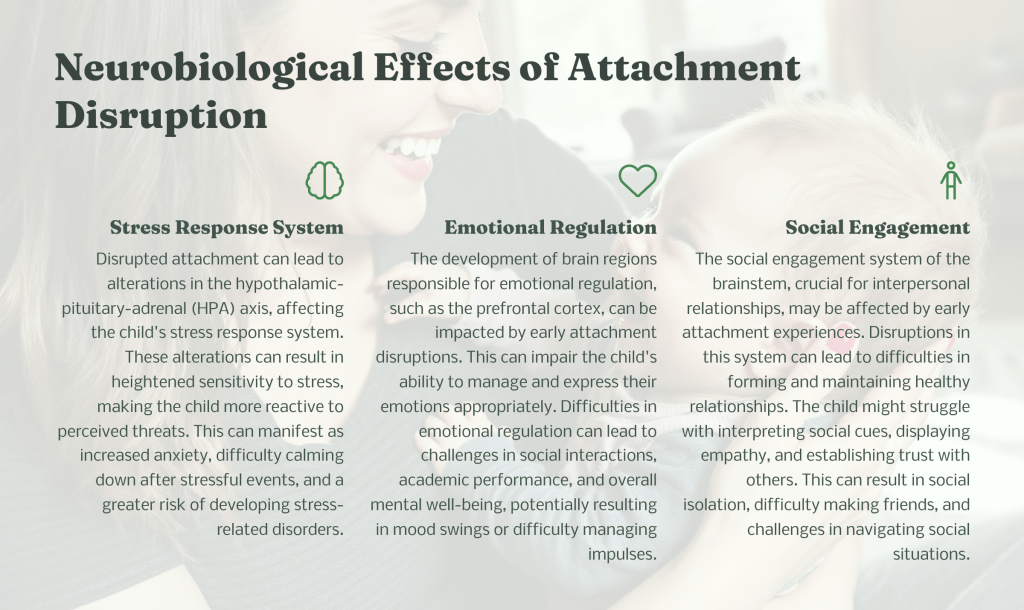
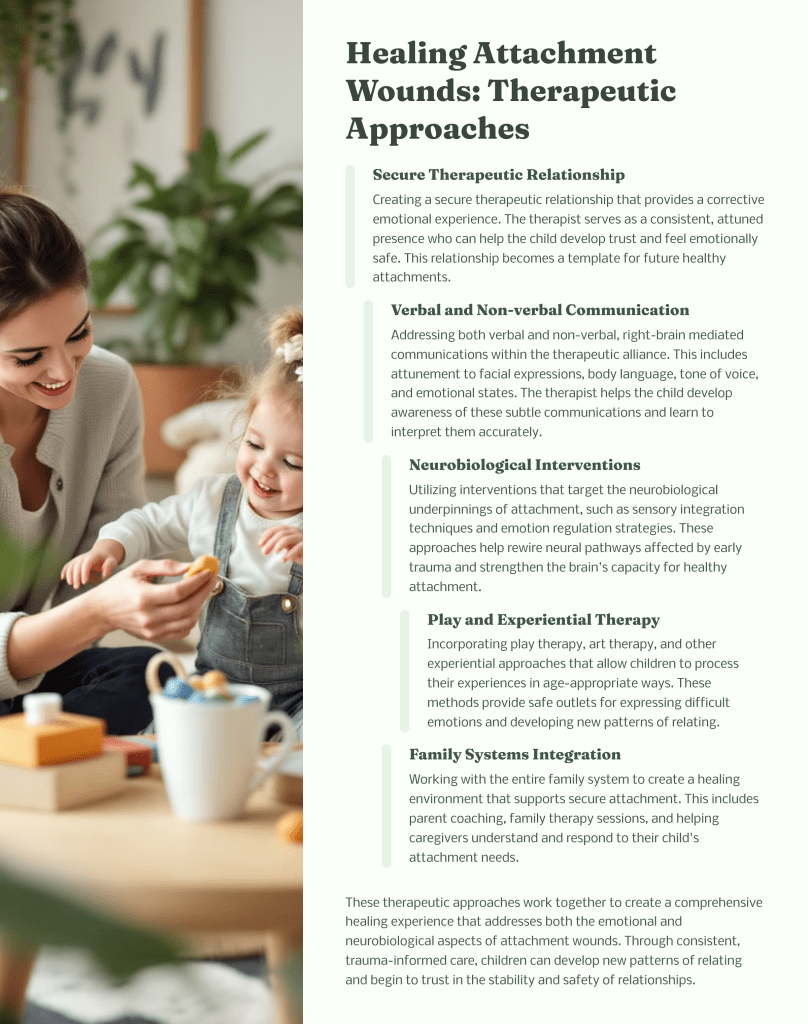
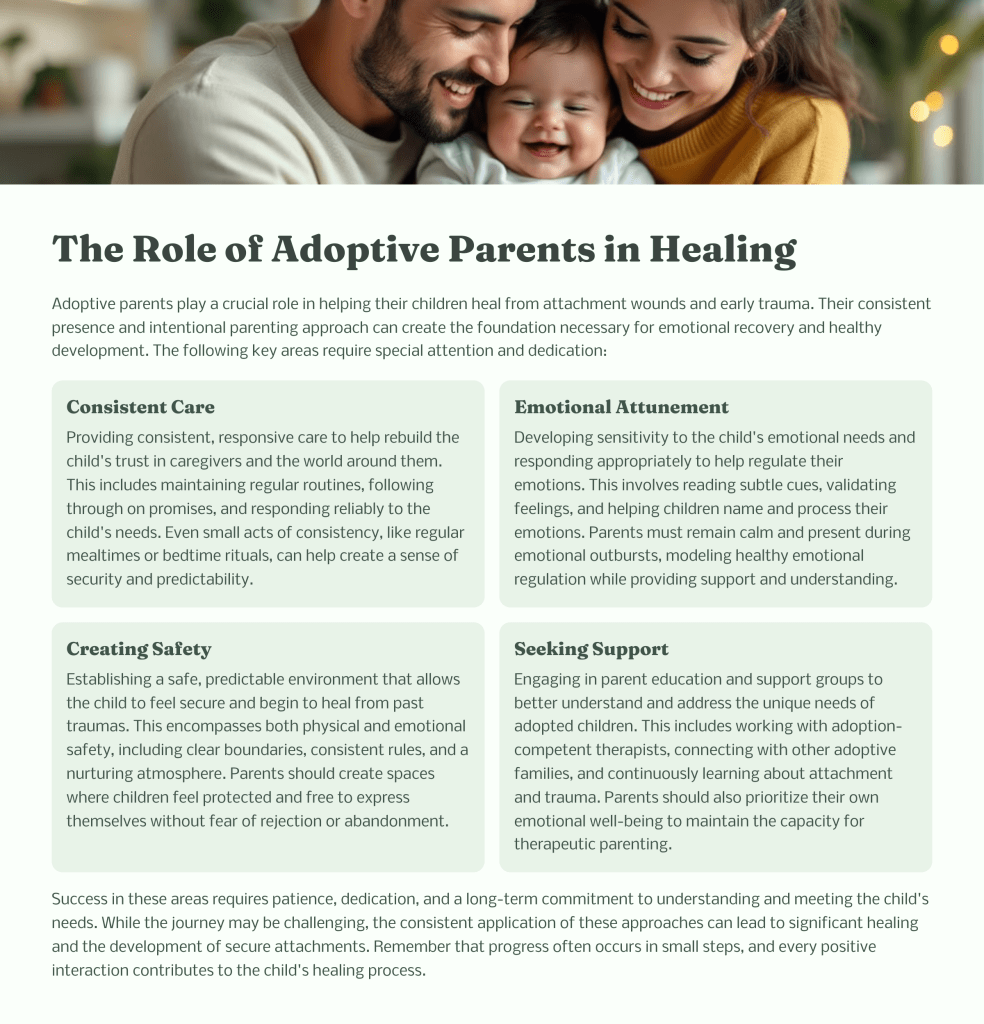
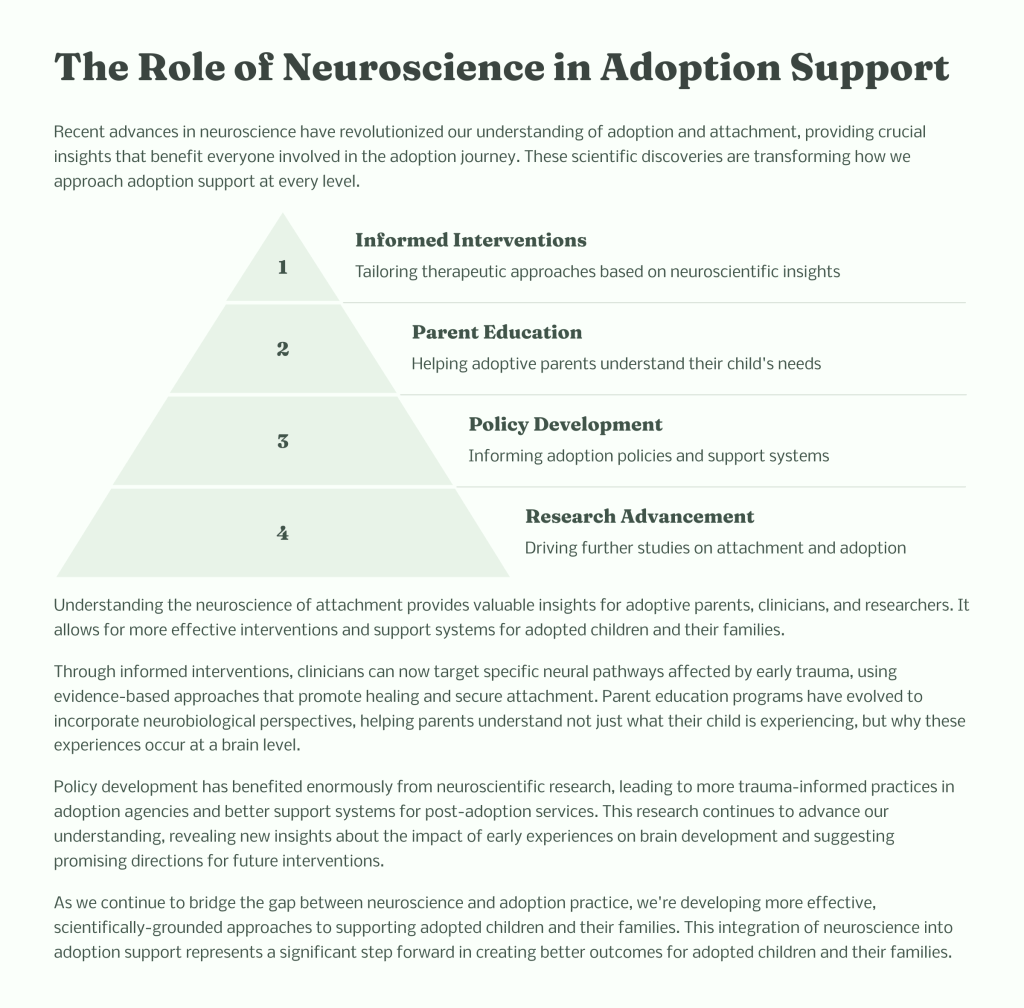
Attachment Wounds in Adoption: A Neuroscientific Perspective

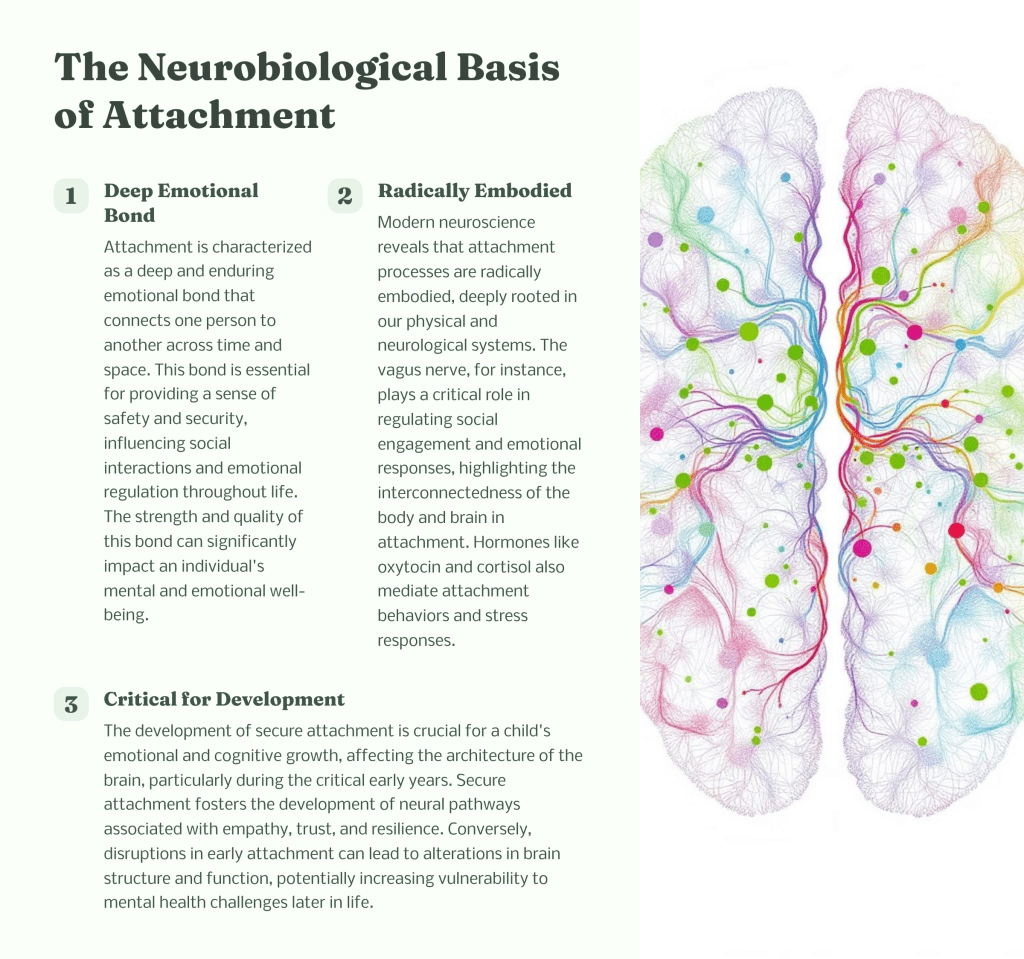
Adoption, while often a positive and life-changing experience, can present unique challenges for children, particularly in the realm of attachment. Recent advancements in neuroscience and attachment research have shed light on the complex interplay between early experiences and brain development, offering new insights into the attachment wounds adopted children may carry.

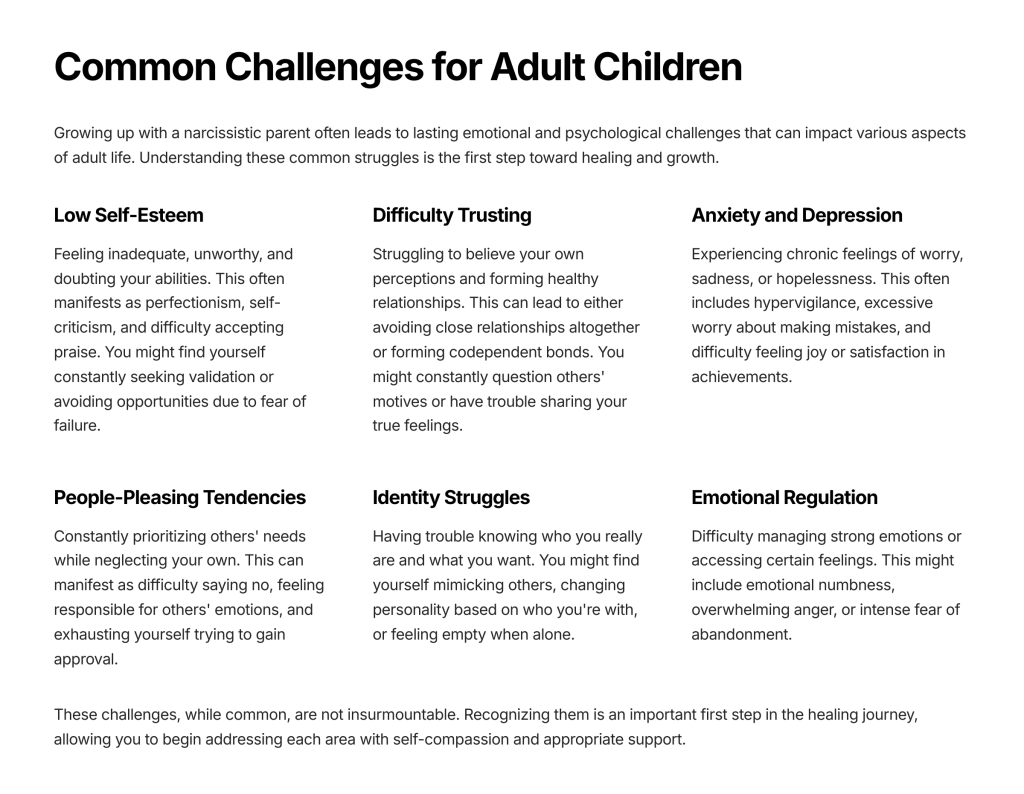
Reclaiming Yourself: A Guide to Recover from Narcisstic Parenting

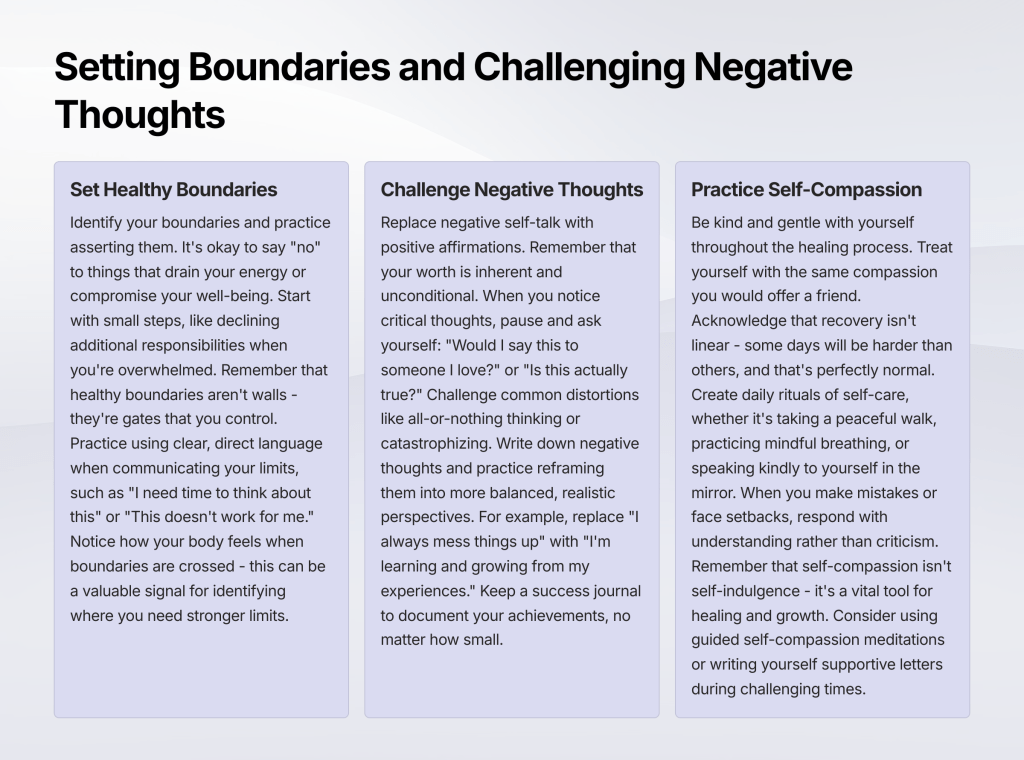
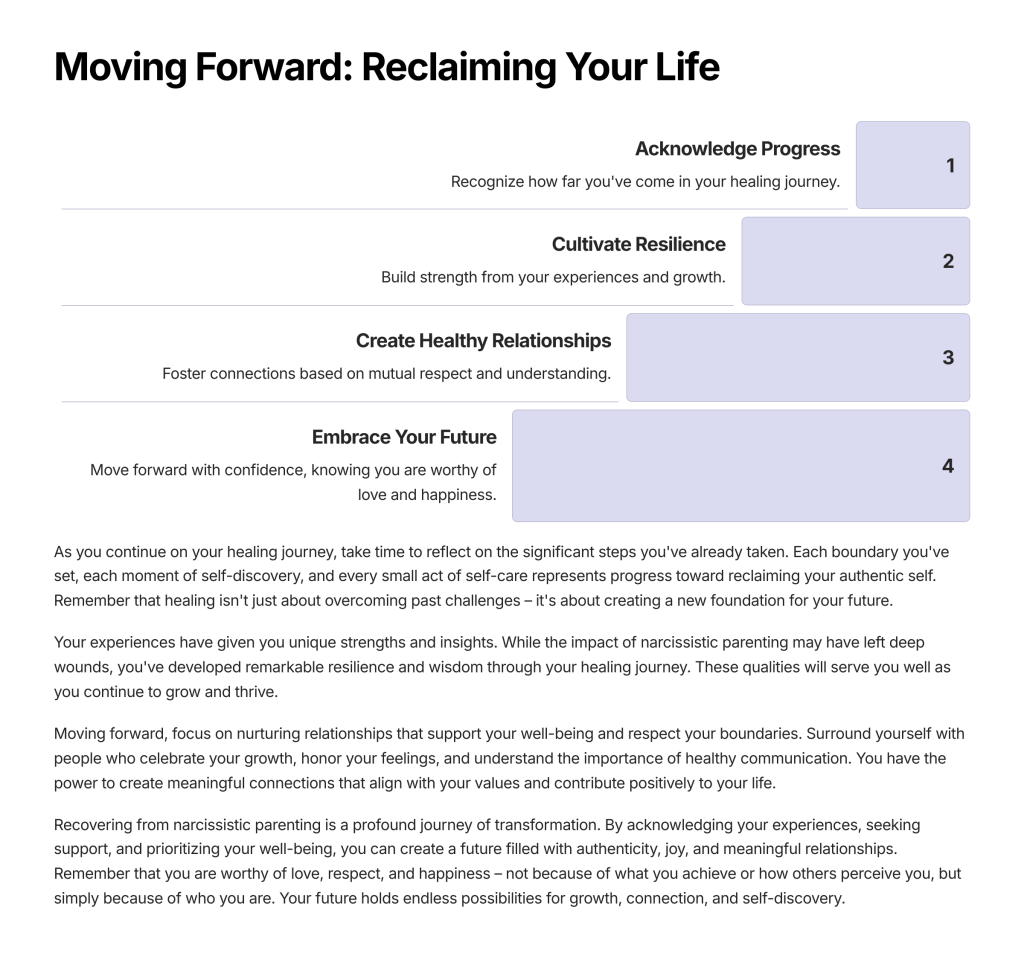
Growing up with a narcissistic parent can leave deep emotional scars, distorting your sense of self and creating lasting challenges. However, recovery is possible. This guide offers a journey of self-discovery, healing, and reclaiming your authentic self. We’ll explore the impact of narcissistic parenting and common challenges faced by adult children and provide essential steps toward healing and moving forward.

Does your child seem like a “Square Peg in a Round Hole”?

When Your Child Doesn’t Seem to “Fit”: Understanding and Supporting Neurodivergent Kids

Picture trying to fit a square block into a round hole in a shape sorter. No matter how hard you push or turn it, it just won’t fit. This is how many neurodivergent children feel every day in schools, social situations, and even at home. These are the kids who might have ADHD or autism or simply think and experience the world differently than most. But here’s the thing – they’re not broken blocks that need reshaping. They’re unique individuals who need the right space to shine.

“Why Can’t My Child Just…?”

If you’ve ever asked yourself, “Why can’t my child just follow simple directions?” or “Why do they struggle with things other kids find easy?” you’re not alone. Dr. Ross Greene, who has worked with countless families, puts it beautifully: “Kids do well if they can.” This simple but powerful idea turns traditional thinking on its head. When our children struggle, it’s not because they’re being difficult – it’s because something in their environment doesn’t match their needs or abilities.

It’s Not About Trying Harder

Consider asking someone nearsighted to “just try harder” to see clearly. Sounds ridiculous, right? Yet we often expect neurodivergent kids to “try harder” to fit into situations that aren’t designed for their way of thinking or processing information.

Robyn Gobbel, who specializes in helping parents better understand their children, explains that connecting with our kids is more important than trying to correct their behavior. When children feel understood and supported, they’re much more likely to develop the skills they need to navigate challenging situations.

Your Child’s Brain: A Different Kind of Beautiful

Dr. Daniel Siegel helps us understand that every child’s brain develops in its own unique way. Just like some people are naturally artistic while others are mathematical, neurodivergent children have unique ways of thinking and learning. Instead of seeing this as a problem to fix, we can view it as a different kind of gift to nurture.

Making Room for All Shapes

So, how can we help our square pegs thrive in a world full of round holes? Here are some practical ideas:

  • Create “just right” challenges: Break big tasks into smaller, manageable pieces
  • Look for the message behind the behavior: When your child struggles, ask, “What’s making this hard?” instead of “Why won’t they cooperate?”
  • Celebrate different ways of doing things: Maybe your child needs to move while learning or draw while listening.
  • Trust your instincts. You know your child best. If something isn’t working, it’s okay to try a different approach.

A New Way Forward

Instead of trying to make our children fit into spaces that weren’t designed for them, we can work on creating spaces that welcome all kinds of minds. This might mean:

  • Talking with teachers about flexible learning options
  • Finding activities where your child’s unique traits are strengths, not challenges
  • Connecting with other parents who understand your journey
  • Most importantly, helping your child understand that different isn’t wrong – it’s just different

The Real Goal

The goal isn’t to turn square pegs into round ones. It’s to create a world where all shapes are welcomed and valued. Your child isn’t a problem to solve – they’re a person to understand and support.

Recommended Resources

For parents wanting to learn more:

  1. “The Explosive Child” by Dr. Ross Greene
  • Learn about collaborative problem-solving and working with your child instead of against them
  1. “Lost at School” by Dr. Ross Greene
  • Understanding how to advocate for your child in educational settings
  1. “The Whole-Brain Child” by Dr. Daniel Siegel and Dr. Tina Payne Bryson
  • Practical strategies for understanding your child’s development and behavior
  1. “Beyond Behaviors” by Mona Delahooke
  • Understanding and helping children with behavioral challenges
  1. “Building the Bonds of Attachment” by Daniel Hughes
  • Insights into connection-based parenting approaches

Online Resources:

Remember, you’re not alone on this journey. These resources are here to support both you and your child as you navigate this path together.

Guarding Your Heart: A Practical Guide to Emotional Wellbeing

Life can be overwhelming. In our fast-paced world, taking care of our emotional and spiritual well-being often takes a backseat. This guide will show practical ways to protect and nurture your inner self, helping you build resilience and find lasting peace.

Understanding Your Heart: More Than Just Emotions

Think of your heart as your inner compass. It’s not just about feelings – it’s the core of who you are, influencing your thoughts, decisions, and relationships. When we talk about “guarding your heart,” we mean protecting and nurturing this essential part of yourself.

Warning Signs: When Your Heart Needs Attention

We often notice physical exhaustion, but emotional drain can be harder to spot. Here are common signs that your heart needs care:

  • You feel constantly rushed and disconnected from yourself
  • Negative thoughts and emotions seem to take over frequently
  • Past hurts keep surfacing in current situations
  • You’ve lost touch with what truly matters to you

Practical Steps for Heart Protection

1. Daily Check-ins

Start with just 5 minutes each day. Ask yourself:

  • “How am I really feeling right now?”
  • “What’s weighing on my mind today?”
  • “What do I need to feel more balanced?”

2. Creating Healthy Boundaries

Think of boundaries as invisible shields, not walls. They help you:

  • Choose what deserves your emotional energy
  • Say “no” to things that drain you
  • Protect your peace without isolating yourself

3. The Art of Letting Go

Holding onto hurt is like carrying heavy bags everywhere you go. Try this simple practice:

  • Notice what you’re holding onto (maybe it’s anger, disappointment, or worry)
  • Acknowledge its presence without judgment
  • Take a deep breath and imagine releasing it with each exhale

4. Finding Your Quiet Space

In today’s noisy world, silence is golden. Create moments of stillness by:

  • Taking short walks alone
  • Sitting quietly for a few minutes before starting your day
  • Finding a peaceful spot in nature
  • Practicing deep breathing when stressed

Simple Tools for Daily Use

Visualization Exercise

Picture your heart as a garden:

  • What needs weeding out?
  • What beautiful things would you like to grow?
  • What needs more light or attention?

Helpful Phrases for Tough Moments

Keep these handy for when you need them:

  • “This feeling will pass.”
  • “I choose peace over worry.”
  • “I’m learning and growing through this.”

The Benefits You’ll Notice

When you actively guard your heart, you’ll start experiencing:

  • More emotional stability during challenges
  • Clearer thinking and better decisions
  • Stronger, more authentic relationships
  • A more profound sense of inner peace

Growing Through Difficulties

Remember, protecting your heart doesn’t mean avoiding all pain. Instead, it means:

  • Learning from challenges without becoming bitter
  • Building strength while staying soft-hearted
  • Finding meaning in difficult experiences

Your Daily Heart-Care Routine

Morning:
Set an intention for the day ahead

Midday:
Take a 5-minute break to breathe and reset

Evening:
Release the day’s tension and celebrate small wins

Final Thoughts

Taking care of your heart isn’t selfish – it’s necessary. Like any worthwhile journey, this one takes time and patience. Start small, be consistent, and watch how these simple practices transform your life.

Remember: Every step to protect your heart is an investment in your well-being. You don’t have to do everything perfectly. Just begin where you are, with what you have.

Why does Play Therapy Work for Traumatized Children?

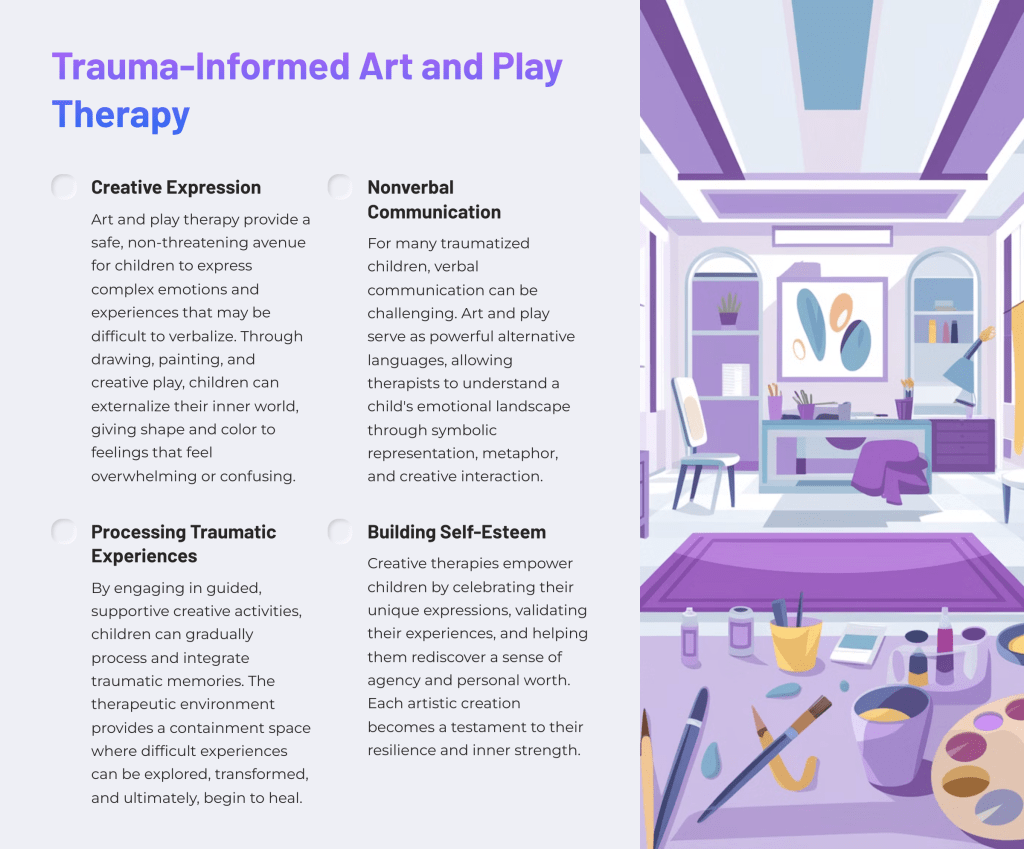
Play therapy is a specialized approach that utilizes play to help children, particularly those aged 3-12, process and overcome traumatic experiences. Play is a natural form of communication for children and offers a safe and less invasive way for them to express their emotions and experiences, especially when words fail. Children may have difficulty regulating emotions, managing impulses, or communicating feelings due to the impact of trauma on their development.
Here’s why play therapy works for traumatized children:

  • Natural Expression: Play is a child’s inherent language, allowing them to communicate and work through internal conflicts more effectively than through verbal therapy alone.
  • Safe Environment: Play therapy sessions provide a comfortable and non-threatening space where children can explore their emotions and experiences without feeling pressured.
  • Symbolic Communication: Through toys, art, and storytelling, children can express and process complex emotions and traumatic memories symbolically, making it easier to address complex subjects.
  • Building Coping Skills: Play therapy equips children with healthy coping mechanisms for managing emotions, such as anger, frustration, and stress. It helps them learn to regulate impulses and develop better control over their feelings.
  • Developing Social Skills: Play therapy can also help children improve their social skills, build relationships, and gain confidence in interacting with others.

Play therapy sessions can be either directive or non-directive:

  • Non-directive (Free Play): In this approach, the child leads the play, choosing the toys and activities. The therapist observes the child’s interactions and uses their choices and play patterns to gain insights into underlying issues.
  • Directive Play: The therapist guides the play towards specific goals, selecting activities and toys to encourage the child to address particular topics or work through specific challenges.

Standard techniques used in play therapy for trauma include:

  • Dolls and action figures: This technique helps therapists understand family dynamics and how the child perceives different family members. The child’s interaction with the figures can reveal past experiences and attachments.
  • Arts and crafts: Creative activities like drawing and painting allow children to express their emotions non-verbally. Therapists can analyze the child’s art for patterns or symbols that offer insight into their inner world.
  • Storytelling and roleplaying: By using puppets, masks, or imaginary characters, children can safely explore difficult emotions and events, feeling less exposed and more comfortable sharing their experiences.
  • Make-believe: This play can reveal the child’s desires, fears, and coping mechanisms. It allows them to express their need for escape or control in challenging situations.

It’s important to note that the success of play therapy relies heavily on the relationship between the therapist and the child. Building trust and rapport is crucial for creating a safe space where the child feels comfortable expressing themselves. The therapist’s role is to guide the child through play, helping them understand and process their emotions and experiences in a way that leads to healing and growth.