I am a licensed Marriage and Family Therapist providing faith-based, trauma-informed therapy for individuals and families. My heart is to see hurting people saved, healed and delivered. Currently, I am practicing in my Avila Beach, California office but travel internationally educating parents and professionals on adoption and permanency skills. You can schedule an office visit online now or take a free online course at FamilyHealerSchool.com
Discover how minor stressors affect our daily lives and contribute to creating significant challenges for our mental and physical well-being. From forgotten tasks to interpersonal tensions, these seemingly minor irritations can gradually erode our resilience and peace of mind.
This presentation explores the science behind everyday stressors and offers empowering strategies for healthier, happier living through practical techniques that anyone can implement. You’ll learn how minor adjustments to your daily routines can create profound positive changes in how you experience and respond to life’s inevitable challenges.
Join us as we discover simple yet powerful ways to transform your relationship with stress and establish sustainable mental wellness practices that work in real-life situations.
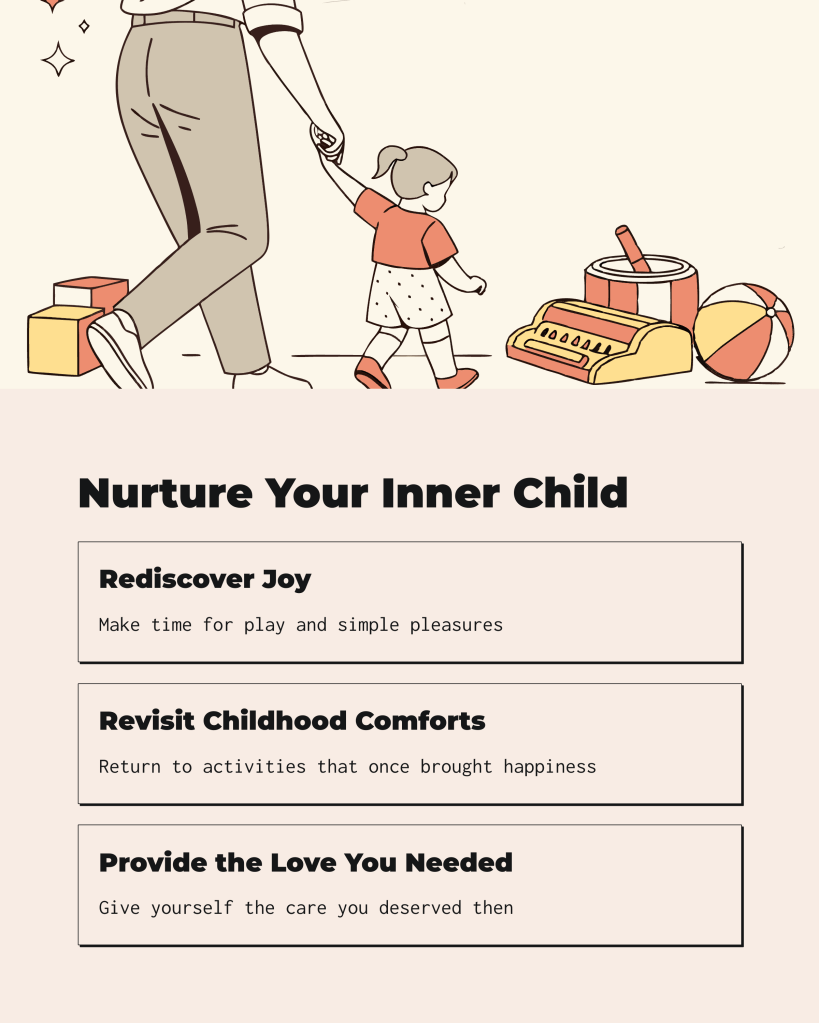
Discover how to nurture, support, and build inner resilience through self-compassion. When we develop our inner “good parent,” we create a foundation of emotional stability that serves us through life’s challenges.
Many of us carry wounds from childhood that affect how we treat ourselves today. By learning to parent yourself with kindness and wisdom, you can heal these patterns and develop healthier self-talk, boundaries, and emotional regulation skills.
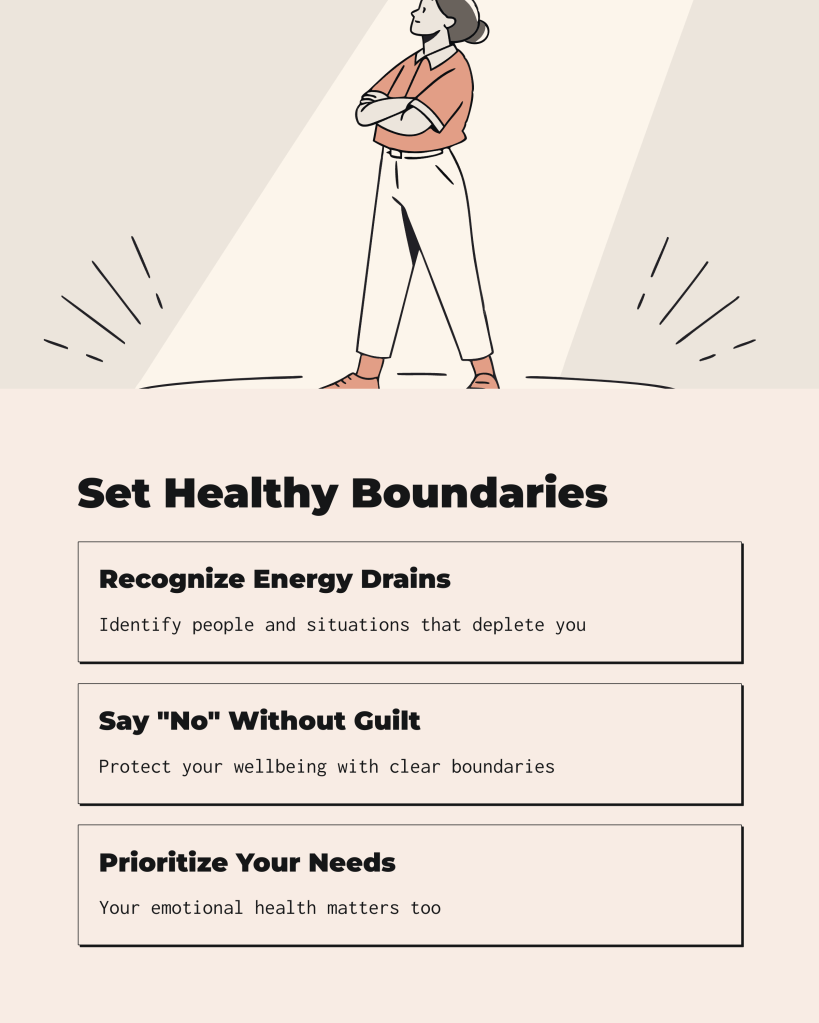
Judgment creates barriers and separation in our lives. It limits our connections, stifles growth, and keeps us trapped in rigid perspectives. When we judge ourselves or others, we close the door to understanding and compassion.
Discover four powerful pathways that can transform how we relate to ourselves and others:
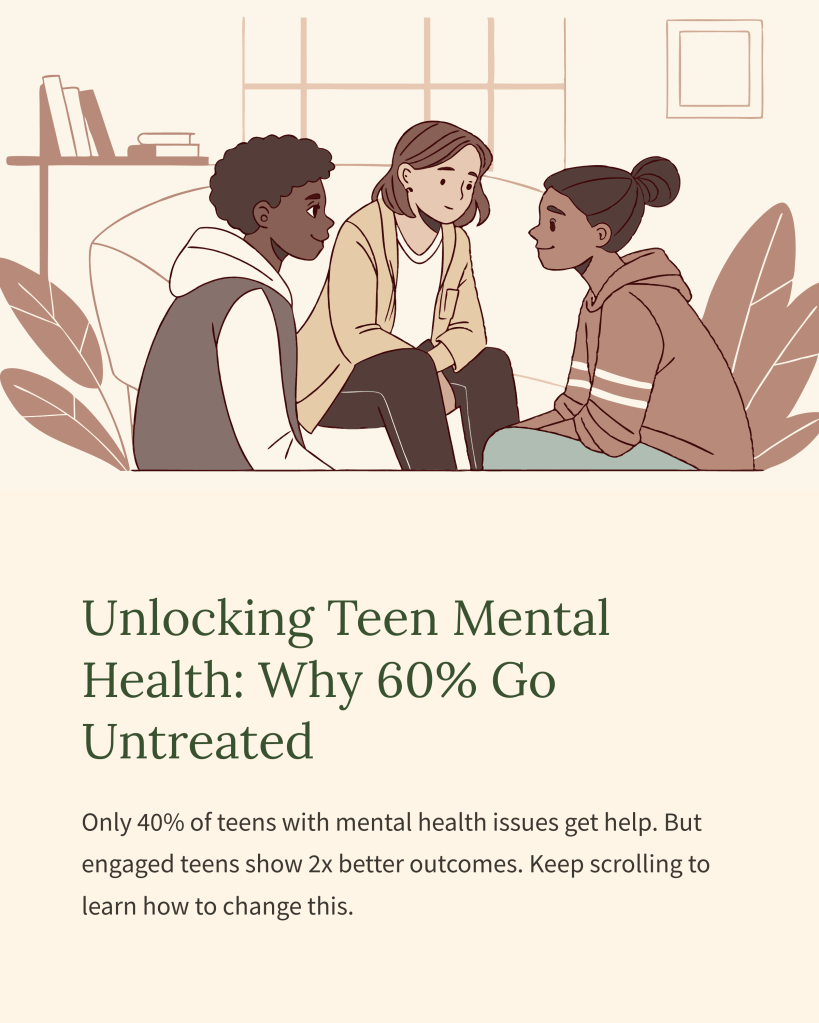
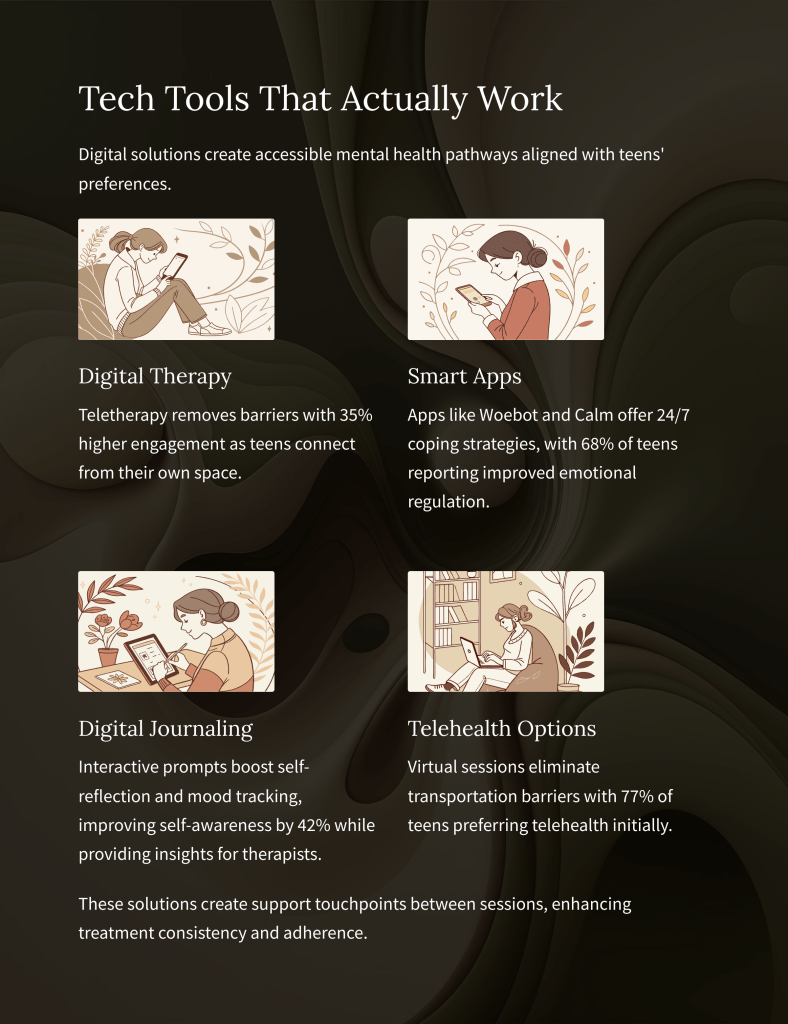
Only 40% of teens with mental health issues get help. This means 6 out of 10 young people are suffering in silence, often during the most formative years of their lives. The consequences are far-reaching: lower academic performance, strained relationships, and increased risk of substance abuse.
The good news? Studies consistently show that engaged teens experience 2x better outcomes when they receive appropriate support. Early intervention not only alleviates current symptoms but also builds resilience that lasts into adulthood.
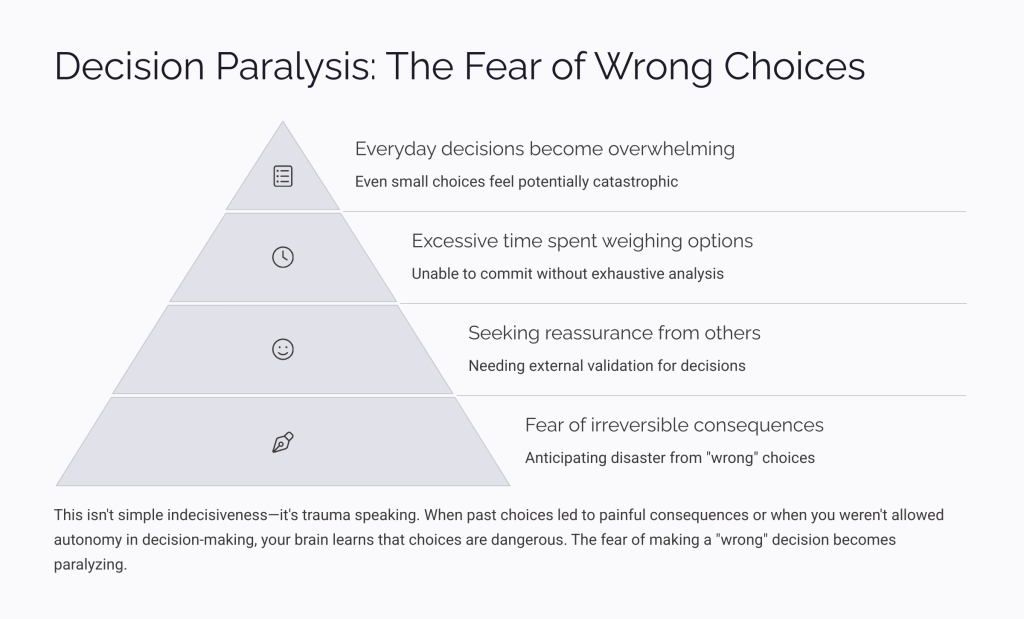
What if that trait you’ve always considered just part of your personality—being “too sensitive” or “fiercely independent”—isn’t really who you are? What if it’s actually trauma silently controlling your responses?
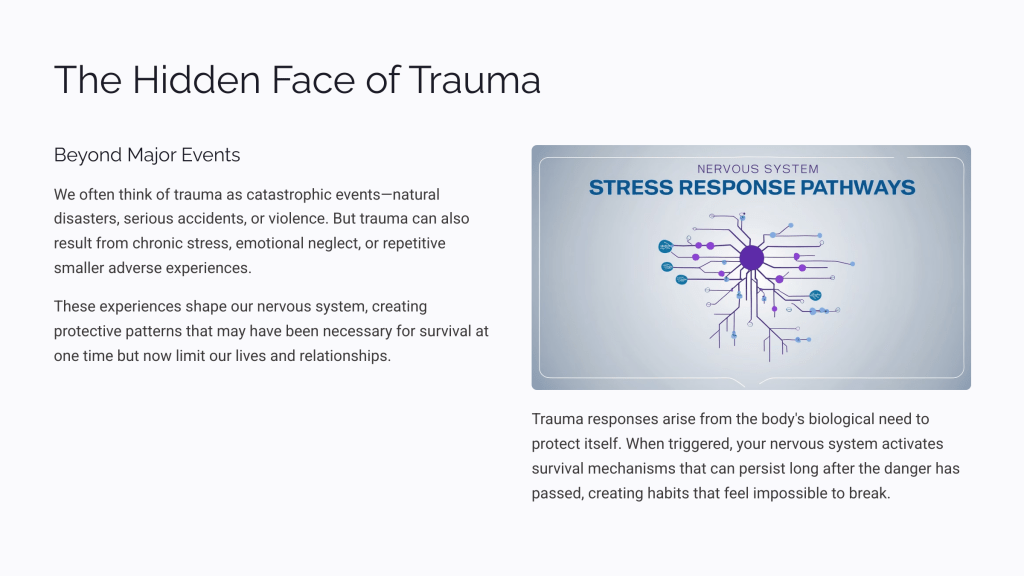
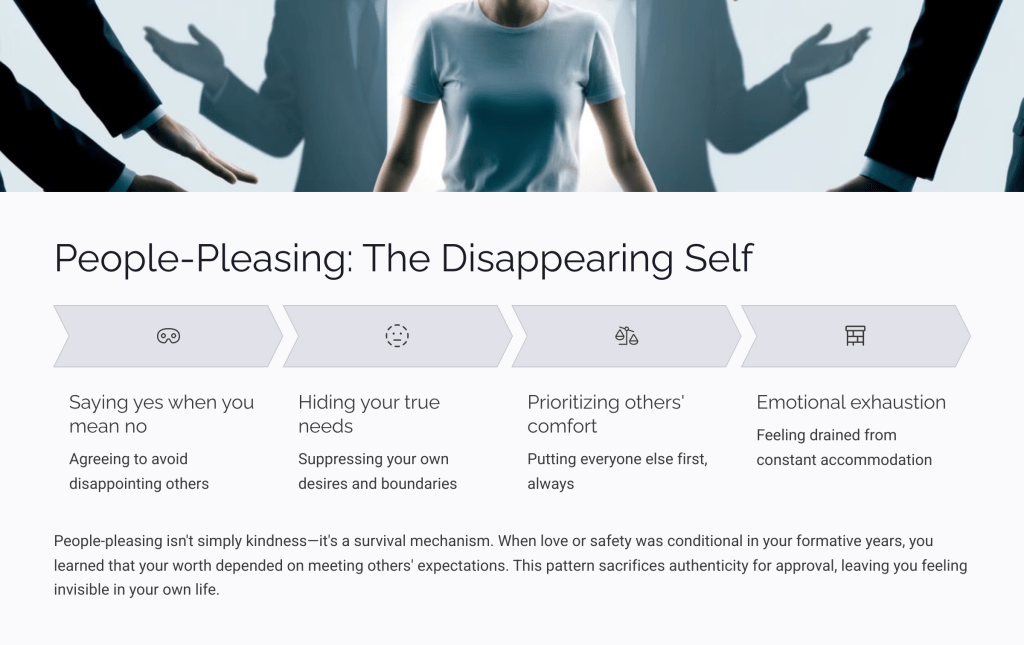
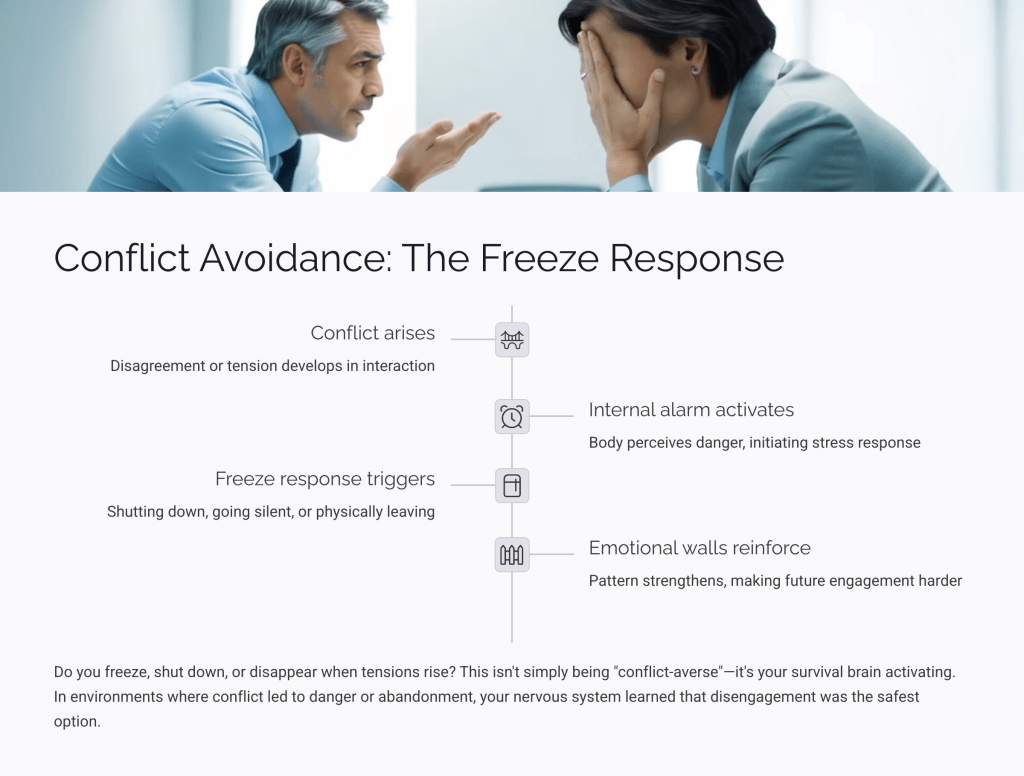
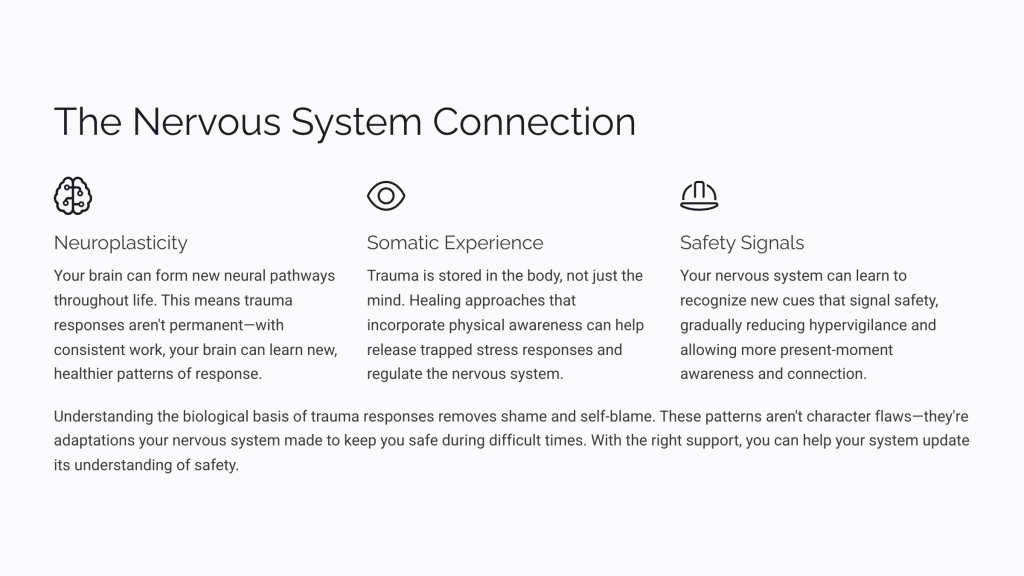
Trauma doesn’t always announce itself through dramatic flashbacks or panic attacks. It often hides in our everyday behaviors, reflexive reactions, and even our quirks. These unconscious responses might be your mind’s way of trying to keep you safe from threats that no longer exist.
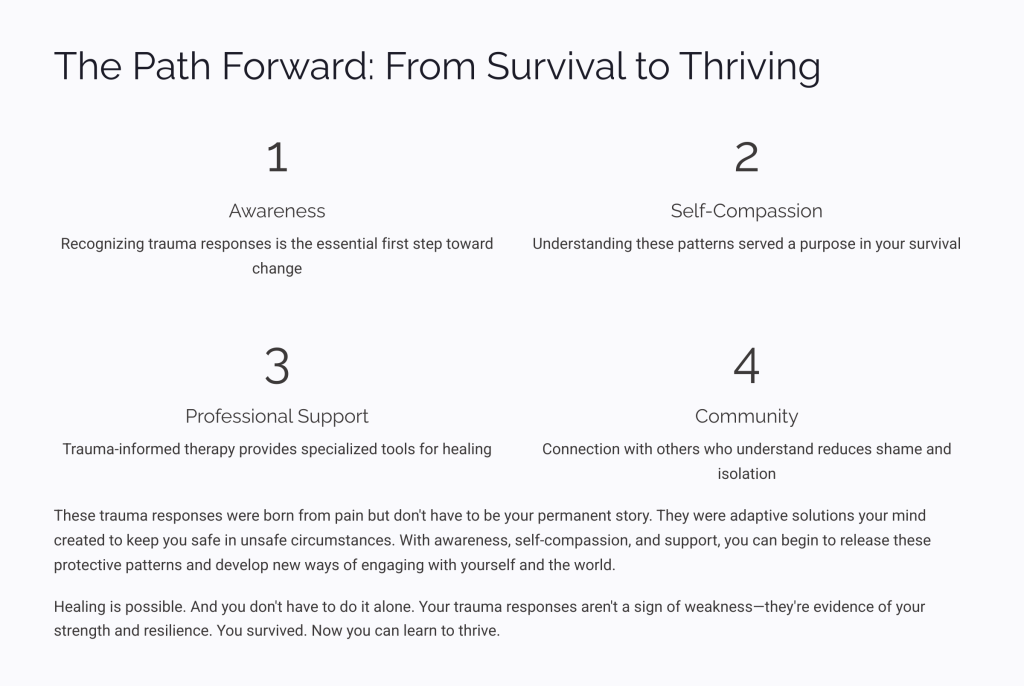
Join us as we explore ten common trauma responses that might be quietly shaping your life and discover how recognizing them is the first step toward healing and reclaiming your authentic self.
We’ve all experienced that corrosive feeling that settles in after being hurt, betrayed, or mistreated. It starts as a sharp pain and then becomes more persistent: bitterness. Like a slow-acting poison, bitterness seeps through our emotional system, fundamentally altering how we see ourselves and the world around us.
The Bitter Cycle
Bitterness rarely exists in isolation. It’s typically accompanied by its volatile cousin, anger. While anger can be a healthy, natural response to injustice, bitterness occurs when that anger isn’t processed or released. Instead, it calcifies, becoming a lens through which we view our experiences.
Dr. Maya Thompson, a clinical psychologist specializing in emotional regulation, explains: “Bitterness is essentially anger turned inward and preserved. While immediate anger can be protective and motivating, chronic bitterness becomes self-destructive, affecting everything from our physical health to our capacity for joy.”
Research supports this view. Studies have shown correlations between unresolved anger and increased risks for cardiovascular problems, weakened immune function, and disrupted sleep patterns. Our bodies weren’t designed to carry this emotional weight indefinitely.
Recognizing the Signs
How do you know if bitterness has taken root in your life? Here are some common indicators:
You find yourself repeatedly revisiting old hurts, mentally rehearsing what happened and what you should have said or done
Cynicism has become your default perspective
You experience satisfaction when those who hurt you face difficulties
Trusting others feels increasingly impossible
You find yourself withdrawing from relationships to avoid potential hurt
Physical symptoms like tension headaches, jaw clenching, or digestive issues become frequent companions
The irony of bitterness is that while it begins as a response to being hurt by others, it ultimately hurts us more than anyone else. As the ancient proverb suggests, harboring bitterness is like drinking poison and expecting the other person to die.
The Path to Release
Breaking free from bitterness doesn’t happen overnight, but it is possible. Here are some approaches that can help:
1. Acknowledge the hurt
Bitterness often thrives in denial. By honestly acknowledging what happened and how it affected you, you begin to loosen its grip. This doesn’t mean dwelling on the hurt but giving yourself permission to feel it fully, perhaps for the first time.
2. Practice self-compassion
Beating yourself up for feeling bitter only compounds the problem. Instead, try relating to yourself with kindness. “We often judge ourselves harshly for not being able to ‘just get over it,'” notes therapist James Rivera. “But healing isn’t linear, and self-compassion creates the emotional safety needed for real change.”
3. Reframe your narrative
The stories we tell ourselves about what happened and why can either entrench bitterness or help dissolve it. Consider whether there might be alternative interpretations of events. This doesn’t mean excusing harmful behavior but freeing yourself from a narrative that keeps you stuck.
4. Set boundaries
Sometimes, bitterness persists because we remain in situations that continually reopen wounds. Setting clear boundaries—including limiting contact with certain people—can create the space needed for healing.
5. Practice forgiveness (on your own terms)
Forgiveness is often misunderstood. It doesn’t mean what happened was okay or the relationship must be restored. Instead, it’s a decision to stop allowing the hurt to control your life. As author and researcher Brené Brown puts it, “Forgiveness is not forgetting or walking away from accountability or condoning a hurtful act; it’s the process of taking back and healing our lives so we can truly live.”
6. Seek professional support
Sometimes, professional guidance becomes essential, mainly when the hurt is deep or complex. Therapies like Cognitive Behavioral Therapy (CBT), Acceptance and Commitment Therapy (ACT), and EMDR have proven effective in addressing persistent negative emotions tied to past experiences.
Finding Freedom
A 42-year-old teacher, Maria Chen, describes her journey: “After my divorce, I was consumed by bitterness. It affected my health, my work, and even how I parented. The turning point came when I realized my ex-husband had moved on completely while I was still carrying this massive emotional burden. I decided then that I deserved to be free, too.”
For Maria, healing involved therapy, journaling, and eventually, a deliberate choice to focus on rebuilding her life rather than ruminating on its collapse. “I still have moments,” she admits, “but they’re just moments now, not my entire existence.”
The Gift on the Other Side
Perhaps the most compelling reason to address bitterness is what awaits on the other side: the return of possibility. When we no longer view life through the distorted lens of past hurts, we can engage more fully with the present. Relationships become sources of joy rather than potential threats. Creativity flows more freely. We become more compassionate—both with ourselves and others.
Releasing bitterness doesn’t mean forgetting the lessons learned through difficult experiences. In fact, many find that working through bitterness eventually yields wisdom that wouldn’t have been accessible otherwise. The hurt becomes part of your story without defining it.
As you consider your own relationship with bitterness and anger, remember that seeking help isn’t a sign of weakness but of courage. In reaching for healing, you’re reclaiming your emotional well-being and your right to a future unconstrained by the past.
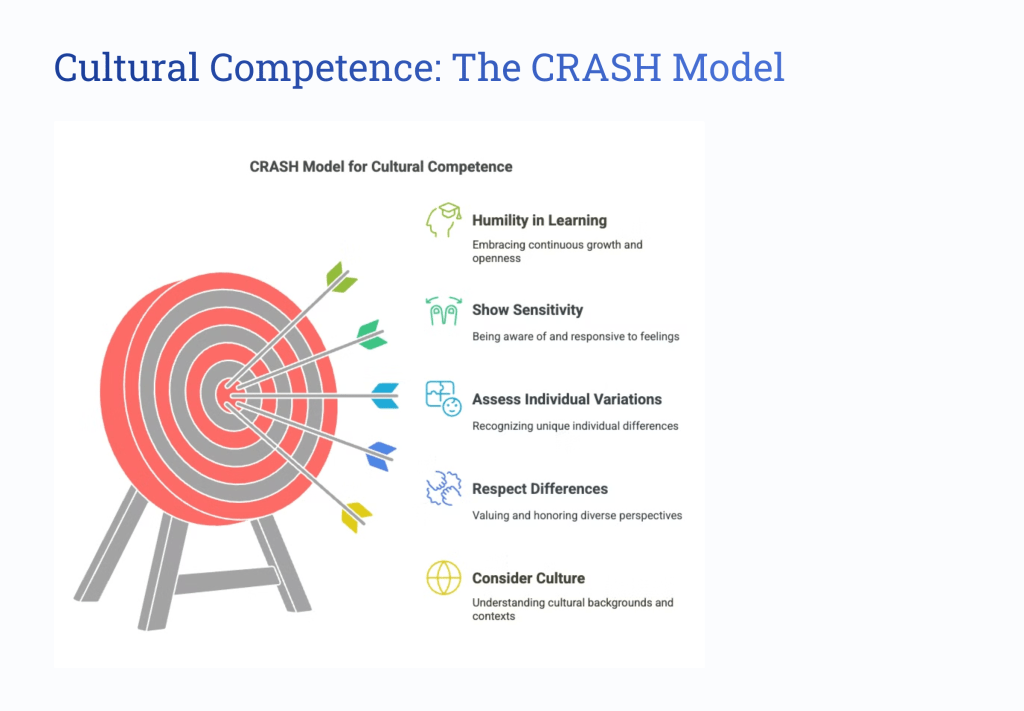
For months, you’ve been eagerly anticipating your dream vacation to Mexico. You’ve diligently studied Spanish and are becoming quite proficient. You’ve packed your suitcase with care – swimwear, sunscreen, and all the essentials for a tropical getaway. As you board the plane, visions of pristine beaches and fruity cocktails dance in your head.
Exhausted from the excitement and preparation, you drift off to sleep as soon as you settle into your seat. Hours later, you’re stirred awake by the pilot’s arrival announcement. Still groggy, you stretch and overhear your seatmate and ask, “Is this your first time in France?”
Confused, you mumble, “France? That can’t be right…” But as you step off the plane, the reality hits you like a blast of cold air. Somehow, inexplicably, you’ve landed in Paris in the dead of winter. The Eiffel Tower looms in the distance, a far cry from the sandy shores you were expecting.
You find yourself in a bustling metropolis, surrounded by rapid-fire French – a language you don’t understand. Your light, summery clothes offer little protection against the biting cold. As you stand there, shivering and bewildered, consider:
How would you feel at this moment?
What immediate challenges would you face?
How might you adapt to this unexpected situation?
What cultural differences might you encounter?
How would this experience change your perspective on travel and cultural adaptation?
This exercise simulates the disorientation of sudden cultural immersion. It highlights the importance of flexibility, open-mindedness, and resilience when faced with unexpected cultural encounters. Reflect on how this scenario might parallel real-life culture shock experiences and the skills to navigate unfamiliar environments.
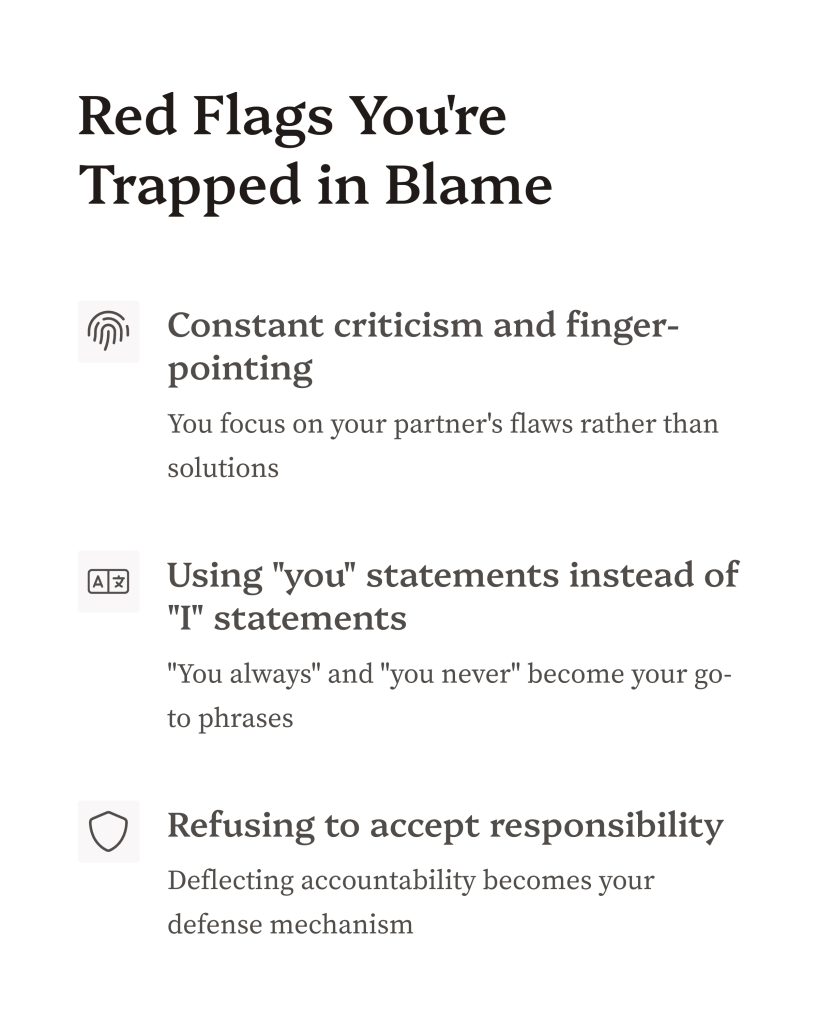
The blame and shame game will destroy your relationships. You can break free from toxic interactions and find a new way to interact that builds trust and intimacy.
For transracial adoptees, having a safe space to discuss their adoption story, birth family, and cultural identity is crucial for healthy emotional development. Yet many parents struggle to create this environment despite their best intentions. This article explores what constitutes a safe space for these conversations, what barriers parents might face in providing one, and why overcoming these challenges benefits the entire family.
What Makes a Safe Space for Adoption Conversations?
A safe space for adoption conversations includes several key elements:
Emotional safety is the foundation. Children need to feel they can express any emotion—sadness, anger, confusion, curiosity—about their adoption without parents becoming defensive, dismissive, or overly emotional themselves. Parents should validate these feelings rather than trying to “fix” them.
Non-judgment allows children to ask questions or share thoughts about their birth family, cultural heritage, or identity without fear of upsetting their parents. This includes accepting when children may express grief or loss alongside a love for their adoptive family.
Age-appropriate honesty builds trust. Parents should share truthful information about the adoption story at developmentally appropriate stages, without hiding challenging aspects but presenting them with sensitivity.
Regular, casual opportunities for conversation help normalize adoption discussions. Rather than making these talks formal or rare events, weaving them naturally into everyday life shows children that adoption isn’t a taboo topic.
Child-led pacing respects the child’s emotional readiness. Some children may want frequent conversations, while others need more time. Parents should follow their child’s lead while occasionally opening the door for discussion.
Consistent reassurance of permanence and love provides security. Children need to know that exploring feelings about the birth family doesn’t threaten their place in the adoptive family.
Cultural resources and connections demonstrate respect for the child’s heritage. Books, cultural events, and relationships with others who share their background show children that their identity is valued.
Barriers Parents May Face
Despite good intentions, parents can struggle to create this safe space for several reasons:
Fear of Rejection
Many adoptive parents worry that their child’s interest in their birth family or culture signifies rejection of them as parents.
“It’s natural to feel threatened when your child expresses curiosity about their birth family,” says Dr. Emily Martinez, adoption psychologist and author. “But remember, a child’s desire to understand their origins isn’t about replacing you—it’s about completing their identity puzzle.”
Insecurity About “Real” Parenthood
Some parents struggle with societal messaging that biological connections are more “real” than adoptive ones.
“I’ve worked with many parents who confess they feel like ‘imposters’ when their child asks about their birth family,” explains adoption counselor James Wilson. “This insecurity can make it difficult to create the open environment children need.”
Discomfort with Difficult Emotions
Adoption stories often include complex, sometimes painful elements. Parents may want to protect their children—and themselves—from these difficult emotions.
“Parents often tell me they want to wait until their child is ‘old enough’ to handle the hard parts of their story,” says Dr. Lisa Chen, a family therapist specializing in adoption. “But avoidance usually creates more issues than it solves. Children sense when topics are off-limits, which can lead to shame and secrecy.”
Cultural Disconnection
For transracial adoptees, discussions about identity often include race and culture. Parents who haven’t done their own cultural education work may feel ill-equipped for these conversations.
Why Creating a Safe Space Benefits Everyone
Though challenging, creating this safe space ultimately strengthens family bonds and promotes healthy development:
For the child: Research shows that adoptees who can openly discuss their adoption experiences have better self-esteem, more vigorous identity formation, and fewer psychological issues in adulthood.
For parents: Open communication builds trust and deepens the parent-child relationship. It also prevents the buildup of unspoken questions and concerns that can create distance.
For the family unit: Families who can navigate these conversations develop resilience and communication skills that benefit all aspects of family life.
A Real-Life Example
When 8-year-old Mei began asking questions about her birth mother in China, her adoptive mother, Sarah, initially felt anxious. “I worried she was unhappy with our family,” Sarah admits. “I found myself changing the subject or giving brief answers to end the conversation quickly.”
After joining an adoptive parent support group, Sarah recognized her defensive reactions were more about her fears than Mei’s needs. She began creating space for these conversations, starting with books about adoption and gradually moving to more personal discussions.
“The turning point came when I told Mei it was okay to love her birth mother and wonder about her,” Sarah recalls. “The relief on her face was immediate. She said, ‘I thought it would hurt your feelings if I talked about her.'”
Today, at 13, Mei speaks openly about her adoption story and Chinese heritage. “These conversations haven’t diminished our bond,” Sarah says. “They’ve made it stronger because Mei knows she can bring her whole self to our relationship.”
Expert Advice
Dr. Martinez offers this guidance: “The best gift you can give your adopted child is permission to explore all aspects of their identity without feeling they’re betraying you. This isn’t always easy, but it’s essential.”
Wilson adds: “Remember that your child’s story belongs to them. Your role is not to control the narrative but to help them understand and integrate it into their life healthily.”
Dr. Chen concludes: “Creating this safe space isn’t a one-time event but an ongoing process. Be patient with yourself and your child as you navigate these waters together. The ultimate goal is to raise a child who feels whole and secure in all aspects of their identity.”
By facing their own fears and insecurities, parents can create the safe space their children need to thrive—not despite their adoption story, but with it fully integrated into their sense of self.


























 Ron Huxley LMFT